You need the 9 Essential Amino Acids to be healthy. These are histidine, isoleucine, leucine, lysine, methionine, phenylalanine, threonine, tryptophan, and valine. Your body cannot make these amino acids. You have to get them from food. They help build proteins. They fix tissue. They help you grow.
Eating different foods gives your body the amino acids it needs each day.
Key Takeaways
- Your body needs all 9 essential amino acids to stay healthy. They help make proteins. They fix tissues. They help you grow.
- Eating different foods like meat, eggs, and beans gives you all essential amino acids every day.
- If you do not get enough essential amino acids, you may feel tired. You can lose muscle. Your immune system can get weak. Keep your diet balanced to stop these problems.
- Combine plant foods, like beans and rice, to get complete proteins if you eat vegetarian or vegan meals.
- Try snacks with lots of protein, like yogurt or nuts, to get enough amino acids during the day.
9 Essential Amino Acids Overview
What Makes Them Essential
Your body cannot make essential amino acids. You need to eat foods that have them. Scientists call them essential because your body cannot create them. Non-essential amino acids are made inside your body. Some amino acids are only needed from food when you are sick or growing fast.
- Your body cannot make essential amino acids.
- You get them by eating certain foods.
- Non-essential amino acids are made by your body.
- Some amino acids are needed from food if you are sick or growing fast.
The 9 Essential Amino Acids help keep you healthy. They help your body build proteins. They fix tissues and help you grow. Eating enough of these amino acids makes your muscles stronger and helps them heal. Leucine, one of these amino acids, turns on a process in your body called mTOR. This process helps your body make new proteins and fix muscles. Eating the right mix of essential amino acids after exercise helps your body heal and build muscle.
Your body needs the 9 Essential Amino Acids for strong muscles, healthy tissues, and to grow.
Quick List of the 9 Essential Amino Acids
Here are the 9 Essential Amino Acids you need every day:
- Histidine
- Isoleucine
- Leucine
- Lysine
- Methionine
- Phenylalanine
- Threonine
- Tryptophan
- Valine
You can get these amino acids from eggs, meat, dairy, beans, and nuts. Eating different foods helps you get all the 9 Essential Amino Acids your body needs.
Functions and Food Sources
Histidine
Histidine helps your body grow and fix tissues. It is used to make blood cells. Histidine keeps your nerves healthy. Your body changes histidine into histamine. Histamine helps your immune system, digestion, and sleep. Histidine also protects your cells. It helps your body make energy.
Histidine works as a proton buffer and metal ion chelator. It is a starter for important biomolecules. It is needed for enzyme catalysis and histamine production. These help your immune system and nerve signals.
- Histidine helps you grow and fix tissues.
- It helps make blood cells.
- It keeps the myelin sheath around nerves healthy.
- Your body uses histidine to make histamine for your immune system and sleep.
You can find histidine in many foods. Check the table below to see which foods have the most histidine:
| Food | Serving | Histidine |
|---|---|---|
| Subway Tuna Sub | per 6 inch sub | 1626mg |
| Kielbasa Sausage | per large link | 1321mg |
| Cooked Eel | per 5.6oz fillet | 1107mg |
| Soy Protein Powder | per 2oz scoop | 680mg |
| Toasted Wheat Germ | per oz | 230mg |
| Canned Eastern Oysters | 1 cup (drained) | 220mg |
| Gelatin | per 1oz package | 185mg |
| Peanut Butter | per 2 tblsp | 178mg |
| Green Peas | per cup cooked | 168mg |
| Fish Roe (Caviar) | per tblsp | 85mg |

Isoleucine
Isoleucine helps your muscles grow and heal after exercise. Your body uses isoleucine to make new muscle proteins. It also helps fix muscle tissue. Isoleucine helps your body use glucose for energy. This is important when you exercise.
Isoleucine is a branched-chain amino acid. It helps your muscles get more glucose during exercise. This gives your muscles energy. Isoleucine is not the same as leucine or valine.
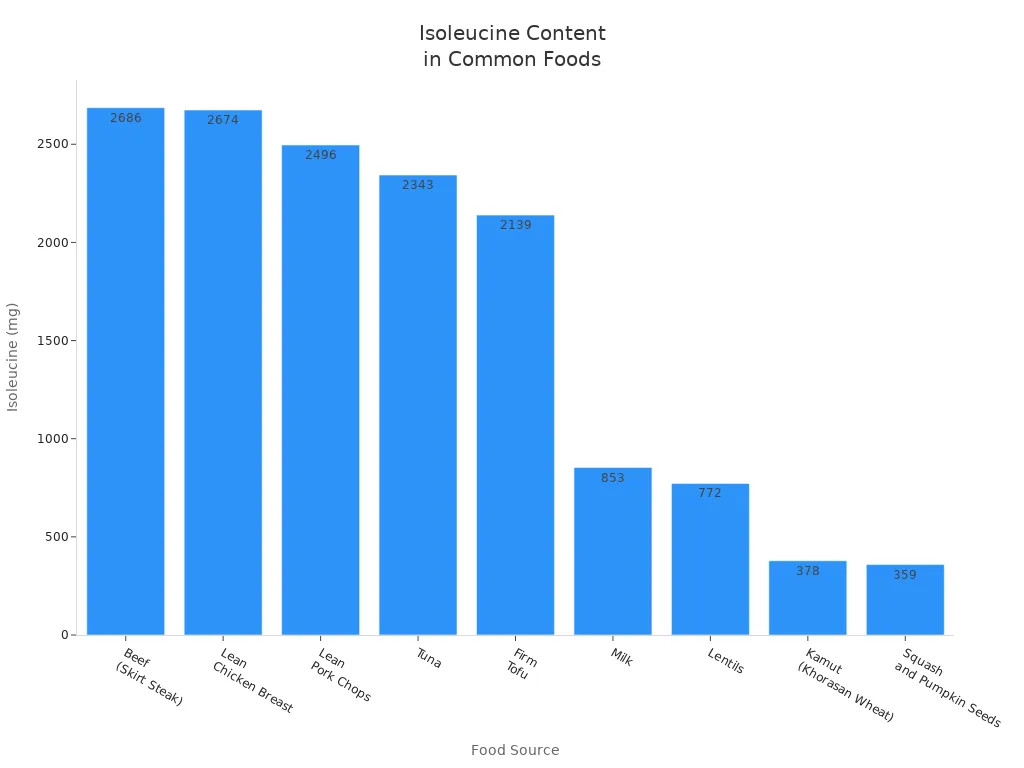
You can get isoleucine from many foods. Here is a table with the best sources:
| Food | Isoleucine (mg) | % RDI |
|---|---|---|
| Beef (Skirt Steak) | 2686 | 192% |
| Lean Chicken Breast | 2674 | 191% |
| Lean Pork Chops | 2496 | 178% |
| Tuna | 2343 | 167% |
| Firm Tofu | 2139 | 153% |
| Milk | 853 | 61% |
| Lentils | 772 | 55% |
| Kamut (Wheat) | 378 | 27% |
| Pumpkin Seeds | 359 | 26% |
| Beans | N/A | 50-55% |
Leucine
Leucine helps your body build muscle. You need leucine to make new proteins. It also helps fix muscles after exercise. Leucine starts a process called mTOR. This tells your body to make proteins. This helps your muscles grow and heal.
Leucine acts like a green light for muscle growth. It tells your body there are enough amino acids to fix muscles. Leucine also helps your metabolism. It lowers muscle damage.
After you eat protein, leucine levels go up in your blood. This starts the mTOR system in your muscles. It begins protein synthesis.
You can find leucine in many foods:
- Whey protein isolate
- Casein
- Eggs
- Chicken breast
- Beef
- Greek yogurt
- Cottage cheese
- String cheese
- Soy
- Pea
- Wheat gluten
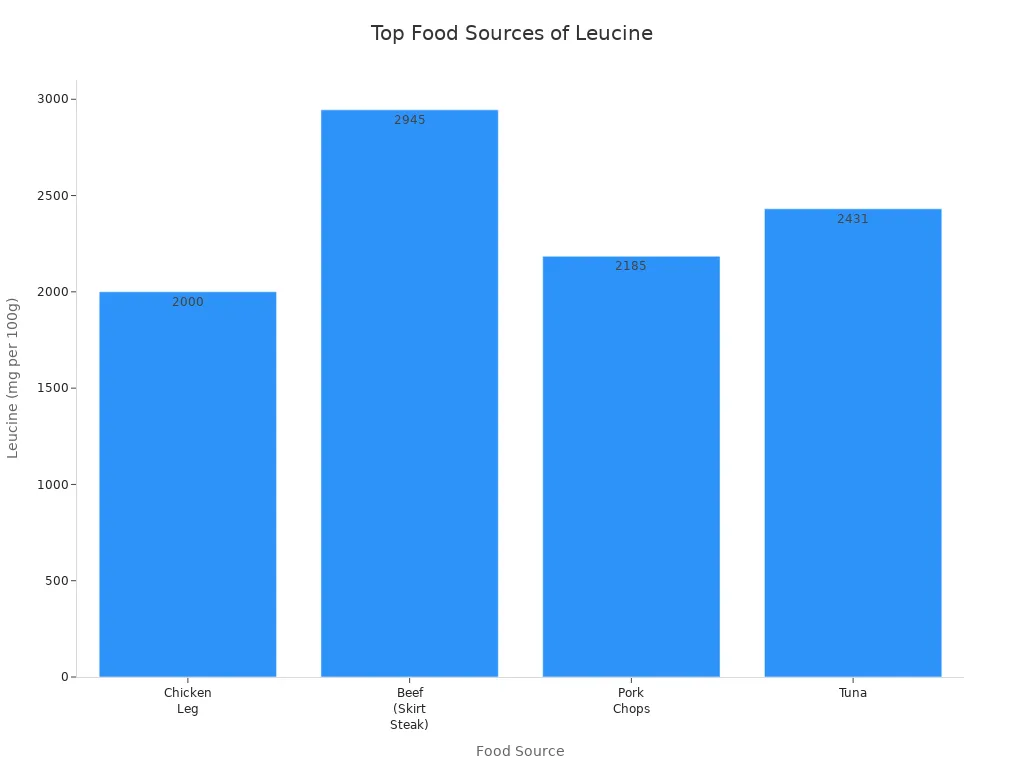
| Food Source | Leucine Content (per 100g) | RDI (%) |
|---|---|---|
| Chicken Leg | 2000mg | 73% |
| Beef (Skirt Steak) | 2945mg | 108% |
| Pork Chops | 2185mg | 80% |
| Tuna | 2431mg | 89% |
Lysine
Lysine helps your body make collagen. Collagen keeps your skin, bones, and blood vessels strong. Lysine also helps your immune system. It does this by making antibodies and enzymes.
- Lysine is needed for collagen.
- It makes collagen strong and stretchy.
- Lysine helps your immune system.
You can get lysine from many foods:
- Dried apricots
- Avocados
- Beets
- Leeks
- Tomatoes
- Pears
- Peppers
- Potatoes
- Soy products (tempeh, tofu, soybeans, soy milk)
- Beans (kidney, navy, black)
- Chickpeas, hummus
- Lentils
- Edamame
- Pumpkin seeds
- Pistachios
- Cashews
- Quinoa
- Amaranth
- Buckwheat
- Seitan
- Fish
- Eggs
- Greek yogurt
- Milk
- Parmesan cheese
- Beef tenderloin: 2,890 mg per 4 oz
- Large egg: 418 mg
- Greek yogurt: 833 mg per 100 g
- 1% milk: 758 mg per cup
- Firm tofu: 582 mg per 1/2 cup
- Soy milk: 539 mg per cup
- Cooked quinoa: 442 mg per cup
- Cooked lentils: 625 mg per 1/2 cup
Methionine
Methionine helps your body make antioxidants. Your body uses methionine to make glutathione. Glutathione protects your cells from damage. Methionine also helps your body detox and keeps your metabolism healthy.
- Methionine is a starter for glutathione, an antioxidant.
- It helps make cysteine and taurine, which protect your cells.
- Methionine helps your body detox and keeps cells healthy.
- Methionine reacts with harmful oxygen to protect your proteins.
You can find methionine in animal and plant foods:
| Food Source | Methionine Content (%) | Type |
|---|---|---|
| Egg Whites | 8% | Omnivore |
| Chicken | 5% | Omnivore |
| Beef | 5% | Omnivore |
| Dairy Products | 4% | Omnivore |
| Plant Proteins | Lower than 4% | Vegetarian |
| Lacto-ovo Vegans | 3.0 grams/day | Vegetarian |
| Vegans | 2.3 grams/day | Vegetarian |
| High-Protein Diet | 6.8 grams/day | Omnivore |
Phenylalanine
Phenylalanine helps your body make neurotransmitters. You need phenylalanine to make tyrosine. Tyrosine turns into dopamine, norepinephrine, and epinephrine. These chemicals help you stay alert, remember things, and feel good.
| Phenylalanine | Role in Neurotransmitter Synthesis |
|---|---|
| Precursor to Tyrosine | Converts to dopamine, norepinephrine, and epinephrine, which are crucial for mood regulation and cognitive functions. |
| Norepinephrine | Importance in Mental Health |
|---|---|
| Signal transmission | Essential for alertness and memory, with potential antidepressant effects. |
You can get phenylalanine from many foods:
- Meat
- Fish
- Eggs
- Dairy products
- Soy products
- Nuts
- Seeds
- Peas
- Avocado
- Watercress
- Arugula
- Parsley
- Coriander
Threonine
Threonine helps your body make proteins. Your body uses threonine to make collagen and elastin. These keep your skin and tissues strong. Threonine also helps your body digest fats. It supports your immune system.
- Threonine is a starter for biomolecules needed for proteins.
- It helps make collagen and elastin for skin and tissues.
- Threonine helps with fat digestion and supports your immune system.
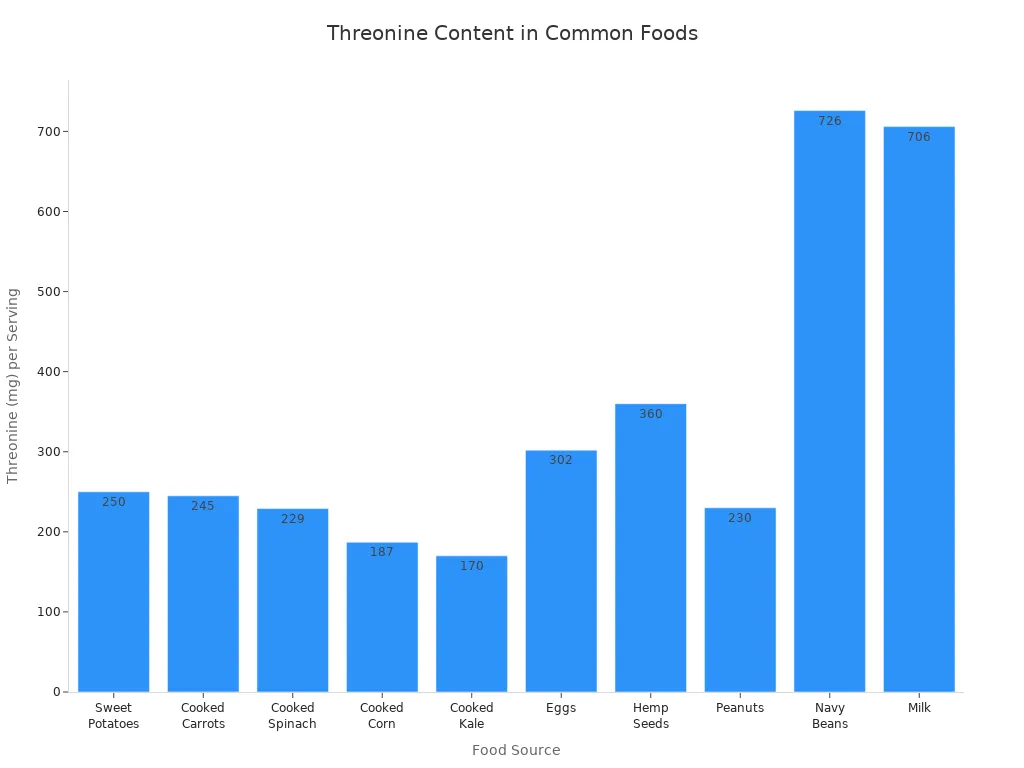
Here are some foods with lots of threonine:
| Food Source | Serving Size | Threonine Content (mg) | % RDI |
|---|---|---|---|
| Sweet Potatoes | 1 cup | 250 | 24% |
| Cooked Carrots | 1 cup | 245 | 23% |
| Cooked Spinach | 1 cup | 229 | 22% |
| Cooked Corn | 1 cup | 187 | 18% |
| Cooked Kale | 1 cup | 170 | 16% |
| Eggs | 1 large | 302 | 29% |
| Hemp Seeds | 1 oz | 360 | 34% |
| Peanuts | 1 oz | 230 | 22% |
| Navy Beans | 1 cup | 726 | 69% |
| Milk | 16 oz | 706 | 67% |
Tryptophan
Tryptophan helps your body make serotonin. Serotonin controls your sleep and helps you feel calm. Your body needs tryptophan to make melatonin. Melatonin helps you sleep well.
Tryptophan is a starter for serotonin. This process needs magnesium and vitamin B6. If you have enough tryptophan, your body makes more serotonin and melatonin. This helps you sleep better.
The ‘monoaminergic theory of sleep’ says serotonin helps you sleep. It does this by stopping wakefulness centers in your brain.
You can get tryptophan from many foods:
- Large white beans: 206mg per cup
- Red kidney beans: 198mg per cup
- Pinto beans: 185mg per cup
- Black beans: 181mg per cup
- Lentils: 160mg per cup
- Milk: 211mg per 16oz glass
- Cottage Cheese: 166mg per 1/4 cup
- Hard mozzarella: 156mg per oz
- Cheddar cheese: 155mg per oz
- Parmesan: 137mg per oz
- Gruyere: 120mg per oz
- Yogurt: 74mg per 8oz cup
- Pumpkin Seeds: 164mg per oz
- Chia seeds: 124mg per oz
- Flax seeds: 84mg per oz
- Cashews: 75mg per oz
- Pistachios: 74mg per oz
- Peanuts: 65mg per oz
- Oatmeal: 94mg per cup
- Teff: 103mg per cup
- Quinoa: 96mg per cup
- Whole wheat pasta: 90mg per cup
- Brown rice: 59mg per cup
- Corn meal: 23mg per cup
- Eggs: 77mg in 1 large egg
- Scrambled eggs: 306mg per cup
Valine
Valine helps your muscles grow and heal. Your body uses valine to make new muscle proteins. It also helps you recover after exercise. Valine helps your body make glycogen. Glycogen gives your muscles energy.
- Valine helps make muscle proteins for growth and repair.
- It gives glucose to muscles during activity.
- Valine is used in muscles, which helps athletes.
- Valine helps muscles make more glycogen.
- It lowers muscle damage after exercise.
- Valine helps muscles heal and recover.
You can get valine from these foods:
- Meat
- Fish
- Soy
- Dairy
- Nuts
- Whole grains
You need all 9 Essential Amino Acids to build strong muscles, fix tissues, and stay healthy. Eating many different foods helps you get enough of each amino acid every day.
Why All 9 Are Needed
How They Work Together
You need all nine essential amino acids to stay healthy. Each one does something special in your body. They work together to build proteins and make enzymes. They also help your metabolism. Your body cannot save amino acids like it saves fat or carbs. You must eat foods with all nine every day.
Essential amino acids help turn nutrients into energy. They help make enzymes that speed up reactions. These enzymes help you digest food and use nutrients. When you eat enough of all nine, your body builds new proteins. It repairs tissues and keeps your muscles strong.
- Amino acids turn nutrients into energy.
- They help make enzymes for digestion and energy.
- They help your body make hormones and control genes.
- They work together to keep your metabolism balanced.
If you miss even one essential amino acid, your body cannot make some proteins. This can slow healing and growth.
Deficiency Risks
Missing one or more essential amino acids can cause health problems. Your body needs all nine to stay healthy. If you do not get enough, you may feel tired. You may lose muscle or have trouble recovering after exercise. Your mood or skin may change.
| Health Risk | Description |
|---|---|
| Persistent fatigue | You feel tired and have less energy. |
| Muscle wasting | You lose muscle and have trouble healing. |
| Mood disorders | You may feel irritable or anxious. |
| Skin problems | Your hair may fall out and nails break easily. |
| Weakening of immunity | You may get sick more often. |
Essential amino acid deficiencies can affect your nerves, immune system, digestion, and reproduction. You may get sick more often or heal slowly. Your hair and nails may get weak. Your mood may change, especially if you do not get enough tryptophan.
Eating many kinds of protein foods helps you avoid these risks and keeps your body strong.
Meeting Your Needs
Best Food Sources
You can get all nine essential amino acids from food. Some foods have all the essential amino acids your body needs. These are called complete proteins. Animal foods like chicken, beef, eggs, and dairy are complete proteins. Some plant foods, like quinoa, soy, and pea protein, also have all the essential amino acids. But some grains, nuts, seeds, and beans do not have every essential amino acid. You can mix these foods to make a complete protein.
| Protein Source | Type | Notes |
|---|---|---|
| Poultry | Complete | Has all essential amino acids |
| Beef | Complete | Has all essential amino acids |
| Eggs | Complete | Has all essential amino acids |
| Dairy Products | Complete | Has all essential amino acids |
| Quinoa | Complete | Has all essential amino acids |
| Soy | Complete | Has all essential amino acids |
| Pea Protein | Complete | Has all essential amino acids |
| Certain Grains | Incomplete | Mix with other foods |
| Nuts | Incomplete | Mix with other foods |
| Seeds | Incomplete | Mix with other foods |
| Beans | Incomplete | Mix with other foods |
Tip: Try eating beans with rice or peanut butter with whole wheat bread. This helps you get all the essential amino acids from plants.
Supplements
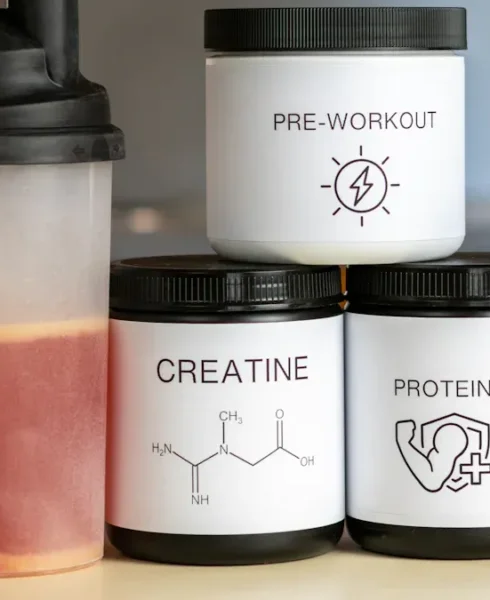
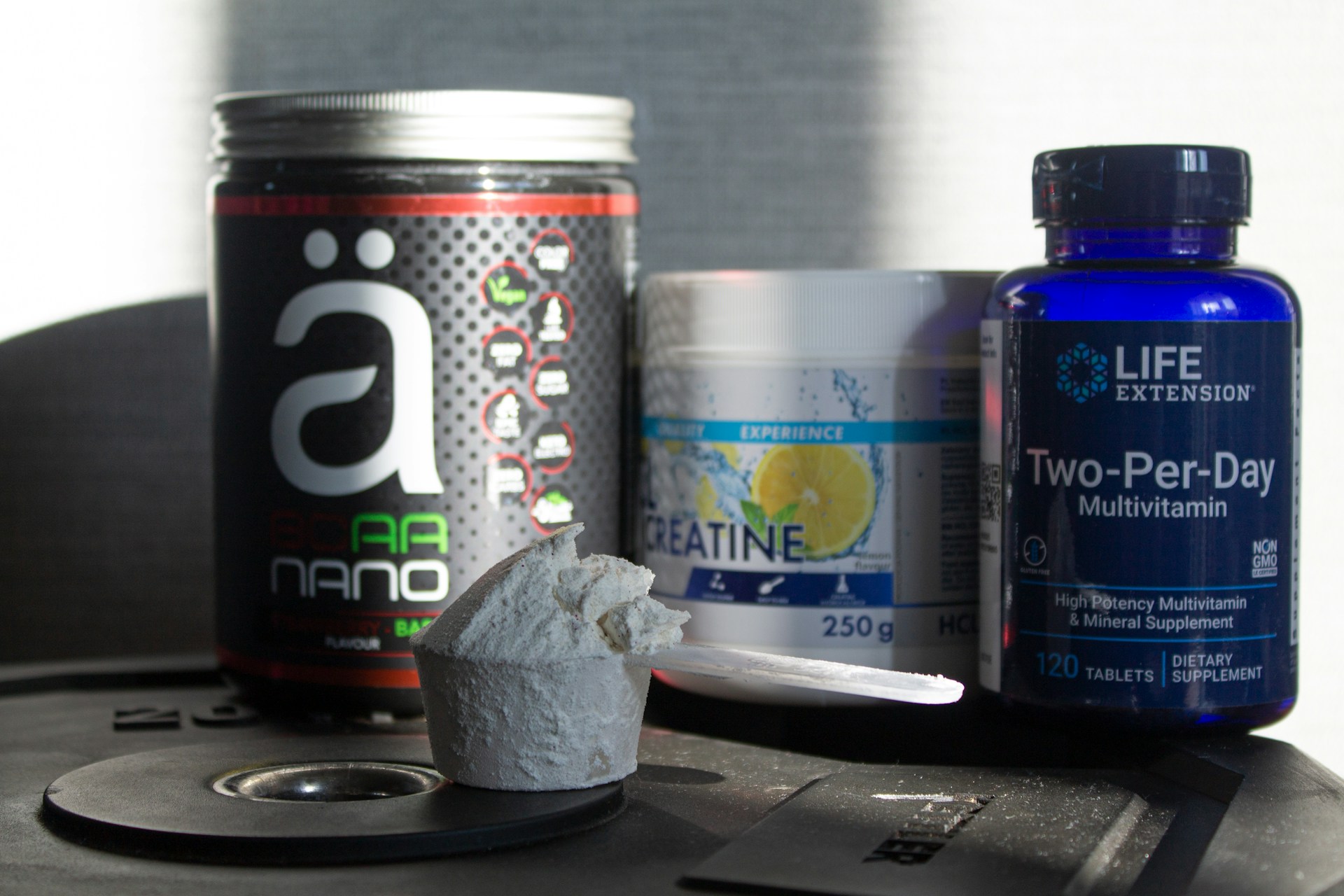
Some people use amino acid supplements if they cannot get enough protein from food. Supplements give your muscles essential amino acids fast. They help your body build muscle and heal after exercise. Studies show supplements help your muscles grow better than some foods. Supplements are easy to digest. They are good for people who cannot have milk.
| Evidence Type | Findings |
|---|---|
| Muscle Protein Synthesis | Supplements help muscles grow better than some foods |
| Absorption Rate | Supplements go into your muscles very fast |
| Digestibility | Supplements are easy for your body to use |
| Efficiency | Supplements help muscles grow more than some foods |
| Essential Amino Acids | Good supplements help muscles heal and grow |
Note: Talk to your doctor before using supplements, especially if you have health problems.
Balanced Diet Tips
You can get enough essential amino acids by eating many foods. Pick complete proteins like eggs, dairy, chicken, and soy. If you do not eat animal foods, mix plant foods to get all the amino acids. Try to eat protein at every meal. Drink milk or eat yogurt for breakfast. Add beans or tofu to lunch and dinner. Snack on nuts or seeds.
- Eat different kinds of protein every day.
- Mix plant foods to get complete proteins.
- Eat some protein at every meal.
Eating many healthy foods helps your body stay strong, heal, and grow.
You need all nine essential amino acids for strong muscles, healthy tissues, and good energy. When you meet your daily needs, you support muscle repair, better mood, and restful sleep. Try these tips to get enough every day:
- Eat complete proteins like eggs, dairy, meat, or seafood.
- Mix plant foods such as beans, nuts, seeds, and whole grains.
- Add foods like Greek yogurt or fish to meals and snacks.
Pay attention to your protein choices. Balanced nutrition helps you feel your best every day! 🥚🍗🌱
FAQ
What happens if you do not get enough essential amino acids?
You may feel tired or weak. Your muscles may not heal well. You could get sick more often. Your hair and nails may become weak. Eating a variety of protein foods helps you avoid these problems.
Can you get all essential amino acids from plants?
Yes, you can. Some plant foods like soy and quinoa have all nine essential amino acids. You can also mix foods like beans and rice to get a complete protein.
Do you need to eat all nine essential amino acids at every meal?
No, you do not. Your body can use amino acids from different meals during the day. Try to eat a variety of protein foods throughout the day for best results.
Are amino acid supplements better than food?
Supplements can help if you cannot eat enough protein. Most people get enough from food. Whole foods give you other nutrients, too. Talk to your doctor before using supplements.
How much protein do you need each day?
Most people need about 0.8 grams of protein per kilogram of body weight. Athletes or people who exercise a lot may need more. Ask your doctor or a dietitian for advice.