You want to know what is in your food. Clean label food preservatives help you see and trust your food. These ingredients keep food safe and fresh. They use sources that you know. More people want simple and natural foods. Companies use these solutions to give you what you want. The global market for these preservatives is growing fast, as shown below:
Market Size in 2026 | |
|---|---|
2026-2033 CAGR | 6.8% |
2033 Projection | USD 12.1 billion |
You can feel sure that these options focus on safety. They work well and follow food rules.
Key Takeaways
Clean label food preservatives come from nature. They use plants and fermentation. These preservatives keep food safe and fresh. They do not use synthetic chemicals.
More people want foods with clean labels. They like simple and familiar ingredients. They do not want long lists of artificial additives.
There are different clean label preservatives. Antimicrobials and antioxidants have special jobs. Antimicrobials stop food from spoiling. Antioxidants keep fats from going bad.
Picking clean label foods can help you eat healthier. These foods usually have fewer artificial ingredients. They also taste better.
The market for clean label preservatives is growing fast. Companies are looking for natural solutions. They want to give people safe and trustworthy food.
What are clean label food preservatives?
Definition and main features
Clean label food preservatives are not like regular ones. They come from things like plants or are made by fermentation. You might know these sources because they have familiar names. These preservatives help keep food safe and fresh. They do not use synthetic chemicals that some people want to avoid.
Some things make clean label food preservatives special:
Ingredient lists are shorter and use names you know.
There are fewer artificial additives or synthetic chemicals.
You can see what is in your food more easily.
Food keeps its taste, texture, and stays safe.
Clean label food preservatives help food last longer. They also keep the flavor and quality good. You can trust these ingredients because companies use less processing. This makes food feel more natural.
Why clean label matters
People care about what they eat. Many now check food labels before buying anything. They want to know what is inside their food. This has changed how companies make and label food. Clean label food preservatives are important for this change.
Did you know? Most people think clean label foods are healthier and more trustworthy. They like foods with natural ingredients and clear labels.
Here is a table that shows how people read food labels:
Statistic | Percentage |
|---|---|
Consumers who read labels and it impacts shopping habits | |
Regularly read labels for specific ingredients | 28% |
Read labels for hot button ingredients (sugar, protein) | 22% |
Look for artificial ingredients | 19% |
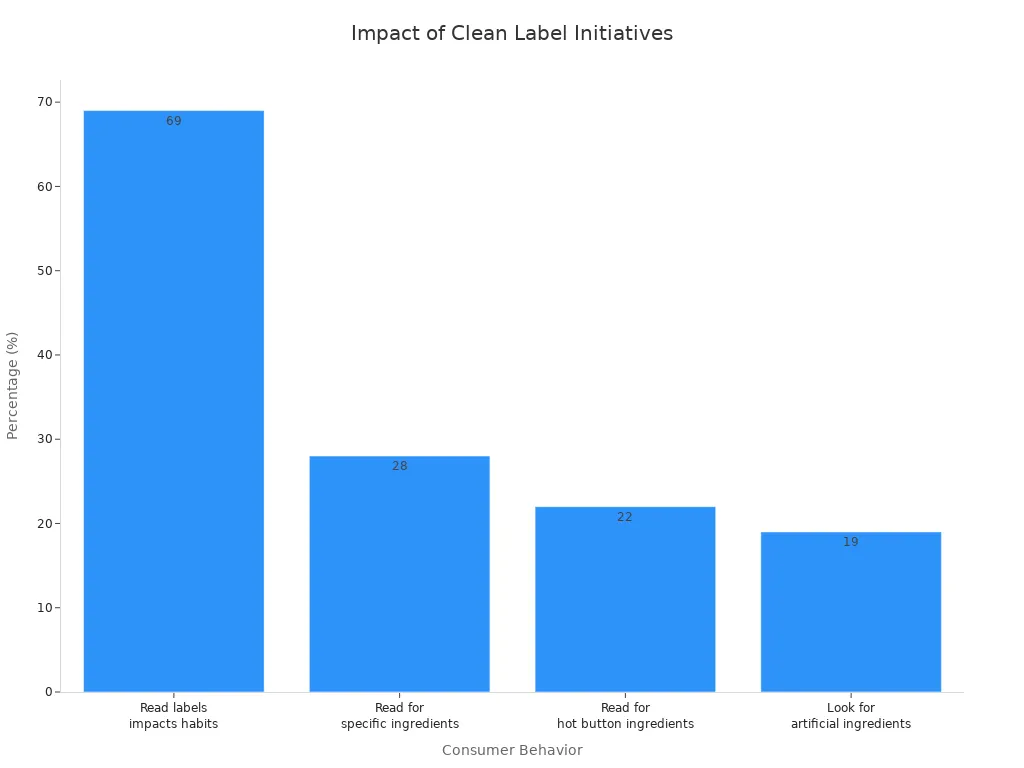
Many people want to stay away from long ingredient lists and processed foods. Two out of three people eat fewer packaged sweets to be healthy. Four out of ten check labels to watch sodium and sugar. You might do this too when you shop.
Clean label food preservatives help you pick better foods. They let you choose what you eat. You can feel sure your food is safe, fresh, and made with ingredients you trust.
Types of clean label food preservatives
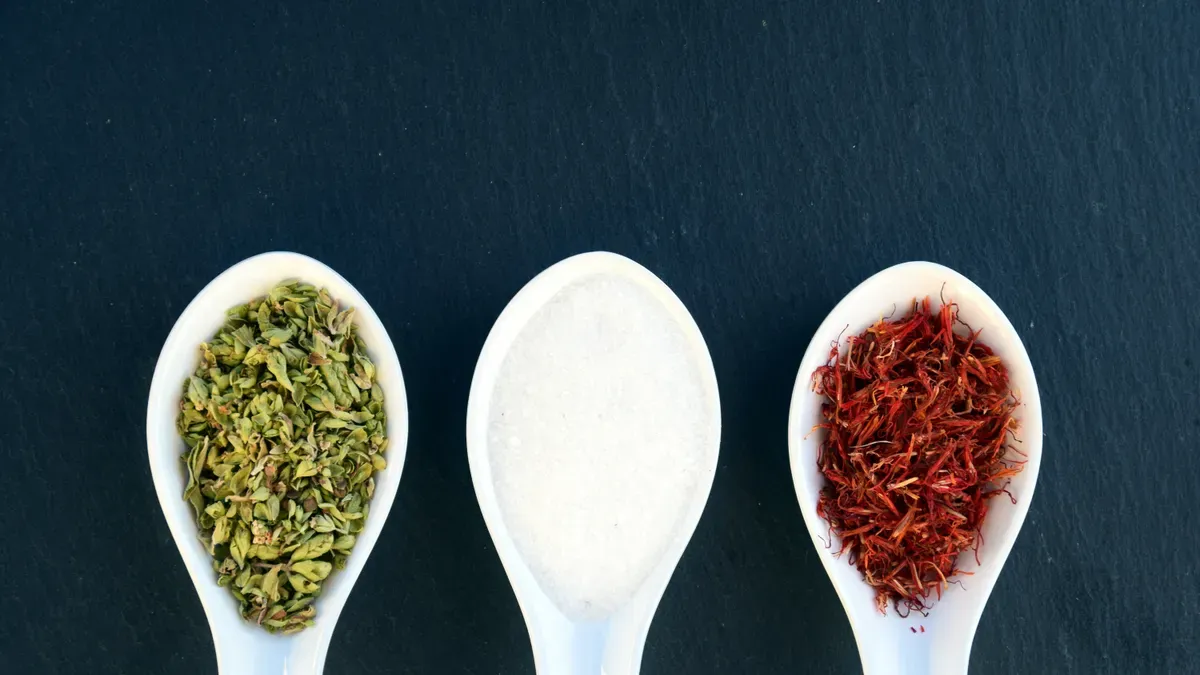
You can find different clean label food preservatives in foods you like. Each kind helps keep food safe and fresh in its own way. Let’s learn about the main groups and how they work.
Antimicrobials vs antioxidants
Antimicrobials and antioxidants protect your food, but not in the same way. Antimicrobials stop bacteria, yeast, and mold from growing. Antioxidants keep fats and oils from spoiling. This helps food taste good and look fresh.
Here is a table to show the differences and examples:
Type | What They Do | Examples |
|---|---|---|
Antimicrobials | Stop bacteria, yeast, and mold from growing | Propionic acid, Benzoates, Sorbates |
Antioxidants | Prevent fats and oils from spoiling | BHT, BHA, TBHQ, Propyl gallate |
You see antimicrobials in dairy, meats, and processed foods. Antioxidants are used in oils, sauces, snacks, and drinks. Both types help food stay safe and tasty for longer.
Fermentation-derived options
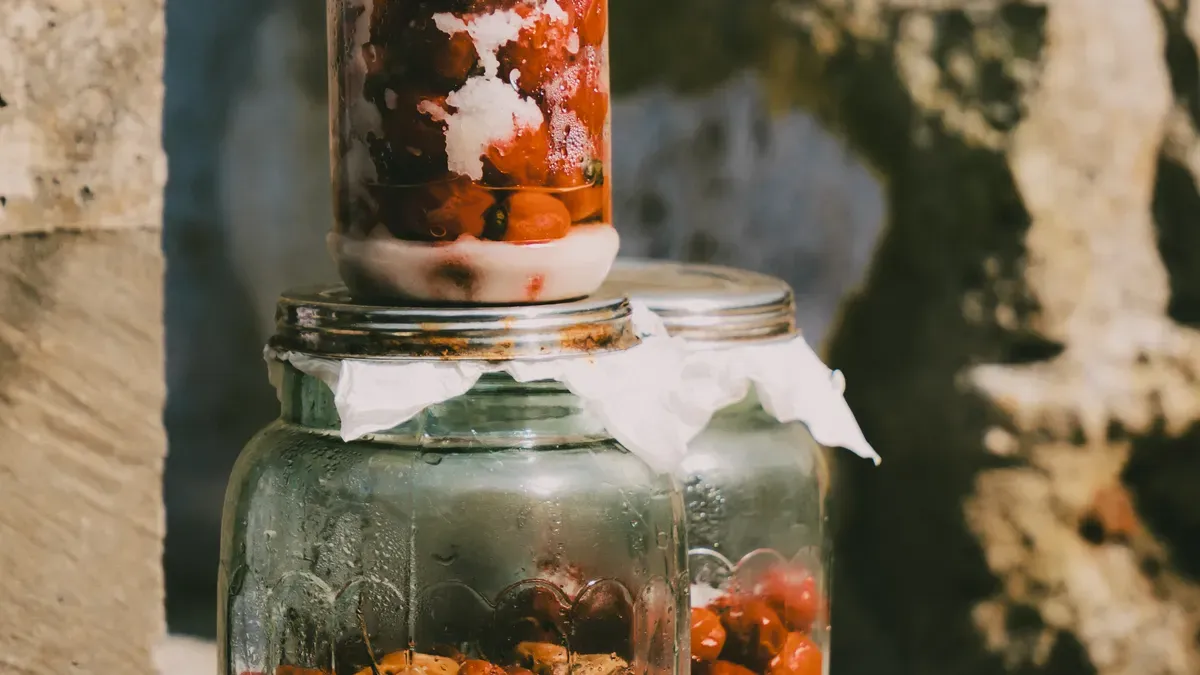
Fermentation is another way to keep food fresh. Good bacteria or yeast make natural acids and other compounds. These slow down spoilage and stop bad microbes.
Natural preservatives from fermentation help control spoilage.
They stop bad microbes, slow oxidation, and block enzymes that break down food.
Many companies use fermentation-derived preservatives in clean label food preservatives. You can find them in bread, yogurt, and snacks. For example, Corbion’s showcase showed these ingredients work well in bakery products. You get food that lasts longer without artificial chemicals.
Plant-based preservatives
Plants give us strong ways to keep food safe. Many plant extracts and oils have natural compounds that fight germs and spoilage.
Some of the best plant-based preservatives are:
Essential oils from rosemary and oregano, which fight germs.
Organic acids like citric and lactic acid, which lower pH and stop microbes.
Nisin, a natural protein that fights bacteria.
Extracts from rosemary, grapefruit seed, and green tea, which act as antimicrobials and antioxidants.
Citrus and green tea extracts, which help keep food fresh.
You find these plant-based preservatives in dairy, meats, sauces, and drinks. They help you eat food with fewer artificial ingredients.
Organic acids and salts
Organic acids and their salts are important in clean label food preservatives. These ingredients lower the pH of food. This makes it hard for germs to grow. Propionic acid is a common choice. It makes food more acidic and enters microbe cells to stop them.
You see organic acids and salts in bread, cheese, and processed meats. They help keep food safe and fresh for longer.
Tip: If you pick foods with clean label food preservatives, you get products that use natural and familiar ingredients to keep your food safe.
Here is a table showing some common types and where you might find them:
Type of Preservative | Benefits and Applications |
|---|---|
Antioxidants | Prevent oxidation, keep flavor and color; used in oils, sauces, snacks, beverages. |
Antimicrobials | Stop germs from growing; used in dairy, meats, and processed foods. |
Plant-based extracts | Control spoilage and germs; used in dairy, meats, sauces, and drinks. |
Clean label food preservatives give you many ways to keep food safe, fresh, and tasty. Each type has its own strengths and uses. You can enjoy lots of foods with confidence.
Applications in food
Bakery and snacks
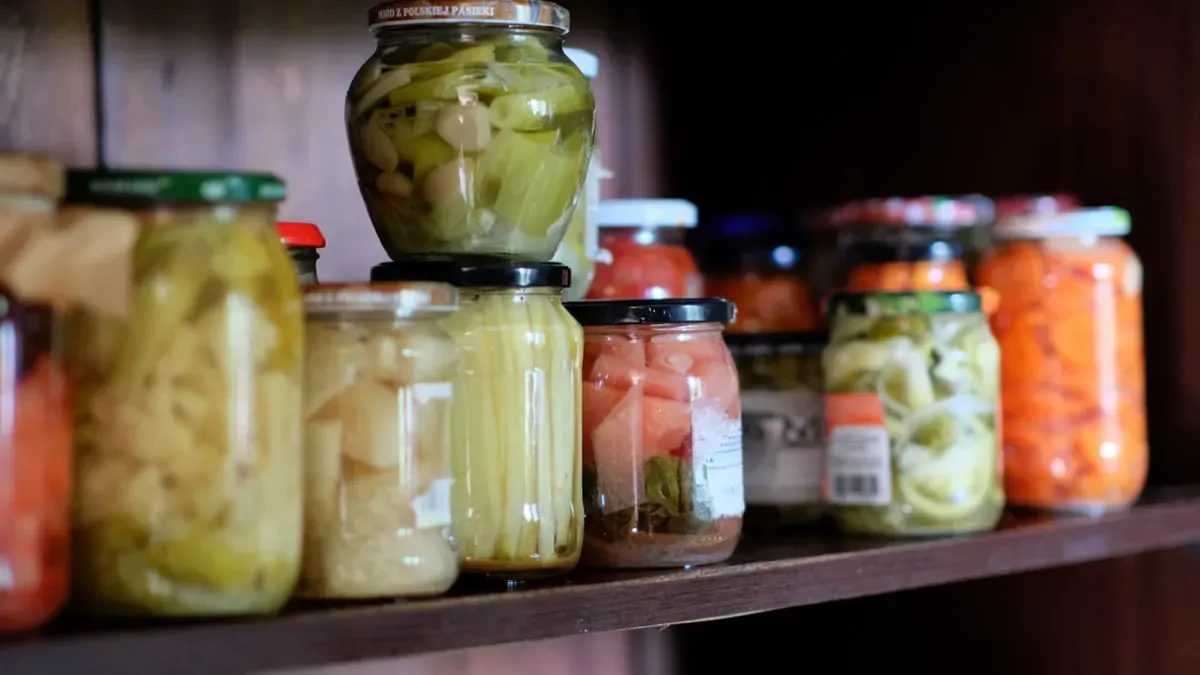
Clean label food preservatives are common in bakery and snacks. These foods spoil fast because mold and yeast grow quickly. Bread and snacks need preservatives to stay fresh. Without them, bread can go bad in just a few days. Natural solutions like lactic acid help control pH and stop spoilage. Sourdough fermentation also helps keep bread safe. Enzyme technology keeps bread soft and fresh longer. Many bakeries use these natural ways to give you safe ingredients.
Mold is a big problem for bread and snacks.
Natural preservatives and fermentation help food last longer.
Enzyme technology keeps bread fresh and cuts down on waste.
Dairy and beverages
Dairy and drinks need strong protection from spoilage. You want milk, cheese, and drinks to taste good and be safe. Nisin is a popular choice because it fights bad bacteria. It does not change the taste or texture of food.
Nisin is known for fighting foodborne germs and making food last longer. It does not change how food tastes or feels. Groups like the FDA and EFSA say it is safe and useful.
People now want clear labels and natural ingredients in dairy and drinks. Clean label food preservatives help you enjoy these foods and feel safe.
Meat and seafood
Meat and seafood have many safety problems. You need to stop bacteria and spoilage. Natural preservatives from fermentation help keep these foods safe. Companies use biotechnology and local sources to find better ways. They also follow food safety rules in each country.
Different meats need different preservatives to stay safe.
Natural options can cost more but help the planet.
Companies teach you about the good things in clean-label meats.
Sauces and ready meals
Sauces and ready meals must stay fresh when stored or reheated. You want these foods to taste good and be safe. Clean label food preservatives help stop germs and oxidation. Plant-based antimicrobials and antioxidants keep sauces and meals fresh. They do not change the flavor or color.
Natural preservatives help sauces and meals last longer.
They keep food safe and give you simple, clear ingredients.
Plant extracts help stop yeast, mold, and rancidity.
Here is a table that shows how clean label food preservatives are used in different foods:
Food Category | Main Focus | Market Share (%) |
|---|---|---|
Bakery and confectionery | Mold control, shelf life | 29.0 |
Dairy and dairy alternatives | Microbe control, flavor protection | 23.0 |
Processed and ready meals | Storage time, reheating stability | 20.0 |
Meat and meat alternatives | Germ control, oxidation prevention | 16.0 |
Beverages | Clarity, flavor protection | 12.0 |
You can see clean label food preservatives are important in many foods you eat.
How to choose clean label food preservatives
When you pick clean label food preservatives, you need to think about a few things. Each choice can change how safe your food is. It also affects taste and if people like your food.
Safety and regulations
You must follow food safety rules. These rules are not the same everywhere. For example:
Region | |
|---|---|
US | FDA’s GRAS program, extra checks for synthetic preservatives |
EU | European Food Safety Authority reviews and limits some preservatives |
Global | Codex Alimentarius standards for safety and labeling |
Tip: Always check the rules in your country. Also check rules where you want to sell your food.
Effectiveness and shelf life
You want your food to stay fresh and safe. Some preservatives work better in certain foods. Bread needs strong antimicrobials because it has lots of moisture. Dry snacks need help to stop fats from spoiling. You may need more natural preservative than synthetic to get the same result.
Preservative Type | Effectiveness | Applications |
|---|---|---|
Botanical Antimicrobials | 30-50% shelf-life boost | Meat, cheese, bakery, fresh produce |
Fermentation-derived | Stops Listeria, little taste change | Ready-to-eat meats, dairy, meals |
Organic Acids | Works in many foods | Sauces, high-heat foods |
Impact on taste and texture
You want your food to taste and feel good. Clean label preservatives help keep flavor and texture. For example:
Food Product Type | |
|---|---|
Baked Goods | Keeps fresh-baked flavor |
Dairy Products | Keeps quality and probiotics |
Canned Foods | No change in taste or feel |
Beverages | Keeps taste and stability |
Cost and scalability
Natural ingredients can cost more than synthetic ones. Sometimes it is hard to get enough natural ingredients. Some are only available at certain times. You need to plan for these costs. Make sure you can always get what you need.
Consumer acceptance
People want food that is safe and tasty. They also want ingredients they know. In North America and Europe, people look for natural and organic foods. In Asia Pacific, people trust foods made with fermentation. You should pick preservatives your customers like.
Description | |
|---|---|
Functional performance | Keeps food quality in different conditions |
Label appeal | Non-GMO, fits special diets, builds trust |
Nutritional and wellness appeal | Recognized by shoppers, helps make food healthier |
Remember: The best preservative depends on what you make, where you sell it, and what your customers want.
Natural alternatives to conventional preservatives
Common natural options
There are many natural ways to keep food fresh. These do not use fake chemicals. Some of the most common choices are:
Citric acid comes from fruits like lemons and grapefruits.
Ascorbic acid is also called vitamin C.
Vinegar helps slow down bacteria.
Rosemary extract keeps fats and oils from going bad.
Salt takes away water so bacteria cannot grow.
Sugar pulls out water to stop food from spoiling.
Honey has little water, so germs cannot live in it.
Spices like cloves and cinnamon fight off microbes.
You can find these in meats, baked goods, candies, and snacks. They help food last longer when it is moved or stored. You also get to taste the real flavor of your food.
Innovations and trends
There are new ideas for using natural preservatives. Many companies use plants, microbes, or both together. Fermentation-derived ingredients are becoming more popular. Bacterial cultures and extracts make these work better. Food makers and ingredient suppliers work together to add these to more foods.
Natural preservatives come from things you know. They keep food safe by stopping germs and spoilage. These choices are often safer and better for the earth than synthetic ones.
Tip: Look for new clean label food preservatives. Some use advanced fermentation and plant extracts. These can keep your food fresh without changing the taste.
Sustainability considerations
Natural preservatives help make food systems more sustainable. You get these from plants, animals, or tiny living things. They stop germs and slow down food going bad. People want foods with clean labels and less processing. This makes companies use more natural preservatives. It also helps make food production better for the planet.
When you pick foods with natural preservatives, you help the earth. You also support a cleaner and more open food supply.
Challenges in clean label formulation
Limitations of natural preservatives
Using natural preservatives can be tricky. You often need more natural preservative than synthetic ones. This can change how your food tastes or looks. Sometimes, you must use two to five times more natural preservative. This makes your food cost more. It can also affect the texture and flavor.
Food makers have trouble with shelf life. When they switch to natural ingredients, they must change the recipe. It is hard to keep food fresh for a long time. People want simple labels, but they also want tasty food that lasts.
Here is a table showing the main challenges:
Challenge Type | Description |
|---|---|
Balancing Microbial Challenges | You must think about germs in different foods and how long they last. |
Cost Management | Natural preservatives cost more because you need to use more. |
Regulatory Compliance | You must follow rules in each country if you want to sell food everywhere. |
Maintaining Product Quality | You need to keep food tasty and safe while using simple, natural ingredients. |
Balancing cost and performance
You want food that is safe, tasty, and not too expensive. Natural preservatives can cost more because you need to use more. Sometimes, these ingredients are hard to find or prices go up. This can make clean label foods cost 15% to 40% more than regular foods.
Food makers try to balance cost and performance. Some use Nutrinova® sorbates. These protect food from germs and do not change taste or texture. They also fit natural and organic food rules. This helps keep food safe and makes customers happy.
Tip: Picking the right preservative helps you get food that is good and affordable.
Future outlook
You will see more clean label foods soon. The market for these preservatives is growing fast. Experts think it will almost double in ten years. More people want natural and safe foods. Companies are investing in organic acids, fermentation, and plant-based solutions.
You can expect more foods with simple labels and fewer artificial additives. New rules and better technology will help make these foods safer and cheaper. The future looks bright for clean label food preservatives.
You now know that clean label food preservatives come from natural sources. These help keep your food safe and fresh. Some types are plant-based, fermentation-derived, and organic acids. You can find them in foods like bread and dairy. Clean label choices have many good points.
You can trust your food more and see what is in it.
Brands get a big boost by using these ingredients.
Health trends make people want natural ingredients.
There are some problems, like higher prices and food not lasting as long. But new ideas and better technology will bring even better clean label foods soon.
FAQ
What does “clean label” mean on food products?
“Clean label” means the package shows simple ingredients. You can read the list and understand it. Companies use fewer fake additives. This helps you trust your food more.
Are clean label preservatives safe for you?
Yes, clean label preservatives come from natural sources. Groups like the FDA and EFSA check them for safety. You can feel sure when you see these on your food.
Do clean label preservatives change the taste of food?
Most clean label preservatives keep the taste and texture the same. Some, like rosemary extract, might add a light flavor. You usually will not notice much change.
Can you find clean label preservatives in all types of food?
You can find clean label preservatives in bread, dairy, meat, snacks, and drinks. Many companies use them because people want natural and safe foods.
How do you know if a food uses clean label preservatives?
Tip: Look at the ingredient list. Find names you know, like vinegar, citric acid, or rosemary extract. If you see simple words, the food probably uses clean label preservatives.