The world market for plant-based amino acid ingredients will hit $8.5 billion by 2026. Experts predict global sales to top $14.2 billion by 2033. The market grows at a 7.6% rate.
Market Insight: Single plant proteins have clear food limits. Grains lack enough lysine. Beans have low sulfur amino acids.
Food makers fix this problem. They mix different plant proteins together. They also make foods with pure Amino Acid Ingredients. This process creates full protein value. It improves fake meats and plant milk. This push helps the market grow fast.
Key Takeaways
Global plant amino acid sales will hit 14.2 billion by 2033.
Food makers use pure amino acids in plant meat and milk.
Suppliers make clean amino acids from plant sugars using green tech.
Asia-Pacific leads world production of these plant-based amino acids.
Companies update plant foods to equal the nutrition of real meat.
Amino Acid Ingredients Market Overview
Global Market Valuation and Forecasts (2026-2033)
The world market shows big financial growth. Regional use shapes market data.
Region | 2026 Valuation (USD) | 2033 Forecast (USD) | Projected CAGR (2026-2033) |
|---|---|---|---|
Asia-Pacific | $3.4 Billion | $6.0 Billion | 8.4% |
North America | $2.6 Billion | $4.2 Billion | 7.1% |
Europe | $1.8 Billion | $2.9 Billion | 7.0% |
Rest of World | $0.7 Billion | $1.1 Billion | 6.6% |
Asia-Pacific grows fastest. Plants there ship materials worldwide. North American shoppers want enhanced food. European green rules boost local sales.
Industry Note: Tech advances cut production costs. Suppliers make more goods. They meet shifting protein needs.
Impact of Alternative Protein Adoption on Demand
Diet changes reshape food creation choices. Plant proteins miss key nutrients. Companies add specific Amino Acid Ingredients now. They use them in fake meats. This step restores total health value.
Plant Protein Base + Targeted Amino Acid Ingredients = Complete Protein Profile
Buyers expect plant foods to match meat. Special blends improve basic soy and pea. Brands order more food additives today. They want loyal customers.
Primary Market Drivers and Trends
Growth of Functional Foods and Alternative Proteins
People worldwide now pick vegan diets. Many also try flexitarian eating habits. Shoppers want healthy food every day. Earth issues guide their food choices. People buy top functional foods now. Stores stock new meat substitutes today. Yet basic plant proteins lack nutrients. Animal meat provides better total nutrition. Plant milk often has less protein. Plant meat also lacks full protein. Makers must upgrade these daily foods. They satisfy rising customer expectations soon.
Amino Acid Profiling and Protein Complementation Strategies
One plant source misses key nutrients. Wheat protein lacks enough lysine. Soy protein lacks good methionine levels. Food makers combine smart protein strategies. They also use focused fortification now.
Formulation Tip: Mixing distinct plant bases with specific individual additives balances nutrient gaps efficiently.
Scientists mix pure Amino Acid Ingredients inside. They add them to plant recipes. This plan fixes weak protein profiles. Plant burgers get meat-like health value. Dairy swaps gain equal nutrient levels. Thus, buyers get total nutrition easily. They keep their plant eating habits.
Sourcing Amino Acid Ingredients from Plant Fermentation
Old chemical methods once made nutrients. Today, top suppliers use bio-fermentation tech.
Plant Sugars + Beneficial Microbes ➔ Fermentation Tank ➔ Pure Bio-Based Amino Acids
Tiny microbes process cheap plant sugars. Bioreactors use corn glucose or molasses. This clean method yields pure items. Fermentation cuts carbon output very fast. It beats old chemical factory steps. Makers build green supply chains now. They hit tough global green goals.
Segment Insights and Application Dynamics
Segment Breakdown by Source and Product Type
Various items fill key nutrition roles. Food makers process glutamic acid now. It improves savory flavor in plants. L-lysine sales rise steadily today. Cereal grains lack high levels. Soybeans contain much lysine instead. Yet beans lack enough L-methionine. Companies add branched-chain Amino Acid Ingredients now. They use L-leucine and L-isoleucine. They also add L-valine. These build sports recovery mixes fast. Adding special pure elements fixes plant gaps.
Technical Note: Mixing matching crops fixes plant protein gaps.
Grade Analysis: Food, Feed, and Pharmaceutical
Purity rules split chemical manufacturing into three tiers:
Feed Grade: Farms purchase cheap supplies for animal growth.
Food Grade: Plant meat makers select ultra-clean items. They upgrade vegan milk and human food.
Pharmaceutical Grade: Drug makers need pure items for medicine. They use them for surgery recovery.
End-Use Applications in Meat and Dairy Analogues
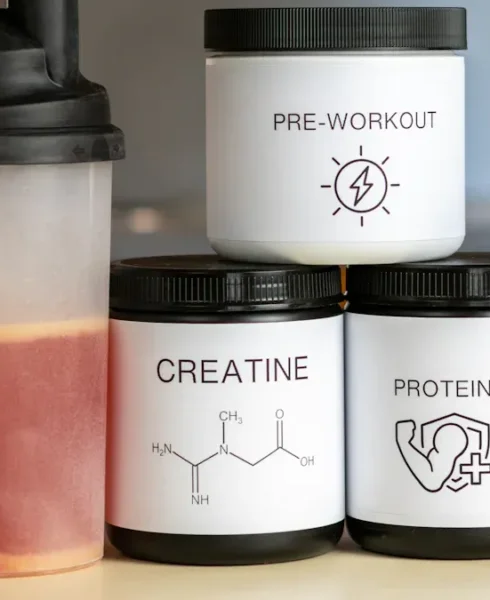
Many industries drive market growth today. Sports brands add Amino Acid Ingredients to shakes. They speed up muscle repair after workouts. Food firms improve vegan cheese and meat. They deliver balanced protein options now. Supplement brands craft wellness pills for vegans. Lastly, feed makers boost livestock diets globally. 🥦
Regional Market Performance
Asia-Pacific Raw Material and Fermentation Capacity
Asia-Pacific leads world production. Local farms grow cheap corn. They raise cassava and sugarcane. China and Japan build huge factories. They make pure amino acids cheaply. They process L-lysine and L-threonine. They make glutamic acid too. Local plants grow fast now. They ship low-cost plant parts globally.
Regional Insight: Asia-Pacific makes over 60% of bio-fermented amino acids. It drives global supply chains.
North American Demand for Sports Nutrition
North America buys the most amino acids. Active people buy vegan workout supplements. Canadians and Americans like them. Buyers want branched-chain amino acid blends. These boost fast muscle repair.
Fitness Trends ➔ Higher Demand for BCAAs ➔ Increased Plant Fortification
Brands enrich plant protein powders. They boost snack bars and drinks. Companies swap old whey additives. They use pure vegan amino acids. This pleases healthy, clean-label shoppers.
European Regulatory Trends and Alternative Protein Innovation
European leaders make strict eco laws. They enforce tough food safety rules. These steps push green plant meats. European firms fund fake meat tech.
Patent data shows this big shift:
Decadal Growth: Plant protein patents grew 960% recently.
Annual Increase: The sector grows 32% each year.
Strict laws favor pure fermented items. Synthetic choices fall behind now. European makers mix plant proteins. They add clean bio-based ingredients. This creates green food for flexitarians. 🌍
Competitive Landscape and Future Outlook
Strategic Partnerships and Production Scale-Up
Big industrial suppliers control the global market. Companies quickly expand fermentation plants now. They meet rising alternative protein demand. ADM and Ajinomoto Co., Inc. lead bio-fermentation. Evonik Industries AG makes pure specialty items. Kyowa Hakko Bio Co., Ltd. does too. Chemical ingredient makers join plant food creators. These business deals speed up product creation.
Market Leader Overview: Key producers control bulk manufacturing through integrated facilities:
Ajinomoto Co., Inc.: Scales fermentation capacity for essential food-grade inputs.
Archer Daniels Midland Company (ADM): Utilizes vertically integrated agricultural networks.
CJ CheilJedang Corp.: Expands large-scale lysine and methionine supply lines.
Evonik Industries AG: Supplies advanced specialty nutrients for food and pharmaceuticals.
Fufeng Group Limited increases global item access. MeiHua Holdings Group Co., Ltd. does also. Koninklijke DSM N.V. expands overall market reach. Corporate spending lowers costs for new brands.
Sustainability and Supply Chain Resiliency Through 2033
Chemical makers switch to green bio-fermentation methods. Green factories use local farm crop waste. Corn glucose works well as plant food. This green method protects supply chains well. Alternative protein brands order special Amino Acid Ingredients. They fortify basic plant foods very reliably. Clean-label rules guide strategic supply choices.
Agricultural Byproducts ➔ Green Fermentation ➔ Pure Amino Acid Ingredients ➔ Secure Food Chains
Suppliers build regional fermentation plants nearby. Local making cuts long shipping costs fast. It reduces carbon output through 2033. Food makers secure steady ingredient supplies easily. They meet tough green targets on time. Upgraded fermentation tech drives market growth soon. 📈
Closing amino gaps in plant foods creates big growth. Suppliers gain huge new market options through 2033. Food makers must mix matching crops smartly now. They add pure Amino Acid Ingredients to foods. This easy process builds full nutrient health profiles fast.
Strategic Perspective: Food firms must invest money in green fermentation tech. Expanding clean production guarantees strong future supply chains. It also satisfies growing global consumer hunger tomorrow. 🌿
FAQ
Why do food manufacturers add extra amino acid ingredients to plant-based products?
Key Takeaway: Single plant sources miss essential dietary nutrients.
Grains lack lysine. Beans lack methionine. Makers mix plant bases. They add Amino Acid Ingredients. This process creates full proteins. It matches meat and dairy nutrition. 🥩
How do suppliers produce sustainable plant-based amino acid ingredients?
Suppliers use bio-fermentation tech today. They skip old chemical steps.
Cheap Plant Sugars + Microbes ➔ Fermentation Tanks ➔ Pure Bio-Based Amino Acids
Tiny microbes eat plant sugars. Bioreactors turn them into pure nutrients. This green method cuts carbon fast. 🌾
What are the main commercial grades for amino acid ingredients?
Chemical makers refine three product tiers:
Feed Grade: Farmers buy cheap supplies for livestock growth.
Food Grade: Plant meat makers choose clean items.
Pharmaceutical Grade: Drug makers select ultra-pure items.
Which region dominates global bio-fermented amino acid production?
Region | Global Market Role | Key Ingredients Produced |
|---|---|---|
Asia-Pacific | Supply Leader (>60% share) | L-lysine, L-threonine, Glutamic Acid |
Asia-Pacific dominates global output. China and Japan build huge factories. They use cheap local crops. Factories ship low-cost supplies globally. 🌏