You pick fruit powders based on health, mixability, and price. Freeze drying uses cold air to keep pure fruit nutrition. It saves about 97% of Vitamin C. In contrast, spray dried fruit powder uses heat and carriers. This method gives you a fast and cheap mix. It also dissolves very quickly for your needs. Freeze drying gives you the cleanest pure product. Meanwhile, spray drying offers better work speed and easy melting.
Key Takeaways
Freeze drying uses cold air. This process protects natural vitamins and keeps pure fruit healthy.
Freeze-dried fruit powder contains zero added fillers. You get 100% real pure fruit ingredients.
Spray-dried fruit powder dissolves instantly in cold water. It makes drinks very smooth and fast.
Spray drying costs less money. It helps factories produce large amounts of flavor quickly.
Science of Fruit Powder Processing
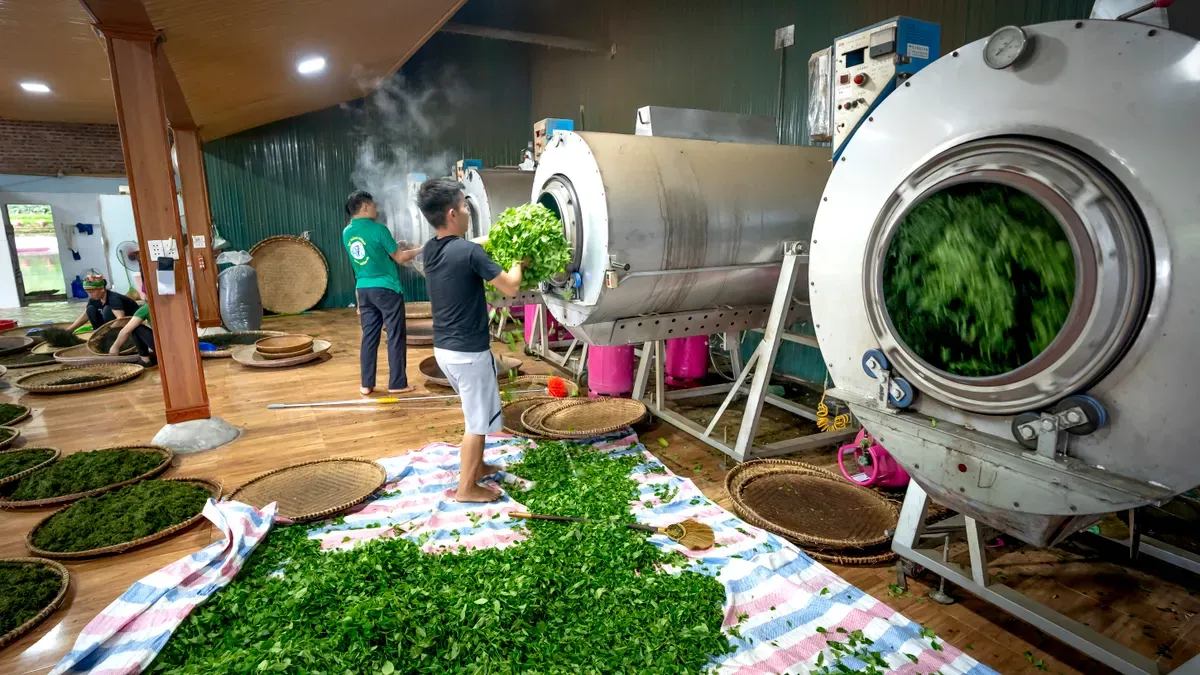
You turn fresh fruit into stable powders. Two main methods remove fruit water easily. Each way relies on basic physics rules.
Freeze Drying and Sublimation
Freeze drying uses a gentle technique. It is called lyophillization. First, freeze fruit at very low temperatures. Go below -40°F. This turns moisture into tiny ice crystals.
Next, place fruit in a vacuum chamber. The vacuum lowers air pressure fast. This change starts sublimation. Sublimation turns solid ice into water vapor. It skips the liquid state completely. You remove water without direct heat. Thus, you protect delicate plant cell walls. You keep pure natural nutrition intact.
Key Takeaway: Freeze drying uses cold temps and vacuums. It removes water gently through sublimation.
Thermal Atomization Method
Spray drying uses heat to dry liquids fast. First, blend raw fruit into smooth liquid. You often add carriers to stop stickiness.
Next, pumps push liquid through a nozzle. This step creates a fine mist. The mist enters a hot chamber. Hot air blasts through the room. It dries water from droplets instantly.
Liquid turns into dry particles in seconds. Makers love this thermal atomization method. It saves energy. It scales up easily. So, you make spray dried fruit powder fast. You can produce huge amounts without stopping.
Comparing Nutrient and Enzyme Retention
Nutrient density shows true powder value. Heat changes delicate fruit vitamins fast. Temperature creates huge nutritional gaps.
Vitamin C and Heat Degradation
Vitamin C breaks down in heat. Heat ruins ascorbic acid bonds fast.
Freeze drying protects delicate vitamins well. You keep about 97% Vitamin C. This cold process skips heat. You lock in natural fruit health.
Nutritional Fact: Freeze drying retains up to 97% of Vitamin C, whereas thermal spray drying destroys up to 50% of this delicate vitamin.
Spray drying uses hot air streams. Chamber heat goes over 300°F. Hot air ruins sensitive vitamins fast. You keep 50% to 70% Vitamin C. Thermal cycles destroy healthy fruit parts.
Antioxidant and Enzyme Stability
Antioxidants make fruit powders very healthy. Polyphenols and flavonoids stop cell damage. Enzymes help human food digestion. Both nutrients dislike high heat.
Freeze-Dried Powders: Cold steps protect active fruit enzymes. The icy vacuum protects proteins well. Antioxidants stay safe and strong. You get total biological power.
Spray-Dried Powders: High heat breaks down enzymes fast. Hot air changes molecules right away. Spraying cuts down antioxidant strength. The final powder loses health power.
Nutritional Component | Freeze Dried Powder | Spray Dried Powder |
|---|---|---|
Vitamin C Retention | ~97% High Retention | 50%–70% Moderate Loss |
Active Fruit Enzymes | Fully Preserved | Denatured / Inactive |
Antioxidant Potency | Maximum Capability | Reduced Potency |
Pick drying ways for health goals. Freeze drying helps healthy mixes best. Spray drying works for quick flavors.
Purity and Carrier Agents
Read ingredient lists carefully. Powder choice affects label purity.
Clean Label 100% Pure Fruit
Shoppers want simple foods now. Pure fruit powder looks best. Freeze drying needs zero added items. Cold vacuums keep fruit pure.
This table shows key label facts:
Parameter / Regulatory Factor | Freeze-Dried Fruit Powder | Spray-Dried Alternatives |
|---|---|---|
Processing Temperature | Sub-zero temperatures under vacuum | High heat exposure (150–180°C) |
Carrier Agents / Additives | None (100% pure fruit) | Requires carriers like maltodextrin or gum arabic |
Ingredient List Length | Single ingredient (“dragon fruit”) | Multiple ingredients (includes carriers) |
Pigment & Nutrient Retention | High retention (95–98% betacyanin retained) | Reduced retention (85–92% betacyanin remaining) |
Clean-Label Compliance | Fully transparent; supports “100% fruit” claims | Compromises single-ingredient declarations |
List just one ingredient easily. Print clear labels on packages. You get total fruit power.
Role of Maltodextrin Fillers
Sticky sugars clog warm machines. Spraying needs extra liquid carriers. Fillers change your final recipe:
Carrier Dilution Ratio: Spray dried fruit powder uses extra fillers. Starch or gum works well. Fillers take up much space. They form most final weight.
Purity Disparity: Spray powders contain many fillers. Freeze options have zero additives. You get full fruit content.
Formulation Tip: Fillers speed up drying times. Yet, fruit content drops low. Labels get much longer.
Balance cheap prices with purity. Spraying saves money today. Cold freeze drying stays pure.
Flavor, Color, and Sensory Integrity
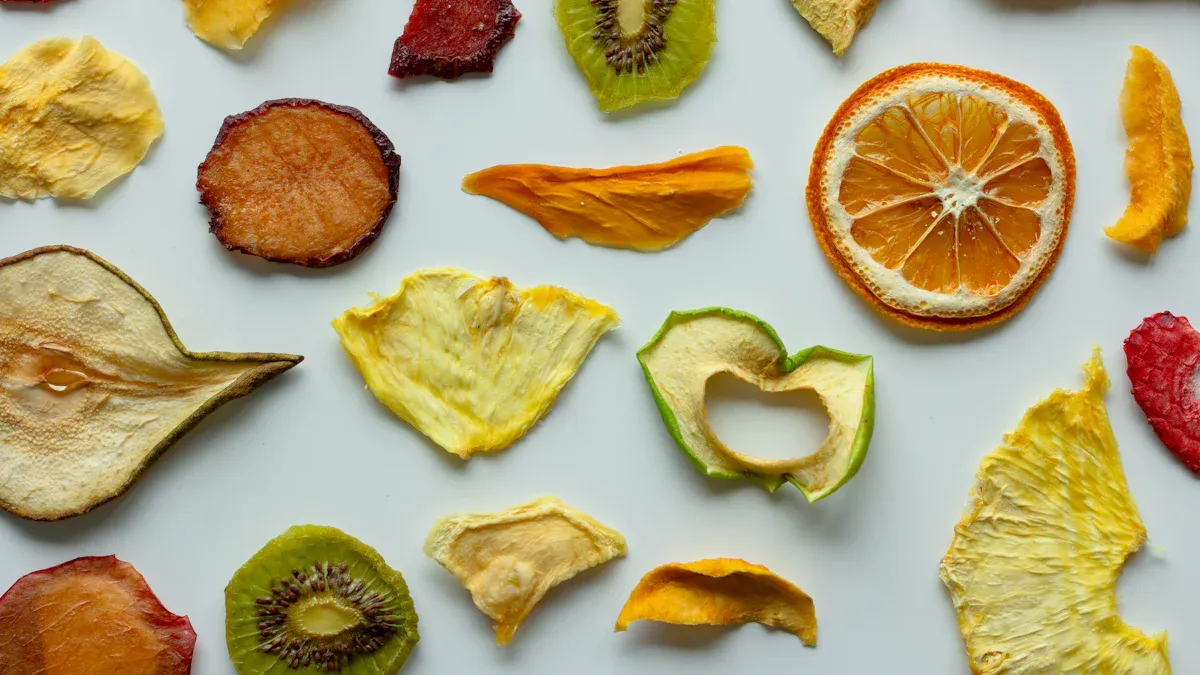
Shoppers test foods with eyes first. Taste buds also check food. Factory steps must shield senses. Drying ways change visual appeal. Processors alter taste profiles greatly.
Volatile Flavor Retention
Delicate fruit flavors rely on small aroma compounds. Strong heat ruins these fragile molecules fast.
Freeze drying works with cold ice. Sublimation pulls water away gently. Oils will not boil off. Natural essential oils stay safe inside. You seal pure fruit flavor fast. Your mix keeps authentic flavor.
Spray drying heats liquid fruit fast. Hot air cooks off scent compounds. Fragile aroma molecules disappear fast. Thermal atomization destroys soft notes. Makers must add fake flavors later. Synthetic scents restore lost flavor profiles.
Color Brightness and Appearance
Visual appeal increases food sales. Anthocyanins give fruits bright red shades. Carotenoids add warm orange tones.
Sensory Fact: Heat ruins natural fruit colors. Oxygen destroys bright plant shades. Cold drying techniques keep colors bold.
Old air drying turns powders dark brown. Dull colors look unappealing fast. Modern techniques protect true visuals better:
Freeze-Dried Powders: You keep natural cell structures intact. Dry powders show bright fruit shades.
Spray-Dried Powders: Heat lightens raw liquid pigments slightly. Spray dried fruit powder dissolves in water instantly. It yields bright, even color fast.
Both methods show great color clarity. You mix them into drinks easily. Colors look far better than air-dried foods.
Sensory Attribute | Freeze Dried Powder | Spray Dried Powder | Standard Air Dried Powder |
|---|---|---|---|
Aromatic Flavor | 100% Authentic & Intact | Moderate Loss of Volatiles | Cooked / Bland Taste |
Dry Visual Appearance | Bright, Natural Fruit Color | Slightly Lighter / Uniform | Dark, Dull, Brownish |
Reconstituted Color | Vibrant & Natural | Comparable High Brightness | Poor Color Clarity |
Physical Characteristics and Functionality
Physical traits change powder behavior in food recipes. Particle shapes alter powder dissolution, mixing, and storage.
Water Solubility and Texture
Mix speeds change drink prep work fast. Spray dried fruit powder has tiny round particles. Carriers like maltodextrin sit inside them. Fine particles dissolve in cold water instantly. You get smooth liquids and clear iced teas. Blends stay uniform with zero grit.
Freeze drying builds porous sponge shapes instead. You crush brittle dried fruits into granules. These particles keep natural plant fiber intact. You will spot light pulp in drinks.
Functional Tip: Pick spray-dried powders for clear drinks. Choose freeze-dried powders for natural fruit pulp.
Spray Dried: High solubility, smooth texture, zero sediment.
Freeze Dried: Moderate solubility, suspended particles, rich fiber.
Shelf Life and Moisture Absorption
Moisture control keeps your product stable. Both powders last long on shelves. Yet, humidity changes them differently.
Freeze-dried powders have open inner spaces. The porous structure pulls air water fast. You must use sealed high-barrier bags. Unprotected powder forms hard clumps fast.
Spray-dried powders resist humid air better. Carrier coatings shield all fruit particles. This layer slows water intake during packaging.
Physical Property | Freeze-Dried Powder | Spray-Dried Powder |
|---|---|---|
Particle Structure | Porous & Irregular | Fine & Spherical |
Water Dissolution Speed | Slow (Requires stirring) | Instant (Rapid dispersion) |
Hygroscopic Sensitivity | Extremely High | Moderate |
Packaging Needs | Strict Airtight Vacuum Seals | Standard Moisture Barriers |
Choosing the Right Fruit Powder
Check your goals and budget first. Know your target audience, too. Both choices offer distinct perk points. Modern developers gain strong practical advantages.
Benefits of Spray Dried Fruit Powder
Big factories need low production costs. They want reliable supply chains. Spray drying cuts expenses fast. Systems handle large liquid amounts quickly. Rapid speeds yield direct money savings.
See normal market prices compared below:
Manufacturing Method | Processing Cost (per kg) | Typical Landed Cost (FOB Turkey, per kg) |
|---|---|---|
Spray-dried Fruit Powder | USD 1–3 | USD 4–12 |
Freeze-dried Fruit Powder | USD 3–8 | USD 12–35 |
Cheap costs make spray dried fruit powder smart. It fits budget-friendly retail products. This powder also offers great utility:
Advantage Category | Industry Rationale & Functional Benefits |
|---|---|
Economic & Production Efficiency | Supports fast production speeds. Removes water at low costs. |
Physical & Handling Quality | Keeps particle sizes very uniform. Improves quick liquid mixing rates. Works well in tough recipes. |
Storage & Logistics | Extends total shelf life limits. Cuts storage space needs down. Lowers shipping costs very easily. |
Formulation Performance | Keeps sensory traits steady. Maintains flavor, feel, and nutrition across all factory runs. |
Operational Advantage: Tiny round particles boost factory automation. Free-flowing powders flow cleanly through machines.
Premium Value of Freeze Dried Options
Top product lines need ultimate quality. Freeze drying gives supreme nutrient density. You get simple label designs. List pure fruit claims with ease.
This method avoids high heat entirely. You keep healthy natural cell structures intact. Active enzymes stay alive inside. Authentic fruit colors stay very bright. Health shoppers gladly pay extra money.
Clean-Label Superiority: Name just one fruit ingredient. Skip carriers and extra sugars easily. Avoid synthetic stabilizers completely.
Nutritional Integrity: Keep up to 97% Vitamin C. Serve pure health benefits directly.
Authentic Texture: Enjoy a thick natural mouthfeel. It feels like real fruit puree.
Pick freeze-dried powders for wellness goods. Use them in health supplements, too. They fit high-end organic snacks best.
Spray Dried Fruit Powder Applications
Big food brands use thermal atomization. Spray dried fruit powder fixes production problems fast. It helps liquid and dry foods.
Find this useful ingredient across major industries:
Mass-Market Instant Drinks: The powder melts in cold water fast. Make clear iced tea drinks easily. Mix sports drinks without pulp sediment.
Confectionery and Candies: Soft gummies demand smooth textures. Fine grains spread color evenly. Flavor mixes well in hot syrup.
Dairy and Bakery Coatings: Dust dry flavors onto sweet donuts. Mix powders into creamy yogurt bases. Bake fruit flavors into cake batters.
This method gives three key factory fixes:
Superior Powder Characteristics: Powders flow smoothly into factory systems. They dissolve quickly in pure water.
Sensory Preservation: Spraying keeps bright plant colors safe. It shields real fruit flavors well.
Operational Handling: Raw materials stay very stable. Simple stock handling speeds up factory work.
Side-by-Side Comparison Matrix
Compare both options easily. Pick the right fruit powder. Each process brings unique food perks.
This clear chart compares both ways:
Evaluation Factor | Freeze-Dried Fruit Powder | Spray-Dried Fruit Powder |
|---|---|---|
Primary Process | Sublimation under cold vacuum (-40°F) | High-heat thermal atomization (300°F+) |
Carrier Requirement | 0% Carriers (100% pure fruit) | Requires carriers (Maltodextrin/Gum Arabic) |
Vitamin C Retention | Very High (~97%) | Moderate (50%–70%) |
Solubility Speed | Moderate (Leaves pulp sediment) | Instant (Complete dissolution) |
Moisture Sensitivity | Extremely high (Needs foil barriers) | Moderate (Standard packaging) |
Average Production Cost | Premium / High ($12–$35 per kg) | Budget-Friendly / Low ($4–$12 per kg) |
Ideal Product Label | Single-ingredient clean label | Multi-ingredient functional formula |
Decision Summary: Pick freeze drying for pure nutrition. It keeps simple ingredient lists. Choose spray drying to lower costs. It dissolves fast in liquids.
Quick Selection Checklist
Follow these simple steps for quick planning:
Select Freeze Dried: Use this for health vitamins. It fits pure baby snacks. Try it in clean organic foods.
Select Spray Dried: Pick spray dried fruit powder for fast drinks. Use it in sweet candies. Add it to sweet bakery coatings. Try it in quick flavor packets.
Both ways preserve raw harvest fruit. They make shelf-stable items. Balance your budget needs today. Pick your top health goals.
Balance cost and solubility against high nutrient purity. Your final food product shows the best path:
Freeze-Dried Powders: Pick these options for raw health snacks. Use them in pure organic mixes. Choose them for supplement capsules. They offer maximum natural nutrition.
Spray Dried Fruit Powder: Choose this option for quick drink mixes. It needs fast mixability. It offers strong moisture stability. It lowers large-scale production costs.
💡 Formulation Tip: Test your carriers and moisture limits early. Clear particle sizes prevent caking. They ensure total batch consistency.
FAQ
Does spray dried fruit powder contain added sugar?
Most spray dried fruit powder items use maltodextrin carriers. They do not add refined cane sugar. Yet, these starch carriers add simple carbs. Check ingredient labels for fillers and sugars.
Which fruit powder dissolves better in cold water?
Spray dried fruit powder melts much faster in cold drinks. Thermal atomization forms tiny, smooth particles. They disperse instantly without any clumps. Freeze-dried powders keep natural plant fibers. They leave light pulp in your drink.
💡 Quick Tip: Choose spray-dried powders for crystal-clear beverages and freeze-dried powders for fiber-rich smoothies!
Can you swap freeze-dried and spray dried fruit powders in recipes?
You can swap equal amounts for simple taste. However, you must change your liquid amounts. Spray-dried powders have carriers. They take in water differently. Freeze-dried powders offer bold natural colors. They give real fruit taste and dietary fiber.
Why does freeze-dried fruit powder cost more than spray-dried options?
Freeze drying needs freezing cold temperatures. It uses strong vacuums over long cycles. This hard process uses much energy. Thermal spray drying runs fast all day. Quick work lowers manufacturing costs a lot.