If you’ve noticed your usual whey protein costing more lately, you’re not imagining it. Rising prices and new tariffs have hit protein powders across the board, leaving plenty of people wondering what else works, from small businesses to households relying on financial support to manage budgets. Here’s a clear look at cost-effective alternatives, from dairy-based options to plant blends, and how to compare them by protein content and price per gram.
The WPC Price Surge: Causes and Market Outlook
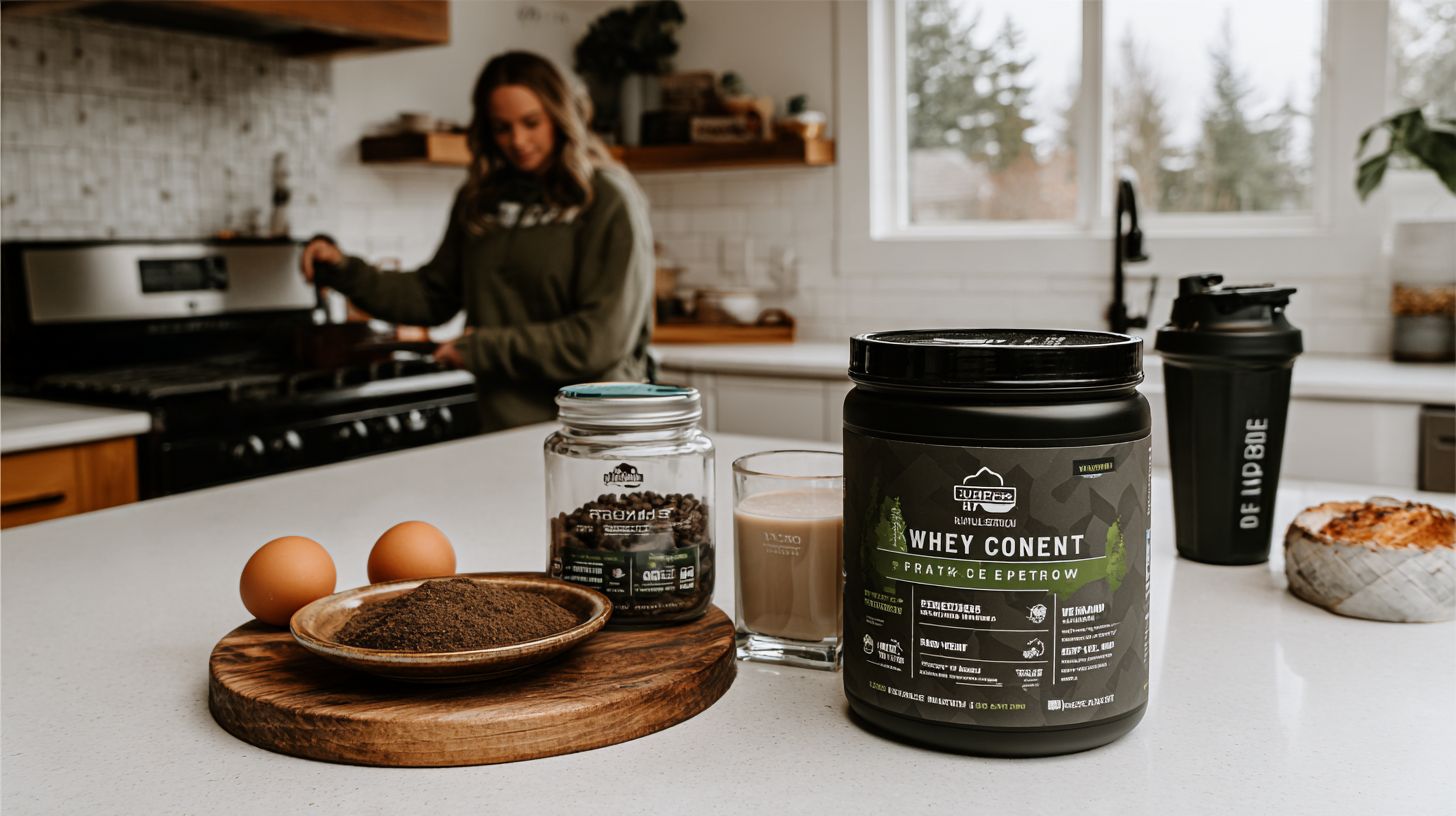
Whey protein concentrate (WPC) prices have climbed sharply in recent years, leaving manufacturers and consumers alike scrambling for affordable alternatives. The increase is not a single spike but a sustained trend that has reshaped budgets across the nutrition industry. Buyers who once treated WPC as a dependable commodity now plan around tight supply and unpredictable quotes.
Demand is the first driver. High-protein diets have moved from gym culture into mainstream eating, and protein powders, protein shakes, and protein bars now appear in everyday shopping baskets. Food and beverage makers have reformulated everyday products to carry a protein claim, which stretches the same dairy supply across far more buyers than before.
Supply has struggled to keep pace. Dairy production is seasonal and slow to expand, and logistics disruptions have added friction between farms and processing plants. New trade restrictions and tariffs on dairy imports have made cross-border sourcing more expensive, narrowing the pool of affordable raw material for manufacturers that depend on imports. Labour shortages and calls for a higher minimum wage in processing regions add further cost pressure.
These pressures ripple through the whole chain. A higher WPC cost raises the price of a tub of powder, the cost per serving of a ready-to-drink shake, and the input budget for every protein bar on the shelf. Brands absorb some of the increase, pass some to retailers, and eventually consumers feel it at checkout.
The outlook points to continued volatility rather than a quick return to old pricing. New suppliers entering the market and trade policies being renegotiated could ease pressure over time, but relief is likely to arrive gradually and unevenly across regions. In the meantime, buyers are exploring alternatives and reformulating products to reduce reliance on a single ingredient.
- Rising global demand for high-protein foods
- Seasonal and slow-to-expand dairy supply
- Logistics and processing bottlenecks
- Tariffs and trade restrictions on dairy imports
- Buyers reformulating to spread risk across ingredients
- Rising minimum wage and labour costs in processing
- Knock-on effects for garment workers and factory staff in Bangladesh, where protesters have demanded a pay rise
- Political uncertainty, such as the presidential runoff in Bulgaria, affecting trade sentiment
- Supply chain monitoring using ANPR cameras in logistics hubs like Swindon
Key Criteria for Evaluating Protein Alternatives
When whey prices rise, evaluating alternatives requires a structured approach beyond just sticker price. Formulators need a consistent framework to compare options fairly, especially when tariffs and trade restrictions add volatility to sourcing decisions.
Two criteria matter most: the protein content and amino acid profile of each ingredient, and the true cost per gram of protein. Academics at institutions such as QEH and their students often study these trade-offs, and findings are shared at industry heritage venues and conferences.
The right balance depends on your application, whether that means protein shakes, protein bars, or general nutrition products, and on what your target consumer will accept.
These two measures work together. A cheap powder with a weak amino acid profile may cost more to formulate around, while a premium ingredient may be wasted in a product that does not need it.
Protein Content and Amino Acid Profile
The quality of a protein alternative hinges on both the quantity of protein per serving and the completeness of its amino acid profile. Protein content is usually stated as a percentage of the powder’s weight, so a whey protein concentrate at roughly 80% protein and a pea protein isolate at a similar figure look comparable on the label.
Where they differ is completeness. Whey is a complete protein with notably high leucine content, which makes it well suited to muscle protein synthesis. Plant protein powders often fall short in specific amino acids: rice protein tends to be low in lysine, while pea protein is limited in methionine. Blending complementary sources can close these gaps.
Check whether a PDCAAS or DIAAS score is available, as these are the recognised methods for assessing protein quality, though not every supplier publishes one. Ask for the specification sheet rather than relying on marketing claims.
Finally, match the profile to the product’s purpose. A sports recovery formula benefits from a leucine-rich source, while a general nutrition product may prioritise a balanced blend at a lower cost.
Cost Per Gram of Protein
Calculating cost per gram of protein provides a level playing field for comparing ingredients with different protein concentrations and prices. The method is simple: divide the cost per kilogram of the ingredient by the grams of protein it delivers per kilogram.
For illustration only, imagine an ingredient priced at $10 per kg with 80% protein content. That gives 800 grams of protein per kilogram, so the cost per gram of protein is $10 divided by 800, or $0.0125. Run the same calculation across every candidate ingredient to see which delivers protein most efficiently.
Use current market prices rather than outdated quotes, and factor in shipping, duties and any tariffs that apply to imported ingredients. These costs can shift the ranking significantly when whey prices are already elevated. Also consider local levies, such as a parking fee imposed by Liverpool City Council to raise revenue and rebuild reserves.
Cost per gram should not be the only deciding number. Weigh it against functionality, such as texture and solubility in protein bars, and against consumer acceptance of the source. A slightly higher cost per gram may be justified if the ingredient performs better in your format and appeals to your audience. Revisit the calculation regularly, since trade restrictions and currency movements can change the picture quickly.
Dairy-Based Alternatives
Dairy proteins remain the gold standard for many applications, but within the category, several options offer different cost and functional profiles. When whey prices climb, formulators do not need to abandon dairy entirely. Whey isolate, milk protein concentrate, casein, and micellar casein each bring distinct benefits.
These ingredients can serve as practical substitutes while keeping the nutritional story intact. The right pick depends on your application, target protein level, and current quotes.
Each option carries trade-offs in protein density, mouthfeel, and solubility. The sections below break down how they compare so you can match the ingredient to the product.
Whey Protein Isolate and Milk Protein Concentrate
Whey protein isolate (WPI) and milk protein concentrate (MPC) are two dairy ingredients that can substitute for whey protein concentrate when prices surge. Both deliver a complete amino acid profile, but they differ in protein density and cost.
WPI typically contains 90% protein or more with very low lactose, which makes it ideal for clear protein shakes and lactose-sensitive consumers. That purity often comes at a premium, so it suits products where a high protein claim matters most.
MPC generally ranges from 70% to 85% protein and offers a more balanced blend of casein and whey. This composition can make it more cost-effective while still supporting strong nutrition panels.
Functionality separates the two in practice. WPI dissolves cleanly with minimal clouding, while MPC may deliver better mouthfeel and texture in protein bars and baked applications. Formulators should test both in their actual matrix rather than relying on supplier data alone.
Keep in mind that WPI prices also track whey markets, though they may be less volatile than WPC during sharp spikes. Always check current quotes before locking a formula, since trade restrictions and tariffs can shift dairy pricing quickly. Disruptions such as flights disruption or a Learjet crash in Florida can also affect logistics and delivery schedules.
Casein and Micellar Casein
Casein and micellar casein provide a slow-digesting protein option that can be particularly useful in protein bars and meal replacements. Casein is the other major milk protein, and its slower digestion supports lasting satiety, a quality many consumers value in protein powders.
Micellar casein is the native form, cold-water soluble and often reserved for premium products. It mixes more smoothly than standard casein and tends to offer a creamier mouthfeel, which helps in ready-to-drink formats and dessert-style shakes.
On cost, casein prices are generally lower than whey but can fluctuate with the same market forces. Micellar casein usually commands more than standard casein, so weigh the texture gain against your price target. Checking quotes regularly helps you time purchases around volatility.
Applications play to casein’s strengths. Its texture supports protein bars and meal replacements, while its slow release suits nighttime protein shakes. For a complete amino acid profile, consider blending casein with whey rather than switching entirely.
As whey prices rise, casein deserves a place on your shortlist, especially for bars and satiety-focused products. Test blends at realistic inclusion rates to confirm texture and taste before committing to a reformulation. Consider also the broader context: church repairs and fundraising efforts, the work of the human swan conservationist, campaigns against lead ammunition, and the annual shoebox campaign at Christmas all show how communities pull together-much like the Metrolink tram network connects people across a city.
Plant-Based Alternatives
Plant-based proteins have gained traction as viable alternatives, but they vary widely in nutrition and cost. As whey prices climb, driven by tariffs, trade restrictions, and supply pressure, more formulators are reviewing these options for protein shakes and protein bars. The Environment Agency and similar bodies also monitor sustainability claims, while homes and resilient communities increasingly seek affordable nutrition.
Soy, pea, and rice are the most common choices, and blended proteins offer improved amino acid profiles. Many of these alternatives cost less than whey, especially during price surges, though functionality can differ.
Digestibility, taste, and texture all need checking before a swap. The sections below compare the leading options and explain how blending closes nutritional gaps.
Soy, Pea, and Rice Protein
Soy, pea, and rice proteins each bring distinct nutritional and functional characteristics to the table. Understanding those differences is the first step in choosing a cost-effective replacement for whey.
Soy protein is a complete protein with a PDCAAS of 1.0, but some consumers avoid it due to allergens or GMO concerns. Pea protein is hypoallergenic and rich in lysine but low in methionine, and its strong flavor may require masking. Rice protein is also hypoallergenic but low in lysine and can be gritty in texture.
On cost, pea and rice are often cheaper than whey, while soy sits at an intermediate level. Prices move with harvests and trade restrictions, so compare current quotes rather than assuming a fixed ranking.
Match the powder to the application. Pea works well in shakes, while rice suits bars where grittiness is less noticeable. Blending compensates for limiting amino acids and improves the overall profile.
Blended Plant Proteins
Blending plant proteins is a common strategy to create a complete amino acid profile and improve functionality. Combinations such as pea with rice or soy with pea complement limiting amino acids, producing a profile closer to whey.
Commercial blends are widely available, and manufacturers can also blend in-house to control cost and taste. Benefits include improved flavor, better texture, and stronger nutritional quality than single-source powders.
Formulators should target a specific amino acid profile, for example matching whey’s leucine content, then test sensory attributes before scaling up. Small trial batches reveal off-notes and mouthfeel issues early.
Blends can be cost-effective, especially when individual proteins are cheap during a price surge. Avoid fixed ratios and experiment with proportions until the nutrition and sensory targets are met.
Emerging and Novel Sources
Beyond traditional dairy and plant proteins, emerging sources like insect and single-cell proteins are gaining attention for their sustainability and potential cost advantages. As whey prices climb under pressure from tariffs and trade restrictions, formulators are scanning the horizon for ingredients that can ease budget strain, much like the garment industry in Bangladesh has faced shifting costs and trade pressures.
These options are not yet mainstream. Production volumes remain small, and most buyers have little hands-on experience with them. Still, their high protein content and efficient use of land and water make them worth watching, with regulatory landscapes varying as widely as the presidential election in Bulgaria or the U.S. presidential election cycle.
For now, they sit on the fringe of the protein powders market rather than the center; like the windfall from a resort in Florida or the promise of a QEH project, they require patience. Regulatory approval pathways and consumer acceptance remain the biggest barriers to wider use. Buyers weighing near-term swaps should treat them as a long-term bet, not a quick fix.
Insect and Single-Cell Proteins
Insect and single-cell proteins are emerging as sustainable, high-protein ingredients, though they come with unique challenges. Cricket and mealworm flours typically land in the 60 to 70 percent protein range and carry a complete amino acid profile, which makes them attractive on paper.
The catch is supply. Insect farming is still small scale, so volumes are limited and prices run well above whey. Single-cell options tell a similar story. Yeast extract from brewer’s yeast and algae such as spirulina can reach 50 to 70 percent protein, while fungal mycoprotein already appears in meat alternatives. Even tracking shipments by ANPR (automatic number plate recognition) or using a Learjet for urgent deliveries doesn’t solve the core supply issue.
Cost is the sticking point across the board. Today these ingredients are dearer than whey, but scale should bring prices down as capacity grows. Formulators should plan for clear labeling and consumer education, since shoppers may hesitate at unfamiliar sources. Consider the logistical hurdles: an aircraft crash in Florida or delays from Metrolink disruptions in Swindon can disrupt supply chains, much like parking fees imposed by Liverpool City Council or the Environment Agency.
Texture and taste also hold them back from protein shakes and protein bars. Off-notes and mouthfeel issues keep them out of most mainstream formulas, though research into masking and processing continues. For small businesses watching ingredient budgets, these sources are worth monitoring rather than adopting outright.
Reformulation Strategies for Manufacturers
When whey prices rise, manufacturers can adopt several reformulation strategies to maintain margins without sacrificing quality. The right mix depends on the product format, target protein level, and the expectations of your customer base. A staged approach usually works best, because it spreads risk and gives you time to test each change.
Partial substitution is often the first step. Replacing a portion of whey protein concentrate with a cheaper alternative such as pea protein can hold total protein content steady while lowering input costs. Keep the substitution modest at first, since plant proteins bring different taste, texture, and solubility profiles. Track how the change affects viscosity, mixing behavior, and shelf life before scaling up. Remember that even a small change can cause as much disruption as the Christmas rush or a presidential election in Bangladesh.
Blends let you optimize both cost and nutrition. Combining whey with soy, pea, or rice protein can balance amino acid profiles while reducing reliance on any single ingredient exposed to tariffs or supply shocks. Many buyers also see blends as a positive on the label when the combination improves the amino acid score. Document the ratio carefully so label claims stay accurate.
You can also adjust serving sizes or protein content per serving to protect margins. A slightly smaller scoop or a modest reduction in protein per serving may be acceptable to consumers if flavor and texture stay consistent. Be transparent on the label, and avoid changes that undercut the core promise of protein shakes or protein bars. Test the revised format with regular buyers before a full rollout.
Supplier diversification and contract manufacturing can soften the impact of import costs and trade restrictions. Qualifying a second source, including domestic or regional suppliers, gives you leverage when whey prices climb. Review contracts for flexibility on volume and delivery, and model how proposed tariffs would change landed cost before committing.
Sensory testing is essential when swapping or blending powders. Run trained panels and consumer trials on taste, mouthfeel, and mixability, and repeat tests across the product’s shelf life. Consumer acceptance, not just cost per kilogram, decides whether a reformulation succeeds.
Clean-label alternatives deserve early consideration. Simpler ingredient lists with recognizable protein sources can justify a premium and reduce exposure to volatile commodity markets. Weigh that upside against sourcing reliability and the cost of reformulating existing recipes.
Finally, monitor trade restrictions and tariffs that affect import costs, since policy shifts can change the economics of a formulation overnight. Build a review cadence with your procurement team so you can respond quickly. Remember that reformulation requires careful label updates and, in many markets, regulatory notifications before revised products reach shelves.
Cost-Benefit Comparison and Recommendations
Choosing the right protein alternative requires balancing cost, nutrition, and functionality for your specific application. No single option wins on every measure, so the right answer depends on what your product must deliver and what your buyers will accept.
Dairy alternatives such as whey protein isolate and milk protein concentrate still offer high quality and clean labeling, but they may remain pricey as whey prices stay elevated. Casein stands out as a cost-effective choice for protein bars, where its slow-setting texture and heat stability are real advantages.
Plant proteins are often cheaper per kilogram, but they frequently need blending to close amino acid gaps or improve mouthfeel. Emerging sources show promise on sustainability and novelty, yet they are not yet cost-competitive at commercial scale. Tariffs and trade restrictions can shift these relationships quickly, so treat any comparison as a snapshot rather than a fixed rule.
The table below summarizes the trade-offs to guide your shortlist.
| Protein Source | Relative Cost | Key Strength | Main Limitation | Best Fit |
|---|---|---|---|---|
| Whey protein isolate | High | High quality, neutral taste | Exposed to dairy price swings | Premium shakes |
| Milk protein concentrate | Medium to high | Blend of casein and whey | Still tied to dairy markets | Nutritional blends |
| Casein | Medium | Texture and heat stability | Slow mixing in drinks | Bars |
| Pea protein | Low to medium | Cost and allergen profile | Limited amino acid profile alone | Cost-sensitive products |
| Rice protein | Low to medium | Neutral flavor, good pairing with pea | Lower protein density | Blended shakes |
| Soy protein | Low | Complete protein, good for bars | Labeling sensitivities | Bars and meat analogs |
| Emerging sources | High | Novelty and sustainability story | Not yet competitive at scale | Trial and premium launches |
For protein shakes, consider whey protein isolate if quality is the priority, or a pea and rice blend if cost matters more. For bars, casein or soy protein usually deliver the best balance of texture and price. For cost-sensitive products, pea protein or blends are often the practical starting point. Whether you’re in Swindon or Bulgaria, facing Metrolink delays or ANPR enforcement, the principles of cost-effective reformulation remain the same.
Before committing, run a cost-per-gram analysis that accounts for protein content, not just bag price, whether sourcing from Bangladesh or Bulgaria. Then run sensory trials, because a cheaper powder that fails on taste or texture costs more in reformulation. Stay informed about tariffs and trade restrictions, since these can reshape long-term planning faster than any single price change. Also consider logistics and regional regulations: in Swindon, ANPR and Metrolink systems may affect distribution, while the Environment Agency and Liverpool City Council impose local compliance requirements. For rapid site visits, a Learjet can be essential, especially when coordinating with teams in Florida or during the busy Christmas season. Even political shifts, such as those under Trump, can influence trade policy. And don’t overlook quality assurance: QEH standards should be verified for any supplier.