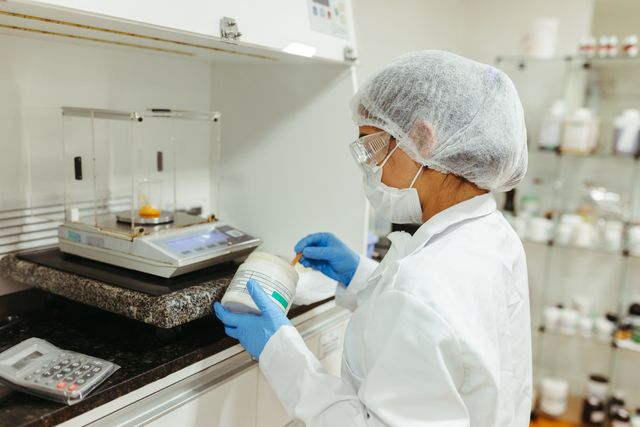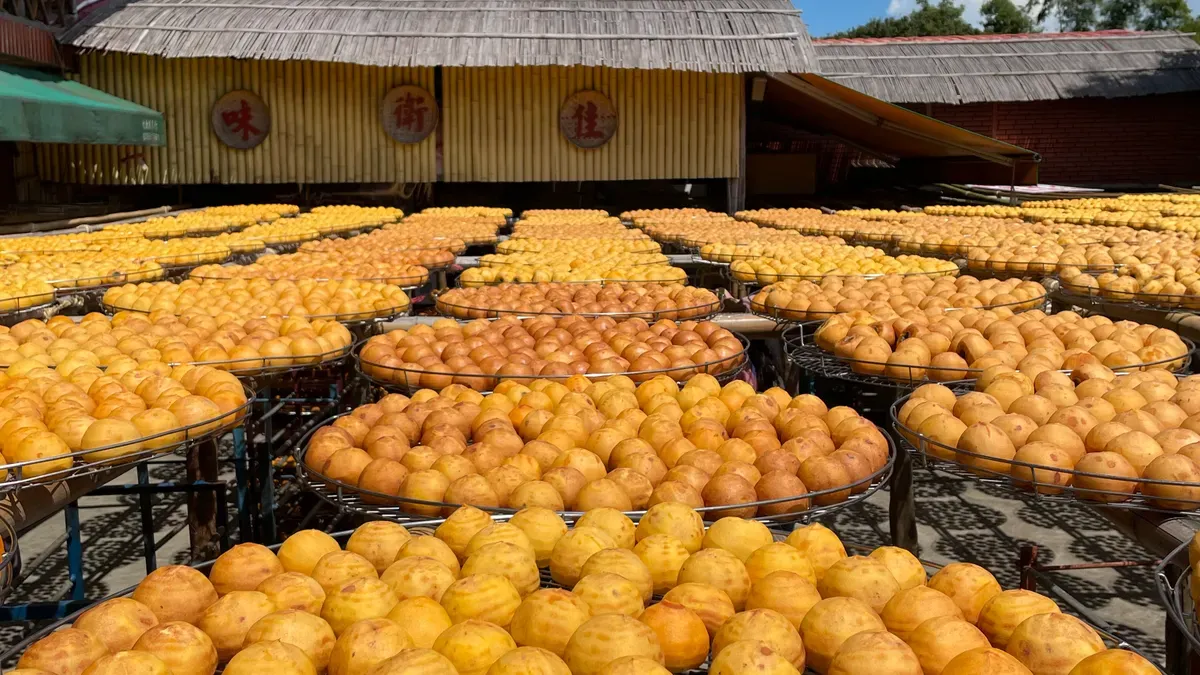
Do You Know How Spray Dried Fruit Powder Compares to Freeze Dried
Spray dried fruit powder offers instant solubility and lower costs with carriers, while freeze-dried powder preserves 97% of Vitamin C and 100% pure fruit.

Spray dried fruit powder offers instant solubility and lower costs with carriers, while freeze-dried powder preserves 97% of Vitamin C and 100% pure fruit.
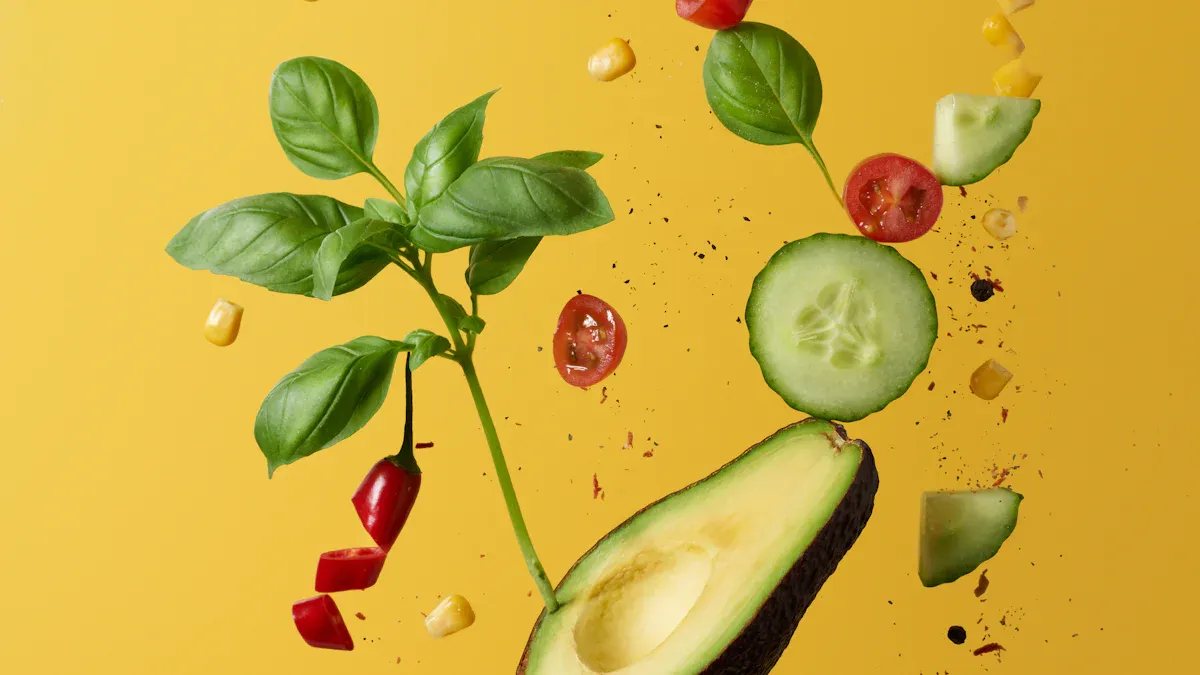
Plant-based nutrition drives the amino acid ingredients market to $14.2B by 2033. Bio-fermented fortification boosts alternative protein health profiles.
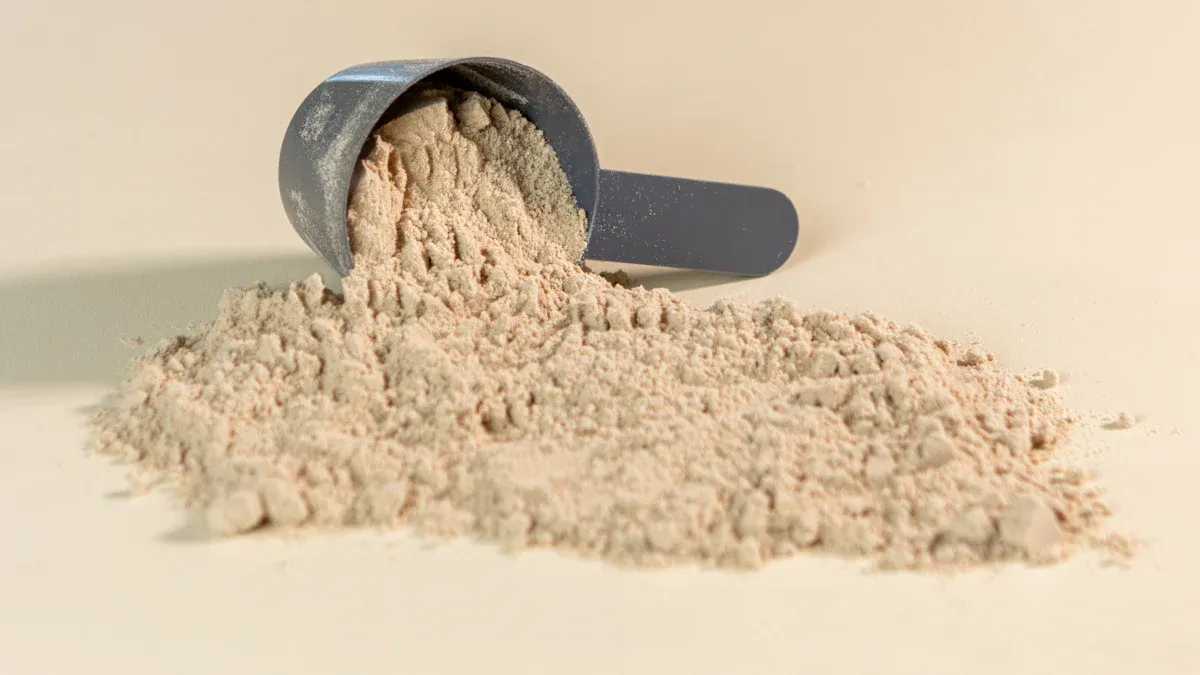
Glycine food grade enhances flavor, masks bitterness, balances acidity, and extends shelf life while boosting nutrition in food, drinks, and supplements.
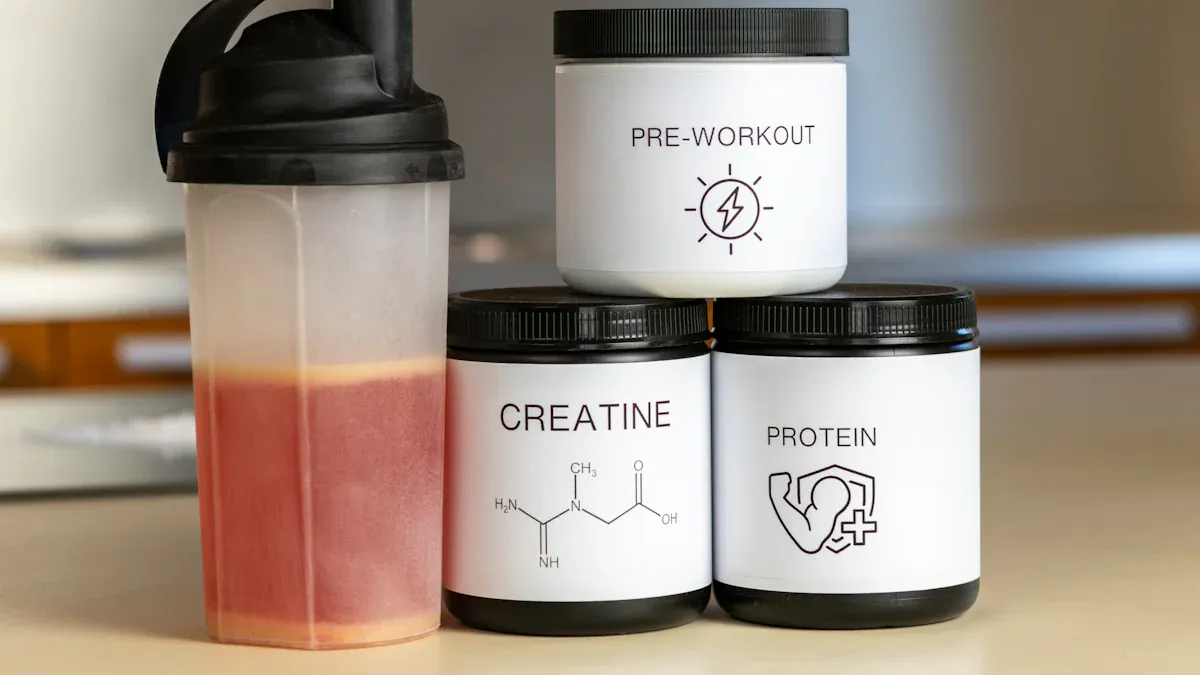
Creatine Monohydrate boosts power and ATP energy, while amino acids rebuild muscle and speed recovery. Taking both together optimizes strength and repair.
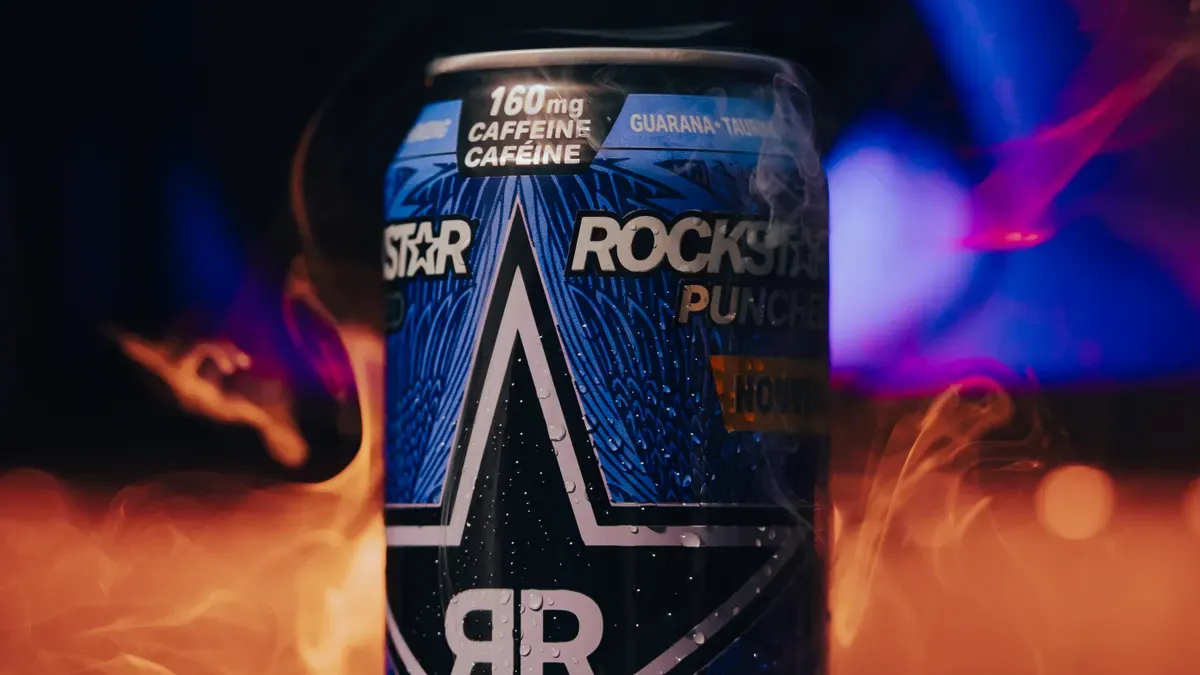
A taurine functional beverage boosts athletic recovery, heart health, and focus. Learn key market growth trends, clean-label shifts, and safe dosage rules.
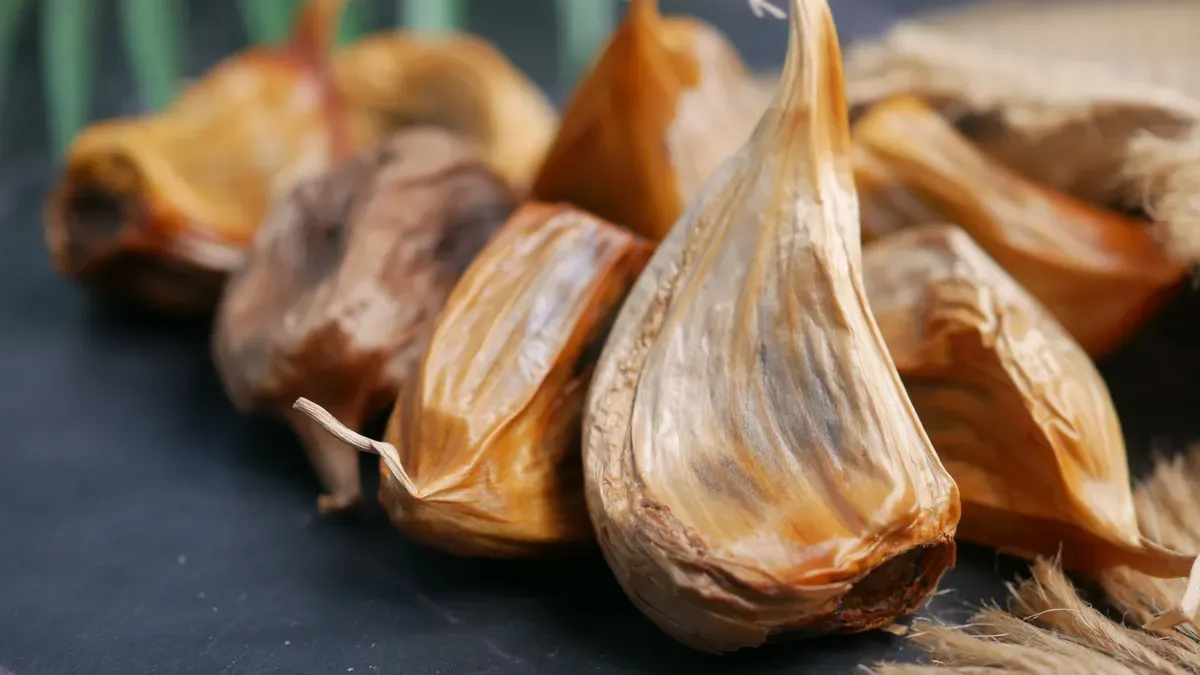
An amino acids flavor enhancer improves taste depth, replaces sodium, and masks off-notes in plant proteins while remaining stable under high heat processing.
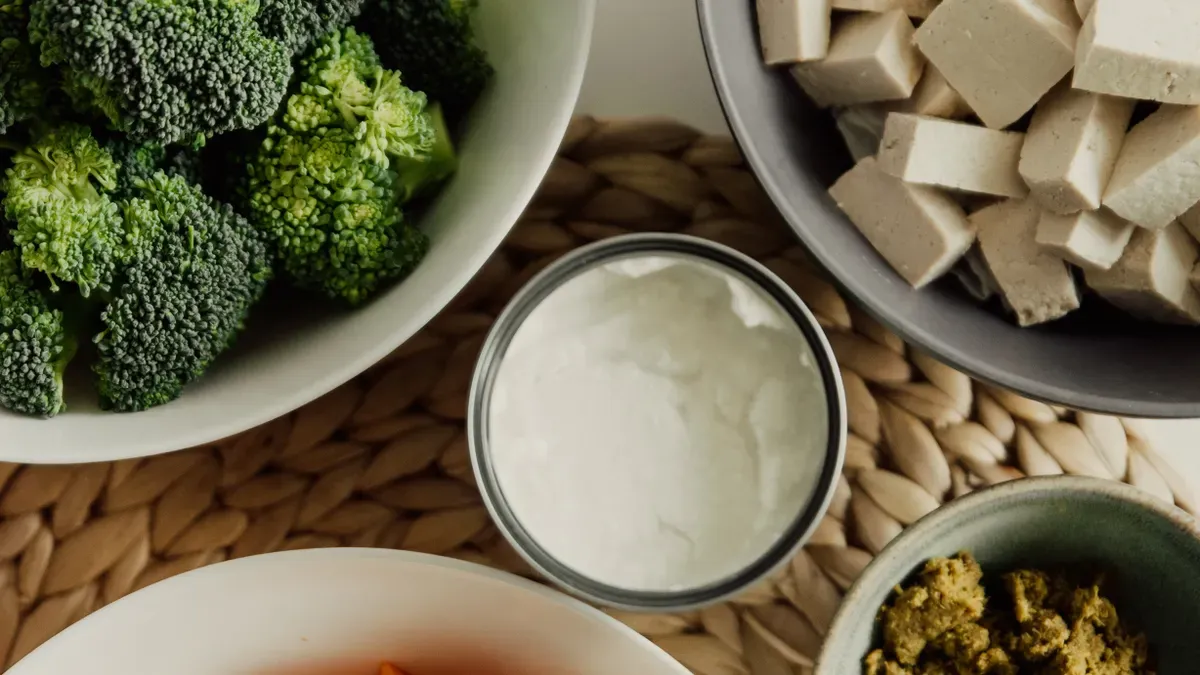
Plant-based ingredients like legume proteins, citrus fiber, and botanical extracts replace synthetic additives to deliver clean label food formulations.
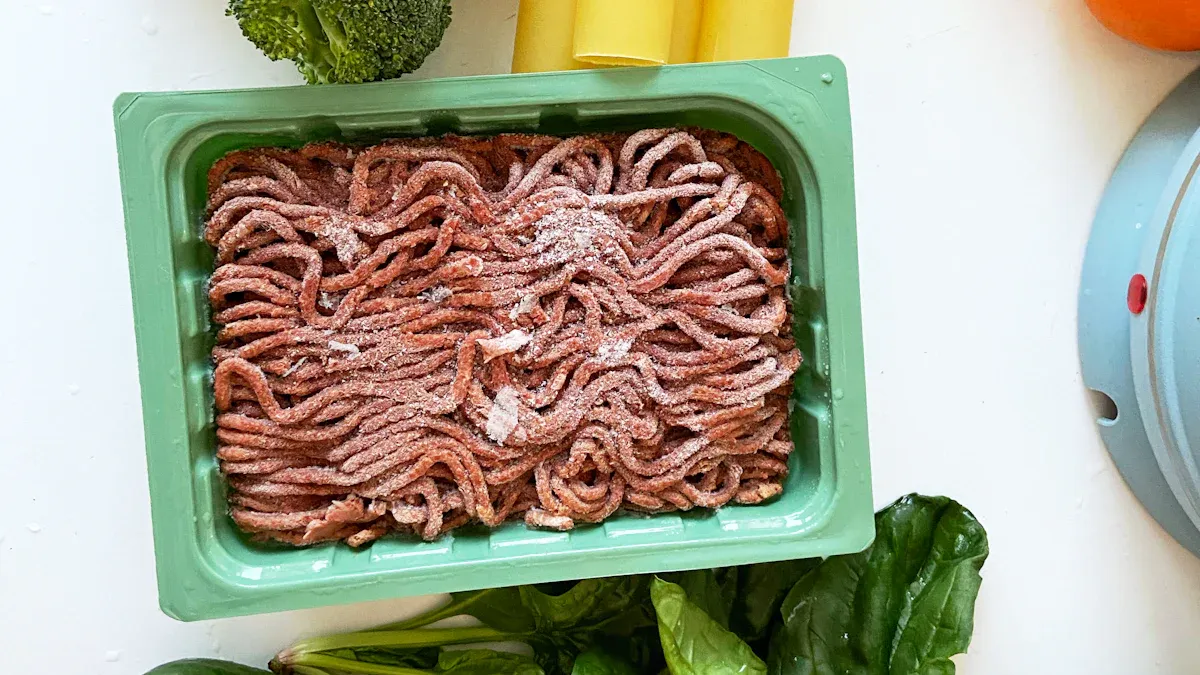
Functional plant-based ingredients solve food manufacturing challenges by improving texture, maintaining moisture, and stabilizing clean-label formulations.
Tell us the ingredient, application and required quantity. Our team will recommend a suitable product and provide a competitive quotation.