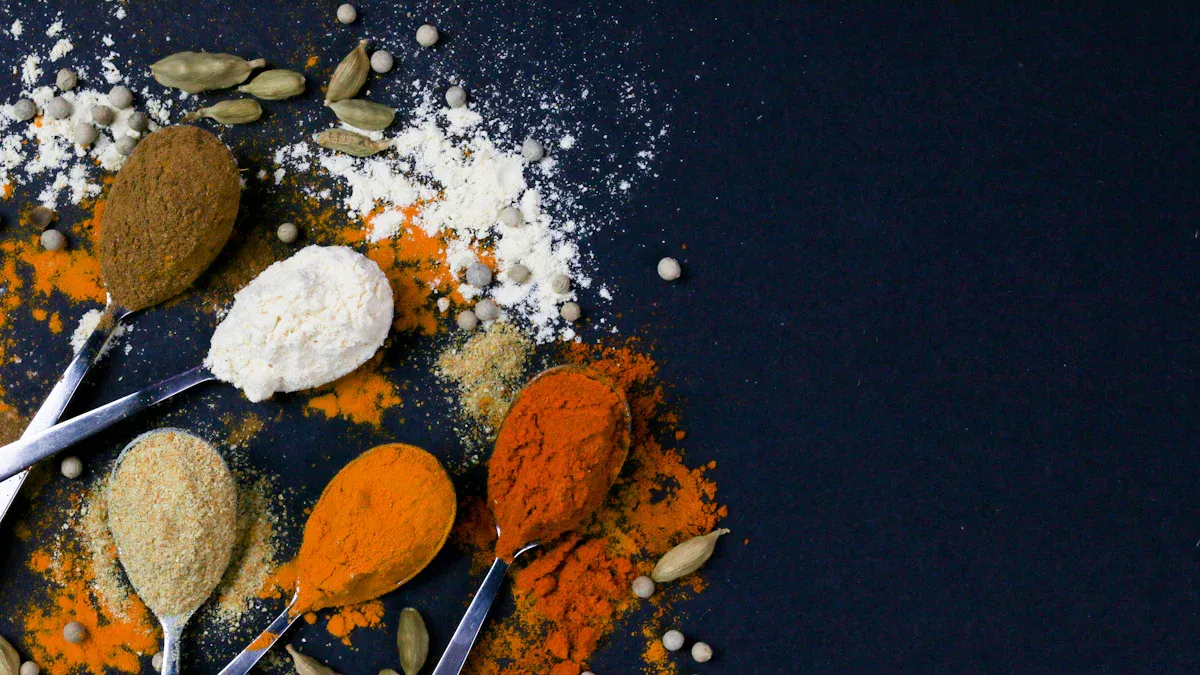
You can see silicon dioxide e551 in many powdered foods. This food additive stops clumps from forming. It helps spices and mixes stay loose and easy to use.
E551 is a synthetic amorphous silica (SAS) without a crystal shape. It has not been coated or changed on its surface. SAS is made of almost round, tiny particles. Most are between 2 and 28 nm. These particles stick together in big groups.
Regulatory agencies check if this ingredient is safe before it goes in foods. Here are some important approvals:
Agency | Approval Details |
|---|---|
EFSA | Approved as E551. There are special rules for its nano-form use. |
JFCF | Set an Acceptable Daily Intake (ADI) to keep food safe. |
You may ask if silicon dioxide is safe in your food. Knowing how this silica ingredient works can help you choose wisely.
Key Takeaways
Silicon dioxide E551 is a safe food additive. It stops powdered foods from sticking together. This makes them easier to use. – Groups like the FDA and EFSA say E551 is safe to eat. It is safe even for babies. – Check ingredient labels for E551. This helps you find foods with this anti-caking agent. – Silicon dioxide keeps foods fresh longer. It soaks up water and keeps powders dry. – Picking organic foods helps you avoid fake additives like E551. Organic foods usually do not have them.
Silicon Dioxide E551 Overview
What Is Silicon Dioxide?
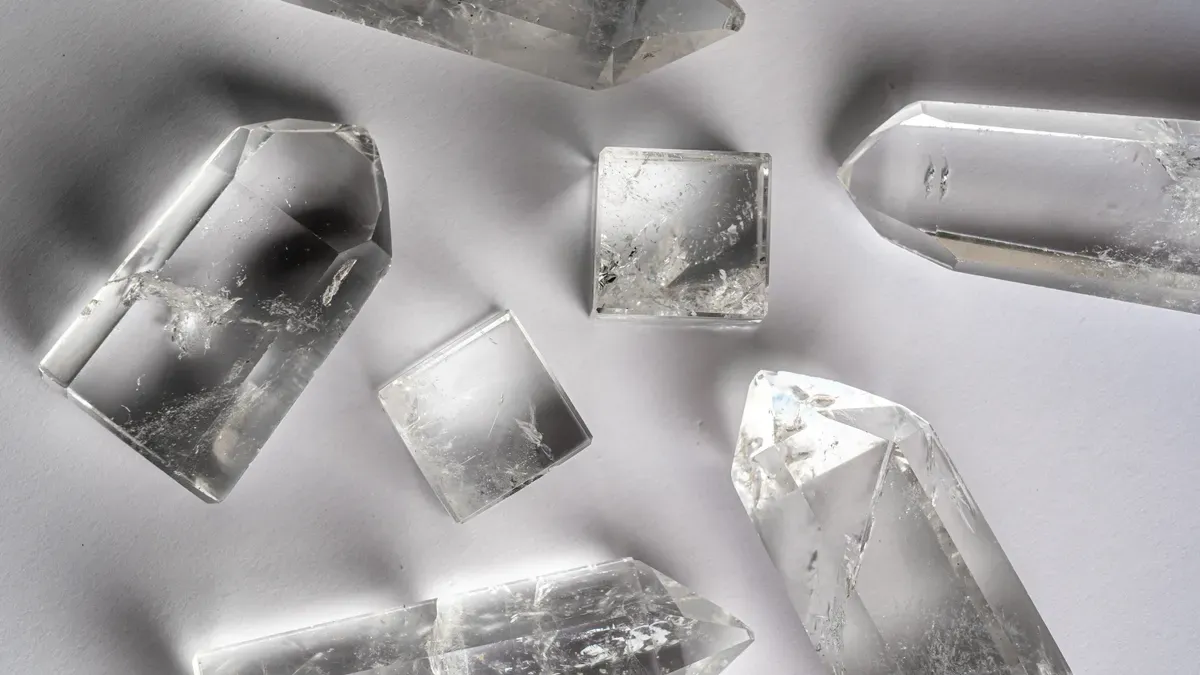
You come across silicon dioxide almost every day. It is a mineral found in the earth’s crust and in many plants. Foods like dark leafy greens, oats, brown rice, beets, and bell peppers have it. In food factories, silicon dioxide is used as an anti-caking agent. It stops powders from sticking together. This helps foods stay fresh for a longer time.
Silicon dioxide is found everywhere in nature.
You eat it when you have grains, vegetables, or leafy greens.
Food makers add it to stop clumps and keep food fresh.
Silicon dioxide is also called silica. It has special features that make it good for food. It does not react with most chemicals. This means it stays stable in many foods. You will see it as a white or clear powder. It is safe and not poisonous for food and medicine.
Property | Description |
|---|---|
Chemical Inertness | Silicon dioxide does not react with most acids, except hydrofluoric acid. |
Stability | Its makeup keeps it stable, so it works well in foods. |
Non-toxicity | Silicon dioxide is not toxic, so it is safe in food and medicine. |
Physical Appearance | It looks like a white or clear solid or powder. |
Density | Its density is about 2.2 g/cm³. |
Molar Mass | Its molar mass is about 60.08 g/mol. |
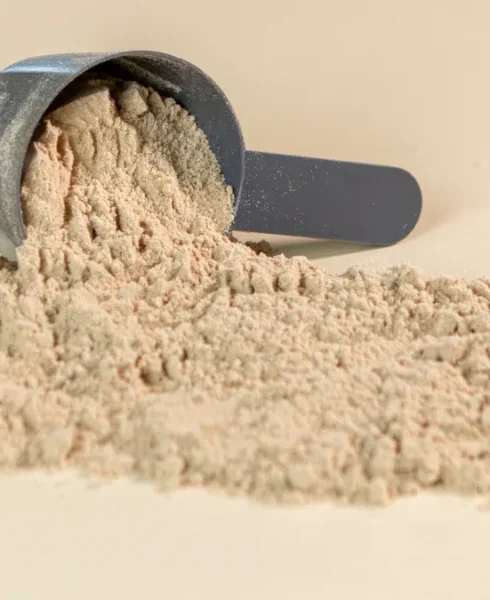
You get help from its anti-caking and flow properties. These make protein powders, spices, and drink mixes smooth and easy to use.
E551 Food Additive Code
When you check food labels, you might see e551. This code means silicon dioxide in the EU’s E-number system. The E-number system helps people know what food additives are and why they are used.
Aspect | Description |
|---|---|
Means Silicon Dioxide, a food additive in the EU’s system. | |
Purpose | Used as an anti-caking agent to keep powdered foods nice. |
Regulatory Importance | Makes sure food is safe and follows world food rules. |
Transparency | Clear labels help companies follow rules and tell buyers what is inside. |
You can feel safe because e551 follows strict safety rules. The code also helps you spot and learn about this ingredient.
Chemical Forms and Labeling
You may wonder if all silicon dioxide in food is the same. There are two main kinds:
Synthetic silicon dioxide, called amorphous silica, is labeled e551 and is mostly used to stop clumping in dry foods.
Natural silicon dioxide is found in whole grains, vegetables, and beer. This kind is soluble and is not usually added to foods.
Food makers use synthetic amorphous silica because it works best for powders. On packages, you will see it as e551 or silicon dioxide.
Chemical Form | Label | Application |
|---|---|---|
Synthetic Amorphous Silica | E551 | Stops clumping in food powders |
Other uses | N/A | Used for flavorings, in tablets, and in making drinks like beer and wine |
Tip: Always look at the ingredient list if you want to know if a product has e551. This helps you make smart choices about what you eat.
Functions of Silicon Dioxide in Food
Anti-Caking Agent Role
Silicon dioxide is in food to stop clumps. It keeps powders from sticking together. This makes it easy to pour and measure. E551 works by making small barriers between powder pieces. It also soaks up water. These actions help keep powders smooth and dry. You can see how it works in the table below:
Mechanism | Description |
|---|---|
Moisture Adsorption | The high surface area attracts water, stopping liquid bridges between particles. |
Spatial Separation | Tiny silica particles keep powder grains apart, reducing clumping by lowering van der Waals forces. |
Surface Modification | Hydrophobic groups on the surface minimize condensation and keep powders dry. |
Anti-caking agents help food stay fresh and easy to use. People have used silicon dioxide for many years. It is safe and works well.
Free-Flowing Properties
Silicon dioxide helps powders move and flow easily. You notice this when you use protein mixes or spices. E551 lets powders move fast in machines. It also keeps them loose in storage. You can see the benefits in the table below:
Benefit | Description |
|---|---|
Flow in processing | Powders move fast in equipment, even in humid air. |
Free-flowing during storage | Powders stay loose before packaging. |
Quick dispersion | Powders mix fast with liquids, avoiding clumps. |
Encapsulation | Silica keeps flavors inside dry mixes. |
Prevents sticking | Powders do not stick in dryers, making production easier. |
Silicon dioxide keeps food easy to use. It also helps factories work better.
Moisture Control
Silicon dioxide controls water in food. This is important for keeping powders dry and safe. The surface of silica pulls in water. This stops clumps and keeps pieces apart. Silica gel, made from silicon dioxide, has tiny holes that hold water. This keeps the air dry and stops food from spoiling.
Silicon dioxide e551 stops clumps by soaking up water.
It keeps powders from sticking by separating them.
Silica in food helps powders flow and keeps them fresh.
Silica gel holds water and keeps air dry, stopping germs.
You count on silicon dioxide to keep food safe, dry, and easy to use.
Why E551 Is Used in Food
Preventing Clumping
Silicon dioxide is used in food to stop clumps. When you open salt or spices, you want them to pour out easily. E551 keeps these powders loose and easy to use. Clumps form when water gets into powders. Silicon dioxide soaks up water and keeps the pieces apart. This keeps the powder dry and smooth.
You can find silicon dioxide in foods like:
Table salt
Spices and seasoning blends
Powdered sugar
Powdered drink mixes
Dried soups
Powders in vitamin and supplement tablets
Silicon dioxide is important for foods that need to pour well. Silica helps seasoning mixes and flavor powders stay smooth. You do not get clumps and the quality stays the same every time.
Tip: If your powders do not clump, even when it is humid, silicon dioxide is probably working.
Improving Processing and Shelf Life
Silicon dioxide helps a lot in making food. Its anti-caking power keeps powders moving in machines. E551 stops foods from sticking together during production. This makes it easier to mix and pack foods.
Silicon dioxide also helps food last longer. It soaks up water, which stops food from going bad. Your food stays fresh and safe for more time. E551 keeps powders and granules loose. By stopping clumps and taking in water, it helps food last longer and keeps it good.
Here is how silicon dioxide helps food:
Benefit | How It Helps You |
|---|---|
Stops humidity from ruining food | |
Enhances stability | Keeps powders consistent and usable |
Makes products last longer | |
Improves usability | Ensures easy pouring and mixing |
Silicon dioxide is important in food making. It keeps food stable and stops clumps. You get food that stays fresh and easy to use because silica keeps it in great shape.
Food Applications of Silicon Dioxide
Common Foods with E551
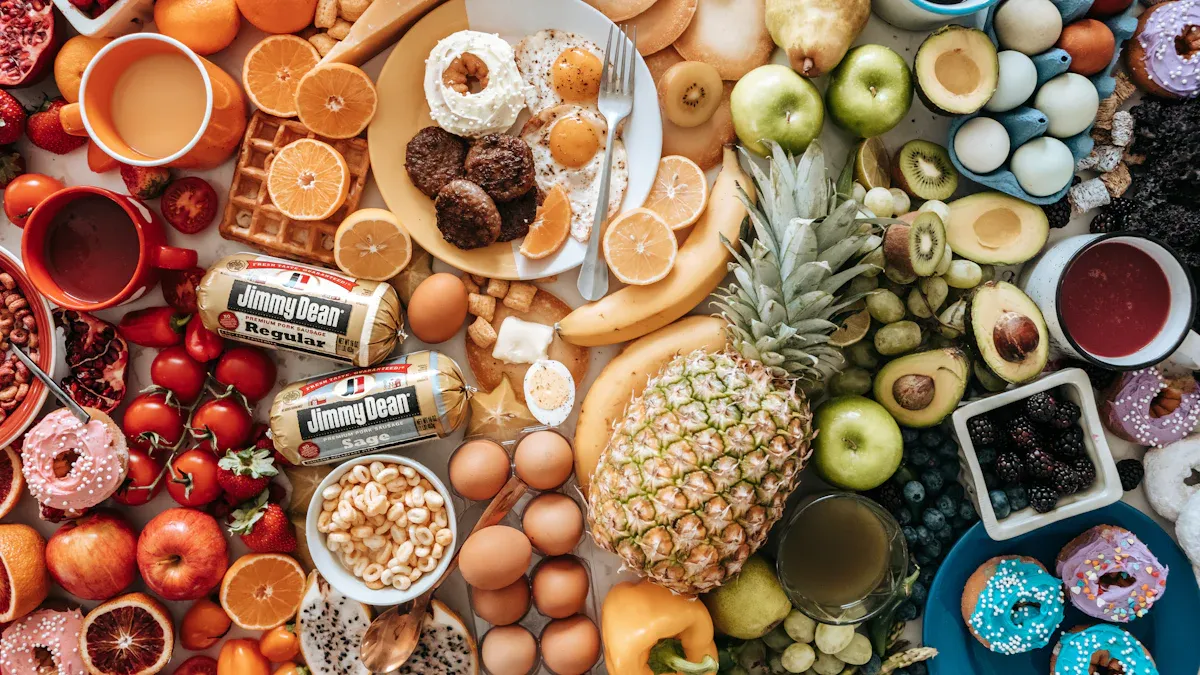
You can find silicon dioxide in lots of foods you eat. Food companies add it to keep powders dry and easy to pour. It is used most in processed foods. These foods need to stay loose and not stick together. Here are some foods that often have silicon dioxide:
Starter formulas and follow-on formulas for infants (up to 10 g/kg)
Flavors and seasonings (up to 50 g/kg)
Dehydrated food powders, like soup or sauce mixes (10 g/kg)
Emulsifiers and food dyes (up to 5%)
Dehydrated cereals (2 g/kg)
Matured cheese, including the rind
Dry whey and whey products (10,000 mg/kg)
Powdered sugar and powdered dextrose (15,000 mg/kg)
Complementary foods for infants (2,000 mg/kg)
Coffee and tea (except cocoa)
Food additives in dry powder form (up to 50,000 mg/kg)
You will see silicon dioxide mostly in non-organic foods. Organic foods do not usually have this additive. If you pick organic foods, you probably do not eat silicon dioxide e551.
Note: You can look at the ingredient list on packages to check for silicon dioxide.
Examples of Everyday Products
You use many foods that have silicon dioxide in them. This silica keeps foods easy to pour and mix. Here are some everyday foods that might have silicon dioxide:
Soup mixes
Sauce mixes
Spice mixes
Collagen powder supplements
You can see that silicon dioxide helps many foods stay fresh and easy to use. It stops powders from sticking together. This makes your food better. If you check your pantry, you will probably find foods with this ingredient.
E551 Safety and Regulations
Regulatory Approval and Limits
You might wonder if e551 is allowed in your food. The United States and Europe have rules for this ingredient. The FDA in the U.S. and EFSA in Europe check if silicon dioxide is safe. They decide how much can be used in foods.
Here is a table that shows the highest amount allowed:
Regulatory Body | Maximum Permitted Level of Silicon Dioxide E551 |
|---|---|
FDA | Not more than 2% of the food’s weight |
EFSA | No set limit; no safety problems found |
In Europe, you will see E551 on food labels. In the U.S., it may say silicon dioxide or anti-caking agent. Food companies must follow these rules to keep you safe. They also check the amount to make sure it is not too high.
Note: Food makers must use good practices and label all additives clearly.
Safety Assessments
You may ask if silicon dioxide is safe for you. EFSA and the FDA both checked this additive. They found no safety problems for anyone, even babies under 16 weeks old. EFSA looked at both regular and nano forms of silicon dioxide. They found no safety problems at the amounts used in food.
EFSA also checked the margin of exposure, called MOE. This number helps experts know if something is safe. For E551, the MOE was much higher than the danger level. This means you can eat foods with this additive without worry.
Recent studies show silicon dioxide is not very toxic. Tests in animals showed no harm, even after using it many times. Experts say E551 does not cause health problems when used the right way.
Tip: EFSA gave a new opinion in October 2024. They said E551 is safe for everyone, even babies.
Health Concerns
You may have heard about health risks with silicon dioxide. Most studies show it is safe for most people. But some new research says people with certain genes should be careful. Scientists found that long-term use of E551 could affect gut health in mice. Mice with a gene for coeliac disease had more gut problems after eating E551 for three months.
This means silicon dioxide might raise the risk of coeliac disease in people with the risk gene. The study showed E551 can change the immune system in the gut. It can also make it harder to handle some food proteins. This could cause more swelling in the gut and a higher chance of getting coeliac disease.
Callout: If you or your family have coeliac disease or a history of it, talk to your doctor about food additives.
Most experts say E551 is safe for most people. Food companies follow strict rules and check for harmful things. They use science to make sure there are no safety problems. You can trust that your food is checked for safety.
Here is a table that shows what people worry about and how food makers answer:
Consumer Concerns | Manufacturer Responses |
|---|---|
Safety of silicon dioxide E551 | Use good manufacturing practices |
Potential health impacts | Follow all safety rules |
Transparency in food additive use | Companies like Zhongqi check quality |
Ongoing monitoring of health risks | Use science and reviews to make sure it is safe |
You can feel sure that food-grade e551 is safe as an anti-caking agent. Food makers and regulators work together to keep you healthy.
People eat about 0.28 to 4.53 mg of E551 for each kilogram they weigh every day.
Studies found no bad effects after using it many times.
Experts say E551 is not very toxic and does not cause safety problems.
Other Uses of Silicon Dioxide
Non-Food Applications
You can find silicon dioxide in many places, not just food. This mineral is useful in lots of industries because of its special features. You might see small packets in shoe boxes or electronics. These packets are there to keep things dry by soaking up water. Factories use silicon dioxide in different ways to make products safer and better.
Here is a table that shows some common non-food uses of silicon dioxide:
Application Type | Description |
|---|---|
Desiccants | Used in silica-gel packets to adsorb water vapor and keep products dry. |
Mesoporous silica | Engineered for drug delivery, catalysis, chromatography, and CO₂ capture due to its high surface area. |
Semiconductors and optics | Utilized in chip fabrication as an insulating dielectric and in high-quality optics and optical fibers. |
Fumed and colloidal silica | Employed for thickening liquids, polishing, coatings, and as model particles in various applications. |
Silica gel is found in many packages. It keeps shoes, cameras, and medicine safe from water. Scientists use mesoporous silica to help put medicine inside the body. Factories use silicon dioxide to make computer chips and fiber optic cables. You can also find it in paints and polishes. It helps make liquids thicker and smoother.
Note: The worldwide market for silicon dioxide in non-food products is huge. Experts think it will be almost $9 billion by 2026.
Silicon dioxide is not only used in food. You use many things every day that need this mineral. It keeps your electronics safe, helps doctors give medicine, and makes technology better. When you see a silica gel packet, you will know why it is important.
You learned that silicon dioxide E551 keeps powders dry and easy to use in food. Recent trends show more people want clean labels and natural choices. Regulatory groups like EFSA confirm its safety, which helps build trust. You can spot E551 on ingredient lists. For more information, you may contact Chelsea Cerrito at the FDA:
Phone: 240-402-6729
Email: Chelsea.Cerrito@fda.hhs.gov
FAQ
Is silicon dioxide E551 safe to eat?
You can eat silicon dioxide E551. Groups like the FDA and EFSA say it is okay for food. Research shows it does not hurt you if used the right way.
Why do food companies use E551?
Food companies add E551 to keep powders dry and loose. It stops clumps in things like salt, spices, and drink mixes. This makes these foods simple for you to use.
Can you find E551 in organic foods?
You do not usually see E551 in organic foods. Organic rules do not allow many synthetic additives. If you want to skip E551, pick organic foods and read the ingredient list.
Does E551 affect people with allergies?
E551 does not cause most allergies. If you have coeliac disease or it runs in your family, ask your doctor. Some research says it might be a problem for people who are sensitive.