You will see that precipitated and fumed Silicon Dioxide are not the same. They are different in particle size, surface area, and price. Precipitated types are used in ceramics, glassmaking, and filtration. Fumed types are good for paints, electronics, and coatings.
Type | |
|---|---|
Precipitated Silica | Ceramics, glassmaking, filtration, textiles, refractories |
Fumed Silica | Paints, electronics, refrigerants, masking agents |
Key Takeaways
Precipitated silica does not cost much and is used a lot. You can find it in things like tires and toothpaste. It has bigger particles and works well for large uses.
Fumed silica has smaller particles and more surface area. This makes it good for high-tech things like electronics and cosmetics. It works better but costs more money.
When picking one, think about what your product needs. Also, think about your budget and the rules for your industry. Choose the right silica for your use to get the best results.
Silicon Dioxide Overview
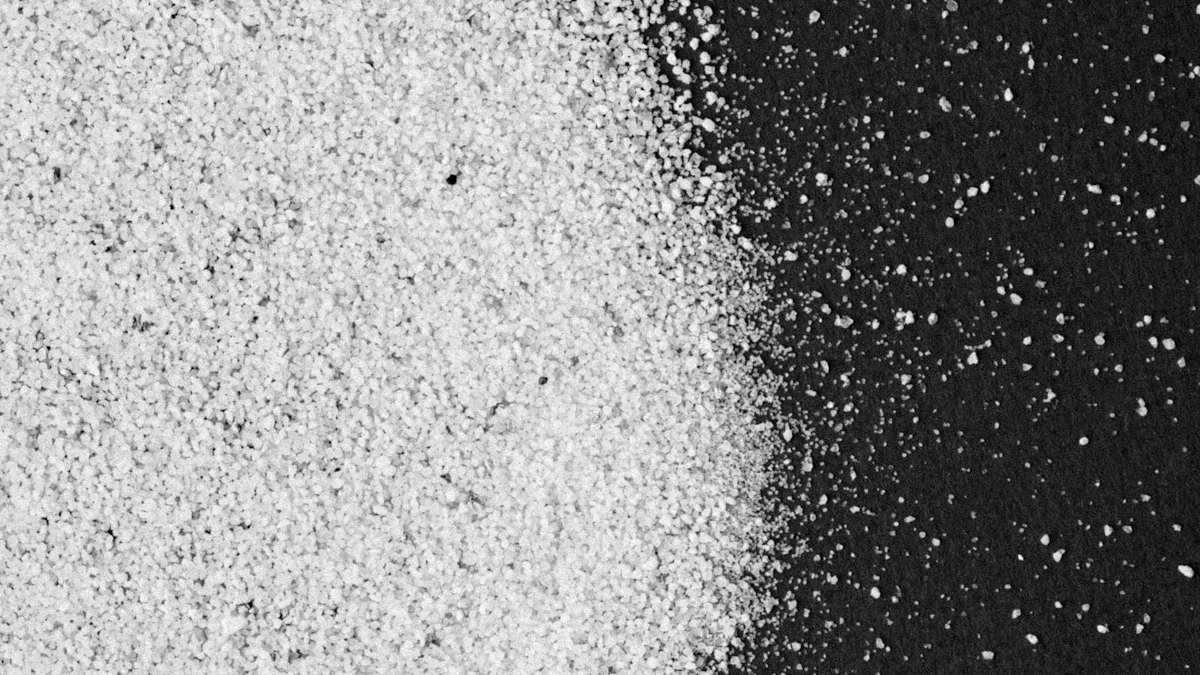
Silicon Dioxide is a compound you see a lot. It is found in nature and in many things you use. Here are some facts about where Silicon Dioxide comes from and how it is found:
Quartz is the main kind of Silicon Dioxide. It makes up over 10% of the Earth’s crust.
You can also find it as coesite and stishovite in rocks under high pressure.
Tridymite and cristobalite are found in rocks from volcanoes.
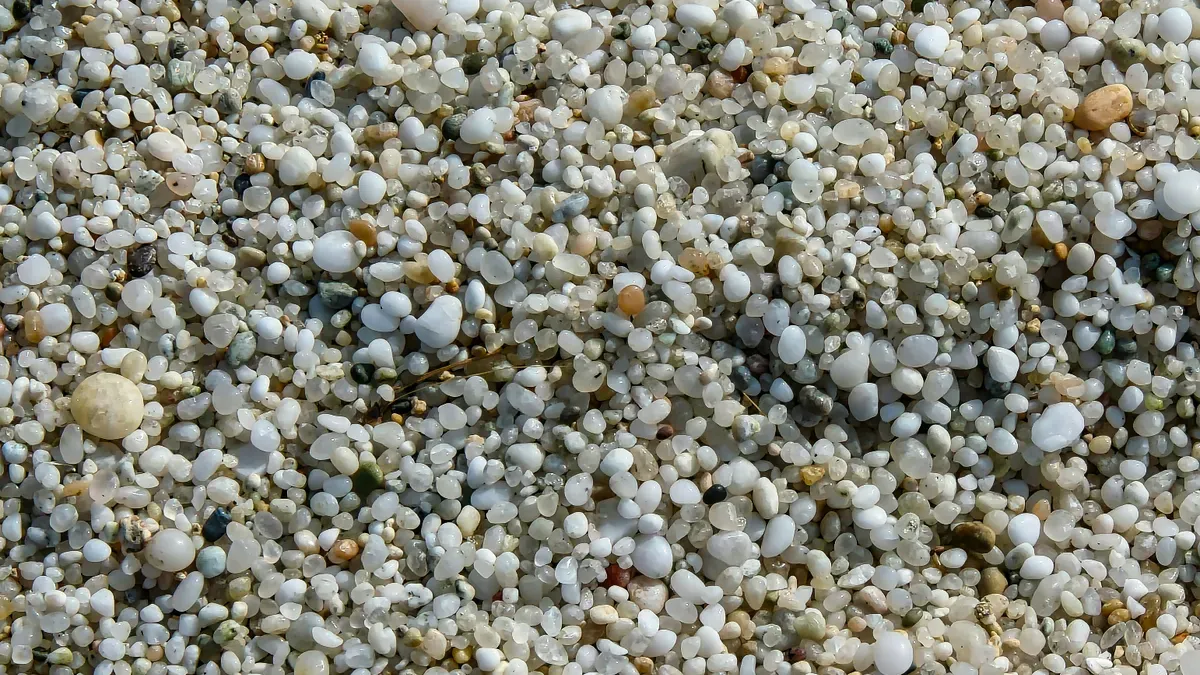
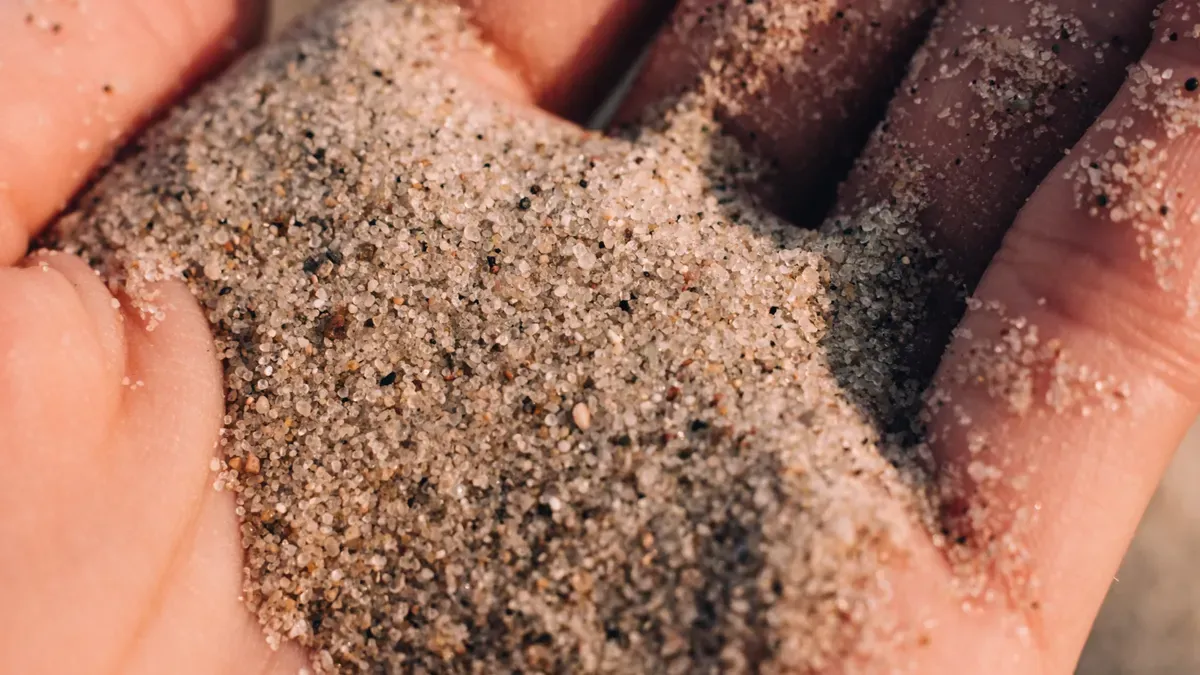
Sand in many places has a lot of silica in it.
Some plants, like rice, have silica in their bodies. This helps protect them from bugs.
Rice husk ash has silica and is used in building things like cement.
What Is Precipitated Silicon Dioxide?
You make precipitated silicon dioxide by mixing chemicals in water. This uses sodium silicate and acids such as sulfuric or hydrochloric acid. The reaction makes a white, powdery solid. You can change the size and shape of the particles by changing how you do the reaction. Precipitated silicon dioxide is used in ceramics, glass, and as a filter aid. It is also put in toothpaste and food to stop clumping.
What Is Fumed Silicon Dioxide?
Fumed silicon dioxide is made in a different way. You make it by burning silicon compounds at high heat in gas. This uses things like silicon tetrachloride. The result is a very fine, fluffy powder with a big surface area. Fumed silicon dioxide works well in paints, coatings, and electronics because it spreads easily and soaks up water. You also see it in cosmetics and medicine.
Tip: How you make each type of silicon dioxide changes what it can do and how you use it.
Production Methods
Precipitated Silicon Dioxide Process
Precipitated silicon dioxide is made by mixing chemicals in water. Here are the main steps:
First, put sodium silicate into water.
Next, slowly add sulfuric acid. This makes a white, jelly-like solid.
The main chemical reaction is:
Na₂Si₃O₇ + H₂SO₄ ⟶ 3 SiO₂ + Na₂SO₄ + H₂OWash the solid to get rid of extra chemicals.
Dry the solid. Now you have a fine powder.
You need some important things and energy for this process. The table below shows what you need:
Raw Material / Energy Source | Description |
|---|---|
Sodium Silicate | Main thing used to make silica |
Sulfuric Acid | Starts the reaction |
Fuel (Coal/Gas) | Heats up the dryer |
Packaging Materials | Used to pack and ship the powder |
This way uses less energy and cheaper stuff. You can change how big or small the particles are by changing how you mix and dry them.
Note: Precipitated silicon dioxide is cheaper to make than other types. This is because it uses simple chemicals and not much energy.
Fumed Silicon Dioxide Process
Fumed silicon dioxide is made in another way. It needs high heat and special chemicals. Here are the main steps:
Clean sodium chloride to take out bad salts.
Mix sodium silicate with sodium chloride. This makes silicon tetrachloride.
Add sodium silicate to the sodium chloride mix. This makes a silica solid.
Take the solid out of the liquid.
Wash the solid to make it clean.
Dry the solid at 200-300°C. Now you have fumed silicon dioxide.
This way needs more energy and special machines. The gas phase method makes very tiny particles with a big surface area. Because it uses high heat and costly materials, fumed silicon dioxide costs more to make.
Tip: If you want very pure and tiny particles, pick fumed silicon dioxide. It is good for high-tech things.
Key Properties
Particle Size and Surface Area
Particle size and surface area are important. They change how these materials act. Fumed silica has much smaller particles than precipitated silica. This gives it a much bigger surface area. Fumed silica helps things get thicker and stronger. It also lets you control mixing better. Precipitated silica has bigger particles and a smaller surface area. It does not work as well for thickening or making things strong.
Here is a table to help you compare:
Property | Fumed Silica (Smaller Particles) | Precipitated Silica (Larger Particles) |
|---|---|---|
Viscosity | Increases a lot | Less effective in thickening |
Mechanical Strength | Stronger materials | Weaker, more stress points |
Hydrophobicity | Better water resistance | Limited water resistance |
Thermal Stability | Higher stability | Lower stability |
Tip: If you want paints or coatings to work really well, fumed silica is usually the best pick.
Chemical Structure and Silanol Groups
Both types of silica have an amorphous structure. But they are not exactly the same. Fumed silica is made by burning chemicals. This makes very tiny particles. It also puts lots of silanol groups on the surface. Precipitated silica is made in water. It has bigger particles and fewer silanol groups.
Property | Precipitated Silica | Fumed Silica |
|---|---|---|
Particle Size | Tens of micrometers | Tens of nanometers |
Silanol Group Density | Lower | Higher |
Surface Area | Lower | Very high |
Silanol groups help silica mix with water and other things. Fumed silica has more silanol groups. This makes it more reactive.
Reactivity and Adsorption
Reactivity and adsorption depend on particle size and surface area. Fumed silica has tiny particles. It reacts faster and holds more liquids or gases. Precipitated silica can hold liquids because it has pores. But it is not as reactive as fumed silica.
Property | Precipitated Silicon Dioxide | Fumed Silicon Dioxide |
|---|---|---|
Reactivity | Lower | Higher |
Adsorption Capacity | Good, due to porosity | Greater, due to high surface area |
Applications | Abrasives, food, toothpaste | Paints, coatings, electronics |
Note: If you need something that grabs liquids or reacts fast, fumed silica works better.
Applications
Precipitated Silicon Dioxide Uses
Precipitated silicon dioxide is in many things you use. Companies like it because it is safe and works well. Here are some ways it is used:
Tire makers put it in rubber. This helps tires last longer and grip roads better.
Factories use it in rubber parts like hoses and belts. It makes them stronger.
Shoe makers add it to rubber soles. This helps shoes last longer.
Battery makers use it in separators. It helps batteries work safely.
Toothpaste makers add it for gentle cleaning. It also keeps the paste smooth.
Food companies use it to stop powders from sticking together.
Animal feed makers add it. This helps mix nutrients evenly.
Tip: If your toothpaste is smooth or your food powdery, precipitated silicon dioxide is helping.
Fumed Silicon Dioxide Uses
Fumed silicon dioxide helps many industries fix hard problems. You find it in things that need to be strong or stable. Here are some main uses:
Silicone elastomers use it. This makes them stronger and more flexible.
Paints, coatings, and inks use it. It helps them flow better and not settle.
Adhesives and sealants use it. It helps them stick well and mix evenly.
Composites and building materials use it for extra strength.
Electronics and electrical parts use it for insulation and stability.
Car makers use it in gaskets, seals, and hoses. These parts face heat and stress.
Beauty and personal care products use it for smooth textures.
Food and drink makers use it. It keeps powders from sticking together.
Drug companies use it in pills and powders. It helps mix things better.
Fumed silicon dioxide is important in cars and electronics. It helps parts last longer and work well, even in tough places.
Direct Comparison
Comparison Table
The table below shows how precipitated and fumed types are different. This makes it easier to pick the right one for what you need.
Feature | Precipitated Silica | Fumed Silica |
|---|---|---|
Production Method | Wet precipitation (sol-gel method) | Flame pyrolysis (hydrolysis of silicon tetrachloride) |
Particle Size | Micro-scale (5–50 microns) | Nano-scale (5–50 nanometers) |
Surface Area | Moderate (50–200 m²/g) | High (50–400 m²/g) |
Density | Higher bulk density | Low bulk density |
Porosity | High porosity | Low porosity |
Purity Level | ~93% | >99% |
Cost | Lower, cost-effective | Higher, more expensive |
Good for rubber, coatings, toothpaste | Superior for specialized applications | |
Typical Uses | Tires, rubber, food, toothpaste, abrasives | Paints, coatings, adhesives, electronics, pharmaceuticals |
Note: Fumed silica is more pure and has a bigger surface area. Precipitated silica is cheaper and good for making lots of products.
Similarities and Differences
Both types are used in many industries. They have some things in common, but also some big differences.
Similarities:
Both are made from Silicon Dioxide.
Both have an amorphous structure.
Both help rubber, coatings, and personal care items work better.
Both make powders flow better in food and medicine.
Differences:
Precipitated silica is made with a wet process. Fumed silica is made with a vapor process.
Fumed silica has much smaller particles and a bigger surface area. This helps it thicken and keep paints, adhesives, and sealants stable.
Precipitated silica has bigger particles and more pores. It is used in tires, rubber parts, and toothpaste.
Fumed silica costs more because it needs high heat and special chemicals. Precipitated silica is cheaper and is used for big jobs.
Fumed silica is more pure, over 99%. Precipitated silica is about 93% pure.
Fumed silica is best for high-tech and special uses. Precipitated silica is better for things like tires that need to be cheap.
Here are some examples:
Precipitated silica is put in tire treads. This helps tires last longer and use less gas.
Fumed silica is used in silicone sealants. It stops them from sagging and helps them spread better.
Fumed silica is used in medicine tablets. It keeps powders from sticking together.
Tip: Pick fumed silica if you need something very pure and strong for thickening. If you want to save money for rubber or food, precipitated silica is a good choice.
Pros and Cons
Precipitated Silicon Dioxide
Precipitated silicon dioxide has many good points. It costs less than other types. You can use it in lots of things, like tires, toothpaste, and food. You can change the particle size to fit what you need. It is a good filler and helps powders flow better. It also makes rubber parts stronger.
But there are some problems too. Precipitated silicon dioxide is not the purest kind. Its particles are bigger, so it does not thicken or make things strong as well. It is not the best for high-tech uses. Sometimes, it does not mix with liquids as well as fumed types.
Tip: If you want something cheap for everyday things, precipitated silicon dioxide is a smart choice.
Fumed Silicon Dioxide
Fumed silicon dioxide has many strong points, especially for advanced products. The particles are very small and have a big surface area. This helps make paints, coatings, and adhesives smooth and stable. It also makes electronics and building materials stronger and better at insulation. Fumed silicon dioxide stands up to heat and chemicals. It helps stop cracks and keeps mixtures from coming apart.
Here is a table that shows the main pros and cons:
Advantages | Disadvantages |
|---|---|
Improved mechanical properties | Harder to use in construction |
Increased durability | Can cause dry shrinkage |
Reduced permeability | May lead to temperature cracks |
Very stable chemical and physical traits | Higher price |
Good adsorption performance | |
Improved insulation and corrosion resistance | |
Crack prevention |
You pay more for fumed silicon dioxide, but it works better for special jobs.
Note: Pick fumed silicon dioxide if you need top quality and high strength in your product.
Environmental and Safety Aspects
When you use precipitated silicon dioxide or fumed silicon dioxide, you must think about nature and safety. Making these materials can hurt the environment and your workplace.
Environmental Impacts:
Getting quartz from the ground can hurt plants and animals nearby. It can also wash away soil and make rivers or lakes dirty.
Factories need a lot of energy to make silicon dioxide. Using lots of energy puts greenhouse gases in the air. These gases can change the weather.
Making silicon dioxide uses a lot of water. If companies do not clean their dirty water, it can pollute rivers and cause water shortages.
If people do not handle chemicals safely, they can make the ground and water dirty. This can be dangerous for people and animals.
Recycling and good waste care can help stop pollution. Using these ways can make less harm to the earth.
Some companies now try to use things that break down in nature and use less energy. These new ideas help keep the planet safe.
Safety Tips for Handling:
Do not eat, drink, or smoke when you work with silicon dioxide powders.
Keep the powder off your skin, eyes, and clothes.
Try not to make dust. Breathing in dust can hurt your lungs.
Store silicon dioxide in a cool, dry place. Keep it away from heat and sunlight.
Wear safety glasses, lab coats, and dust masks to stay safe.
If you spill a lot, wear splash goggles, full suits, and special masks.
Remember: Keeping the earth and yourself safe starts with careful actions and smart choices. 🌱
Choosing the Right Type
You face many choices when you need to pick the right kind of silica for your project. The best type depends on what you want your product to do, how much you can spend, and what your industry needs. Let’s break down the main points to help you decide.
1. Match the Type to Your Application
You should always start by thinking about what you want to make or improve. Each type of silica works best for certain jobs. The table below shows where each one shines and what makes it special:
Type of Silica | Where It Works Best | What Makes It Special |
|---|---|---|
Fumed Silica | Food and drinks, paints, coatings, tablets, cosmetics | Tiny particles, high binding, controls flow and texture |
Precipitated Silica | Toothpaste, food powders, rubber, coatings, inks | Bigger particles, stops clumping, strengthens materials |
If you want to make paint that does not drip or settle, you should choose fumed silica. If you want toothpaste that cleans well but feels gentle, you should pick precipitated silica. For rubber tires that last longer, precipitated silica is a smart choice.
Tip: Think about what you want your product to do. This will help you pick the right silica.
2. Consider Your Budget
Money matters in every project. You need to know how much you can spend before you choose. Precipitated silica costs less and works well for big jobs like making tires or food powders. Fumed silica costs more, but it gives you better results in high-tech products.
Here is a quick look at how cost and performance compare:
Factor | Precipitated Silica | Fumed Silica |
|---|---|---|
Cost | Cheaper, good for large amounts | More expensive, best for special uses |
Performance | Good for everyday products | Top choice for electronics and medicine |
Regulatory Compliance | Meets most basic rules | Needed for very pure and safe products |
If you need to make a lot of something and want to save money, go with precipitated silica. If your product must be pure and strong, like in medicine or electronics, fumed silica is worth the extra cost.
3. Check Industry Needs and Rules
Some industries have strict rules. You must follow these rules to keep people safe and make sure your product works. Fumed silica is very pure, so it is often used in medicine, electronics, and food where safety is key. Precipitated silica meets the rules for less critical jobs, like making rubber or toothpaste.
Note: Always check the rules for your industry before you choose. This can save you time and money.
4. Think About Performance
You want your product to work well. Fumed silica gives you better control over how things mix and flow. It helps paints stay smooth and pills mix evenly. Precipitated silica is great for stopping powders from sticking together and making rubber parts stronger.
Here are some questions to ask yourself:
Do you need your product to be very pure?
Does your product need to be strong or flexible?
Do you want to stop powders from clumping?
Is your product for food, medicine, or electronics?
Your answers will point you to the right type.
5. Make Your Final Choice
You can use this checklist to help you decide:
What is your main goal? (Strength, flow, purity, cost)
How much can you spend?
What rules must you follow?
What does your industry need?
If you want a simple rule:
Pick fumed silica for high-tech, pure, or special products.
Pick precipitated silica for everyday, bulk, or cost-saving products.
Choosing the right kind of Silicon Dioxide helps your product work better and keeps your costs under control. Take time to match your needs with the right type.
You can see that precipitated and fumed silicon dioxide are both useful. Fumed silica has a high surface area. It also makes things thicker and stronger. Precipitated silica is cheaper and meets most needs. When picking one, think about how well it works, how stable it is, and the price. You should also think about what your product needs and what rules your industry has.
Fumed silica is good for medicine and beauty products.
Precipitated silica is best for big jobs that need to save money.
FAQ
What is the main difference between precipitated and fumed silica?
Precipitated silica has bigger particles. Fumed silica has tiny particles and more surface area.
Can you use precipitated silica in food products?
Precipitated silica is safe for food. It stops powders from sticking and makes texture better.
Is fumed silica safe to handle?
Wear a mask and gloves when using fumed silica. Breathing in its dust can bother your lungs.