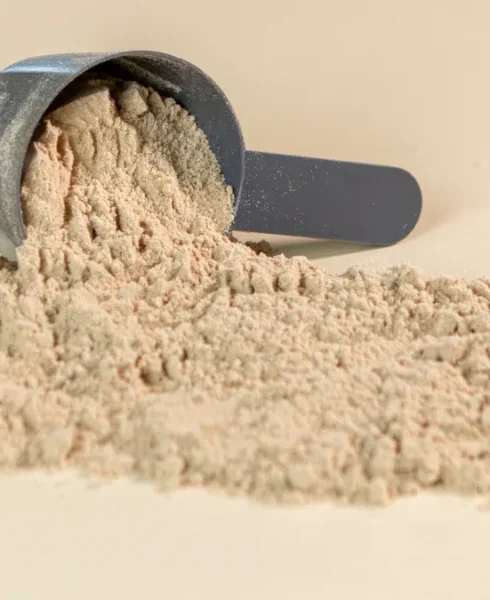
You might see powdered seasonings stick together in your kitchen. When this happens, it is hard to measure or sprinkle them. Companies have the same problem when clumps hurt their products and how they make them. Silicon dioxide e551 is an anticaking agent in food. It helps powders stay loose and easy to use.
Clumping causes bad mixing and makes it hard to control portions.
Powders do not last as long when they stick together.
Brands lose trust if you have trouble using their products.
Key Takeaways
Anticaking agents like silicon dioxide E551 help powders stay loose. They stop seasonings from sticking together and forming lumps.
Keep powdered seasonings in a cool, dry spot. Make sure the temperature is under 73°F. This helps keep moisture away and stops clumping.
Silicon dioxide E551 is safe to eat. Food safety experts like the FDA and EFSA say it is okay.
Anticaking agents make spices last longer and taste better. They help spices stay fresh and keep their flavor.
Pick natural anticaking agents for cleaner labels. This gives you healthier choices in your seasonings.
Why Powdered Seasonings Clump
Moisture and Humidity Effects
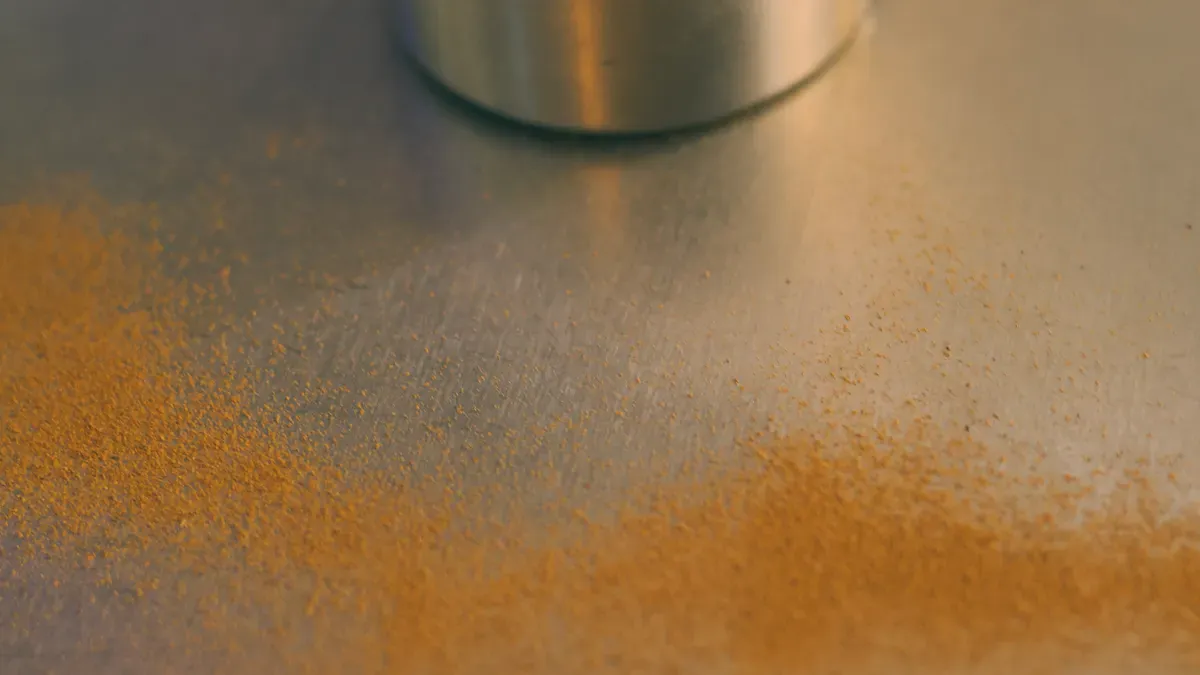
Sometimes, your powdered seasonings stick together. This happens because there is water in the air. When you open a spice jar, the powder can soak up this water. This makes the powder clump, so it is hard to pour or shake out. If you live where it is humid, you will see this more.
Spices can stick together in the jar from water, changes in temperature, and air. When spices get wet, they soak up the water and clump. This happens a lot with salt or mixes with salt, because salt pulls in water.
Caking starts when the outside of the powder gets wet. The powder then sticks and forms lumps. If you put powder into something wet, the outside can make a shell. This shell keeps water out, so the inside does not mix well.
The lumps that form when you add powder to something wet happen because the powder does not get wet right. When powder hits liquid, the outside can make a hard shell. This shell stops water from getting to the inside, so the powder does not break up or mix in.
Scientists found that caking happens in steps. First, the powder takes in water. Then, the pieces stick together. Last, the powder packs tight and makes hard lumps. High humidity makes caking worse. You can stop this by keeping seasonings dry and closed.
When powder soaks up water, it stops flowing and clumps.
Humid air can make powders clump by adding more water.
Powders that get wet change and go from loose to clumpy.
More humidity can raise water in powders, causing caking.
When powders change from glassy to soft, they can cake more in humidity.
Storage and Ingredient Factors
How you keep your seasonings matters for caking. If you store spices somewhere warm, they will clump faster. Heat makes this happen quicker. You should keep powdered seasonings below 73°F to stop caking.
Hot places make powdered seasonings clump more.
Seasonings with lots of sugar are a bigger problem.
Store powdered seasonings at 73°F or lower to stop clumping.
What is in your seasonings also matters. Natural spices can hold water, so they lump up when left in the air. Powders that are ground very fine have more surface, so they soak up water fast. This makes caking happen more. Cheap spices may have things added that cause caking. If the powder pieces are not the same size, lumps can form.
Natural ingredients can keep water, so they clump in air.
Fine powders have more surface, so they soak up water and clump.
Cheap spices might have things added that make them clump.
If powder pieces are not the same size, they can clump.
To keep your seasonings fresh, store them in a cool, dry spot. Always close the lid tight. Do not let them get wet. These tips help stop caking and keep your spices easy to use.
How Anticaking Agents Like Silicon Dioxide E551 Work
Mechanism of Anticaking Agents
Powders clump when they get wet. Anticaking agents fix this in two ways. Some agents soak up water from the air. Others cover powder grains so they do not stick.
Moisture absorption keeps powders dry. Calcium silicate pulls water away from powders. This stops liquid bridges from forming.
Surface coating puts a thin layer around each grain. This layer keeps grains apart and stops sticking. Hydrophobic coatings like silicon dioxide e551 work well.
Anticaking agents help keep seasonings loose and easy to pour. They stop moisture from making lumps.
You notice a big difference with anticaking agents. Studies show treated powders stay loose in humid air. Untreated powders clump and make hard lumps. Composite agents mix surfactants and polymers to keep powders loose.
Role of Silicon Dioxide E551
Silicon dioxide e551 is a popular anticaking agent. You find it in many powdered foods. Its chemical structure has silicon and oxygen in SiO₄ tetrahedra. This gives it a large surface area.
Silicon dioxide e551 coats powder grains. Fine particles cover each grain and keep them apart. This stops moisture from sticking grains together. Silica particles also soak up water, so powder stays dry.
If humidity goes up, moisture collects between grains. Silicon dioxide e551 keeps grains apart and soaks up extra water. Powders pour easily and do not form lumps.
Manufacturers use silicon dioxide e551 because it works well and is safe. It keeps seasonings loose during storage and transport. You can trust your spices will stay fresh and easy to use.
Other Common Anticaking Agents
You see other anticaking agents in food besides silicon dioxide e551. These agents help keep powders loose and stable.
Magnesium carbonate (E504)
Talc (E553a)
Manufacturers pick agents based on powder type and conditions. Calcium silicate soaks up water well. Magnesium carbonate keeps powders dry and stable. Talc works as a surface coating.
New anticaking agents are also used. Agar, carrageenan, and alginate are natural options. Agar gels desserts. Carrageenan improves texture in dairy and drinks. Alginate thickens and stabilizes processed foods.
Anticaking Agent | Main Function | Common Uses |
|---|---|---|
Silicon dioxide e551 | Surface coating, moisture adsorption | Seasonings, spices, powdered foods |
Calcium silicate | Moisture absorption | Salt, baking powder |
Magnesium carbonate | Moisture absorption | Confectionery, spices |
Talc | Surface coating | Rice, powdered mixes |
Agar | Gelling agent | Desserts, confectionery |
Carrageenan | Texture, stability | Dairy, beverages |
Alginate | Thickener, stabilizer | Processed foods |
The food industry uses more anticaking agents as processed foods grow. Urban areas and packaged foods drive this trend. Manufacturers want products to stay fresh and easy to use. Food safety rules also push companies to use anticaking agents. You get better texture and longer shelf life in your seasonings.
Tip: Pick natural anticaking agents if you want clean label products. Many companies now change their powders to match health trends.
Benefits of Anticaking Agents in Seasonings
Improved Texture and Flowability
You want your powdered seasonings to pour easily. Anticaking agents help powders stay loose. They stop lumps from forming. This makes it easy to measure and sprinkle. You can mix seasonings into recipes without trouble. Dried herbs and powdered flavorings need anticaking agents. These agents keep powders from clumping. You get smooth texture and flavor every time you cook. Spice products in France use silicon dioxide or calcium silicate. These agents keep food stable while stored.
Anticaking agents keep food fresh and simple to use. You do not get upset when cooking or baking.
Enhanced Shelf Life and Stability
Anticaking agents protect food from moisture. You can store powdered seasonings for a long time. You do not worry about clumping. This keeps quality and flavor strong. Spices and baking powders last longer with anticaking agents. These agents stop moisture from getting in. More people buy packaged and processed foods now. The need for anticaking agents is rising. You get longer shelf life and steady results.
Anticaking agents stop moisture and clumping in food.
They make spices and baking powders last longer.
Dried herbs and flavorings stay stable in storage.
The spice, seasonings, and condiments segment is big in Europe.
Many foods use anticaking agents to keep quality high.
Manufacturing Efficiency
Anticaking agents help factories make food faster. They cut down on problems. You get food that is safe and consistent. Anticaking agents lower equipment downtime by half. Production lines run much faster. Cleaning happens less often. Maintenance costs drop a lot. Product rejection rates go down. Factories depend on anticaking agents to keep food moving.
Benefit | Impact on Food Products |
|---|---|
Reduced downtime | More efficient production |
Faster line speed | Increased output |
Extended cleaning | Less frequent maintenance |
Lower rejection rates | Higher quality food products |
You get food that is easy to use, lasts longer, and meets high standards. Anticaking agents make this happen.
Safety of Silicon Dioxide E551
Food-Grade Safety and Regulations
You might wonder if silicon dioxide E551 is safe in food. Food safety experts have checked this additive for a long time. Both EFSA and the FDA say it is safe to use. The FDA lets companies add up to 2% by weight in foods. EFSA did a full risk check and toxicology tests. These tests look at if it is toxic, if it can hurt genes, and how much people eat. In 2024, EFSA said people eat much less than the safe limit. You do not need to worry about health risks from normal use.
EFSA’s experts looked at many tests, even long ones on rodents. They found no signs of harm or gene damage at food-use levels. The experts also checked how much people eat and said it is safe for everyone, even babies.
You can see how different places approve silicon dioxide E551 in this table:
Region | Regulatory Standard | Approval Process |
|---|---|---|
European Union | Approved as an anti-caking agent under Regulation (EC) 1333/2008 | Rigorous approval process for synthetic amorphous silica in food, cosmetics, and pharmaceuticals. |
United States | Approved by FDA for use up to 2% by weight | Safety evaluation includes toxicological studies and risk assessment. |
Asia | Approved in many countries | Local food safety authorities conduct their own safety evaluation and exposure assessment. |
Your body does not take in much silicon dioxide from food. Studies show less than 5% is absorbed. Most of it just passes through your body.
Natural Occurrence and Misconceptions
Silicon dioxide is found in many foods and in nature. You can find it in leafy greens, oats, brown rice, beets, and bell peppers. It is also in baby formula, cereals, dry powders, coffee, and tea. Silicon dioxide is a natural part of the earth and plants.
Some people worry about silicon dioxide E551 because they mix it up with crystalline silica. Breathing in crystalline silica dust for a long time can hurt your lungs. But the kind used in food is different and safe. Experts like the FDA and EFSA say food-grade silicon dioxide is safe for everyone, even babies. There is no proof that eating it in food causes health problems.
You can trust food safety experts. They do many tests before saying silicon dioxide E551 is safe to eat. Their advice helps keep your food safe.
Now you understand why anticaking agents are important in powdered seasonings. These agents help your spices stay fresh and simple to use. They also make sure your food is safe. You can count on food science to help you have better meals every day.
When you grab your favorite spice, think about the science that keeps it just right.
FAQ
What is an anticaking agent?
Anticaking agents are added to powders. They stop grains from sticking together. This helps powders stay loose and easy to pour. You see them in seasonings, baking mixes, and other dry foods.
Is silicon dioxide E551 safe to eat?
Silicon dioxide E551 is safe to eat in food. The FDA and EFSA say it is okay. Your body takes in only a tiny bit. Most of it leaves your body without harm.
Can I avoid anticaking agents in my seasonings?
You can pick seasonings without anticaking agents. Look for clean labels or organic choices. Keep your spices dry to help stop clumping.
Do anticaking agents change the taste of seasonings?
Anticaking agents do not change the taste. They are used in very small amounts. They keep powders loose but do not change flavor or smell.
Where else do you find anticaking agents?
Anticaking agents are in many foods. You see them in powdered drink mixes, instant soups, and baking powders. Companies use them to keep foods fresh and easy to use.