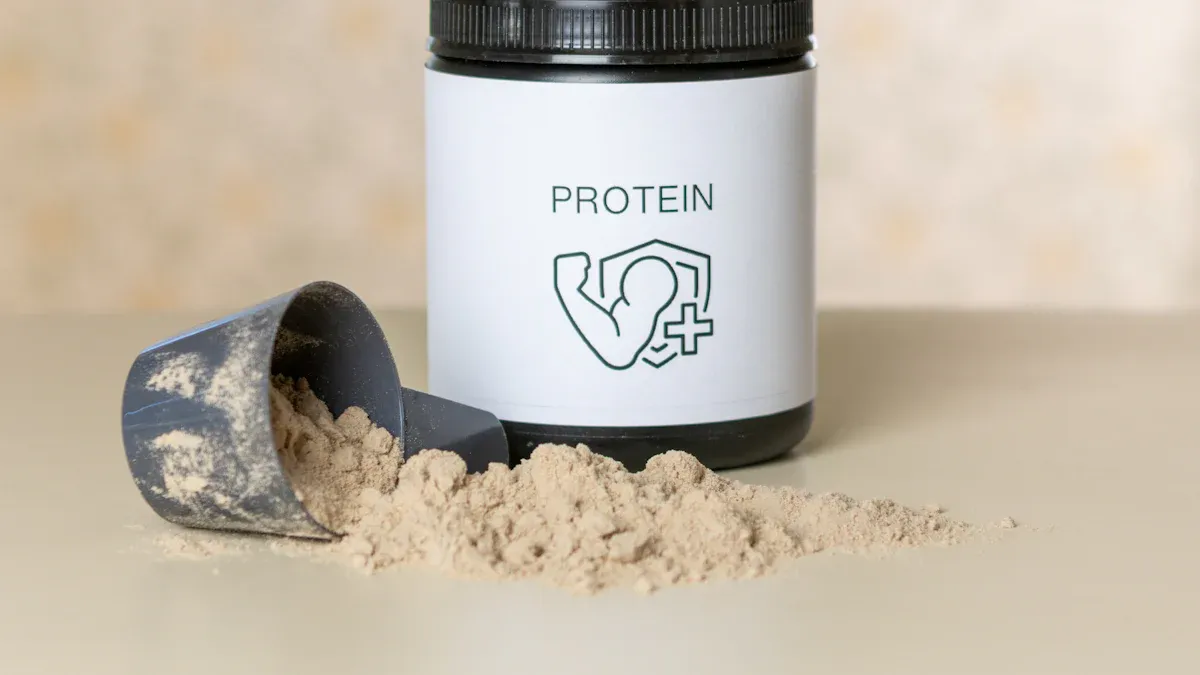
You see Pea Protein vs Soy Protein in many plant foods. Both provide good nutrition and can be used in various ways. Soy protein holds about 35% of the world market, valued at 3.7 billion dollars. In contrast, pea protein has 25% of the market and is growing rapidly. Many people choose pea protein for its health benefits and because it is more sustainable for the planet. Essential amino acids are crucial for muscles, mood, and your immune system. To stay healthy, you need phenylalanine, valine, threonine, tryptophan, methionine, leucine, isoleucine, lysine, and histidine.
Pea protein is particularly popular among those who prioritize health. It offers a well-rounded mix of amino acids and has fewer allergens compared to soy protein.
Key Takeaways
Pea protein helps muscles grow because it has lots of BCAAs. Soy protein is a complete protein. It gives you all nine essential amino acids. This makes soy protein good for full nutrition. Pea protein usually does not cause allergies. It is safer for people with food allergies than soy protein. Both proteins are easy to digest. Pea protein may be easier for people with sensitive stomachs. Think about your diet and what you like before picking pea or soy protein for your meals.
Pea Protein vs Soy Protein: Key Differences
Amino Acid Profile Overview
When you look at Pea Protein vs Soy Protein, you will notice they are not the same. Soy protein gives you all nine essential amino acids. This means it is a complete protein. But, phytic acid in soy can make it harder for your body to use some amino acids. Pea protein also has all the essential amino acids. It has a little less methionine than soy. You can get more methionine by eating grains with your meal.
Pea protein has more branched-chain amino acids (BCAAs) than soy protein. BCAAs help your muscles grow and heal after you exercise. If you want to build muscle or recover faster, pea protein is a good choice.
Here is a table that shows how the two proteins are different:
Amino Acid | Pea Protein (per 30g) | Soy Protein (per 30g) |
|---|---|---|
Essential Amino Acids | More than soy | Slightly less |
Tryptophan | Slightly less | More |
Branched-Chain Amino Acids | Less than 5g | |
Methionine | Present | Less |
You can see both proteins are healthy, but they have different strengths. Pea protein is better for muscle growth. Soy protein is a little more complete.
Formulation Suitability
When you pick Pea Protein vs Soy Protein for making foods, you should think about how easy they are to digest, allergies, and special diets. Both proteins are easy for your body to use. Scientists use a score called PDCAAS to show how well your body can use protein. Soy protein has a PDCAAS score of about 1.0. This is the highest score. Pea protein has a score of about 0.82. This is still a good score.
Criteria | Pea Protein | Soy Protein |
|---|---|---|
PDCAAS score | ~1.0 | |
Digestibility | High – easy on the gut | High – well-studied |
Allergies are another thing to think about. About 3 out of every 1,000 adults are allergic to soy. Some people think pea protein does not cause allergies. But new reports say that some people can be allergic to concentrated pea protein. Still, pea protein is not one of the nine major food allergens. Many companies use pea protein in foods for people who want to avoid common allergens.
You might pick pea protein if you want a hypoallergenic, gluten-free, or vegan choice. Soy protein is also vegan and gluten-free. But it is a common allergen. If you have allergies, pea protein is usually safer.
Tip: If you want to stay away from allergens and still get good protein, pea protein is a smart choice. If you want the most complete amino acid profile, soy protein is a strong pick.
Pea Protein vs Soy Protein both have good points. You should choose based on your health, your diet, and how you want to use the protein.
Pea Protein Overview
Source & Production
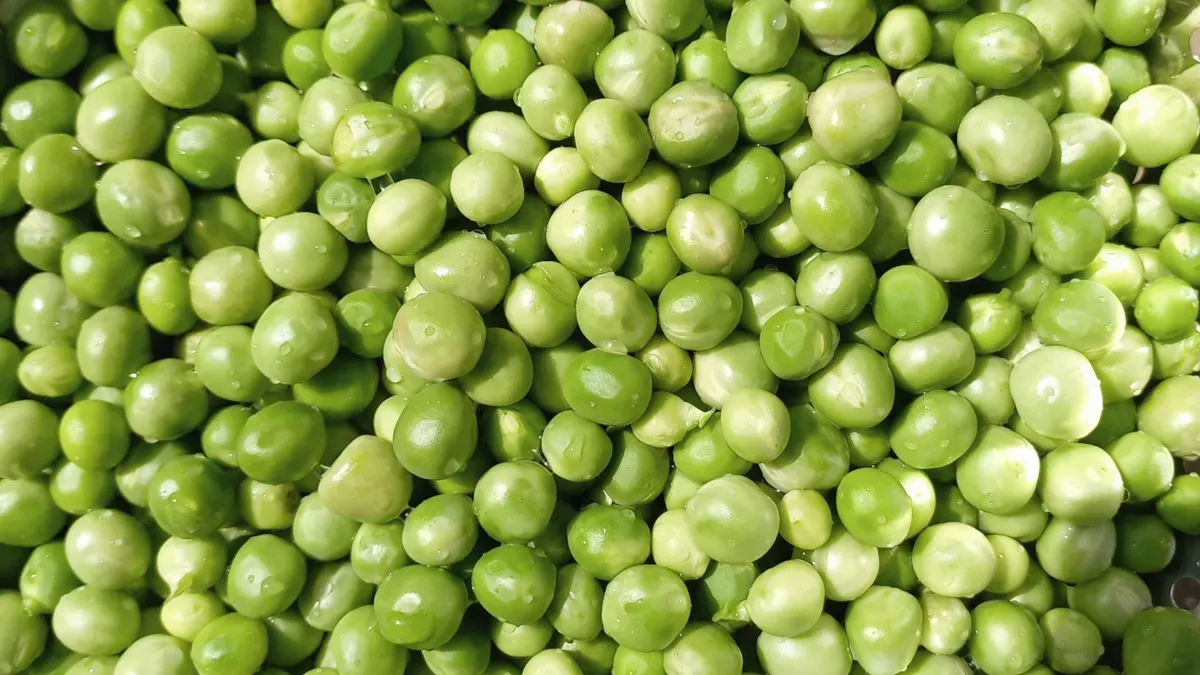
Pea protein comes from yellow split peas. Farmers grow these peas in many places, like the United States and Canada. After picking the peas, workers clean and dry them. Then, they use special ways to get the protein out. The University of Minnesota found that some extraction methods work better. Alkaline solubilization with isoelectric precipitation and salt solubilization with membrane filtration help a lot. These methods make pea protein more pure and give a higher yield. They also help pea protein isolates mix better in water. This makes them work better than many soy protein isolates. These new ways help you because pea protein is easier to use in foods and drinks.
Protein Quality
Pea protein has a good amount of essential amino acids. You can use it to help your muscles and health. Scientists use scores like PDCAAS and DIAAS to check protein quality. Pea protein isolate has a PDCAAS score of 0.82. This means it is a high-quality plant protein. But it is not as high as whey or soy protein. You can see the scores in this table:
Food | PDCAAS Score |
|---|---|
Pea Protein | 0.82 |
Soy Protein | 1.0 |
Whey Protein | 1.09 |
Pea protein isolate also has a DIAAS of 0.82. This shows it is a good choice for plant-based diets. But you might need to eat other foods to get all the amino acids you need.
Common Uses
Pea protein is in many foods and drinks. Companies like it because it works well in recipes and tastes mild. Here are some ways people use it:
Plant-based meat substitutes like burgers and sausages
Dairy alternatives such as non-dairy yogurts and milks
Functional beverages
Snacks
Bakery items
Tip: You can add pea protein to your meals if you want more protein without common allergens. It is a good fit for vegan and gluten-free diets.
Soy Protein Overview
Source & Production
Soy protein comes from soybeans. Farmers grow soybeans in places like the United States, Brazil, and China. After picking the beans, workers clean them. Then, they take out the protein. Most companies use water or alcohol to get soy protein isolates and concentrates. These ways remove fat and carbohydrates. This leaves a product with a lot of protein.
Making soy protein can hurt the environment. Sometimes, forests are cut down for soy farms, especially in South America. Some soybeans are genetically changed, and some people worry about that. But plant-based proteins use much less water and land than animal proteins. Making one pound of soy protein uses up to 90% less water than beef or pork. Many companies try to make better ways to get the protein and waste less. When you pick plant-based proteins, you help the planet.
Growing soybeans can cause deforestation and uses GMOs.
Plant-based proteins need less water and land than animal proteins.
Making plant-based protein uses up to 90% less water than animal protein.
The market is growing because people want healthy and green choices.
Companies are finding new ways to make less waste and work faster.
Protein Quality
Soy protein has all nine essential amino acids. This means it is a complete protein. It helps your muscles, bones, and immune system. Soy protein isolate has a PDCAAS score of 1.0. Your body can use it very well. You find soy protein in many foods because it mixes well and tastes mild. You can use soy protein to stay healthy, especially if you eat only plants.
Note: Soy protein is one of the best plant proteins for quality and completeness. It is almost as good as animal protein.
Common Uses
Soy protein is in many foods and drinks. Food makers use soy protein isolates and concentrates to add nutrition and make food feel better. Soy protein can mix and gel, so it can take the place of eggs in recipes.
Dairy foods and fruit drinks
Power bars and protein powders
Soups and sauces
Meat substitutes like veggie burgers and sausages
Baked goods and breakfast cereals
Soy protein makes foods healthier and work better. You can find it in snacks, cereals, and meat substitutes. Many people use soy protein to get more protein without eating animal foods.
Amino Acid Profile Comparison
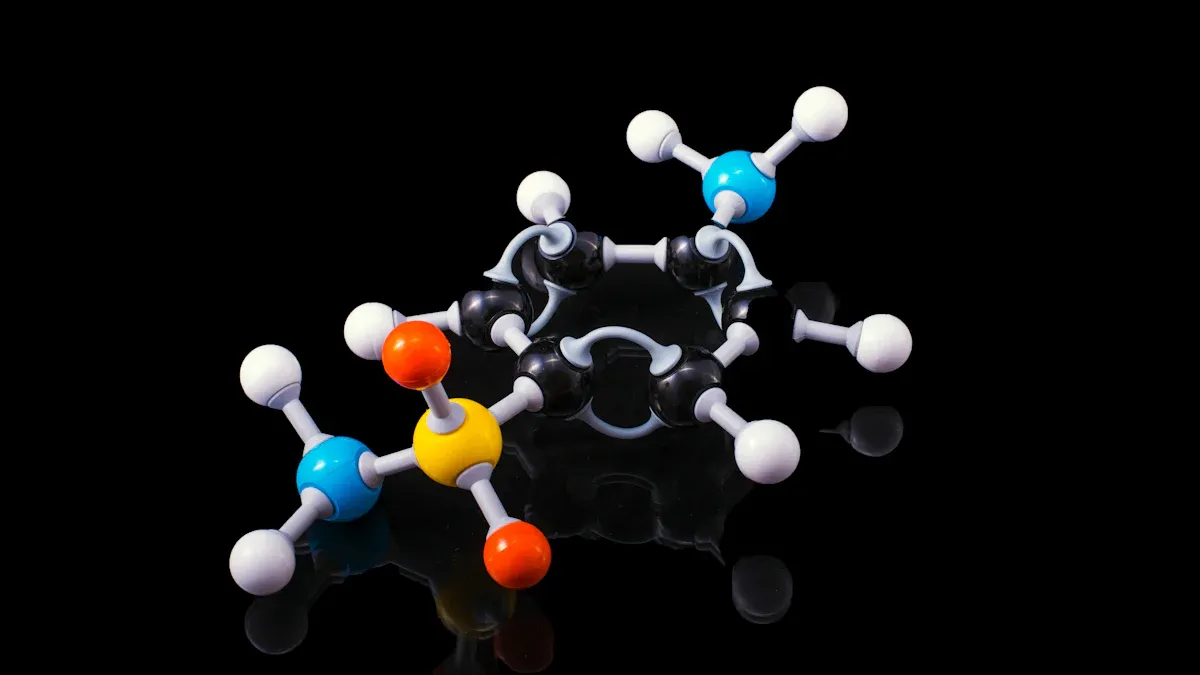
Lysine, Methionine, and Leucine
Pea protein and soy protein have some different amino acids. Your body needs these to build muscle and fix tissue. They also help you stay healthy. Lysine, methionine, and leucine are very important for your body.
Lysine helps you grow and keeps your immune system strong. Both pea protein and soy protein have a lot of lysine.
Leucine is a branched-chain amino acid. It helps your muscles heal after you exercise. Pea protein has a lot of leucine. This is good if you want to build muscle.
Methionine is an essential amino acid. Pea protein has less methionine than soy protein. You need methionine for healthy hair, nails, and cells.
Cysteine works with methionine in your body. Pea protein has less methionine and cysteine. If you only eat pea protein, you might need to eat grains too. This helps you get enough of these amino acids.
Tip: Try mixing pea protein with other plant foods. This gives you a better mix of amino acids.
Essential Amino Acids
Your body cannot make essential amino acids. You must get them from food. There are nine essential amino acids. Soy protein gives you all nine in the right amounts. This makes soy protein a complete protein. Pea protein also has all nine, but it has less methionine and cysteine.
Here are the amino acids that are lower in pea protein:
Methionine
Cysteine
Soy protein is a complete protein. This is good for people who want all their amino acids from plants.
Scientists use a score called PDCAAS to see how well your body uses protein. A higher score means your body can use the protein better. Here is a table that shows the PDCAAS scores for pea protein and soy protein:
Protein Type | PDCAAS Score |
|---|---|
Pea Protein | ~0.82 |
Soy Protein | ~1.0 |
Soy protein is a complete protein. It has all essential amino acids.
Soy protein has a higher PDCAAS score, up to 1.00. Pea protein has a score around 0.82.
This difference matters for nutrition, muscle building, and meeting your diet needs.
When you compare Pea Protein vs Soy Protein, soy protein has a higher PDCAAS score. This means your body can use soy protein more easily. Pea protein is still a good choice, especially if you eat it with other foods. Pick the protein that works best for you.
Nutritional & Health Considerations
Digestibility
Your body needs to use protein well. Both pea protein and soy protein are easy to digest. Studies show your stomach can handle these proteins. Here are the digestibility facts:
Pea protein is easy to digest and gentle on your stomach.
Soy protein is also easy to digest and has been tested a lot.
Some people feel that pea protein is softer on their stomach. Soy protein has been used for many years and works for most people. If your stomach is sensitive, you can try pea protein first.
Tip: Mixing pea protein with other foods helps your body use amino acids better.
Allergen Risks
It is important to know about allergies before picking a protein. Soy protein is one of the main allergens. If you are allergic to soy, do not eat soy protein. Pea protein does not cause allergies for most people, but some can react. Here are some facts:
Soy is a big allergen and not safe for people with soy allergies.
Pea protein is usually safe, but some people can be sensitive.
Soy allergy is not as common in kids as other allergies. About 70% of kids stop being allergic by age 10.
Pea protein can cause allergies. Stronger forms can cause bigger reactions. There have been six cases of strong reactions.
If you want to stay away from allergens, pea protein is safer. Always read labels and try a little first.
Anti-Nutrients
You should think about anti-nutrients too. These are natural parts of legumes that can make protein and minerals less useful. Both pea protein and soy protein have anti-nutrients:
Protease inhibitors, lectins, tannins, saponins, and phytates can make it harder for your body to use protein and amino acids.
Pea protein has phytates, lectins, and trypsin inhibitors.
Trypsin inhibitors make it harder to digest protein.
Lectins can block sugar and nutrients from moving in your body. They might hurt your gut lining.
Phytates stick to minerals like iron, zinc, and calcium. This makes it harder for your body to use these minerals.
Processing can lower these anti-nutrients. If you pick well-processed proteins, you get better nutrition.
Note: You can help your body use minerals by eating different foods and picking proteins that are processed to lower anti-nutrients.
Formulation & Functional Properties
Flavor & Solubility
When you taste pea protein and soy protein, you notice they taste different. Pea protein tastes mild if you use a small amount. It works well in smoothies and baked goods. If you use more pea protein, it can taste “beany” or “green.” Soy protein has a stronger taste. Many people say soy protein tastes different and is hard to hide. This makes some foods with soy protein less enjoyable.
Protein Type | Flavor Profile | Acceptability | Off-flavors Description |
|---|---|---|---|
Pea Protein | Some people like it at low levels | Good at 75% in sponge cake | Tastes “beany” and “green” at high levels |
Soy Protein | Not liked as much because of taste | Has compounds that cause strong flavors |
Solubility is important when you mix protein into foods. Heating pea protein helps it dissolve better. Pea protein thickens soups, sauces, and smoothies. It blends well and makes foods thicker. Soy protein also dissolves well in shakes and baked goods. Both proteins help foods stick together and feel better.
Pea protein thickens foods and mixes well in recipes.
Tip: If you want a protein that mixes easily and tastes mild, pea protein is a good choice for most foods.
Product Applications
Pea protein and soy protein are used in many plant-based foods. Pea protein is found in milks, yogurts, snack bars, vegan meats, and veggie burgers. Soy protein is used in shakes, baked goods, cereals, and meat substitutes. Both proteins help you get more nutrition from plant foods.
Product Type | Pea Protein Usage | Soy Protein Usage |
|---|---|---|
Plant-based milks | Yes | No |
Yogurt | Yes | No |
Snack bars | Yes | Yes |
Vegan meats | Yes | Yes |
Veggie burgers | Yes | Yes |
Protein powders | Yes | Yes |
Protein shakes | No | Yes (Soy Protein Isolate) |
Baked goods | No | Yes (Soy Protein Concentrate) |
Breakfast cereals | No | Yes (Soy Protein Concentrate) |
Textured meat substitute | No | Yes (Textured Soy Protein) |
Soy protein isolate is used in shakes, bars, and meat substitutes.
Soy protein concentrate is used in baked goods and cereals.
Textured soy protein is used instead of meat in vegetarian foods.
You can pick pea protein for milks and yogurts if you do not want soy. Soy protein works best in shakes, baked goods, and meat substitutes.
Choosing the Best Protein
Dietary Suitability
You need to pick a protein that matches your needs. Some people have allergies or food problems. Soy protein is one of the eight main allergens. If you are allergic to soy, you should not eat it. Pea protein is usually safer for people with allergies. Most people do not have problems with pea protein, but a few might. You can see the difference in this table:
Protein Type | Allergenic Potential |
|---|---|
Soy Protein | One of the eight major allergens; should be avoided by those with soy allergies. |
Pea Protein | Generally hypoallergenic; safer for individuals with common food allergies, including soy. However, some may still have sensitivities to peas. |
If you eat vegan or gluten-free foods, both proteins are good. You can use either one to get enough protein. If you want to stay away from common allergens, pea protein is a better pick.
Tip: Always read food labels if you have allergies. Try a little bit first to see how you feel.
Application in Plant-Based Foods
You can use both proteins in lots of plant foods. Pea protein tastes mild. It does not change the taste of your food much. This makes it easy to add to smoothies, soups, and baked treats. Pea protein also mixes well in drinks and makes foods thicker. It works well in plant-based meats and dairy-free foods because it forms gels and holds water.
Here is a table that shows how pea protein helps in food products:
Property | Description |
|---|---|
Flavor | Pea protein has a neutral taste, making it suitable for enhancing protein content without altering flavors. |
Emulsification | It has strong emulsifying properties, promoting stability in liquid and spray-dried emulsions. |
Solubility | Good solubility in neutral to slightly alkaline pH, ideal for beverages and liquid products. |
Gelation | Gels when heated, improving texture in plant-based meats and dairy alternatives. |
Viscosity | Acts as a thickening agent, enhancing consistency in soups, sauces, and smoothies. |
Soy protein also works well in many foods. It gives shape to meat substitutes and helps baked goods rise. Some people think soy protein tastes stronger. You might like pea protein more if you want a milder taste.
When you look at Pea Protein vs Soy Protein, think about your diet, allergies, and what foods you want to make. You can find the best one for you by thinking about taste, texture, and how your body feels.
You should pick a protein that fits your health and taste. Pea protein is gentle on your stomach. It usually does not cause bloating or allergies. Soy protein has all the amino acids your body needs. It also gives you more calcium. Both proteins have some things called anti-nutrients. They also taste different from each other. Look at this table for quick tips:
Protein Type | Benefits | Considerations |
|---|---|---|
Pea Protein | Has lots of BCAAs, iron, magnesium, and fiber; easy to digest | Does not have all amino acids |
Soy Protein | Has all amino acids; high in calcium and potassium | Can cause bloating; can cause allergies |
Use blends with leucine if you want to build muscle.
How it tastes and how easy it is to digest are important.
Think about anti-nutrients and taste before you choose.
FAQ
Can you use pea protein if you have a soy allergy?
Yes, you can use pea protein if you have a soy allergy. Pea protein is not one of the major allergens. Always check labels and try a small amount first.
Which protein is better for building muscle?
Protein Type | Muscle Support |
|---|---|
Pea Protein | High (BCAAs) |
Soy Protein | High |
You get strong muscle support from both. Pea protein has more BCAAs, which help your muscles recover.
Does pea protein taste better than soy protein?
You may find pea protein tastes milder. Soy protein often has a stronger flavor. Try both in shakes or recipes to see which you like best.
Is soy protein safe for kids?
Soy protein is safe for most kids. If your child has a soy allergy, avoid it. Many children outgrow soy allergies by age 10.
Can you mix pea protein with other foods?
You can mix pea protein with grains, nuts, or seeds. This gives you a better balance of amino acids and improves nutrition.