What links spirulina and phycocyanin in nutrition Phycocyanin is the key antioxidant pigment in spirulina, boosting its nutritional and anti-inflammatory benefits for better health. Read more
Comparing Cellulose Gum and Carrageenan in Food Products Cellulose gum vs carrageenan: compare safety, health risks, and uses in food to help you choose the best additive for your diet and digestive health. Read more
Top 3 spirulina and chlorella benefits for better health Spirulina and chlorella benefits include immune support, heart health, and detox. Find out how these superfoods boost energy and overall wellness. Read more
Top 5 Astaxanthin Rich Foods That Boost Wellness Astaxanthin rich foods like marine algae, salmon, trout, shrimp, and crab help boost wellness, support skin, eyes, and aid recovery. Read more
What is Sodium Stearoyl Lactylate and Why Is It Used in Food Sodium Stearoyl Lactylate is a food additive that improves texture, keeps baked goods fresh, and is FDA-approved for safe use in many products. Read more
Sodium Dihydrogen Phosphate in Food and Industry Sodium dihydrogen phosphate helps control pH, preserve foods, and improve product quality in food processing and industrial applications. Read more
What is the Role of Sodium Pyrophosphate in Food Sodium pyrophosphate improves texture, preserves color, and acts as a leavening agent in food, while meeting safety standards for consumption. Read more
What Is Soybean Polysaccharide and Why Does It Matter Soybean polysaccharide improves food texture, shelf life, and digestive health, making it vital for plant-based drinks and snacks. Read more
How to Choose the Best Emulsifier for Your Salad Dressing Find the best salad dressing emulsifier for creamy, stable dressings. Compare natural and plant-based options to match your taste and dietary needs. Read more
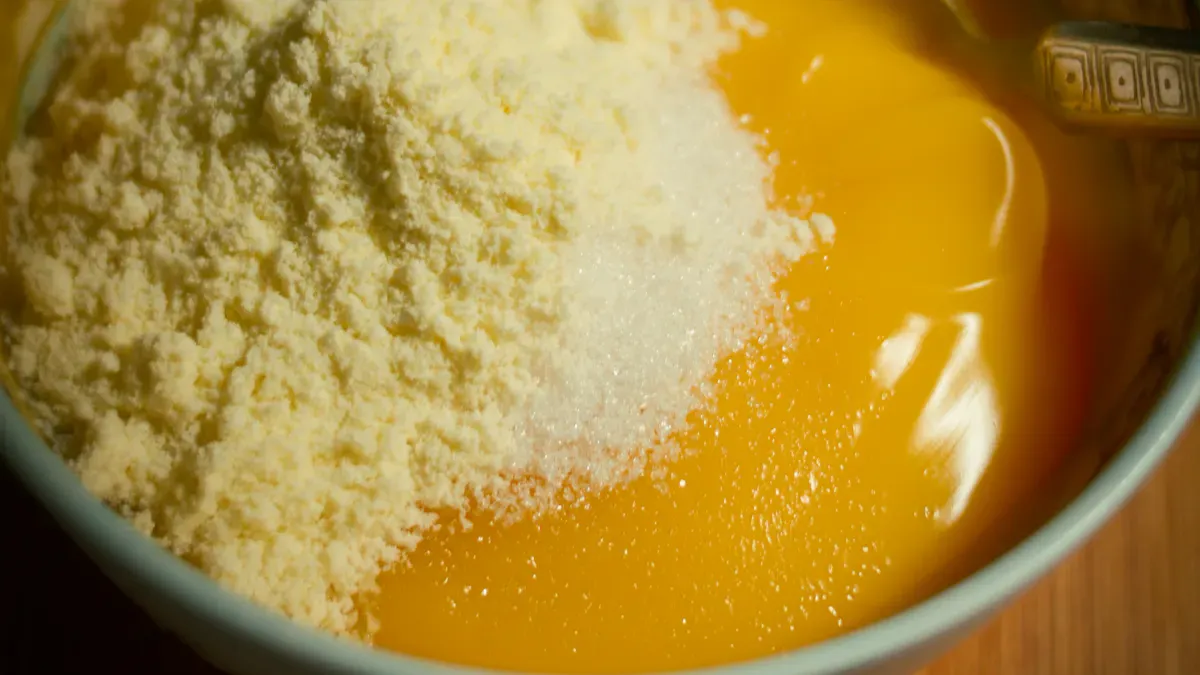
How to Use Cake Gel for Perfectly Soft Cakes Use cake gel to achieve soft, moist cakes with improved texture and extended freshness. Find tips for perfect results in every homemade cake. Read more