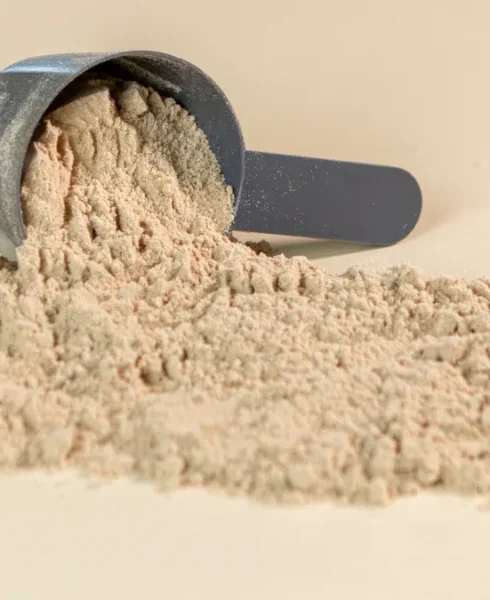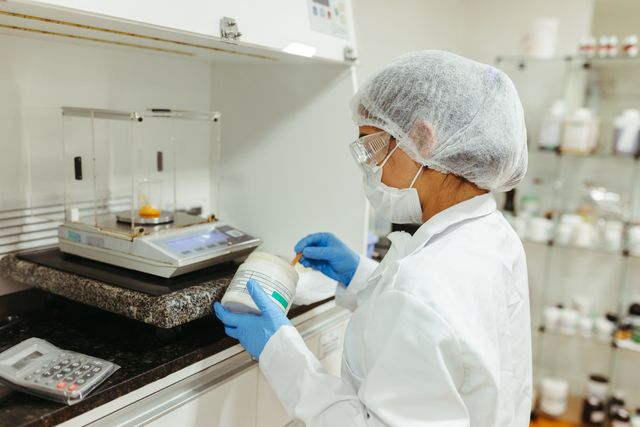
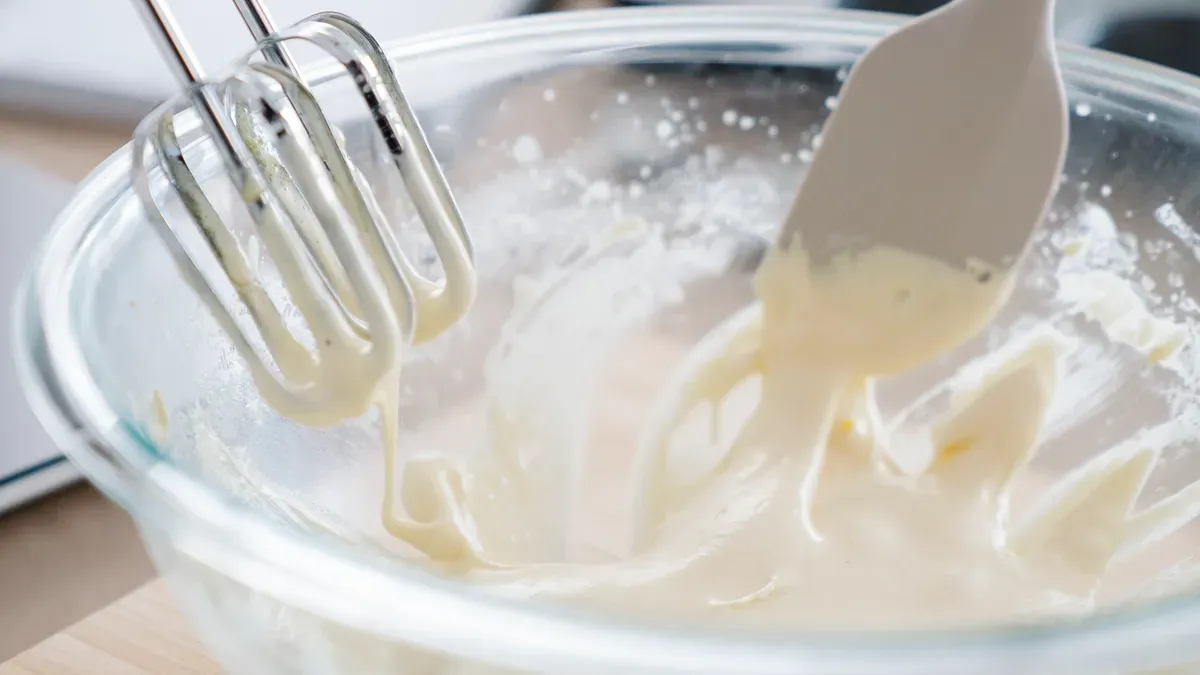
You use xanthan gum to make food smooth and steady. This powder is made by a natural process with good bacteria. It works as a thickener and a stabilizer. You can trust it to keep sauces creamy and stop them from splitting. It is useful for making foods have a nice texture every time.
Key Takeaways
Xanthan gum is a natural thickener and stabilizer. It comes from the bacterium Xanthomonas campestris. It helps sauces stay creamy. It also stops dressings from separating.
You only need a little xanthan gum to thicken liquids a lot. For best results, add it slowly. Mix it well so it does not clump together.
Xanthan gum is safe for people with allergies. It works in both hot and cold foods. This makes it useful for many different recipes.
Xanthan Gum: What It Is and How It Works
Microbial Origin and Production
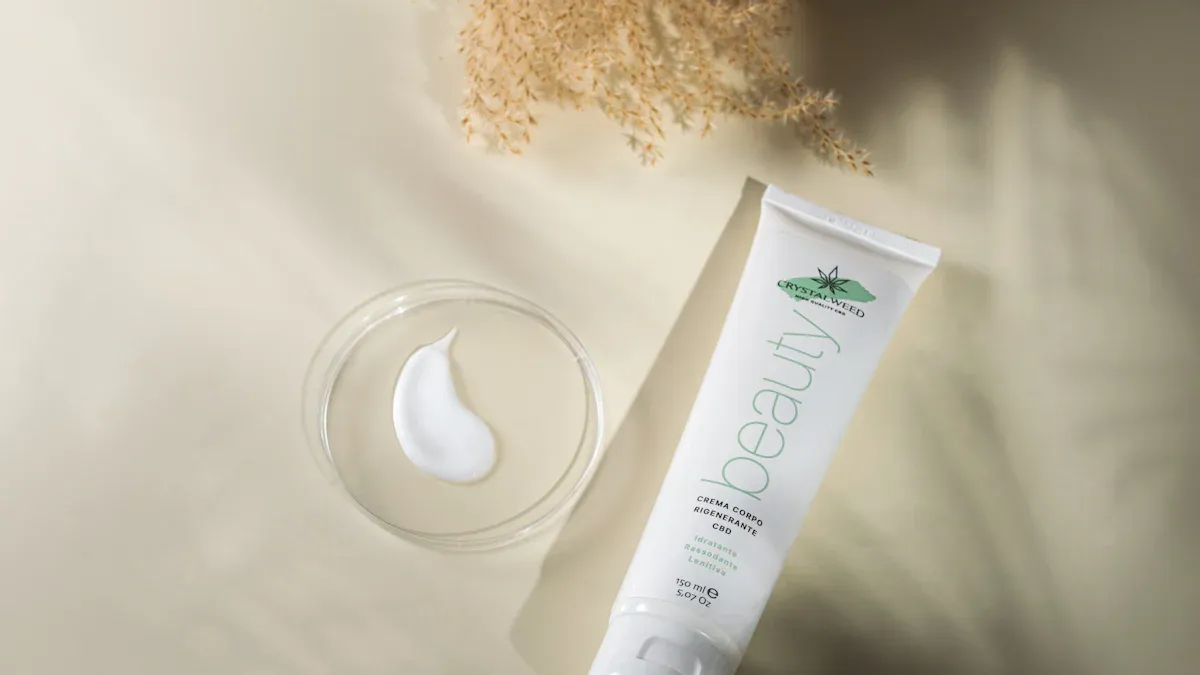
Have you ever wondered how xanthan gum is made? People make it with a bacterium called Xanthomonas campestris. This bacterium grows inside big tanks named bioreactors. Workers give the bacteria sugars to eat, like glucose or sucrose. These sugars usually come from corn, wheat, or soy plants. The bacteria use the sugars and change them into xanthan gum by fermentation. After a few days, workers filter and dry the mixture. This makes the fine powder you see in stores.
Here is a quick look at the process:
Microorganism | Fermentation Process |
|---|---|
Xanthomonas campestris | Aerobic fermentation in bioreactors with controlled pH, temperature, and aeration to produce xanthan gum. |
Raw materials: Carbohydrates from plants like corn, wheat, or soy
Microorganism: Xanthomonas campestris
Process: Fermentation in large tanks under careful control
This way of making xanthan gum is natural. It is also good for the planet. Many companies use crops that are grown in a green way. They also try to handle waste in a safe way.
Thickening and Stabilizing Properties
People use xanthan gum in food because it makes things thick and steady. It works so well because of its special structure. Xanthan gum is a polysaccharide, which means it is made of long sugar chains. These chains have a backbone made of glucose and three sugars on the sides. The shape of these chains lets xanthan gum hold water and make a thick, steady mix.
This structure gives xanthan gum some cool powers:
It makes liquids thick even if you use just a little.
It works in both hot and cold foods.
It stays strong at high heat for a short time.
Tip: A 1% solution of xanthan gum is about 100 times thicker than a gelatin solution at the same amount. You only need a tiny bit to see a big change!
Xanthan gum does not change the taste of your food. It is safe for people with allergies. Other thickeners might taste strange or cause allergies, but xanthan gum does not.
Here is a comparison:
Benefit | Xanthan Gum | Other Hydrocolloids |
|---|---|---|
Yes | Varies (may contain allergens) | |
Neutral flavor | Yes | Varies (may have distinct flavors) |
Versatility in applications | High (food, pharmaceuticals, etc.) | Varies (specific to type) |
How Xanthan Gum Prevents Separation
You see xanthan gum in foods that need to stay smooth and mixed. It helps sauces stay creamy and keeps salad dressings from splitting. It also stops bits from floating in drinks. Xanthan gum makes a network that holds water and other stuff together. This network keeps heavy parts from sinking and light parts from rising.
Scientists have learned a lot about xanthan gum:
Study | Findings |
|---|---|
Hsia, Smith, and Steffe (1992) | Xanthan gum helps batter stick to food and improves yield. |
Xiong and Blanchard (1993) | Xanthan gum tangles with proteins, making gels less likely to break apart. |
Fox, Ackerman, and Jenkins (1983) | Xanthan gum keeps water in food during cooking. |
You can find xanthan gum in many foods:
Food Product Type | Use of Xanthan Gum |
|---|---|
Sauces and Dressings | Stabilizes and prevents separation, creating a creamy texture. |
Frozen Desserts | Improves texture and prevents ice crystal formation. |
Gluten-Free Baked Goods | Acts as a gluten substitute, providing structure and cohesion. |
Beverages | Suspends flavorings and prevents separation in drinks. |
Dairy-Free Ice Creams | Ensures a smooth and stable texture. |
In salad dressings, it keeps oil and vinegar mixed.
In sauces, it stops things from sinking.
In frozen desserts, it stops ice crystals from forming.
In gluten-free baking, it helps dough stick together.
In drinks, it keeps flavors and bits spread out.
You can count on xanthan gum to keep your food looking and tasting good, no matter what you make.
Using Xanthan Gum in Food
Common Applications in Cooking
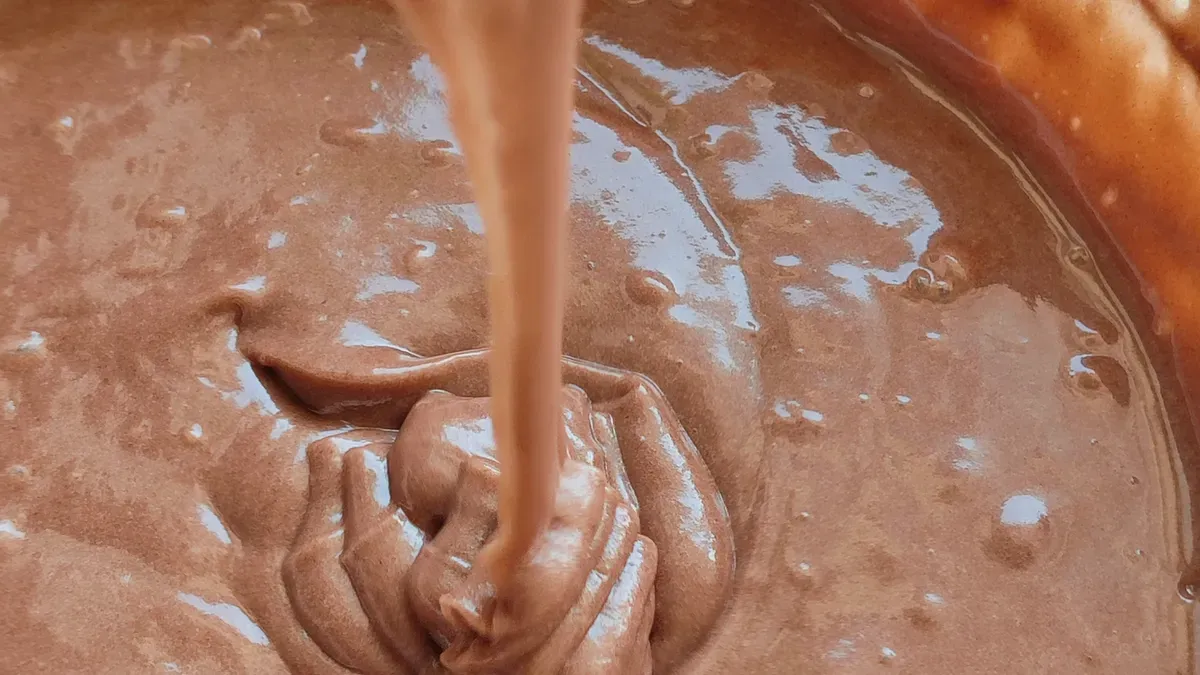
You can use xanthan gum in many ways in your kitchen. It works well for both home cooks and professionals. This ingredient helps you thicken, stabilize, and improve the texture of many foods. Here is a table showing some of the most common uses:
Application | Description |
|---|---|
Thickener | Thickens soups, sauces, and creams. You can adjust the amount for the texture you want. |
Emulsifier | Keeps oil and vinegar mixed in salad dressings. |
Gluten Replacement | Replaces gluten in gluten-free baking, giving structure and texture. |
Ice Cream Making | Stops ice crystals from forming, making frozen desserts smoother. |
You will also find xanthan gum in dishes like spinach pesto & barley salad, jus gras, pistachio gelato, and homemade pizza sauces. It helps these foods stay creamy, smooth, and stable.
How to Add Xanthan Gum to Recipes
You need to add xanthan gum the right way to get the best results. If you add it straight to a liquid, it can clump. To avoid this, try these steps:
Sprinkle xanthan gum over the liquid before you blend or whisk.
Use an immersion blender for even mixing.
Mix xanthan gum with sugar first, then add it to the liquid. This helps it spread out and dissolve better.
Tip: Always add xanthan gum slowly and mix well. This stops lumps from forming and gives you a smooth texture.
When you bake with gluten-free flour, check if the blend already has xanthan gum. If not, use about 1 teaspoon per cup of flour for bread or pizza dough. For cakes and muffins, use 1/2 teaspoon per cup of flour. Xanthan gum acts like glue, holding your dough together and making it rise.
Tips for Mixing and Dosage
You only need a small amount of xanthan gum to see a big change. Using too much can make food gummy or slimy. Here are some helpful tips:
For thin sauces, use 0.1% to 0.3% of the total weight.
For thicker sauces, use 0.3% to 1%.
In gluten-free baking, use 0.2% to 1% of the flour weight.
For beverages, use 0.08% to 0.3%.
For frozen foods, use 0.2% to 0.4%.
Here is a table to help you choose the right amount:
Food Application | Optimal Dosage Range |
|---|---|
Beverages | 0.08 – 0.3% |
Protein Drinks | 0.02% |
Frozen Foods | 0.2 – 0.4% |
Noodles | 0.2% |
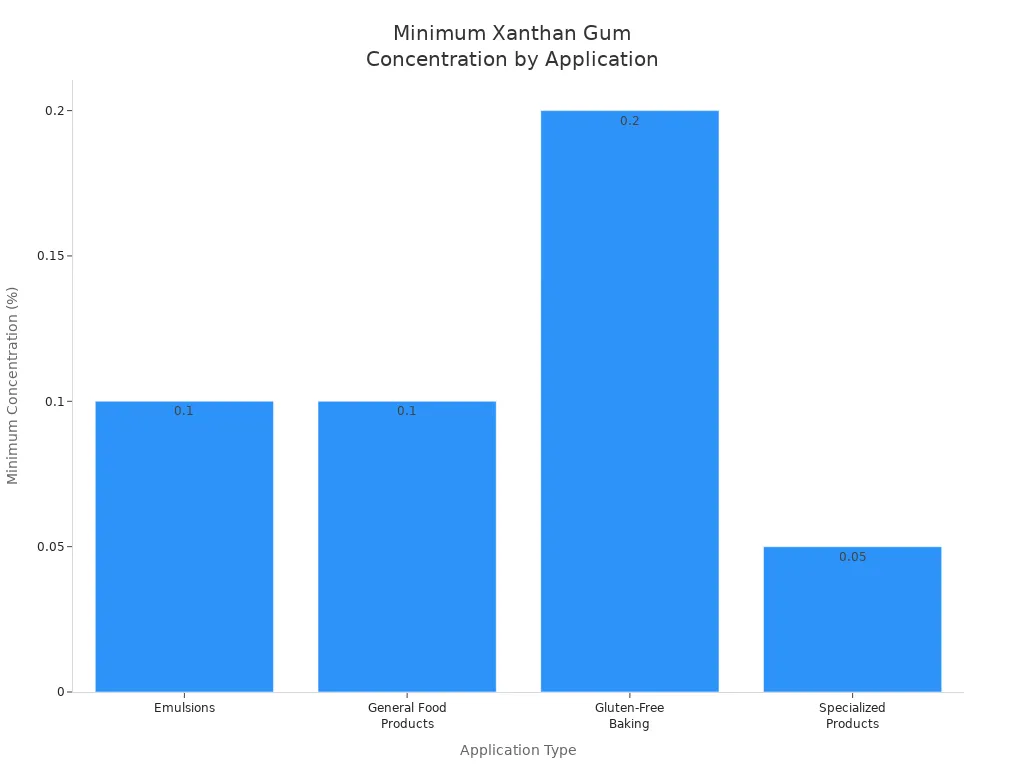
Note: If you use too much xanthan gum, your food may become too thick or sticky. You might also notice clumps in liquids. Eating large amounts can cause bloating or stomach discomfort. Always start with a small amount and add more if needed.
Benefits for Texture and Consistency
Xanthan gum gives your food a better texture and keeps it stable. In gluten-free baking, it makes dough sticky and helps it rise. Your bread and cakes will feel soft and hold together well. In sauces and dressings, xanthan gum makes them smooth and creamy. It stops oil and water from separating, so your salad dressing stays mixed.
You can use xanthan gum in both hot and cold foods. It works well in smoothies, soups, and foams. In foams, it helps bubbles stay small and even, making the foam look and feel better. You can also use it to make vegan recipes, as it can replace gelatin.
Did you know? Xanthan gum works with other ingredients like yeast and baking powder. It helps trap air in dough, so your baked goods rise and keep their shape.
You can store xanthan gum for years if you keep it in a cool, dry place. Make sure the container is closed tight to keep it fresh.
With xanthan gum, you can make foods that look and taste great every time.
You can trust xanthan gum to make foods thick and steady. It is easy to use for thickening and stabilizing. Here are some ways it helps:
Property | Advantage |
|---|---|
Thickening | Makes things thicker even with a small amount. |
Stabilizing | Keeps mixtures the same and stops them from separating. |
Temperature Stability | Works in cold and hot foods, so you can use it in many recipes. |
Xanthan gum lets you bake gluten-free snacks that do not fall apart. Many people say it works well if you measure it right. Try using it in your kitchen to make foods smooth, steady, and safe for people with allergies.
FAQ
What foods can you use xanthan gum in?
You can use xanthan gum in soups, sauces, smoothies, gluten-free bread, and salad dressings.
Try it in both hot and cold recipes.
Is xanthan gum safe for people with allergies?
Yes, xanthan gum does not contain common allergens. You can use it in recipes for people who avoid gluten, dairy, or nuts.
How do you store xanthan gum?
Keep xanthan gum in a cool, dry place.
Seal the container tightly.
It stays fresh for a long time. 🏡