You work in the food and drink industries. Non-dairy creamer, called coffee whitener, is very important. These products give your customers a creamy feel and nice taste. They also make drinks look whiter. Product quality is important because people want a good experience. The food and drink industries use coffee whiteners to match changing tastes. The market keeps getting bigger. Recent reports show:
The global non-dairy creamer market was $2.13 billion in 2022.
Experts think it will grow to $3.98 billion by 2031.
Each year, growth stays strong at about 7.2%.
Your success in food and drink depends on smart choices. You need to pick the right ingredients and follow new trends. The Non‑Dairy Creamer (Coffee Whitener) Guide for Manufacturers helps you focus on what matters most.
Key Takeaways
Non-dairy creamers help drinks taste and look better. They are important because more people want dairy-free choices.
Picking the right things, like plant-based milks and emulsifiers, is very important. This helps make non-dairy creamers smooth and creamy.
Watch for new trends, like clean labels and being eco-friendly. This helps you give people what they want and do well in the market.
Use Good Manufacturing Practices to keep products safe and high quality. This makes customers trust your brand.
Try out different recipes and flavors. This helps you make special non-dairy creamers that many people will like.
Non‑Dairy Creamer (Coffee Whitener) Guide for Manufacturers
What Is Non-Dairy Coffee Creamer
Coffee creamer makes drinks creamy and tasty without using dairy. The non‑dairy creamer (coffee whitener) guide for manufacturers explains how these products work. Non-dairy coffee creamer has vegetable oils, sweeteners, and stabilizers. These things help make drinks smooth and rich. They also make coffee or tea look whiter.
Here is a table that compares dairy and non-dairy creamers:
Type of Creamer | Composition | Nutritional Value |
|---|---|---|
Dairy Creamer | Water, proteins, fats, lactose, vitamins, minerals | Nutrient-dense, rich in calcium, protein, and vitamins |
Non-Dairy Creamer | Vegetable oils, sugars, artificial flavors | Lower nutritional value, may contain trans fats and added sugars |
Coffee creamer comes as a powder or a liquid. Many companies use corn syrup solids, vegetable fats, sodium caseinate, and emulsifiers. These ingredients help get the right taste and texture. The non‑dairy creamer (coffee whitener) guide for manufacturers helps you pick the best ingredients for your product.
Why It Matters for Manufacturers
Making coffee creamer can be hard. You need to keep the emulsion stable, stop spoilage, and follow labeling rules.
The biggest problems for manufacturers are keeping the emulsion stable, stopping spoilage bacteria, and following rules about ingredient labels.
The FDA does not say what “dairy-free” means, but it does explain “non-dairy.” Some non-dairy creamers still have milk proteins like casein. This can be bad for people with allergies. You must check the rules and ingredient lists carefully.
The non‑dairy creamer (coffee whitener) guide for manufacturers helps you meet what customers want. More people want plant-based and dairy-free choices. You need to change your coffee creamer to fit these needs. Many people also want extra nutrition, like calcium or plant proteins. The non‑dairy creamer (coffee whitener) guide for manufacturers helps you make products that are special in a growing market.
Types of Non-Dairy Coffee Creamers
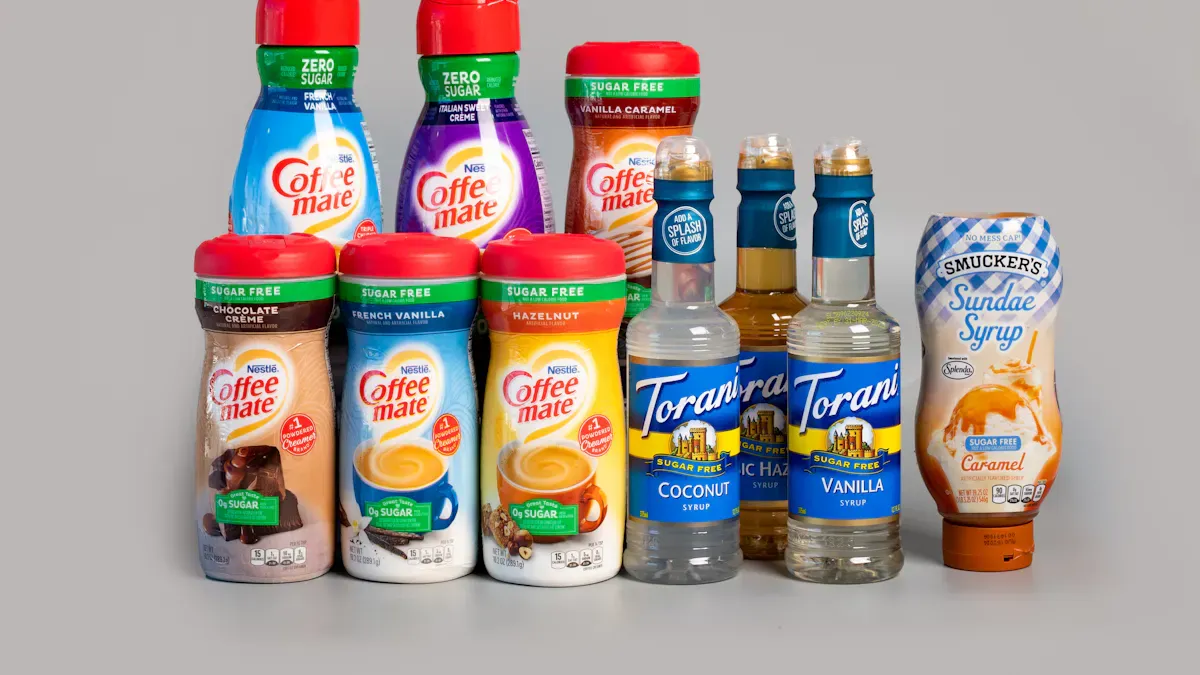
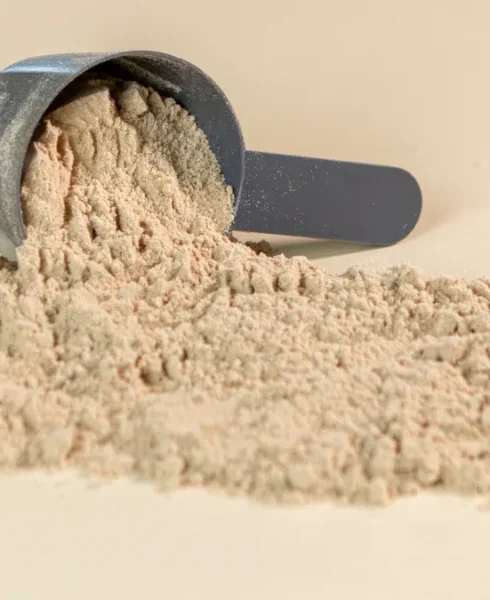
Non-Dairy Creamer Powder
Non-dairy creamer powder is easy to use and lasts a long time. You can use it in offices, hotels, or vending machines. You do not need a fridge for this powder, so it is simple to store. It mixes fast in hot drinks but can be hard to mix in cold drinks. Non-dairy creamer powder is good for travel or when you need it fast. It is a good choice for busy places.
Feature | Powdered Creamers | Liquid Coffee Creamers |
|---|---|---|
Shelf Life | Lasts a long time, no fridge needed | Does not last as long, needs a fridge |
Storage | Easy to keep and carry | Needs careful storage, depends on formula |
Mixing Behavior | Mixes well in hot and cold drinks | |
Best Use Cases | Good for travel and quick use | Best for smooth taste and same flavor |
You can find non-dairy creamer powder made from coconut, almond, oat, rice powders, and pea protein. Powder lets you change the recipe and taste easily.
Liquid Coffee Creamers
Liquid coffee creamers are smooth and taste the same every time. You need to keep them cold, usually in the fridge. They mix well in both hot and cold drinks. Liquid coffee creamers make drinks creamy and rich. They are best for cafes and homes where people want fresh products. You can pick liquid coffee creamers for special uses.
Plant-Based Coffee Creamers
Plant-based coffee creamers are good for people who want dairy-free choices. There are many kinds you can try:
Almond-based creamers taste light and nutty.
Coconut-based creamers taste rich and tropical.
Soy-based creamers are thick and have protein.
Oat-based creamers are creamy and smooth.
Cashew and macadamia nut creamers are soft and velvety.
You can use plant-based coffee creamers made from coconut, almond, oat, rice powders, and pea protein. These creamers help people who cannot have dairy. You should check labels because some may still have allergens or be made in places with allergens.
Tip: You can make more products by selling plant-based coffee creamers with new flavors and health benefits.
Key Ingredients in Non-Dairy Creamers
Plant-Based Milks and Fats
Picking the right plant-based milks and fats is important. These ingredients make your non-dairy creamer creamy and rich. Many companies use different bases to fit what people want. Some common choices are:
Almond milk makes a smooth creamer with a nutty taste.
Oat milk gives a sweet flavor and creamy feel.
Coconut milk makes the creamer thick and a little sweet.
Soy milk is stable and blends well with other things.
Cashew milk adds more creaminess and a mild nutty flavor.
Rice milk is light and has a gentle, sweet taste.
You can use these bases in powder or liquid form. Choosing the right milk helps your creamer taste and feel better.
Emulsifiers and Stabilizers
Emulsifiers and stabilizers keep your non-dairy creamer smooth and even. They are very important for the final product. Here is what they do:
Stabilizers make the liquid thicker and stop things from sinking.
Emulsifiers mix oil and water so the creamer is creamy.
Both help the texture stay the same when it gets hot or cold.
They work together to make the creamer feel soft and rich.
You need these ingredients so your powder mixes well and stays the same in hot or cold drinks.
Sweeteners and Flavors
Sweeteners and flavors help you make different kinds of non-dairy creamer. You can pick from natural or artificial sweeteners. Some popular sweeteners are light brown sugar, maple syrup, agave nectar, coconut sugar, stevia, honey, and date paste. For flavor, you can use vanilla extract, cocoa powder, pumpkin pie spice, hazelnut extract, cinnamon, orange zest, cardamom, espresso powder, caramel, lavender extract, ginger, and lime.
When you add these sweeteners and flavors to your powder, you can give customers many choices. This helps your product stand out and match what people like.
Formulation & Processing
Texture and Flavor Mimicry
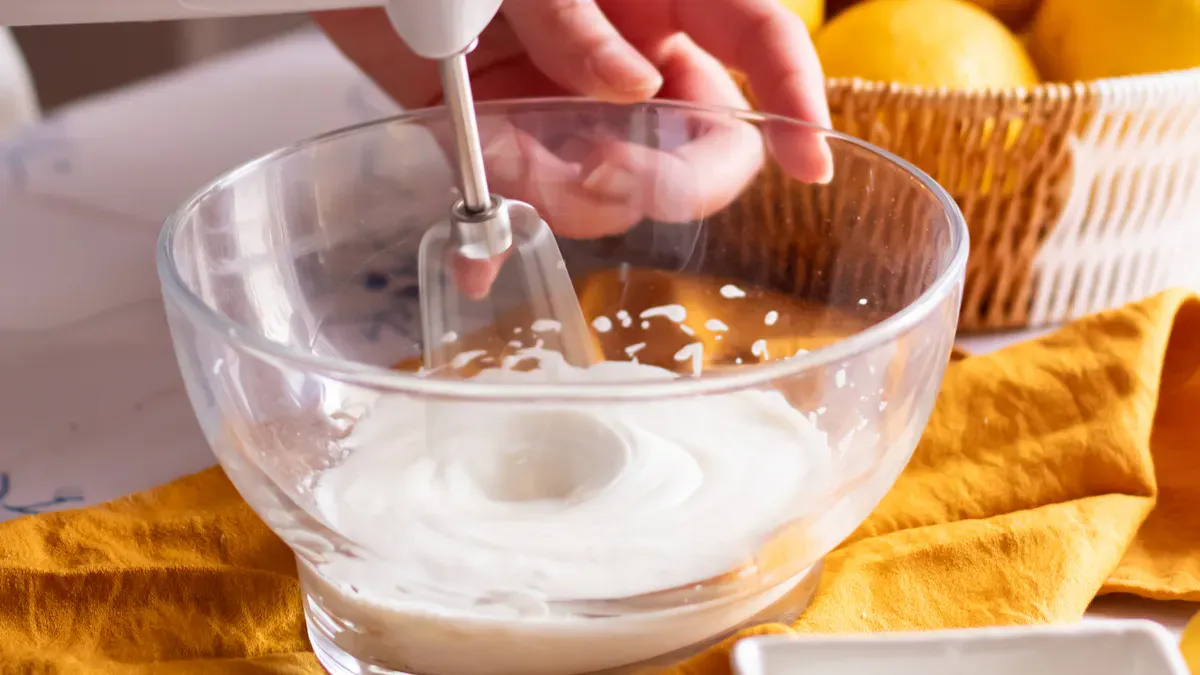
You want your coffee creamer to taste and feel like real dairy. To do this, you need to use the right mix of ingredients and processing steps. Most coffee creamer products use water, vegetable oils, sweeteners, stabilizers, and emulsifiers. These ingredients work together to give a creamy mouthfeel and smooth texture. You can choose plant-based bases like coconut, almond, oat, rice powders, or pea protein. These bases help you create both texture and flavor that remind people of dairy.
Oils such as coconut or palm kernel add richness and keep the flavor stable in hot drinks. Stabilizers like carrageenan and guar gum, along with emulsifiers such as mono- and diglycerides, stop the creamer from separating. This helps you keep a consistent product, whether you make a liquid or a powder. You can adjust the amount of each ingredient to get the exact creaminess and taste you want. If you want barista-friendly performance, you need to focus on how well your coffee creamer foams and blends with coffee. This is important for both home and café use.
Tip: Test your coffee creamer in different drinks. Try it in hot and cold coffee, tea, and even specialty drinks. This helps you see if the texture and flavor stay the same.
Whitening Effect and Sensory Appeal
The whitening effect is a key part of coffee creamer. Your customers want their coffee to look creamy and inviting. You can achieve a strong whitening effect by using the right blend of plant-based milks, fats, and powders. The size of the fat droplets in your formula matters. Smaller droplets spread out better in coffee and make the drink look whiter.
You should also think about the sensory appeal. People judge coffee creamer by how it looks, smells, and tastes. A good coffee creamer should not leave an oily film or strange aftertaste. You can use natural flavors and sweeteners to boost the taste. If you want your product to stand out, try adding unique flavors or extra nutrition. For barista-friendly performance, make sure your coffee creamer creates a smooth, stable foam for lattes and cappuccinos.
Use coconut or oat powder for a creamy look.
Add vanilla or caramel for a rich aroma.
Test your coffee creamer in both hot and iced drinks.
Good Manufacturing Practices (GMP)
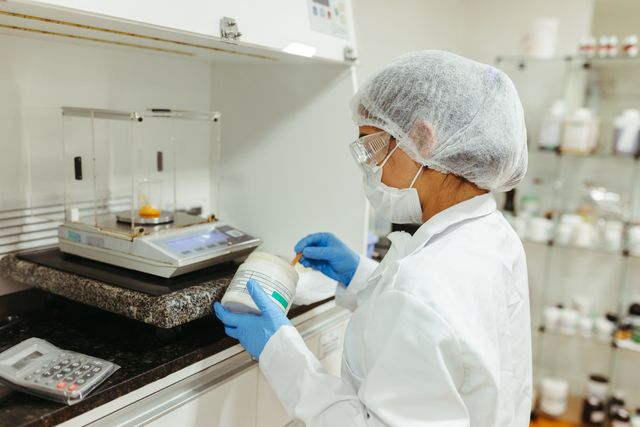
You must follow Good Manufacturing Practices to keep your coffee creamer safe and high quality. GMP covers every step, from choosing raw materials to packaging the final product. You need to check all ingredients for safety and quality before you use them. Clean your equipment often and keep your work area free from germs.
You should train your staff to follow safety rules. Store your powder and other ingredients in dry, cool places to stop spoilage. Label your coffee creamer clearly, especially if it contains allergens. Regular testing helps you catch problems early. By following GMP, you protect your customers and your brand.
Note: GMP is not just about safety. It also helps you make a coffee creamer that tastes and looks the same every time.
If you want to succeed in the coffee creamer market, you need to focus on both product quality and safety. Use the best ingredients, test your powder in real drinks, and follow strict manufacturing rules. This will help you create a coffee creamer that meets customer needs and stands out on the shelf.
Product Properties of Non-Dairy Creamer Powder
Solubility and Dispersibility
You want your non-dairy creamer powder to mix fast and smooth. Good solubility means the powder blends in without lumps. Dispersibility helps the powder spread all through the drink. This gives a creamy and smooth texture. You can test solubility in hot or cold drinks. If the powder mixes well, the taste and look stay the same. Manufacturers use special steps to help dispersibility. Spray drying and picking the right emulsifiers make the powder dissolve faster. Choosing a powder with high solubility makes drinks smooth, not grainy.
Shelf Life and Storage
Non-dairy creamer powder lasts a long time on the shelf. You can keep it for months without spoilage. The powder has low water activity, so bacteria and mold cannot grow. Here are some key points about shelf life:
Most non-dairy creamer powder lasts about 12 months.
Some plant-based options last 6 to 12 months or more if stored well.
Low moisture makes non-dairy creamer powder a great shelf-stable choice.
Keep the powder in a cool, dry place. Always close the container tightly after use. This keeps the powder fresh and stops clumping. Good storage keeps your powder safe and ready.
Performance in Hot and Cold Drinks
Non-dairy creamer powder should work well in hot and cold drinks. In hot drinks, the powder must dissolve fast and feel creamy. It should whiten coffee or tea without separating. In cold drinks, dispersibility is even more important. Some powders clump in cold drinks, so you need to test them in iced coffee or tea. High-quality powder gives smooth texture and steady flavor in any drink. Many shelf-stable creamers use special formulas for good performance at all temperatures. Picking the right powder gives your customers a reliable drink every time.
Trends in Plant-Based Coffee Creamers
Clean Label and Natural Ingredients
The coffee creamer market is changing. People want clean label creamers with simple ingredients. They look for natural things and avoid fake additives. Health and wellness are important to them. Many want creamers that fit their healthy lifestyle. They also want more than just good taste. Plant-based creamers are lactose-free, so they are good for people with special diets. You can use oat, almond, soy, coconut, or cashew bases to meet these needs. Today’s customers want to know what is in their drinks and want clear labels.
Tip: Show that your creamers are lactose-free and vegan to get more customers.
Sustainability and Consumer Preferences
Sustainability is very important now. People like brands that use eco-friendly packaging. They also care about how products affect the planet. Many want to know where the ingredients come from. They support companies that share this information. Brands like Honest to Goodness and Danone North America build trust by being open. You can make your creamers more popular by using green packaging and showing you care about the earth. Many people will pay more for products that help the environment.
Use eco-friendly packaging for all plant-based creamers.
Tell people about the lactose-free and vegan benefits in ads.
Share where your ingredients come from and your green actions.
Regulatory and Regional Factors
You have to follow the rules in each place you sell. In Europe, more people want lactose-free and vegan creamers. The rules there help plant-based diets and green choices grow. These rules let you make new products. You must make sure your creamers follow local laws and label rules. Where you sell can change what ingredients and packaging you use. You can do better than others by following these trends and using green packaging.
Note: Watch for new rules and what people want in each area to stay ahead.
Choosing and Sourcing Non-Dairy Creamers
Selecting the Right Product
You need to pick the best coffee creamer for your brand. First, check if the label says it is vegan. This helps you avoid animal ingredients. Look for plant-based bases like almond, coconut, oat, or soy. These choices are popular with many people. Read the ingredient list to make sure there is no lactose or milk. Pick creamers with little added sugar or oil to keep calories low. Vegan or cruelty-free logos help people trust your product.
Tip: People want more than good taste. They also want low-calorie, low-sugar, and organic choices. Many care about earth-friendly packaging and new flavors.
Custom Formulation Tips
You can make your own non-dairy creamer by starting with a creamy base. Try raw cashews or coconut milk for this. Add natural sweeteners like maple syrup or dates for better taste. Use vanilla or cinnamon to make your creamer special. Blend everything well so it is smooth. Emulsification is important. It keeps your creamer from separating. Use lecithin or xanthan gum to help mix everything together.
Note: Market research shows what your customers want. You can make creamers for vegan diets or with less sugar.
Working with Suppliers
You should work closely with your suppliers. Ask them for full ingredient lists and certifications. This helps you make sure your creamer is safe and good quality. Pick suppliers who use earth-friendly packaging and share where their ingredients come from. Good suppliers give you the same quality every time and deliver on time. Work together to make new blends or flavors. Reliable suppliers help you keep up with trends and what people want.
Supplier Checklist | Why It Matters |
|---|---|
Ingredient transparency | Makes sure product is safe |
Certifications | Helps people trust your brand |
Eco-friendly packaging | Meets what people want |
Custom blend options | Lets you try new ideas |
If you follow these steps, you can choose, make, and buy non-dairy creamers that fit your business and what people want.
You can do well in the non-dairy creamer market if you focus on these important things:
Learn about each product type and how people use them.
Pick good ingredients so your creamer tastes and feels better.
Use smart ways to make your creamer always turn out the same.
Watch what is popular so you can give people what they want.
These tips help you make coffee creamers that are special. When you pay close attention, you make products that people really like.
FAQ
What is the best way to improve the solubility of non-dairy creamer powder?
Spray drying helps your powder dissolve fast. Pick good emulsifiers for better mixing. Try different recipes to see what works best.
How can you ensure your non-dairy creamer is allergen-free?
Check where all ingredients come from. Ask suppliers for allergen statements. Test your product for common allergens. Always use clear labels to keep customers safe.
Can you add extra nutrients to non-dairy creamers?
You can add vitamins, minerals, or plant proteins. Make sure these do not change taste or texture. Test your creamer to check quality.
What packaging works best for non-dairy creamer powder?
Pick airtight and moisture-proof packaging. This keeps your powder fresh and stops clumping. Resealable pouches or single-serve packs are good for stores and restaurants.
Tip: Use packaging with clear labels and eco-friendly materials. This helps you get more customers.