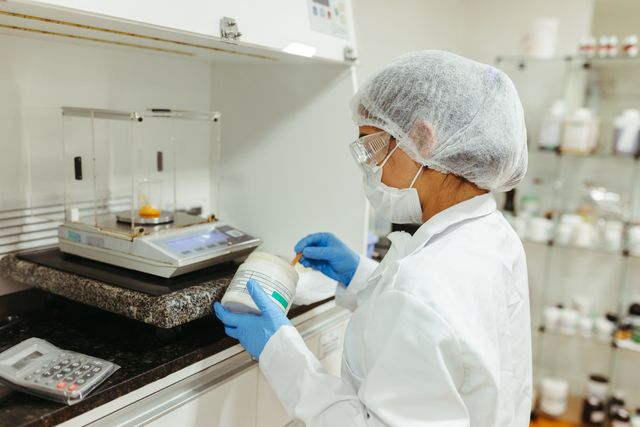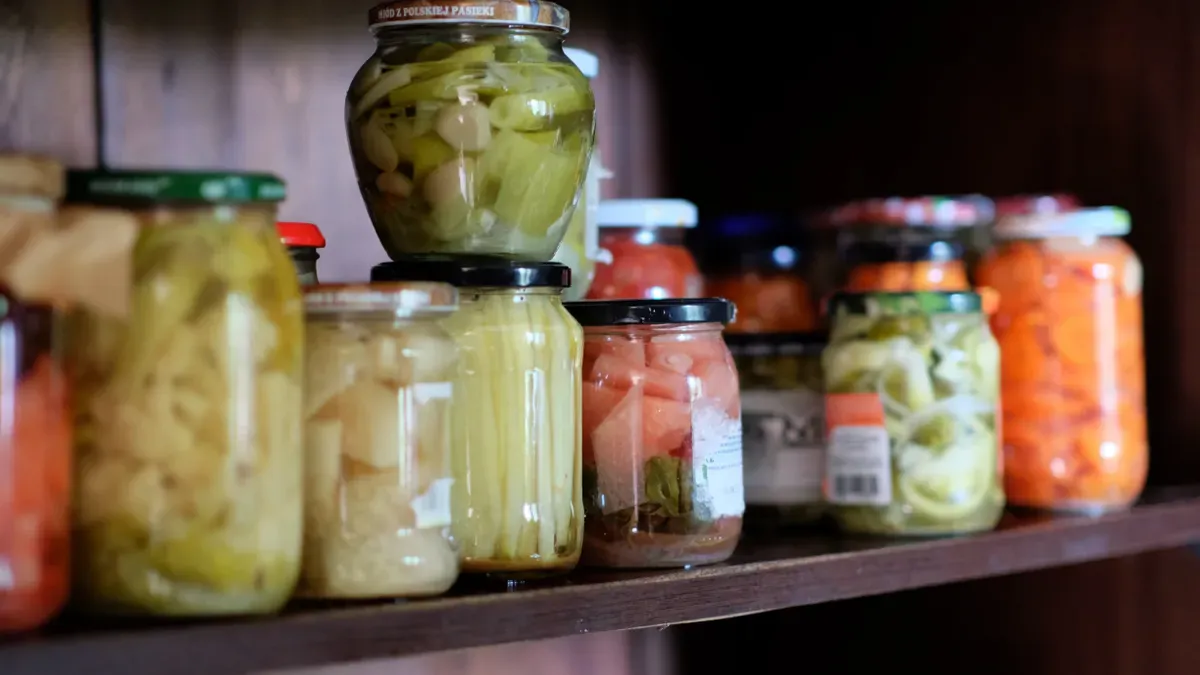
What Is Sodium Dehydroacetate? Uses, Properties and Applications
Sodium dehydroacetate is a preservative used in food, cosmetics, and feed to inhibit bacteria, mold, and yeast, ensuring product safety and freshness.

Sodium dehydroacetate is a preservative used in food, cosmetics, and feed to inhibit bacteria, mold, and yeast, ensuring product safety and freshness.
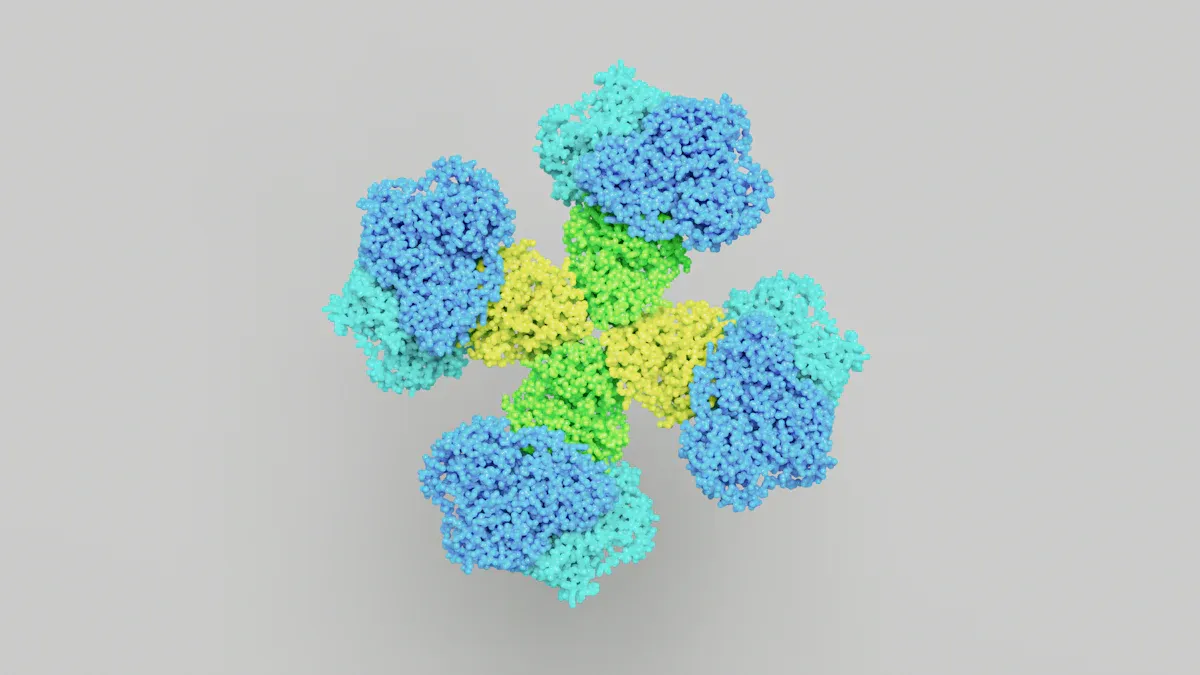
Compare single cellulase and multi-enzyme complexes for animal feed. See which enzyme improves livestock growth, feed efficiency, and gut health best.
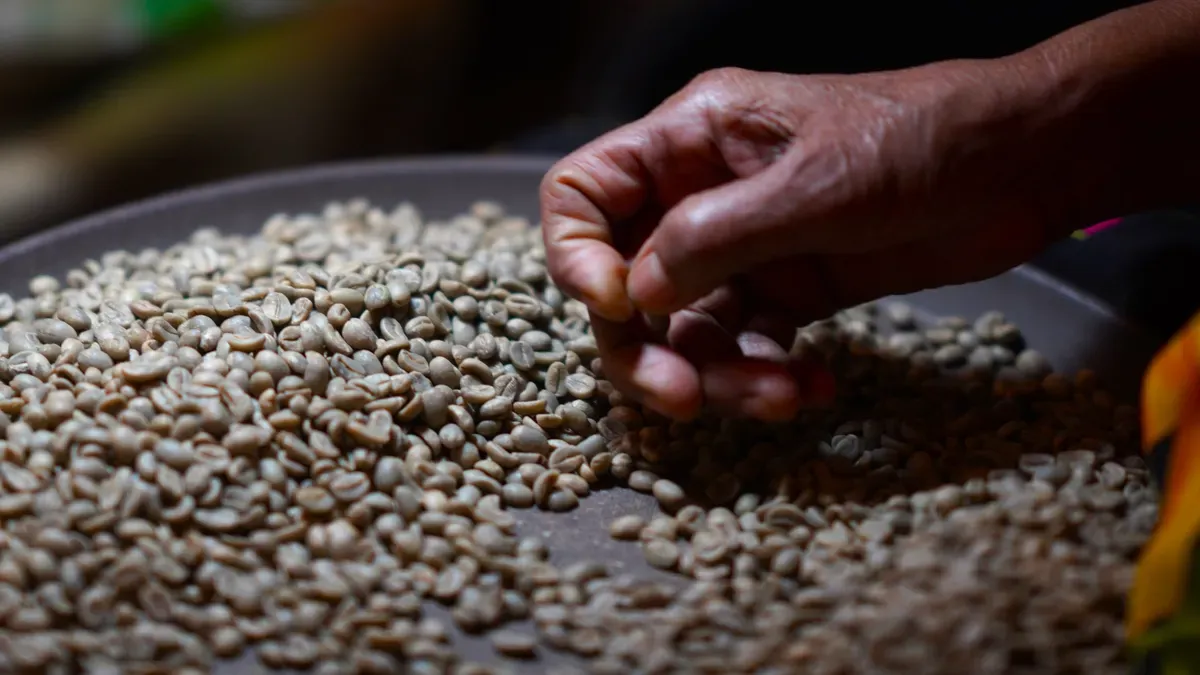
Enzymes boost coffee bean fermentation by breaking down mucilage, reducing bitterness, and enhancing flavor, resulting in smoother, higher-quality coffee.

Cellulase enzyme boosts juice yield, color, and clarity in wine production by breaking grape cell walls, enhancing extraction and filtration efficiency.
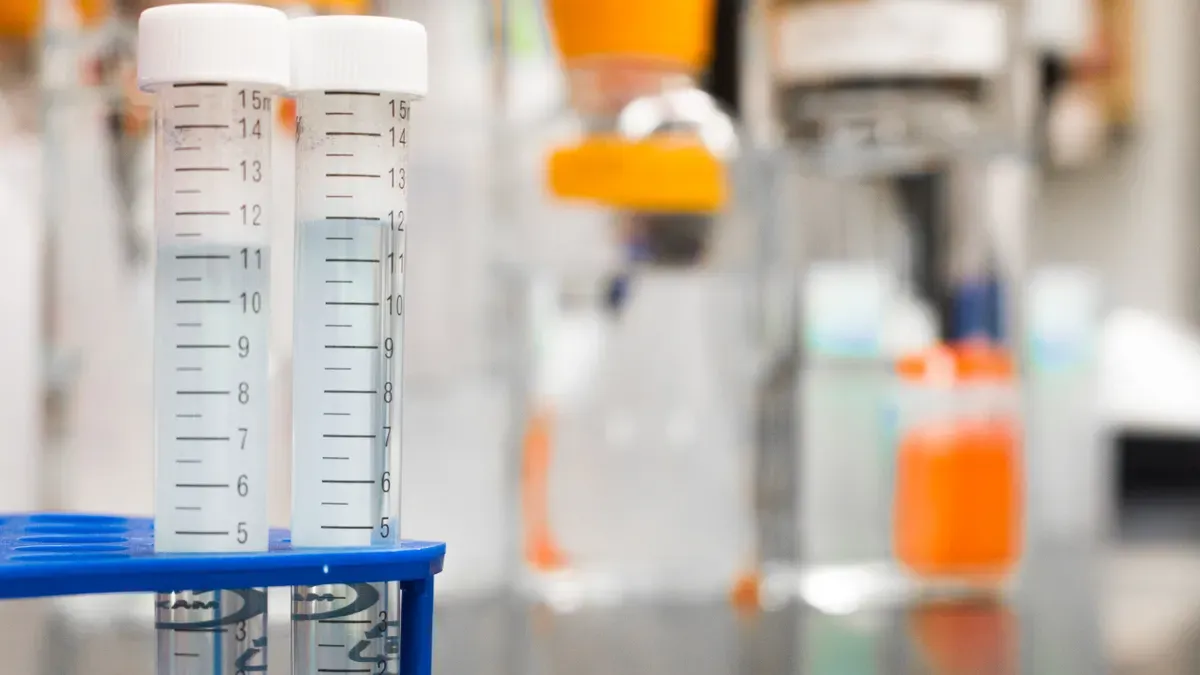
Cellulase enzyme breaks down plant cell walls, boosting extraction yield and quality while reducing waste in food, beverage, and biofuel industries.
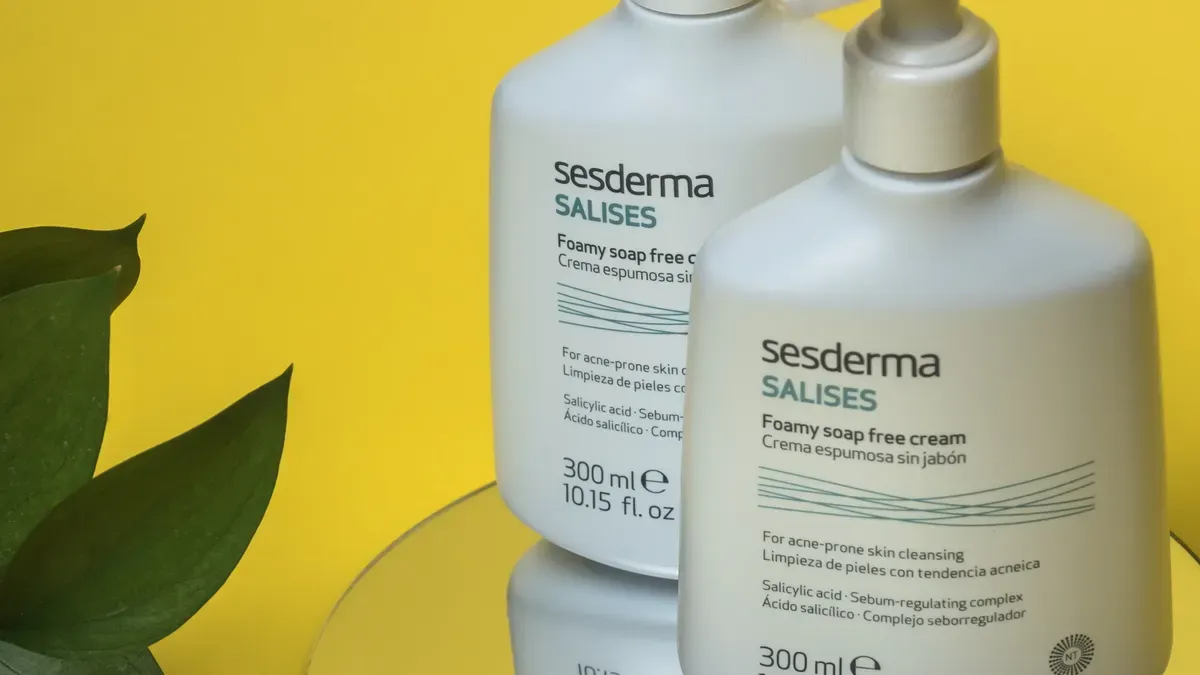
Sodium Polyacrylate absorbs more water than sodium alginate, but alginate is cheaper and eco-friendly. Compare absorption, cost, and best uses here.
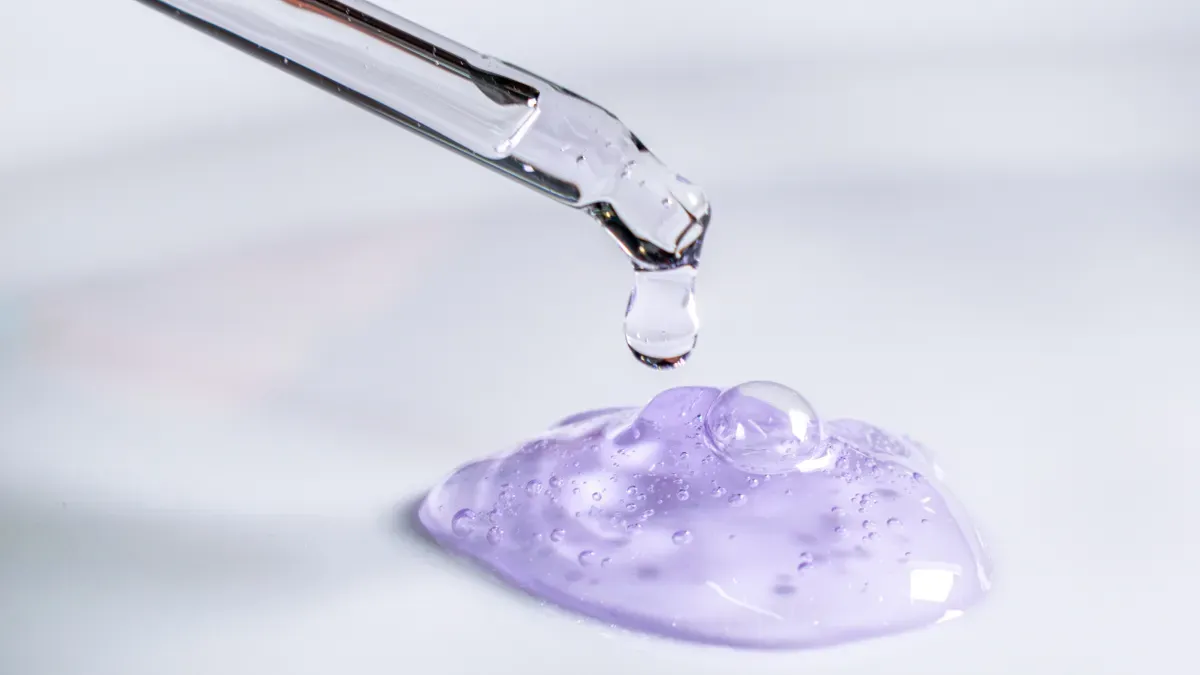
SAP vs Carboxymethyl Cellulose: CMC is safer for food and offers stable thickening, while SAP excels at water absorption in industrial uses.

Sodium polyacrylate vs crosslinked gel: compare absorbency, durability, cost, and best uses to choose the right material for your application.
Tell us the ingredient, application and required quantity. Our team will recommend a suitable product and provide a competitive quotation.