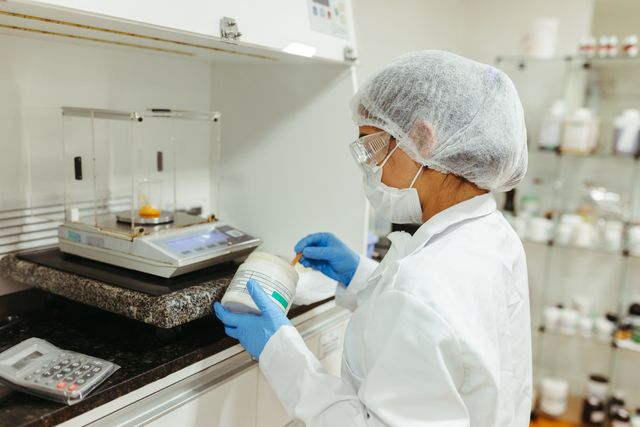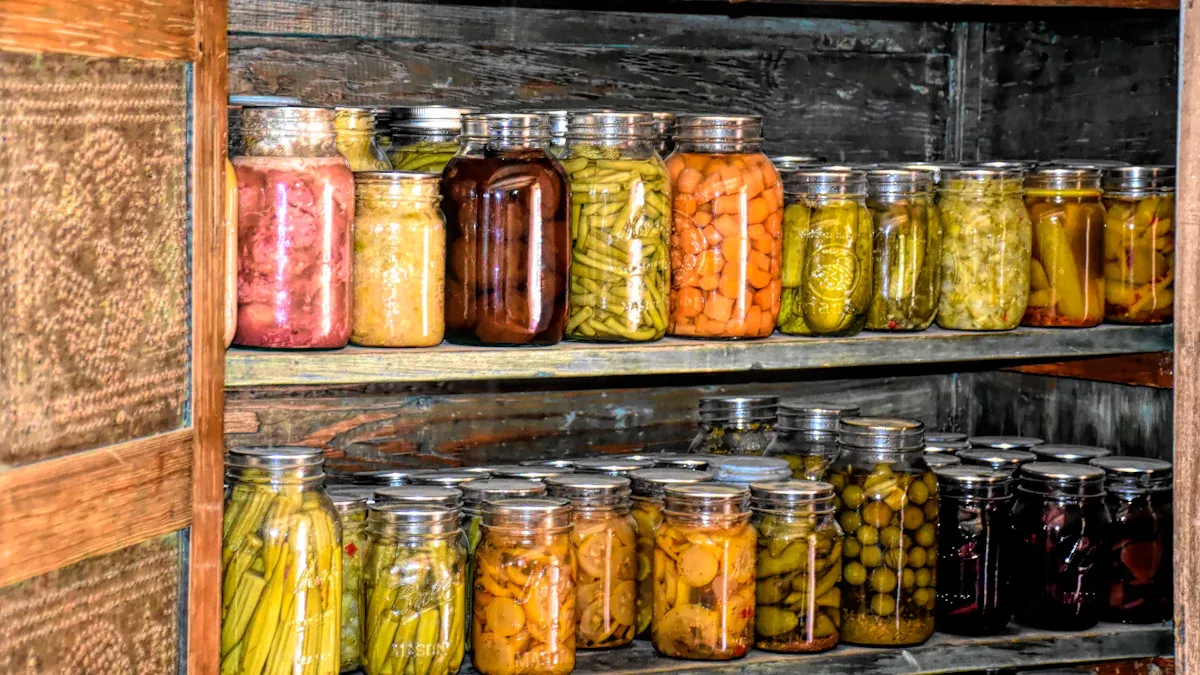
Natural Preservatives and Artificial Preservatives How Do They Differ
Preservatives differ by source, effectiveness, and health impact. Compare natural and artificial preservatives to choose what fits your needs best.

Preservatives differ by source, effectiveness, and health impact. Compare natural and artificial preservatives to choose what fits your needs best.
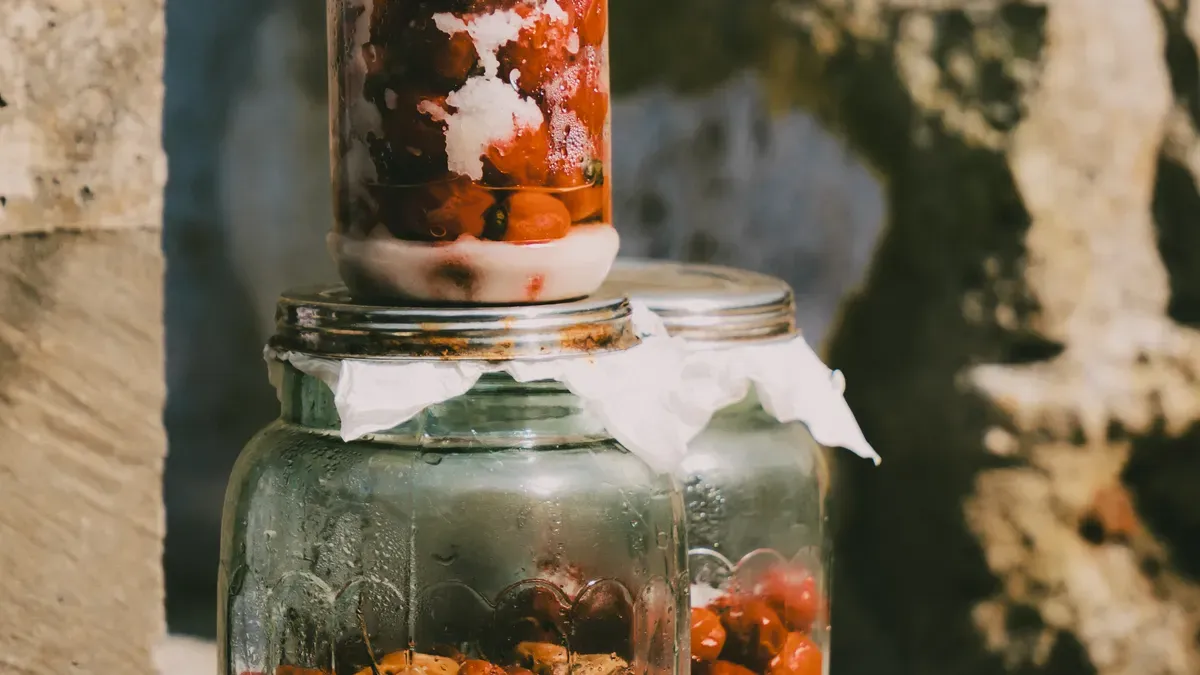
Clean label food preservatives offer natural, plant-based, and fermentation-derived options for safe, fresh foods. See types, uses, and natural alternatives.
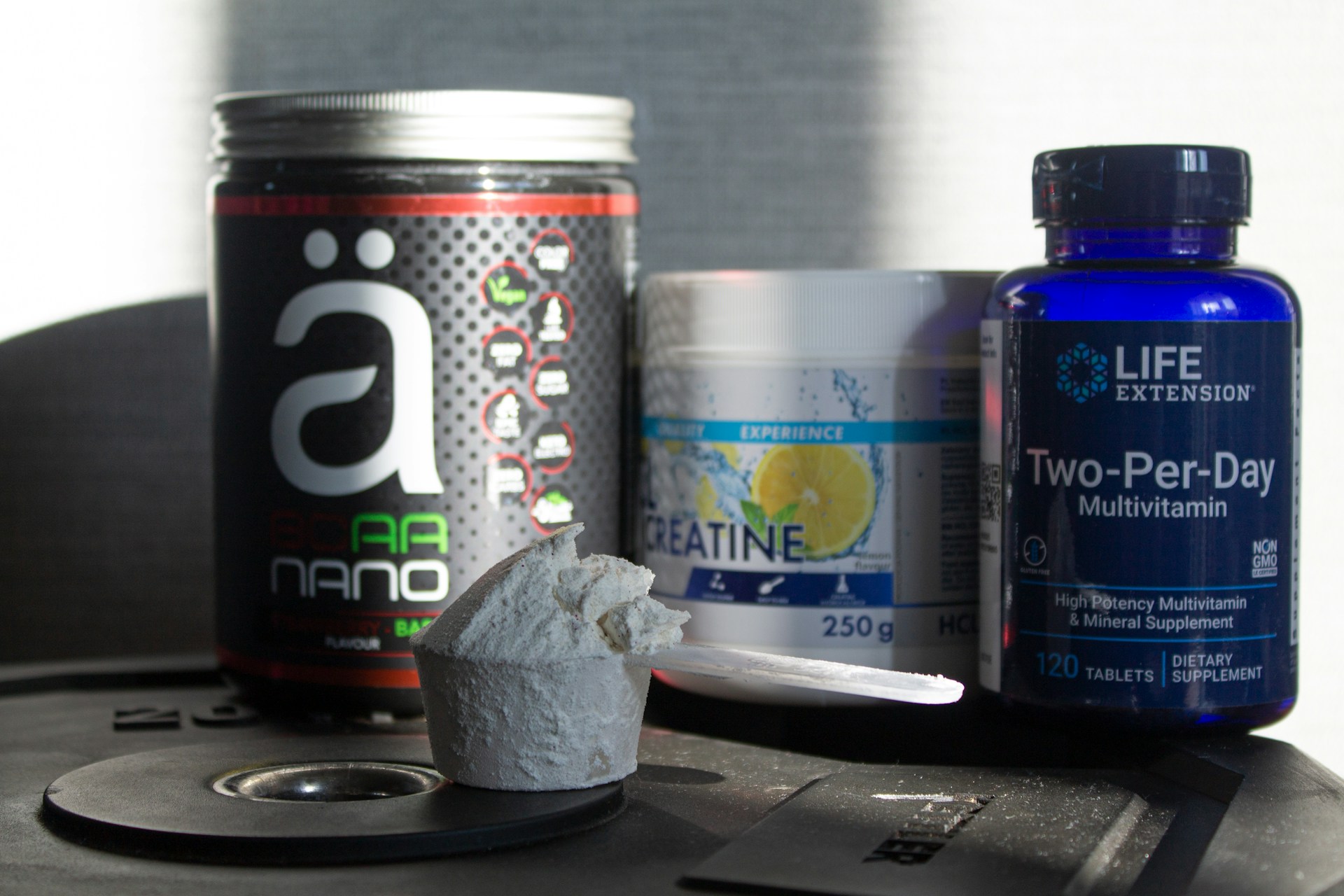
You need the 9 Essential Amino Acids to be healthy. These are histidine, isoleucine, leucine, lysine, methionine, phenylalanine, threonine, tryptophan, and valine. Your body cannot
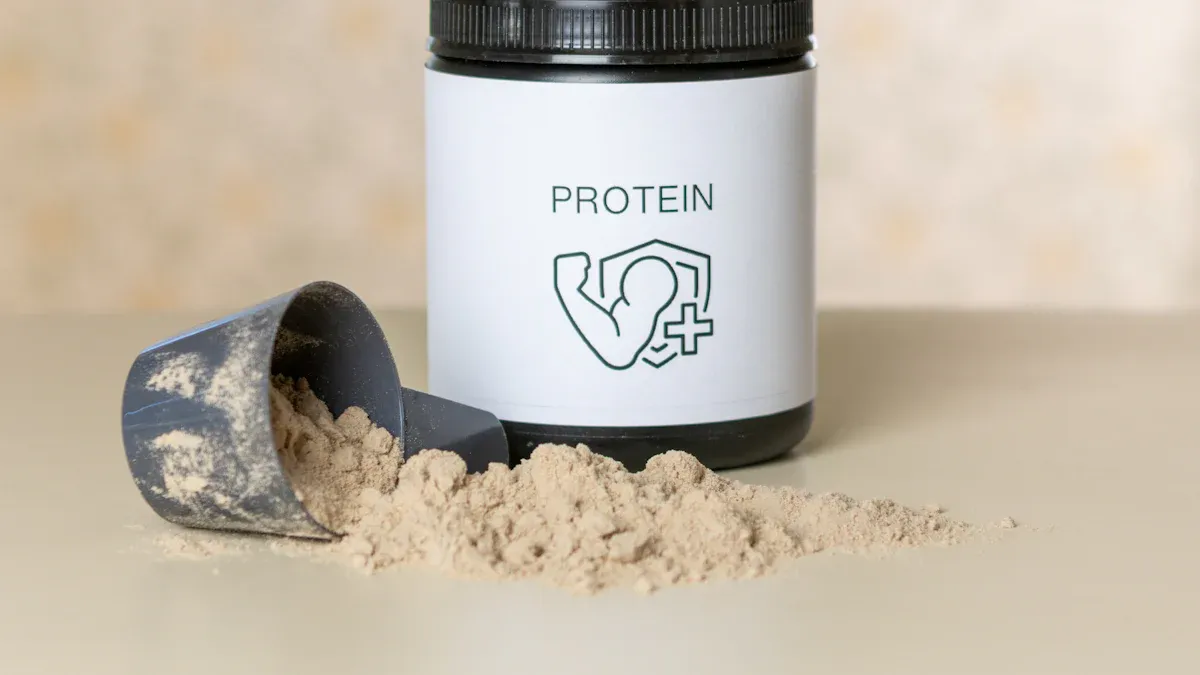
Pea Protein vs Soy Protein: Compare amino acid profiles, digestibility, allergen risks, and best uses to choose the right plant protein for your needs.
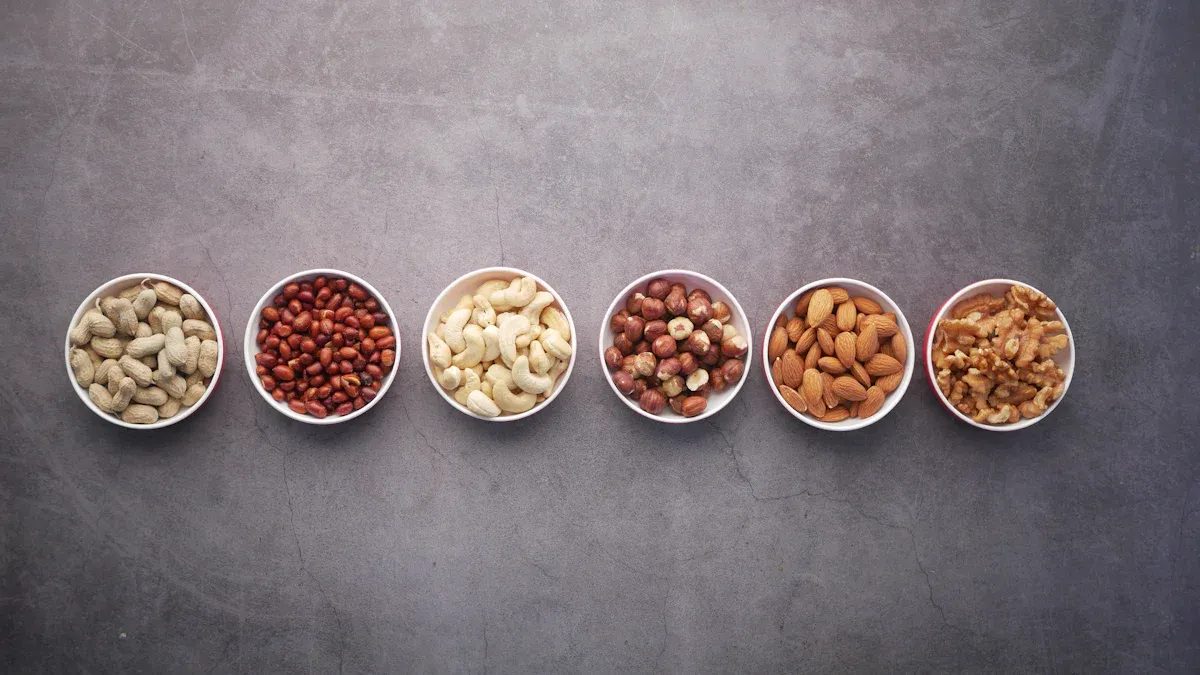
Plant-based foods like soy, quinoa, and pistachios provide all essential amino acids. Combine grains, legumes, nuts, and seeds for complete protein.
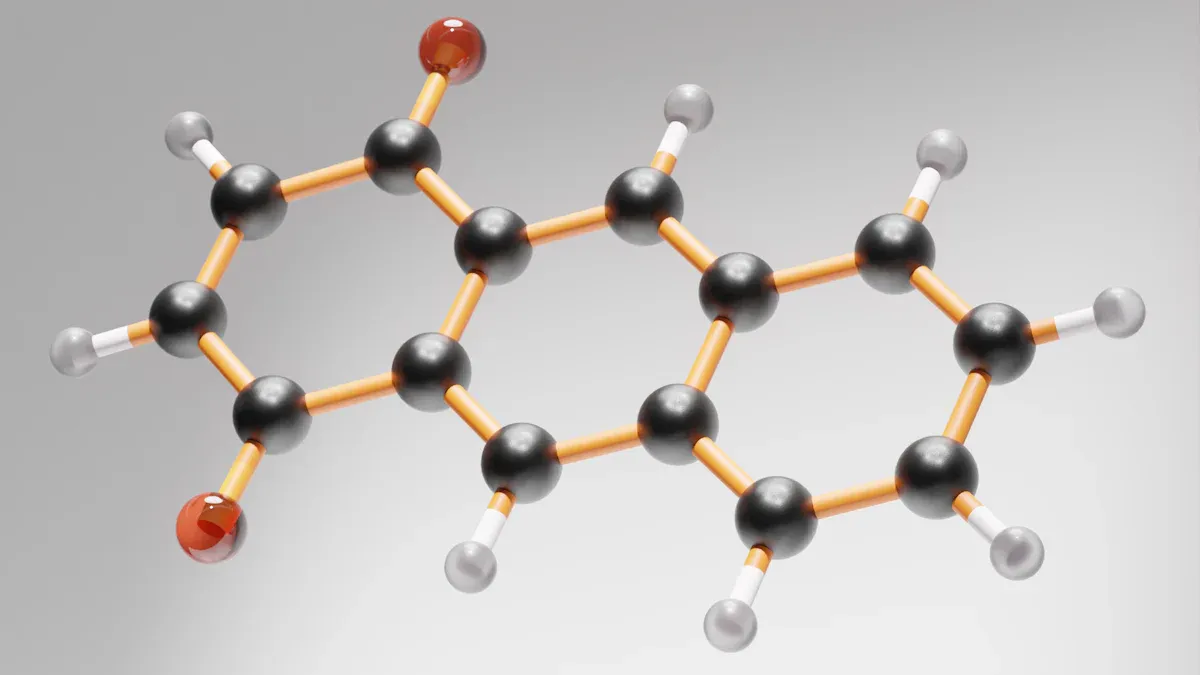
Essential Amino Acids must come from your diet, while non-essential amino acids are made by your body. Understand their roles and health impact.
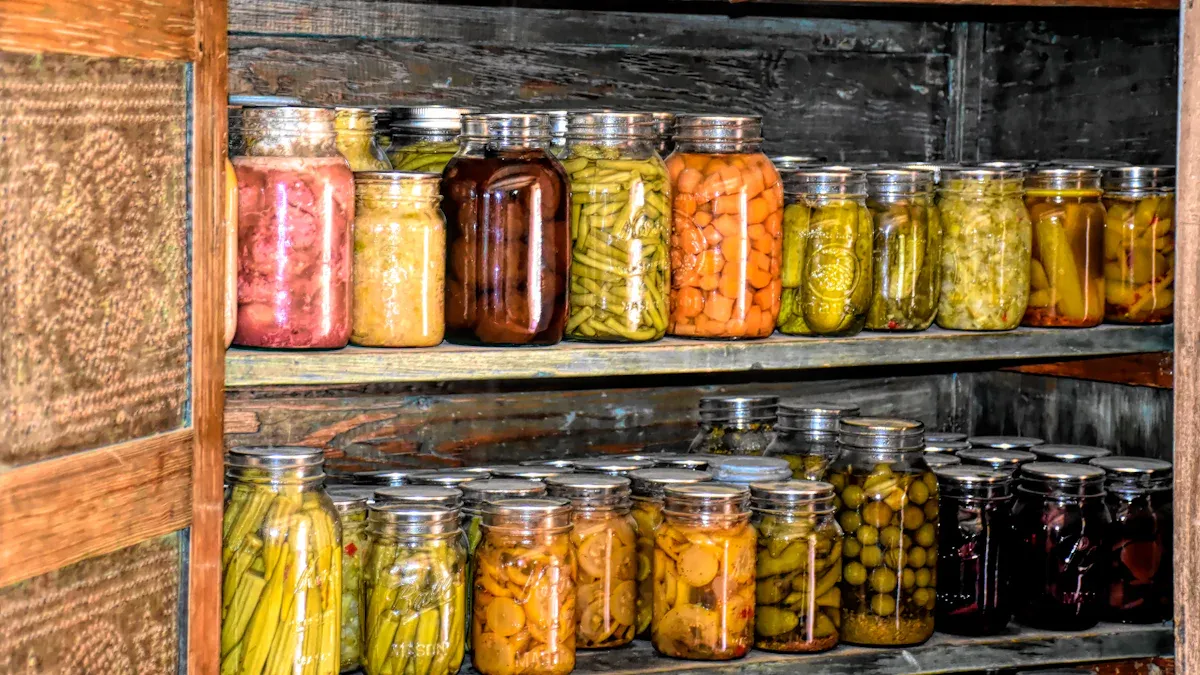
Sodium dehydroacetate vs sodium benzoate: Compare effectiveness, safety, and best uses to choose the right preservative for your food or cosmetic product.
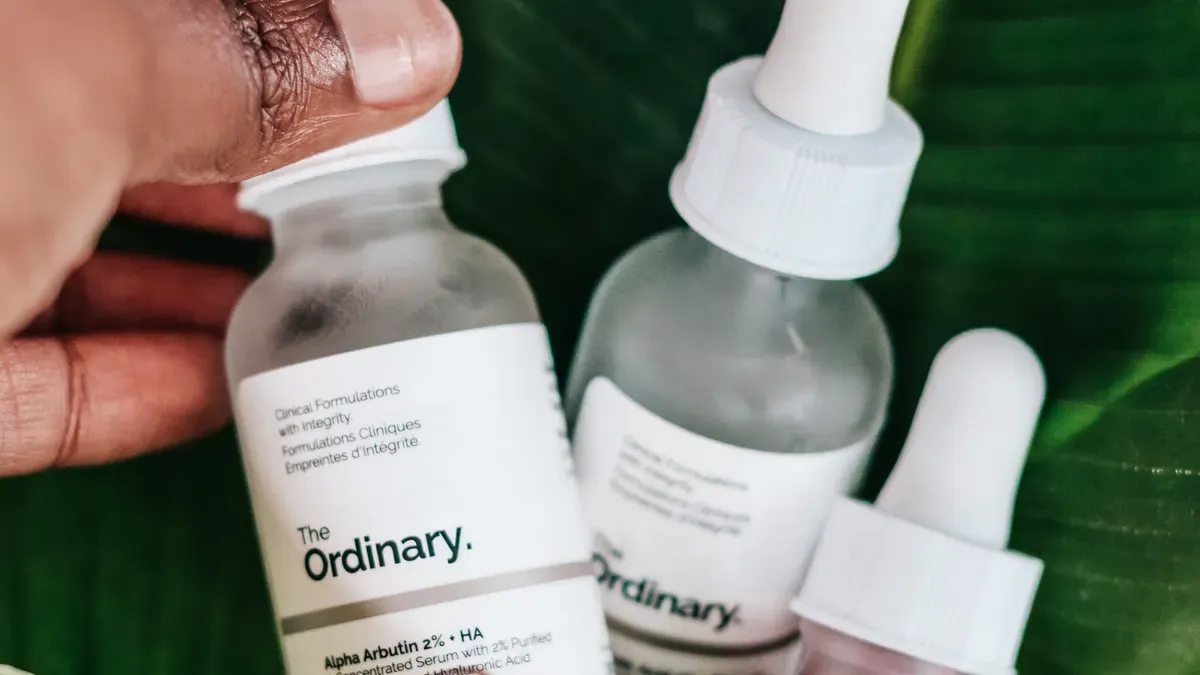
Use Sodium Dehydroacetate in cosmetics by adding it below 45°C, keeping pH 4.5–6.5, and staying under 0.6% for safe, effective preservation.
Tell us the ingredient, application and required quantity. Our team will recommend a suitable product and provide a competitive quotation.