Gardenia Blue vs. Phycocyanin: Which Natural Blue Color Is Better for Food Applications?
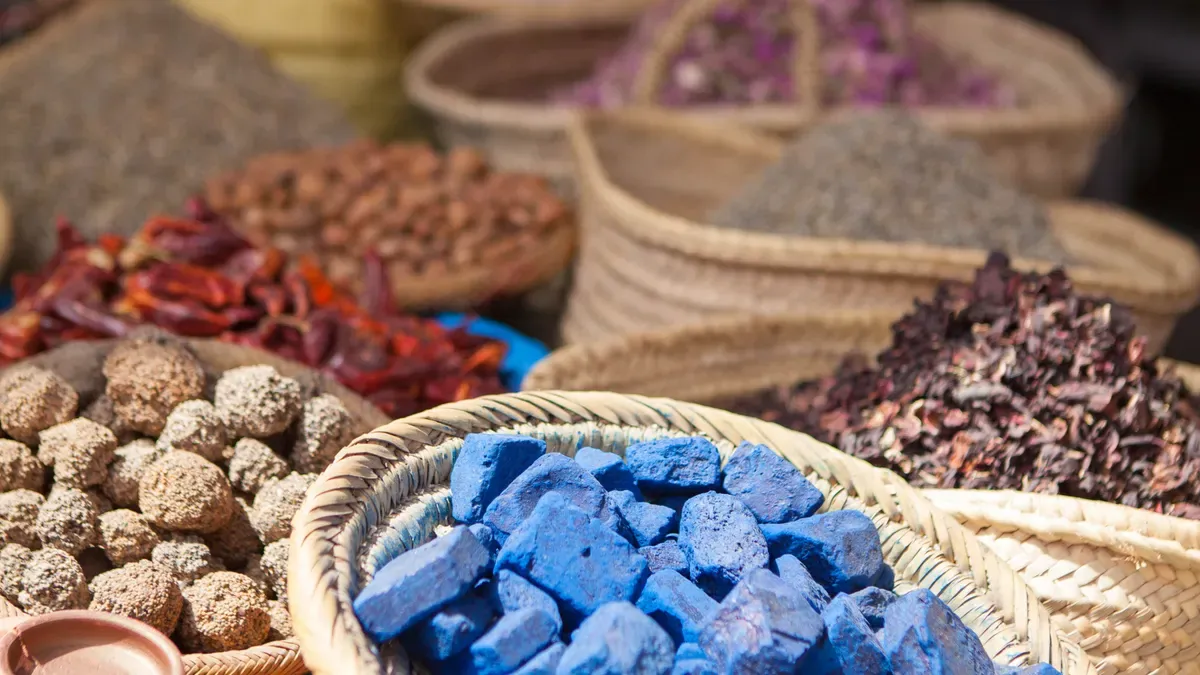
Gardenia Blue offers superior heat, pH, and light stability over phycocyanin, making it the better natural blue color for most food applications.

Gardenia Blue offers superior heat, pH, and light stability over phycocyanin, making it the better natural blue color for most food applications.

Rising demand for natural blue food color is driven by clean-label trends and regulations. Phycocyanin offers a safe, plant-based blue for modern foods.
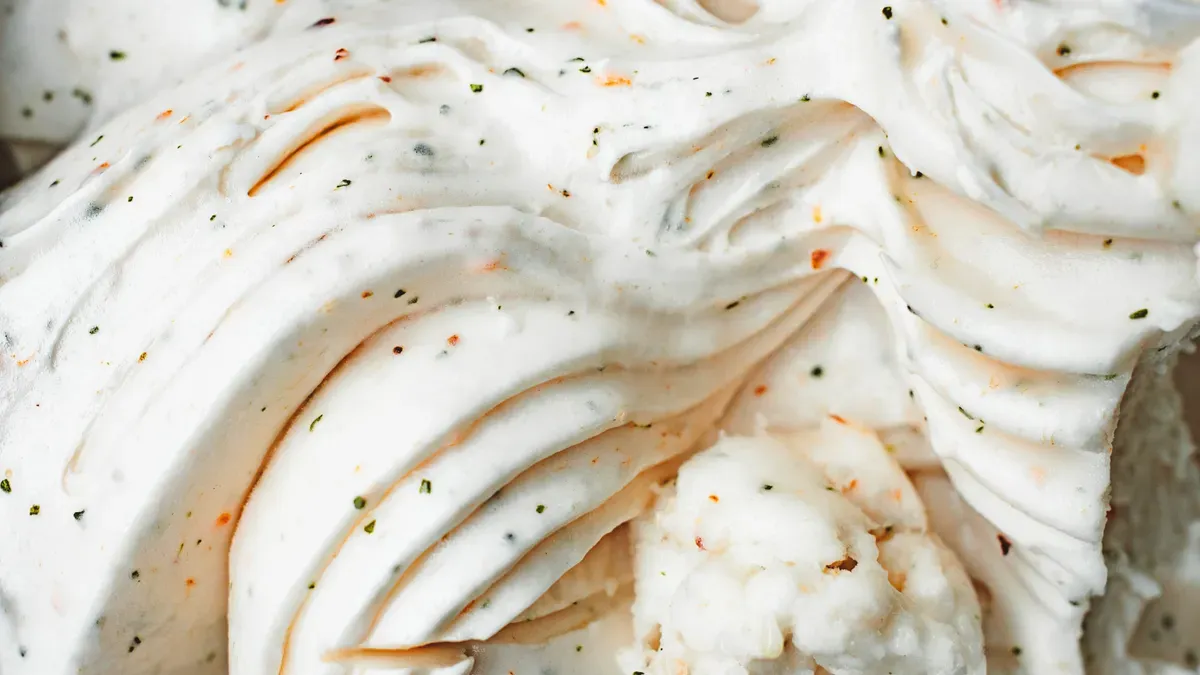
Xanthan Gum keeps ice cream creamy and smooth by preventing ice crystals, stabilizing texture, and making every scoop velvety—even after freezing.
Prevent clumping by slowly adding Xanthan Gum to agitated liquid or premixing with dry ingredients for smooth, lump-free food production results.
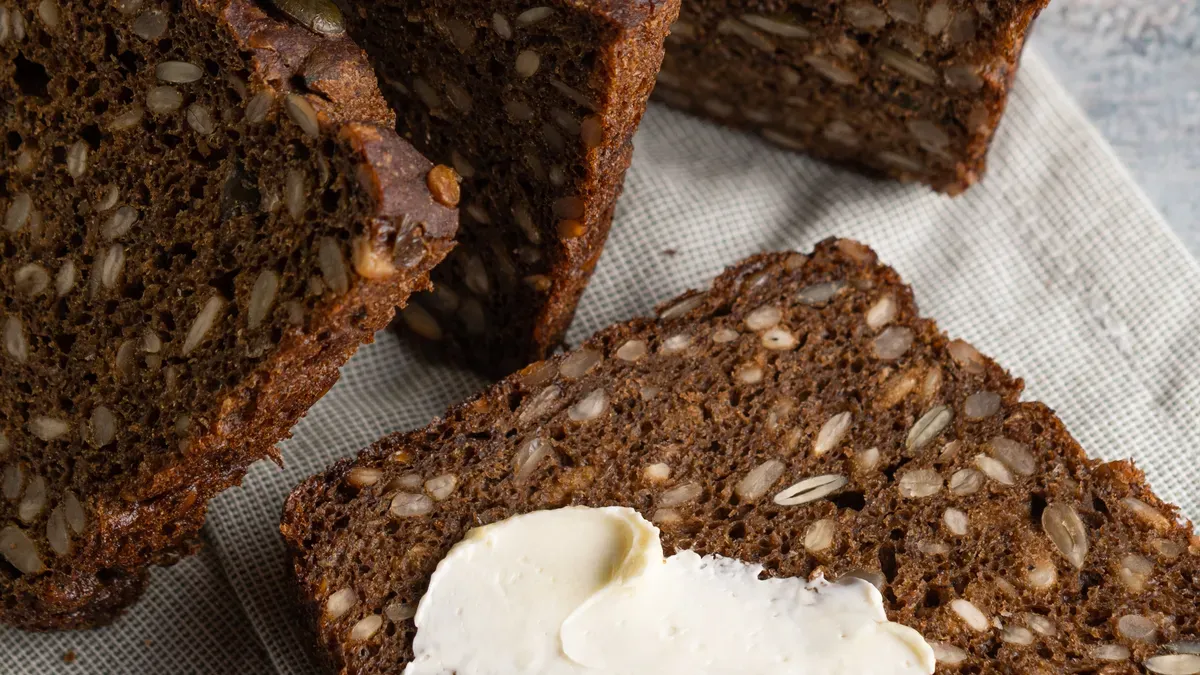
Xanthan gum enhances gluten-free baking by improving texture, binding ingredients, and extending shelf life for fresher, less crumbly treats.
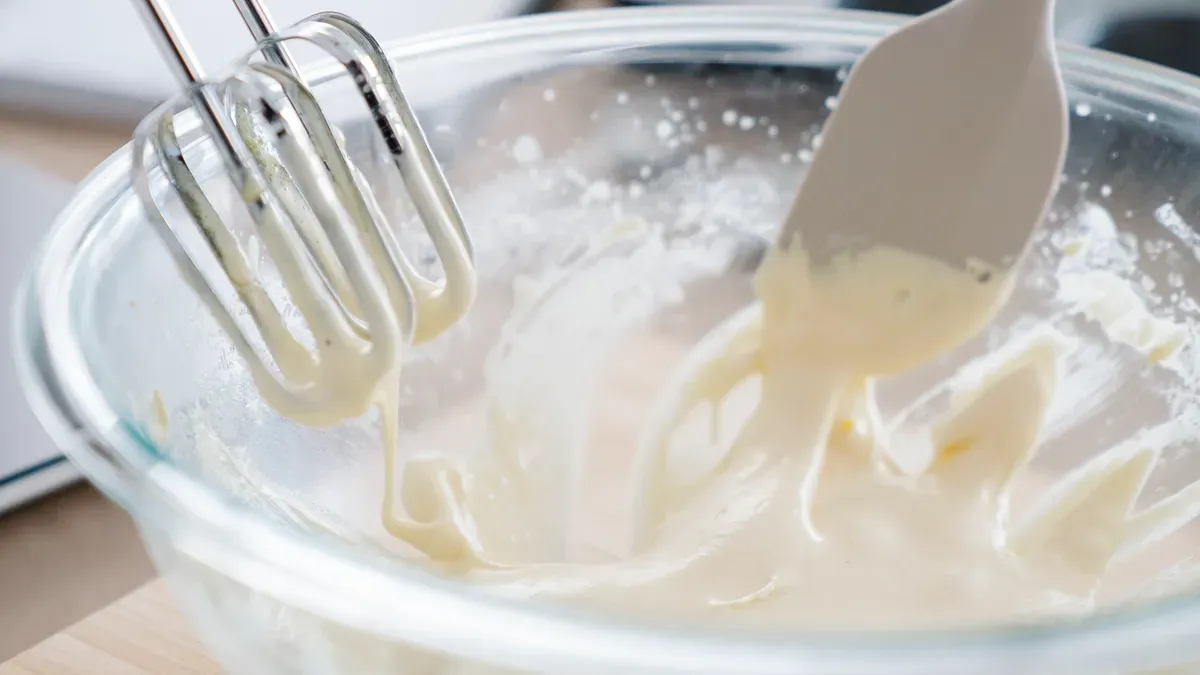
Xanthan gum thickens and stabilizes foods, improving texture and preventing separation in sauces, dressings, and gluten-free baking.
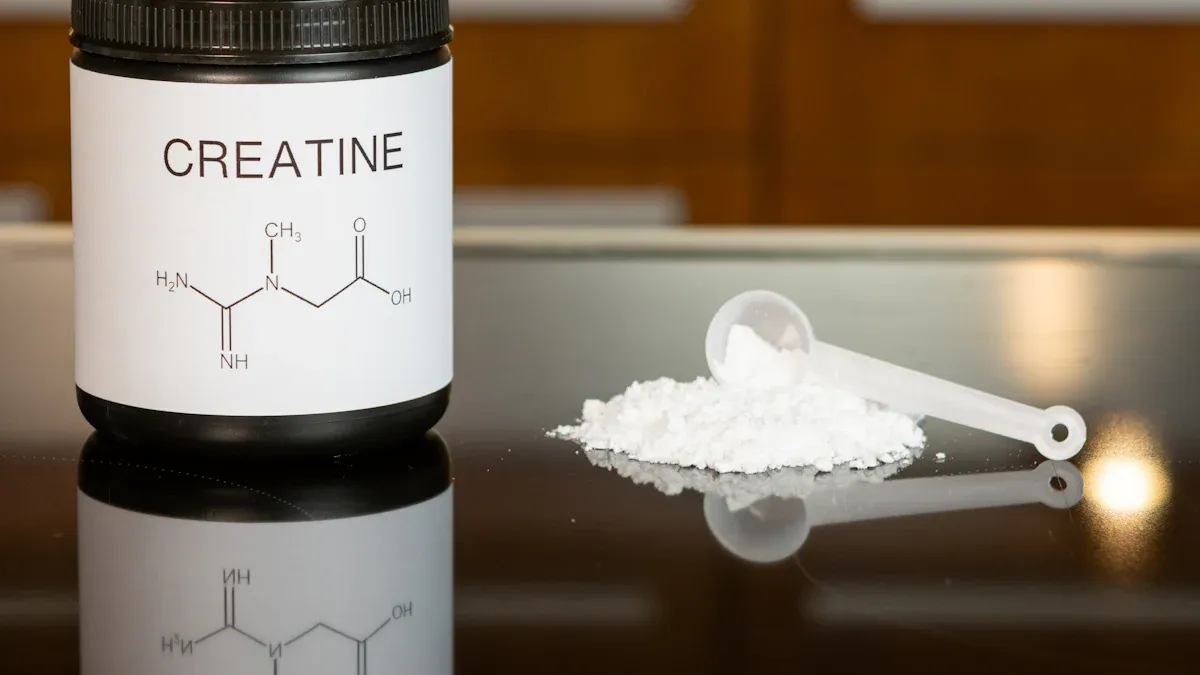
Food-Grade vs Feed-Grade Creatine Monohydrate differ in purity, safety, and use. Learn which type is safe for people and why choosing the right grade matters.
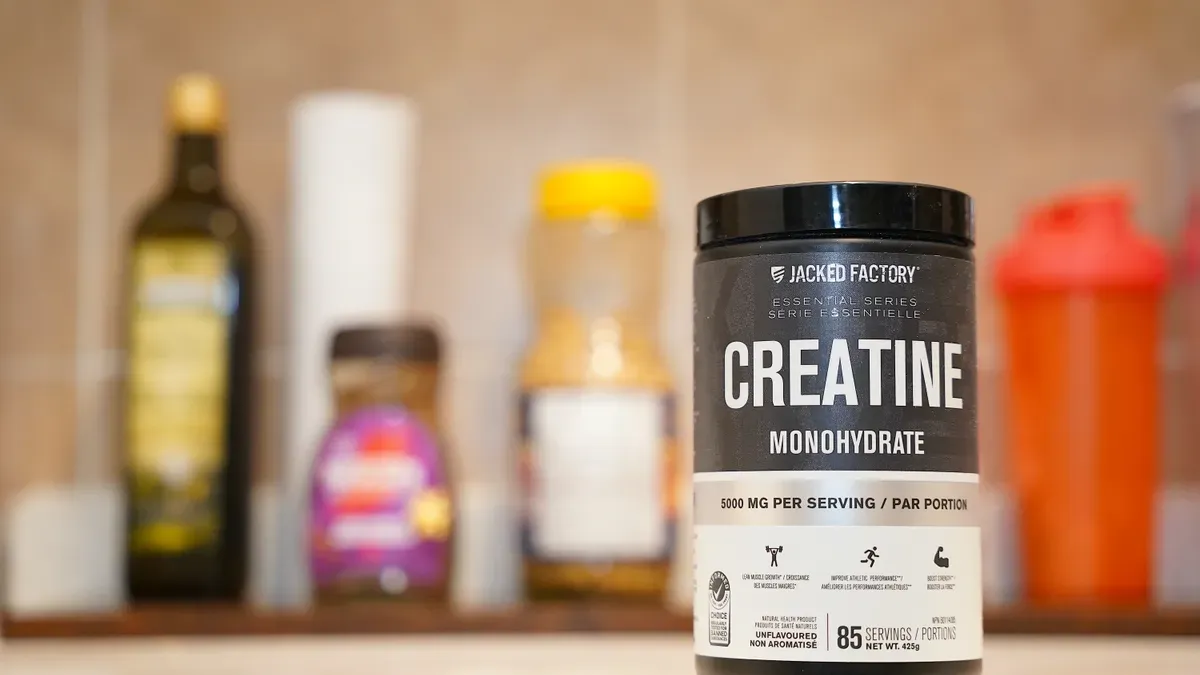
Compare Creatine Monohydrate VS Creatine Salts for muscle, performance, side effects, and cost to decide which creatine type matches your fitness goals.
Tell us the ingredient, application and required quantity. Our team will recommend a suitable product and provide a competitive quotation.