You need amino acids so your body can grow and heal. They also help you stay healthy. Essential Amino Acids come from the food you eat. Your body can make non-essential amino acids by itself. Some amino acids are called conditionally essential. These become important when you are sick or stressed.
Amino acids are about 20% of your body weight.
They make up about half of your solid body mass.
Essential | Conditionally Essential | Non-essential |
|---|---|---|
Histidine | Arginine | Alanine |
Isoleucine | Cysteine | Asparagine |
Leucine | Glutamine | Aspartic Acid or Aspartate |
Lysine | Glycine | Glutamic Acid or Glutamate |
Methionine | Proline | Serine |
Phenylalanine | Tyrosine | |
Threonine | ||
Tryptophan | ||
Valine |
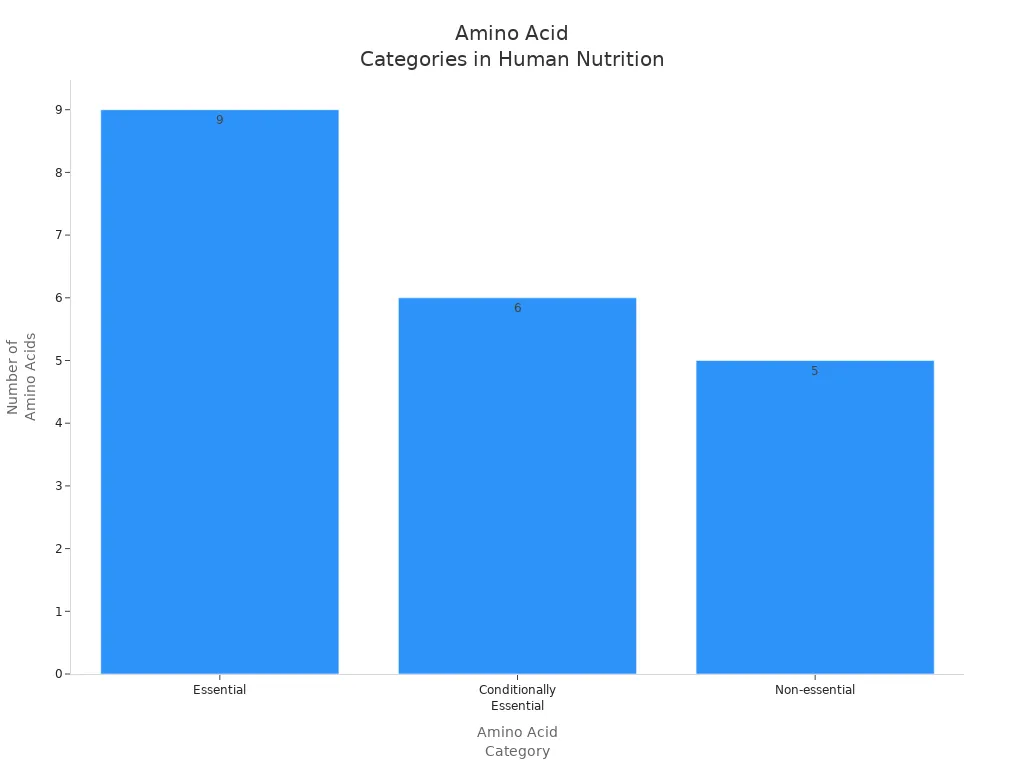
Knowing these differences helps you pick better foods for your health.
Key Takeaways
Essential amino acids come from the food you eat. They help your body grow and heal. They are also needed for good health.
Non-essential amino acids are made by your body. They help build proteins in your body. They also help keep you healthy.
Eating many kinds of foods gives you all essential amino acids. You should mix different plant proteins to get them all.
Conditionally essential amino acids matter more when you are sick or stressed. Listen to your body during these times.
Talk to a doctor before using amino acid supplements. Most people get enough from eating a balanced diet.
Amino Acids Overview
What Are Amino Acids?
You can think of amino acids as the building blocks that make up proteins in your body. Each amino acid has a special structure. It contains an amino group, a carboxyl group, and a unique side chain called an R group. The side chain gives each amino acid its own character. Some side chains attract water, while others do not. This difference helps scientists classify amino acids as polar or non-polar. You also find that some amino acids act as acids, some as bases, and some stay neutral. These features help amino acids work together to build proteins.
Tip: When you eat foods with protein, your body breaks them down into amino acids. Then, your body uses these amino acids to build new proteins that help you grow and stay healthy.
Role in the Body
Amino acids do much more than just build proteins. You use them every day for many important jobs in your body:
Help repair muscles and tissues after exercise or injury.
Support the creation of neurotransmitters, which affect your mood and sleep.
Boost your immune system to fight off sickness.
Keep your skin, hair, and nails strong and healthy.
Provide energy when your body needs it.
Help make hormones and enzymes that control body functions.
You need all types of amino acids, including Essential Amino Acids, to keep your body working well. These tiny molecules play a big part in keeping you active, healthy, and strong.
Essential Amino Acids
Definition and Importance
Your body cannot make Essential Amino Acids by itself. You have to get them from food. These amino acids help your body build proteins. Proteins fix tissues, make hormones, and keep you healthy. If you do not eat enough Essential Amino Acids, your body cannot grow or heal right. Adults need eight of these amino acids. Babies need one more called histidine.
Note: Essential Amino Acids are needed for everyone. Your needs can change as you age or if you get sick.
Your body cannot make Essential Amino Acids.
You must eat foods with them.
They help your body fix tissues, make hormones, and work well.
List of Essential Amino Acids
You need nine Essential Amino Acids to stay healthy. Each one does something special in your body:
Histidine: Makes histamine. This helps your immune system, digestion, sleep, and sexual health.
Isoleucine: Helps your muscles, immune system, and energy.
Leucine: Helps make proteins and growth hormones. It fixes muscles and controls blood sugar.
Lysine: Needed for hormones, energy, calcium, and immune health.
Methionine: Helps tissues grow, supports metabolism, detox, and minerals.
Phenylalanine: Needed for brain chemicals and other amino acids.
Threonine: Important for collagen, elastin, fat use, and immune health.
Tryptophan: Keeps nitrogen balance. It helps make serotonin for mood, appetite, and sleep.
Valine: Helps muscles grow, fixes tissues, and gives energy.
Dietary Sources
You can get Essential Amino Acids from many foods. Animal foods like meat, eggs, and dairy have all nine. These are called complete proteins. Plant foods like beans, peas, nuts, and grains also have amino acids. Some plants do not have all nine, but eating different ones helps. For example, peas may not have methionine, but peppers and spinach do. If you only eat plants, mix your foods each day. This helps you get all the Essential Amino Acids you need.
Tip: If you are vegetarian or vegan, eat many kinds of plant proteins. You can talk to a dietitian for help with your amino acid needs.
Health Benefits
Getting enough Essential Amino Acids keeps you strong and healthy. They give you energy and help your muscles heal after exercise. They also help your immune system, so you do not get sick as much. If you do not get enough, you may feel tired or get sick more. Your hair, skin, and nails may get weak. In bad cases, you could have heart problems, not want to eat, or have tooth issues.
Age Group | Example for 150 lbs (68 kg) | Example for 165 lbs (75 kg) | |
|---|---|---|---|
18 to 30 years | 0.8 – 0.93 | 55 – 63 | N/A |
30 to 65 years | 0.85 to 0.96 | 58 – 66 | N/A |
65+ years | 1.2 – 2.0 | 82 – 150 | 90 – 120 |
You may need more protein as you get older or if you are very active. If you only eat plant foods, watch your diet closely. Sometimes, you may need supplements to get all the Essential Amino Acids you need.
Non-Essential and Conditionally Essential Amino Acids
Non-Essential Amino Acids Explained
You do not have to eat non-essential amino acids. Your body makes them by itself. You use these amino acids every day. They help build proteins and keep you healthy. Alanine, asparagine, glutamate, and serine are some examples. Even though you do not eat them, they are still important for your health.
Conditionally Essential Amino Acids
Sometimes your body cannot make enough of certain amino acids. These are called conditionally essential amino acids. You might need more when you are sick or stressed. You also need more if you are healing from an injury. Arginine is needed for wound healing and immune problems. Glutamine is important during hard exercise or illness. Tyrosine becomes essential if your body cannot make it from phenylalanine. Cysteine helps when your body needs more antioxidants.
Circumstances for Essentiality | |
|---|---|
Arginine | Wound healing, immune challenges, growth |
Cysteine | High antioxidant demands |
Glutamine | Intense exercise, illness, stress |
Tyrosine | Stress, problems with phenylalanine conversion |
Tip: Babies and people under a lot of stress may need more of these amino acids.
Body’s Synthesis Process
Your body uses different ways to make non-essential and conditionally essential amino acids. Each amino acid starts from a special material. Glutamate comes from α-ketoglutarate. Alanine comes from pyruvate. Serine is made from a sugar called 3-phosphoglycerate. Tyrosine comes from phenylalanine. Here is a table that shows how your body makes some amino acids:
Amino Acid | Synthesis Pathway |
|---|---|
Glutamate | Reductive amination of α-ketoglutarate |
Alanine | Transamination of pyruvate |
Aspartate | Transamination of oxaloacetate |
Glutamine | From NH4+ and glutamate |
Asparagine | Similar to glutamine |
Proline | Derived from glutamate |
Arginine | Derived from glutamate |
Serine | From 3-phosphoglycerate |
Glycine | Precursor from serine |
Cysteine | Precursor from serine |
Tyrosine | Hydroxylation of phenylalanine |
Health Roles
Non-essential and conditionally essential amino acids help your body in many ways. Glutamine helps your immune system and gut stay healthy. Glycine helps you sleep and makes collagen for skin and joints. Arginine helps blood flow and heals wounds. Tyrosine helps your body make thyroid hormones and brain chemicals. These amino acids also fix tissues, make enzymes, and keep your mood balanced.
Your body needs all kinds of amino acids to stay healthy, especially when you are stressed or sick.
Comparing Essential vs Non-Essential Amino Acids
Key Differences
Your body needs both essential and non-essential amino acids. Essential amino acids come from the food you eat. Your body cannot make them by itself. Non-essential amino acids are different. Your body can make these on its own. Both types help your body build proteins and fix tissues. They also keep you healthy. The big difference is how you get them. You must eat foods with essential amino acids. Your body makes non-essential ones from other nutrients.
Dietary Needs
How much protein you need can change. It depends on your lifestyle and what you eat. Here are some examples:
Athletes need more protein each day. They need about 1.2 to 1.7 grams for each kilogram they weigh.
Most people need about 0.8 grams for each kilogram.
If you only eat plant foods, you can still get all the amino acids you need. Eat a mix of beans, nuts, seeds, whole grains, and soy.
Some plant foods, like quinoa and soy, have all nine essential amino acids.
Eating many kinds of unprocessed plant foods gives your body enough essential amino acids.
The American Dietetic Association says you do not need to count every amino acid. Eating different plant foods during the day gives your body what it needs.
Common Misconceptions
Many people believe things about amino acids that are not true. Here are some common myths:
More amino acids always means better health.
Only essential amino acids matter.
Amino acids work alone in your body.
You must count every amino acid you eat.
These ideas are not correct. Everyone needs amino acids, not just athletes. Your body uses both essential and non-essential amino acids together to build proteins. Eating more does not always help. Your body controls how it uses them. You do not need to count each one. Eating a balanced diet gives you what you need.
Amino Acid Supplementation and Diet Balance
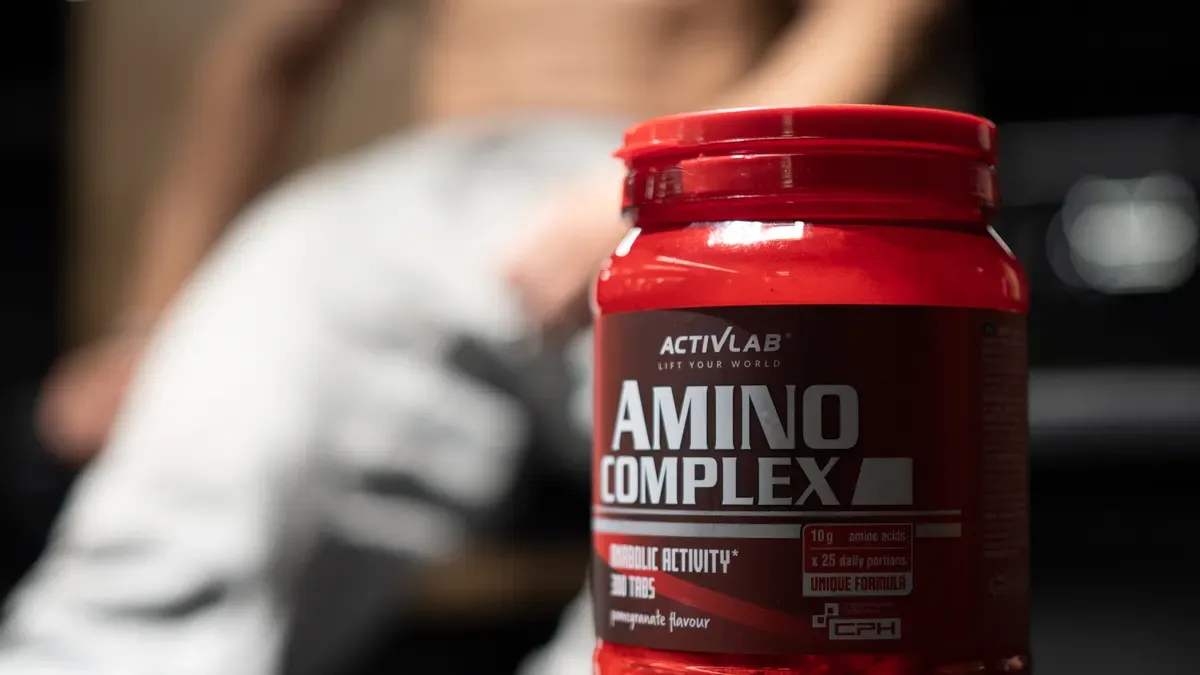
When Supplements Are Needed
You might think about taking amino acid supplements. Most people get enough amino acids from eating healthy foods. Sometimes, doctors may tell you to take supplements for special reasons. You may need them if you want to do better in sports, heal after surgery, or feel happier and sleep better. BCAAs can help you feel less tired when you exercise. Tryptophan supplements might help you sleep well and feel good. After surgery, extra amino acids can help your body heal and stop infections.
Situation | Description |
|---|---|
Exercise performance | BCAAs can help decrease tiredness and help you do better in sports. |
Improve mood | Tryptophan helps your body make serotonin, which can help you feel happy and sleep well. |
Recovering from surgery | Amino acids help your body fix wounds and heal, and they can lower the chance of infection. |
Note: Taking amino acid supplements when you do not need them can cause problems. You might get a stomachache, headache, or even heart problems. Always ask your doctor before you start any supplement.
Best Food Sources
You can get all the amino acids you need from food. Animal foods like meat, eggs, fish, and dairy have complete proteins. These foods have all nine essential amino acids. Eggs, cod, pork, beef, and chicken have a lot of essential amino acids. If you eat only plants, you can still get complete proteins. Foods like soy and quinoa have all the essential amino acids your body needs.
Animal foods: meat, eggs, fish, dairy
Plant complete proteins: soy, quinoa
Tips for Balanced Intake
You can get enough amino acids by eating many kinds of foods. If you only eat plants, mix different foods to get all the essential amino acids. For example, eat beans with rice or peanut butter with whole grain bread. This is called protein complementation. It helps you get all the amino acids your body needs.
Food | Limited Amino Acid | Complement |
|---|---|---|
Beans | Methionine | Grains, nuts, seeds |
Grains | Lysine, threonine | Legumes |
Nuts/seeds | Lysine | Legumes |
Vegetables | Methionine | Grains, nuts, seeds |
Corn | Tryptophan, lysine | Legumes |
Try to eat different plant foods during the day. This will help you get all the amino acids you need, even if you do not eat animal foods.
You get essential amino acids from what you eat. Your body can make non-essential amino acids on its own. Conditionally essential amino acids matter more when you are sick or stressed. Eating many healthy foods helps you stay strong. Look at the table to see how amino acids affect health:
Amino Acid | Association with Obesity | Type of Association |
|---|---|---|
Tryptophan | Negative | Positive |
Phenylalanine | Negative | Positive |
Valine | Negative | Positive |
Glycine | Positive | Negative |
Methionine | Positive | Negative |
To get more amino acids in your diet:
Use new tests to find amino acids better.
Pick foods with BCAAs and lysine.
Make a nutrition plan just for you.
Make sure lab tests are correct.
You can help your health by picking good protein foods and learning about amino acids.
FAQ
What are essential amino acids?
You need essential amino acids from food. Your body cannot make them. These amino acids help you grow, heal, and stay healthy.
Can you get all amino acids from plants?
Yes, you can. Eat a mix of beans, grains, nuts, and vegetables. Some plant foods, like soy and quinoa, have all essential amino acids.
When do you need amino acid supplements?
You may need supplements if you recover from surgery, train hard, or follow a strict diet. Always ask your doctor before you start any supplement.
What happens if you do not get enough essential amino acids?
You may feel tired, get sick more often, or have weak muscles. Your hair, skin, and nails may also become unhealthy.