You want to Replace Synthetic Antioxidants in your foods and products. Many companies use these additives, and the global synthetic antioxidants market may reach $6.3 billion by 2033.
The food antioxidant market could be $3.8 billion in 2026.
Natural antioxidants can help you stay healthy and keep food safe. To Replace Synthetic Antioxidants, you need more than just a quick change—each product needs its own solution. This guide shows you easy steps to help you Replace Synthetic Antioxidants and make the switch smoothly.
Key Takeaways
Look for synthetic antioxidants like BHT, BHA, and TBHQ in your food and skincare by reading the ingredient labels.
Pick natural alternatives like rosemary extract, mixed tocopherols, and many fruits and vegetables to make food safer and healthier.
Try out natural antioxidants in small amounts first to see if they work well before you stop using synthetic ones.
Keep learning about rules and what customers want so you can change your products and give people more natural choices.
Combine different natural antioxidants to make them work better and help your products stay good, taste nice, and last longer.
Identify Synthetic Antioxidants
Common Types and Uses
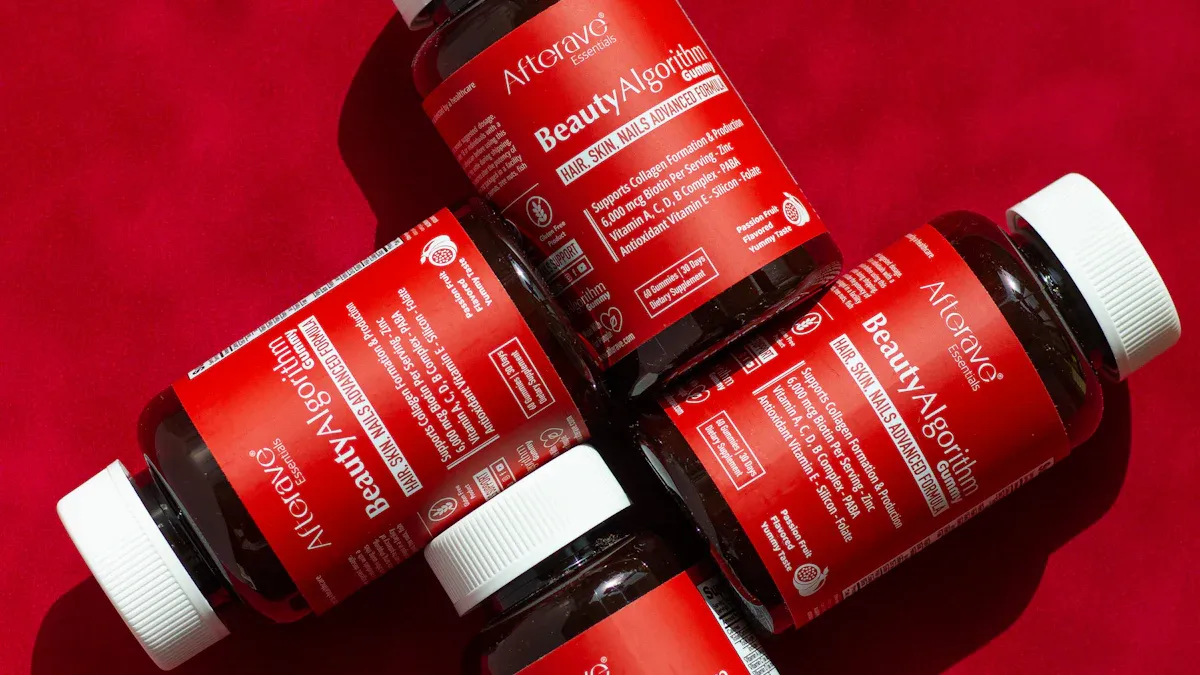
Synthetic antioxidants are in lots of foods and cosmetics. These chemicals help products stay fresh and not spoil. The most common synthetic antioxidants are:
Butylated Hydroxytoluene (BHT)
Butylated Hydroxyanisole (BHA)
Tertiary Butylhydroquinone (TBHQ)
Manufacturers add these antioxidants for different reasons. You find them in meat because they stop fats from going bad. Bakery foods use antioxidants so they do not get stale or taste bad. Dairy foods and processed fruits and vegetables also use synthetic antioxidants. They help food last longer and keep its quality.
Tip: Look at ingredient labels for BHT, BHA, or TBHQ if you want to find synthetic antioxidants in your food or skincare products.
Health Concerns
Scientists have found some risks with synthetic antioxidants. You should know about these risks before you make choices for your health. Here is a table that shows the main health risks:
Health Risk | Description |
|---|---|
Carcinogenic Effects | Animal studies link synthetic antioxidants to cancer. |
Stability Issues | Some antioxidants break down over time and may cause problems. |
Detrimental Health Effects | Studies show they may hurt human health. |
The Selenium and Vitamin E Cancer Prevention Trial (SELECT) studied over 35,000 men who were 50 or older. Researchers learned that selenium and vitamin E supplements do not stop prostate cancer. The trial showed that vitamin E supplements may raise the risk of prostate cancer by 17% compared to a placebo.
Regulatory agencies are now looking at these risks. The FDA is checking BHA and BHT after products are sold. You can see their status in the table below:
Antioxidant | CAS Number | Regulatory Status |
|---|---|---|
Butylated Hydroxyanisole (BHA) | 25013-16-5 | Under post-market assessment by FDA |
Butylated Hydroxytoluene (BHT) | 128-37-0 | Under post-market assessment by FDA |
You can use this information to make safer choices. This helps you understand why many people want to use natural antioxidants instead.
Natural Alternatives to Synthetic Antioxidants
Key Natural Sources
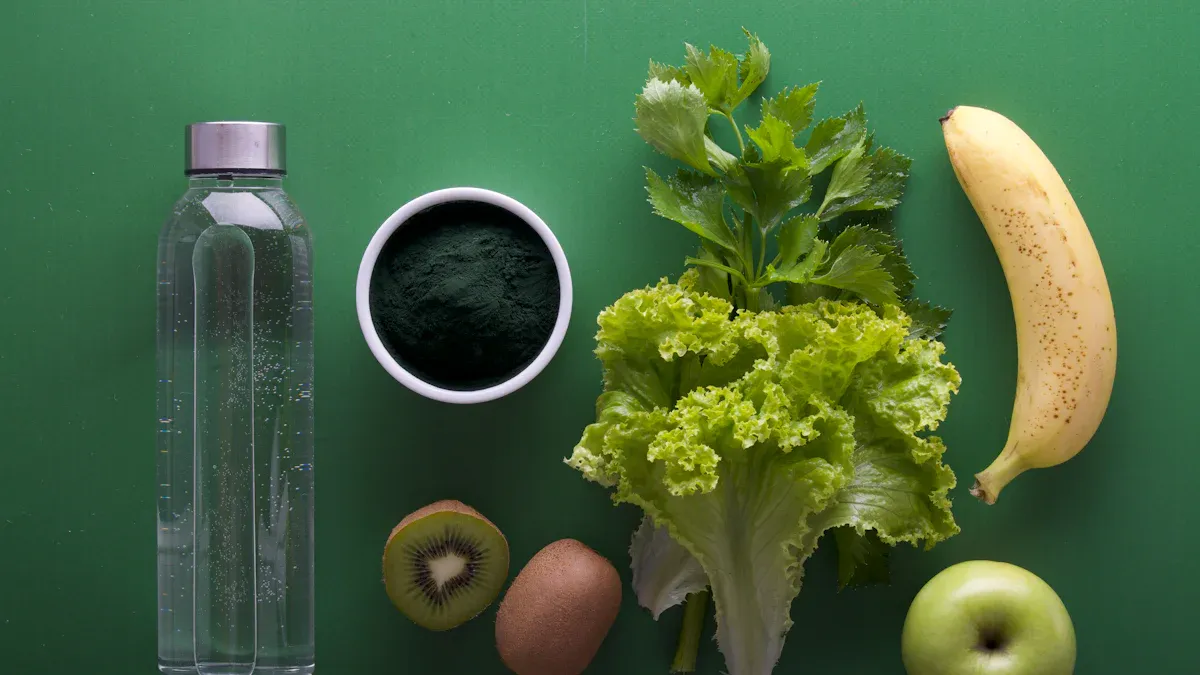
You can get natural antioxidants from foods and plants. These help you Replace Synthetic Antioxidants in meals and products. Some good natural choices are:
Natural mixed tocopherols (a form of vitamin E)
Rosemary extract
Tea extracts
Grape seed extract
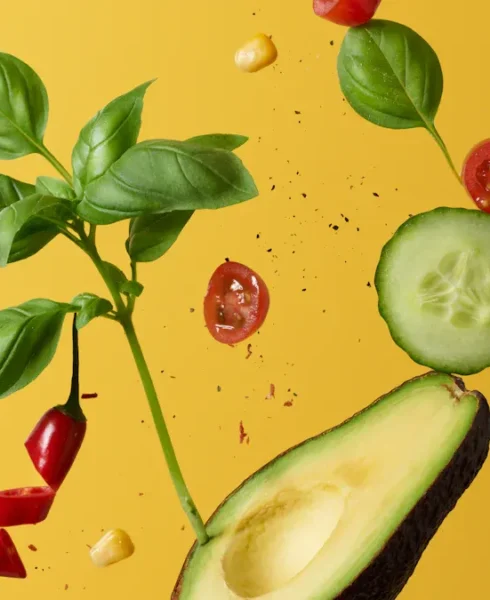
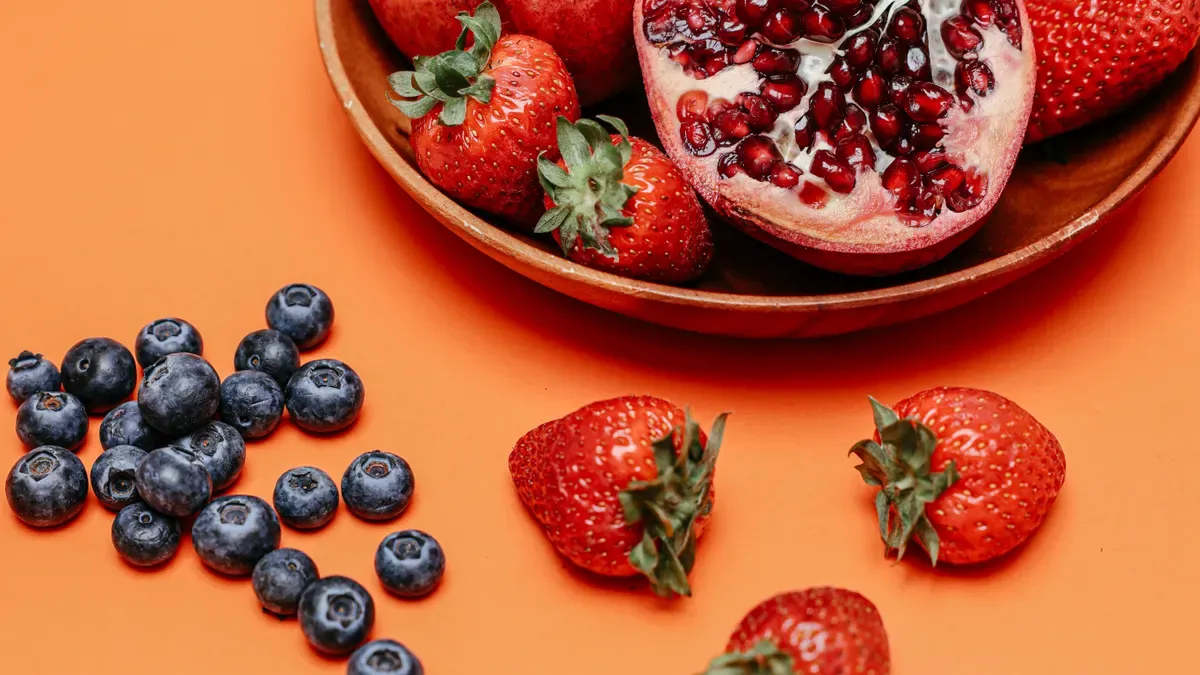
Fruits like prunes, raisins, blueberries, and strawberries
Vegetables such as kale, spinach, broccoli, and Brussels sprouts
Botanical extracts like rosemary are used in pet snacks. Vitamin E works well in many foods. Grape and tea extracts also add antioxidants.
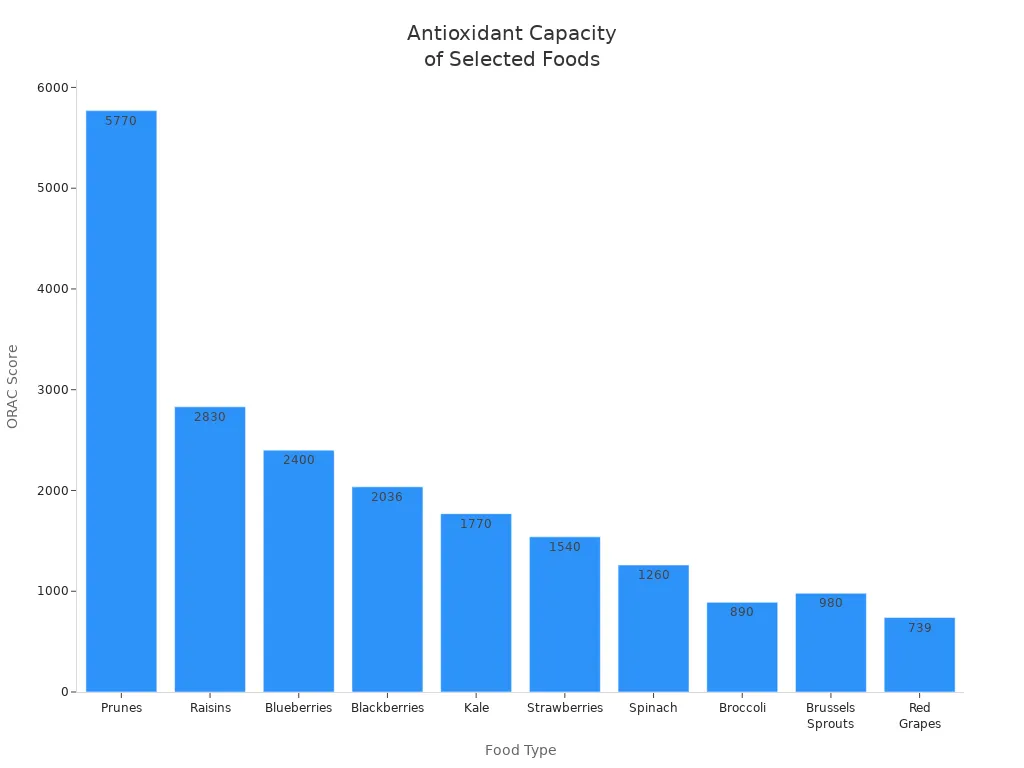
The table below shows how strong some fruits and vegetables are at fighting oxidation. The ORAC score tells you how well a food can stop oxidation.
Food Type | ORAC Score |
|---|---|
Prunes | 5,770 |
Raisins | 2,830 |
Blueberries | 2,400 |
Blackberries | 2,036 |
Strawberries | 1,540 |
Kale | 1,770 |
Spinach | 1,260 |
Brussels Sprouts | 980 |
Red Grapes | 739 |
Broccoli | 890 |
Tip: Eat different fruits and vegetables to get more antioxidants.
Effectiveness Compared to Synthetics
Natural antioxidants do not always work just like synthetic ones. How well they work depends on the food or product. Mixed tocopherols are best for oils. Rosemary extract helps keep fats fresh. Some antioxidants work in water, and some work in fats. You might need to use more than one kind to get the best results.
The table below shows what can change how natural antioxidants work:
Aspect | Details |
|---|---|
Product Matrix | Each food or product needs a specific antioxidant for best results. |
Processing Methods | How you extract and add antioxidants changes their stability and effect. |
Application | Natural antioxidants can protect oils, colors, and flavors. |
You should test natural antioxidants in small amounts first. This helps you see if they work well before using them in everything. Sometimes, natural antioxidants cost more or do not last as long. You can fix this by changing your recipe or mixing different antioxidants.
Note: Always check how natural antioxidants work in your product before switching fully.
How to Replace Synthetic Antioxidants
Step-by-Step Transition Guide
You need a good plan to Replace Synthetic Antioxidants. You cannot just swap them out for every product. Each product needs its own way. Here are steps to help you switch:
Look at your recipes and find where you use synthetic antioxidants.
Find natural antioxidants that fit your product, like rosemary extract or green tea extract.
Pick solutions that match how complex your product is. You can use systems like Duralox or Herbalox for special results.
Try small tests in your kitchen or factory. Check if the new formulas work as well as the old ones.
Watch for changes in rules and what customers want. Stay updated so you can change your process if needed.
Tip: Start with small batches when you Replace Synthetic Antioxidants. This helps you find problems early and fix them before making everything.
Application-Specific Solutions
You need to pick natural antioxidants based on your food or product type. Each use has its own needs. The table below shows what you should think about:
Consideration | Implication |
|---|---|
Selection of suitable antioxidants | Choose based on food traits and what you want. |
Consumer preference | People like natural ingredients because they worry about health risks from synthetic options. |
Impact on food safety | Natural antioxidants help stop oxidation and keep food safe from germs. |
Quality parameters | Test how natural antioxidants change meat quality and other features. |
Research needs | Study how much to add and how antioxidants mix with other ingredients. |
Rosemary extract works well for meats. Mixed tocopherols are good for oils. Grape seed extract fits baked goods. Always check how the antioxidant changes taste, color, and shelf life. You may need to change the amount or mix different natural antioxidants for the best results.
Note: Test each natural antioxidant in your product. This helps you get the right mix of safety, quality, and flavor.
Overcoming Challenges
You will face problems when you Replace Synthetic Antioxidants. Some natural choices may not work as well as synthetics. You need to find ways to fix these issues. Here are the most common problems:
Performance: Make sure natural antioxidants protect your product as well as synthetics.
Shelf Life: Keep your product fresh and safe without synthetic additives.
Flavor Integrity: Keep the original taste and smell of your product.
Consumer Confidence: Help customers trust your new product.
Rules are getting stricter. You must remove synthetic additives to follow new laws.
Customers want clean-label ingredients. You need to show your product uses natural solutions.
For dry-cured meats, you must keep quality and shelf life. Rancidity and color changes are big worries. In fats and oils, antioxidants are important for keeping them stable during storage. Fresh meats need to look and smell good so customers see them as fresh.
Tip: If you have trouble with shelf life or flavor, try mixing different natural antioxidants. You can also change your recipe or packaging to get better results.
You can Replace Synthetic Antioxidants by following these steps and fixing problems as they come up. Test your solutions, listen to what customers say, and keep learning about new natural options.
Using Natural Antioxidants Daily
Sourcing and Storage Tips
You want natural antioxidants to work well. Start by picking good sources. Here are some easy tips:
Ask food scientists or nutritionists to check if products are good.
Find products that follow rules like GMP, ISO, or HACCP.
Make sure the product is safe by checking FDA or EMA rules.
Ask if the company checks how long antioxidants stay strong.
Choose products that fit your needs, like allergen-free or organic.
Try new ways to use antioxidants, like capsules or powders.
Tip: Always read the label for certifications and where it comes from.
Storing antioxidants the right way keeps them strong. The table shows how temperature and light change their power:
Storage Condition | Temperature | Light Exposure | TPC Retention | Antioxidant Activity Retention |
|---|---|---|---|---|
Best Condition | 5 °C | Dark | >95% | 99.98% after 180 days |
Moderate Condition | 5 °C | Light | 96% | 96% after 180 days |
Least Stable | 25 °C | Light | N/A | 90% after 180 days |
Keep antioxidants in a cool, dark spot to help them last.
Incorporation into Foods and Products
You can use natural antioxidants in many foods and products. They work in oils, baked goods, meats, and skincare. Natural antioxidants stop fats from going bad and protect food when you cook. They mix well, so they spread in oil and water foods.
Benefit/Application | Description |
|---|---|
Stable at high temperatures | Stay strong when you cook |
No change to taste or color | Do not change how foods taste or look |
Allowed in organic products | Safe for organic and natural foods |
Effective blends | Mixing antioxidants makes them work even better |
Note: Try mixing rosemary extract with vitamin E for baked goods.
Safety and Dosage
Natural antioxidants are safe if you use the right amount. Too much can cause problems. For example, lots of oxalic acid or tannins can lower iron or zinc. Phytic acid from beans or maize can lower calcium and iron. Some oils, like clove oil, can be harmful if you use too much. Lipid-soluble antioxidants can hurt you if you take too much for a long time.
Adverse Effect | Source of Antioxidant |
|---|---|
Mineral deficiencies (iron, zinc) | Oxalic acid, tannins, phytic acid |
Calcium and iron deficiencies | Phytic acid from beans, legumes, maize |
Toxicity | Eugenol in oil of cloves |
Long-term harmful effects | Lipid-soluble antioxidants |
Tip: Use the right serving size and ask a health expert if you are not sure.
Benefits and Considerations
Health and Food Safety
Natural antioxidants can make food safer. Many people want food that tastes good and is healthy. These antioxidants come from plants and foods you know. They help keep food fresh and safe. They do not have the same safety worries as synthetic antioxidants. Using them gives your food a cleaner label. This is something shoppers like.
Synthetic antioxidants stop fats from going bad. But they can cause safety and environmental worries. You may need to use more natural antioxidants to get the same effect. So, you must be careful with how much you use.
Tip: Always check how much you add to avoid side effects.
Potential Drawbacks and Solutions
There are some problems with using natural antioxidants. The table shows what can go wrong and what it means:
Drawback | Description |
|---|---|
Agricultural Footprint | Growing plants for antioxidants uses land, water, and sometimes pesticides. |
Extraction and Processing Burden | Getting antioxidants from plants can use a lot of energy and chemicals. |
Stability and Potency Issues | Natural antioxidants may not last as long or work as well, so you might need to use more. |
Deforestation and Biodiversity Loss | Large farms can harm forests and wildlife if not managed well. |
Natural antioxidants do not always work the same in every food. For example, rosemary extract works well in oils but not in water foods. How you make your food can change how antioxidants work.
You can fix these problems in a few ways. Try mixing different natural antioxidants for better results. Use new packaging or storage to keep antioxidants strong. Pick suppliers who use safe and green farming methods.
Long-Term Impact
Using natural antioxidants can help your health over time. Eating more foods with antioxidants may lower your risk of some diseases. Many people use plant antioxidants because they worry about synthetic ones. Studies show people who eat more natural antioxidants are often healthier.
Note: Picking natural antioxidants helps your health and the planet.
You can make your food safer and help your health by using natural antioxidants. Try making small changes first and see what works best for your products. Lots of people want foods with simple labels and plant-based ingredients. Companies sell more and their foods last longer when they use natural antioxidants. You can learn more by asking food science groups or nutrition experts for help.
FAQ
What are the most common natural antioxidants I can use?
You can use rosemary extract and mixed tocopherols. Grape seed extract and tea extracts are good too. Blueberries and kale are also helpful. These choices keep your food fresh and safe.
Do natural antioxidants change the taste of my food?
Some, like rosemary extract, might give a light flavor. You should try a small amount first. Most, like mixed tocopherols, do not change taste if you use the right amount.
How do I know if a product contains synthetic antioxidants?
Look at the ingredient label for BHA, BHT, or TBHQ. These are synthetic antioxidants. You can also check for “natural antioxidant” or plant extract on the label.
Are natural antioxidants safe for everyone?
Most people can use natural antioxidants without problems. Some people might be allergic to certain plant extracts. Ask a health expert if you have questions or special needs.
Can I use more than one natural antioxidant at a time?
Yes! Mixing different natural antioxidants can work even better. You can use rosemary extract with vitamin E or grape seed extract. This helps keep your food safe and fresh for longer.