Have you ever wondered why some vitamins dissolve in water while others mix best with oils? You need to choose the right antioxidant for your needs. Oil-Soluble Antioxidants protect your skin and support cell health. Water-based antioxidants work in your blood and tissues. You make better choices for your health, skincare, or food when you know which type fits your goals.
Key Takeaways
Oil-soluble antioxidants, like Vitamin E, keep your skin safe. They protect cell membranes from harm. They work best in places with fat.
Water-soluble antioxidants, like Vitamin C, act fast in your blood. They help your organs stay healthy. They fight stress and boost your immune system.
Using both types of antioxidants gives your body more protection. Each type guards different parts. This helps your health get better.
For skincare, use oil-soluble antioxidants at night for strong protection. Use water-soluble ones in the morning for hydration and brightness.
In your diet, eat nuts and seeds for oil-soluble antioxidants. Eat fruits and vegetables for water-soluble ones to stay healthy.
What Are Oil-Soluble Antioxidants?
Definition and Key Features
Oil-soluble antioxidants are found in things with fats or oils. These antioxidants mix into oil but not into water. They work best in places with lots of fat, like cell membranes and skin. Oil-soluble antioxidants help stop oils and fats from breaking down. This breaking down is called oxidation. When oils go through oxidation, they can spoil or lose their good effects.
Here are some important features of oil-soluble antioxidants:
They help oils and fats last longer and stay good.
They slow down oxidation by stopping lipid autoxidation.
They need to be cheap, safe, and able to handle high heat, like when frying.
You see these antioxidants in foods, skincare, and supplements. They help keep products fresh and safe for you.
Common Examples and Uses
Oil-soluble antioxidants are in many natural oils. Some well-known ones are:
Blackberry Seed Oil
Blueberry Seed Oil
Cranberry Seed Oil
Red Raspberry Seed Oil
Grape Seed Oil
Wild Carrot Seed Oil
Black Cumin Seed Oil
Broccoli Seed Oil
Meadowfoam Seed Oil
Baobab Seed Oil
Pumpkin Seed Oil
Jojoba Seed Oil
Borage Seed Oil
Vitamin E is a famous oil-soluble antioxidant. You find it in supplements and skincare. It comes in different forms, but α-tocopherol works the best. Vitamin E helps your skin and fights inflammation.
Oil-soluble antioxidants are also used to keep food and cosmetics fresh. The table below shows how some common antioxidants work in these products:
Antioxidant | Function in Cosmetics |
|---|---|
Vitamin E (tocopherol) | Stops oils and butters from going bad and helps your skin. |
Rosemary CO2 extract | Slows down oil and butter oxidation with its antioxidant power. |
Oil-soluble antioxidants are important for keeping your food and skincare products fresh and working well.
Understanding Water Soluble Extracts
Definition and Main Properties
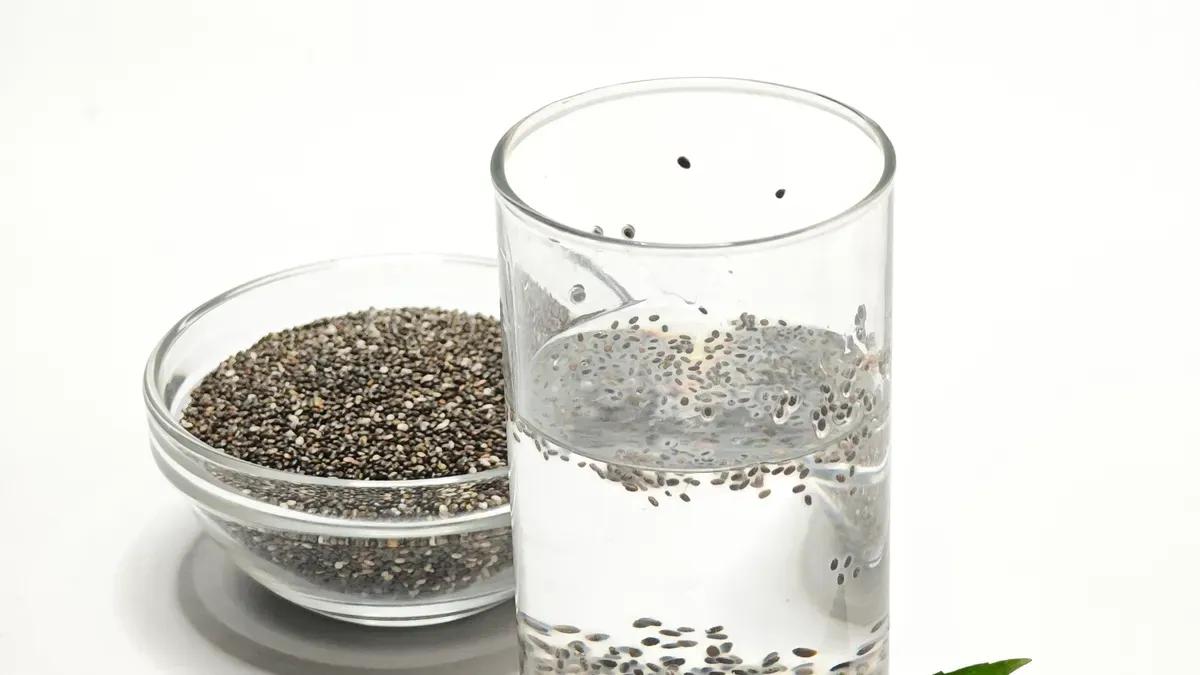
You find water soluble extracts in lots of foods and drinks. These extracts mix with water but not with oil. When you put them in a drink, they blend in fast. You will not see them float or split apart. Water soluble extracts come from fruits, vegetables, herbs, and grains. They give you vitamins like vitamin C and B vitamins. Most water soluble extracts look light and taste mild.
Water soluble extracts move quickly through your body. Your blood and organs use them right away. Your body does not keep most water soluble extracts for long. Extra amounts leave your body in your urine. So, you need to eat or drink them every day. You can find water soluble extracts in juice, tea, and health drinks. Some companies use them in supplements that work fast.
Tip: If you want fast effects, pick products with water soluble extracts. Your body takes them in quickly.
Where Water-Soluble Antioxidants Work
Water soluble extracts work best in the watery parts of your body. Your blood, cells, and organs use them to fight damage. Eating foods with water soluble extracts helps your body stay safe from stress and pollution. These extracts also help your immune system stay strong.
You see water soluble extracts in many skincare products. They help your skin stay fresh and moist. Some water soluble extracts calm redness and help healing. You also find them in food products. They keep drinks clear and add healthy things without changing the taste.
Here is a table to show where you use water soluble extracts:
Product Type | How Water Soluble Extracts Help |
|---|---|
Drinks | Mix in easily, add vitamins |
Supplements | Absorb fast, give quick results |
Skincare | Hydrate skin, calm irritation |
Foods | Boost nutrition, keep flavors light |
You can see water soluble extracts are used in many ways. You use them for health, beauty, and food every day.
How Oil-Soluble and Water-Soluble Antioxidants Work
Mechanisms in the Body
You meet free radicals every day. These are unstable molecules called reactive oxygen species (ROS). They can hurt your cells. Oil-soluble and water-soluble antioxidants fight these dangers in their own ways.
Oil-soluble antioxidants, like vitamin E, protect the fatty parts of cells. They stay in cell membranes and block ROS from hurting lipids. Eating foods with oil-soluble antioxidants helps your body guard its cell walls and skin. Vitamin E works inside blood vessel cells and lowers swelling. It keeps your blood vessels healthy and lowers the chance of some diseases.
Water-soluble antioxidants, like vitamin C, work in watery places in your body. They move through your blood and cytoplasm. You use vitamin C to stop ROS in these areas. It acts quickly and keeps your organs and tissues safe from damage. Vitamin C also helps bring back vitamin E, so both can keep fighting free radicals.
When you use both oil-soluble and water-soluble antioxidants, you get better protection. Each kind guards different parts of your body, so you are safer.
Here is how water-soluble antioxidants help your body:
Vitamin C stops ROS in blood plasma and cytoplasm.
It catches free radicals by giving or taking electrons.
It makes less harmful things after meeting ROS.
Vitamin C brings back vitamin E, making it stronger against lipid peroxyl radicals.
This teamwork gives you a full antioxidant shield.
Effectiveness in Different Environments
Oil-soluble antioxidants work best in fatty places. You find them in oils, butters, and cell membranes. They stop fats from breaking down and keep your skin and organs safe. Using products with oil-soluble antioxidants protects the parts of your body that have lipids.
Water-soluble antioxidants do best in watery places. Your blood, fluids outside cells, and organs need them. They move fast and fight stress in these areas. You take in water-soluble antioxidants quickly, so you see their effects sooner.
Scientists found that both types are important. Genistein, a soy isoflavone, helps slow down heart disease and protects DNA from harm. Vitamin E lowers swelling and shields blood vessel cells from stress. Researchers saw that mixing oil-soluble and water-soluble antioxidants makes foods like walnut kernels last longer. This mix protects you better than using just one type.
Antioxidant Type | Where It Works Best | What It Protects |
|---|---|---|
Oil-Soluble | Oils, cell membranes, skin | Lipids, cell walls, butters |
Water-Soluble | Blood, cytoplasm, organs | Tissues, plasma, extracellular fluids |
You get the most help when you use both oil-soluble and water-soluble antioxidants. They protect different places and help your body stay strong against damage.
Key Differences and Benefits
Absorption and Bioavailability
It is important to know how oil-soluble extracts and water-based antioxidants are different. These differences change how your body takes them in and uses them. Oil-soluble extracts need fat from your food to get into your body. Your small intestine takes them in, but they go through the lymphatic system first. Water-based antioxidants go right into your blood from your gut. This makes them work fast, but your body does not keep them for long.
Here is a table that shows how absorption and bioavailability are different:
Characteristic | Water-Soluble Antioxidants | Oil-Soluble Extracts |
|---|---|---|
Absorption | Directly into bloodstream | With fats via lymphatic system |
Transport | Freely in plasma | By lipoproteins |
Storage | Limited, not stored long | Stored in liver and fat |
Excretion | Quickly in urine | Slowly, mainly in feces |
Toxicity Risk | Low | Higher if you take too much |
Stability | Sensitive to heat and light | More stable, but can degrade |
Bioavailability | High for quick use | Lasts longer in your body |
Oil-soluble extracts stay in your body for a long time. Water-based antioxidants work fast but leave your body quickly. You should use both types to get the best results.
Pros and Cons of Each Type
Oil-soluble extracts and water-based antioxidants help your body in different ways. Oil-soluble extracts protect your skin and cell membranes. They last longer, so you do not need to take them often. Water-based antioxidants work fast and help your blood and immune system.
Pros of Oil-Soluble Extracts:
Stay in your body for a long time
Protect cell membranes and skin
Work well in fatty products and creams
Cons of Oil-Soluble Extracts:
Need fat to absorb well
Can build up if you take too much
May not act as fast as water-based types
Pros of Water-Soluble Antioxidants:
Absorb quickly for fast effects
Support your immune system and organs
Low risk of toxicity
Cons of Water-Soluble Antioxidants:
Leave your body quickly
Need daily intake for best results
Sensitive to heat and light
Tip: You get the most benefits when you use both oil-soluble extracts and water-based antioxidants. Using both types helps protect your whole body.
Now you know the main differences and benefits of oil-soluble extracts and water-based antioxidants. This can help you make better choices for your health.
Choosing the Right Antioxidant in 2026
For Skincare and Beauty
You want healthy, glowing skin. You need to protect your skin from pollution, sunlight, and stress. Oil-soluble antioxidants play a big role in skincare. They mix well with the oils in your skin and help build a strong barrier. These antioxidants stop free radicals from causing damage. Free radicals come from sunlight and pollution. They can make your skin age faster.
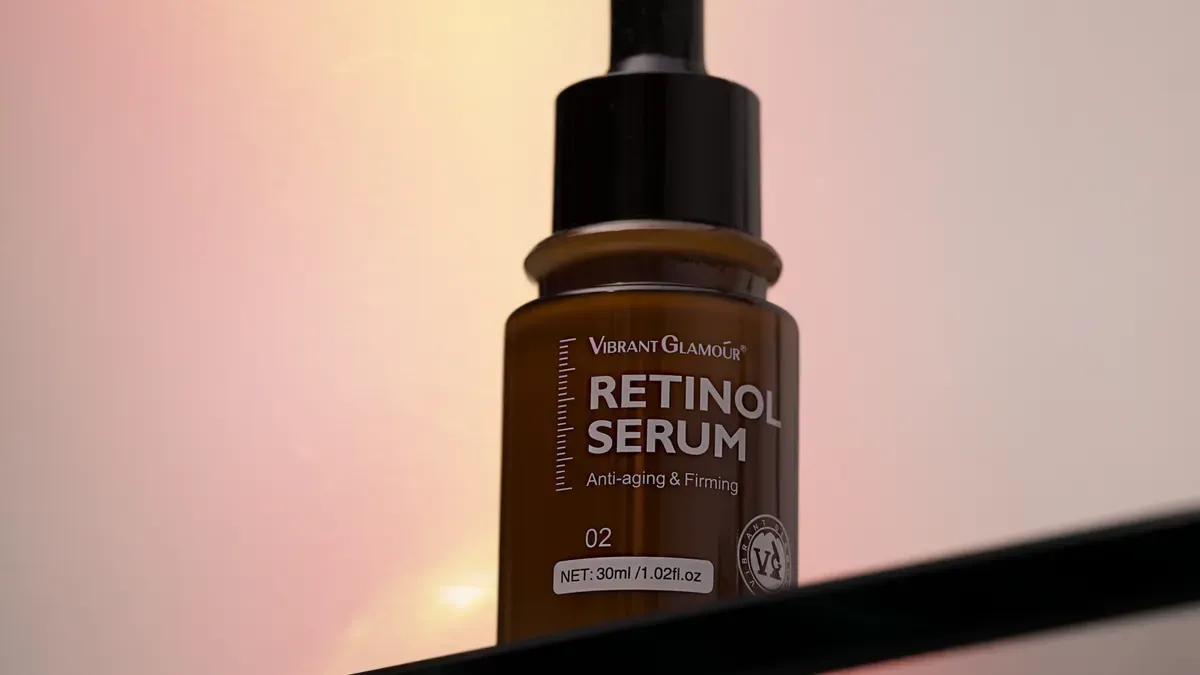
Clinical studies show that antioxidants in skincare can improve your skin’s barrier. They help your skin fight off damage from the environment. You see fewer fine lines and smoother texture when you use products with these ingredients. Vitamin E is a popular oil-soluble antioxidant. It helps reduce redness and supports your skin’s repair process. You can find vitamin E in many creams and serums.
You also need water-soluble extracts for your skin. These extracts work in the watery layers of your skin. They help keep your skin hydrated and calm. Vitamin C is a common water-soluble antioxidant. It brightens your skin and helps fade dark spots. You can use both oil-soluble and water-soluble extracts together. This gives your skin full protection. You get the benefits of strong barriers and deep hydration.
Tip: Use a serum with water-soluble extracts in the morning. Apply a cream with oil-soluble antioxidants at night. This routine helps your skin stay healthy all day.
Oil-soluble antioxidants protect against UV damage.
Water-soluble extracts hydrate and brighten.
Both types help reduce signs of aging.
For Supplements and Diet
You want to stay healthy and feel your best. Your body needs both oil-soluble and water-soluble extracts. Oil-soluble antioxidants, like vitamin E and carotenoids, protect your cells. They stay in your body longer and support your immune system. You get these antioxidants from nuts, seeds, and oils.
Water-soluble extracts, such as vitamin C and B vitamins, work fast. Your body uses them right away. They help your body fight off sickness and heal wounds. You find water-soluble extracts in fruits, vegetables, and juices. You need to eat foods with water-soluble extracts every day. Your body does not store them for long.
Supplements can help you get enough antioxidants. Choose a mix of oil-soluble and water-soluble extracts. This gives your body full coverage. You support your skin, organs, and immune system. You also help your body recover from stress and pollution.
Here is a simple guide for your diet:
Eat nuts and seeds for oil-soluble antioxidants.
Drink juice and eat fruit for water-soluble extracts.
Take a multivitamin with both types if your diet is not balanced.
Note: Water-soluble extracts leave your body quickly. You need to eat or drink them every day for the best results.
For Food and Product Formulation
You want your food and products to stay fresh and safe. You need to choose the right antioxidants for each product. Oil-soluble antioxidants work best in foods with lots of fat, like oils and butters. They stop fats from going bad. Water-soluble extracts work well in drinks, soups, and sauces. They mix in easily and help keep the taste fresh.
When you make a new product, think about these things:
What kind of food is it? Is it oily or watery?
How long do you want it to last?
What temperature will you use to make it?
What rules do you need to follow?
Do you want natural or synthetic antioxidants?
How much do you want to spend?
Here is a table to help you choose:
Factor | What to Consider |
|---|---|
Processing Conditions | Will you heat or cool the product? |
Product Type | Is it water-based or oil-based? |
Oil/Fat Content | Does it have a lot of unsaturated fats? |
Shelf Life Requirement | How long should it stay fresh? |
Regulatory Compliance | What are the safety rules? |
Natural vs. Synthetic | Do you want natural ingredients? |
Cost-Performance | Can you balance price and quality? |
Supplier Qualification | Are your suppliers reliable? |
You can use both oil-soluble antioxidants and water-soluble extracts in one product. For example, salad dressings have oil and water. You need both types to keep them fresh. You also need to think about packaging and storage. Some antioxidants work better in certain packages.
Tip: Use water-soluble extracts in drinks and soups. Use oil-soluble antioxidants in snacks and spreads. Combine both in mixed products for the best results.
You can see that water-soluble extracts play a big role in many foods and products. They help keep drinks clear and add nutrition. You also find water-soluble extracts in supplements and skincare. You need to check the label to see which antioxidants are inside.
How to Balance Both Types
You get the best results when you use both oil-soluble antioxidants and water-soluble extracts. Your body, your skin, and your food all need both. You protect every part of your body and every kind of product. You can mix and match based on your needs.
Use water-soluble extracts for quick effects and hydration.
Use oil-soluble antioxidants for long-lasting protection.
Combine both for full coverage.
You can talk to a doctor or a food expert if you are not sure which type to choose. You can also try different products to see what works best for you.
Trends and Innovations for 2026
Advances in Formulation
Companies are changing how they make antioxidants in 2026. New ways of wrapping antioxidants help them work better and last longer. These new methods protect the important parts inside. They make antioxidants stronger for your skin, food, and supplements.
Antioxidants that are wrapped stay in your skin much longer than normal ones.
Wrapping antioxidants makes them last over half as long again. This means you waste less and get more for your money.
Wrapped antioxidants keep almost all their power after six months. Normal antioxidants lose a lot of their strength in that time.
These new ways protect antioxidants from air, sunlight, and changes in acid. Your products stay good until you use them.
Companies use safe materials like polycaprolactone (PCL) and polylactic acid (PLA). These materials break down safely and let antioxidants out slowly.
You get better results from these new ideas. Your skincare, supplements, and foods work better and stay fresh longer.
Market Preferences
You see more kinds of antioxidants when you shop now. The world market for man-made antioxidants is growing quickly. It may reach $5.1 billion by 2034. This is because more people want them in food, drinks, beauty, and medicine. Water-soluble antioxidants, like special vitamin E, are getting more popular. They work well in drinks and pills because your body takes them in easily. Many companies now make more water-soluble products.
You also see more water-soluble antioxidants in foods and drinks. These mix in well and help with clean labels. People trust them because they seem safer and more natural than oil-soluble ones.
Where you live changes what antioxidants you find in stores. Here is a table that shows what people like in different places:
Region | Preference for Antioxidants | Key Influencing Factors |
|---|---|---|
Europe | Natural | Strict rules about man-made additives |
North America | Mix of Natural and Synthetic | People like processed foods and supplements |
Asia Pacific | Growing Demand | More cities, higher incomes, and more processed foods |
You have many choices. You can pick products that fit your needs, values, and local trends.
Oil-soluble antioxidants help in fatty foods and skincare. Water-soluble antioxidants protect watery parts like blood and drinks. Each type has its own good points and risks. You should pick the one that fits your needs. Experts say you should eat whole foods and ask professionals before taking supplements.
Recommendation | Details |
|---|---|
Consult healthcare professionals | Talk to your doctor about supplements and side effects. |
Prefer whole foods | Eat fruits, vegetables, and grains for more benefits. |
Caution with products | Some antioxidant products may not be good for everyone. |
To get the best results, use both types carefully and keep learning about new research.
FAQ
What is the main difference between oil-soluble and water-soluble antioxidants?
Oil-soluble antioxidants work in the fatty parts of your body. These places include your skin and cell membranes. Water-soluble antioxidants protect the watery parts, like your blood and tissues. You need both types to keep your body safe everywhere.
Can you take both types of antioxidants together?
Yes, you can use both at the same time. Oil-soluble antioxidants stay in your body longer. Water-soluble antioxidants work quickly but leave fast. Using both gives your body better protection.
Are oil-soluble antioxidants better for skincare?
Oil-soluble antioxidants help protect your skin’s barrier. They mix with your skin’s oils and keep it strong. Water-soluble antioxidants help your skin stay bright and moist. Both types help your skin look and feel healthy.
Do water-soluble antioxidants leave your body quickly?
Yes, your body uses water-soluble antioxidants fast. Any extra leaves your body in your urine. You need to eat foods with these antioxidants every day to keep enough in your body.
How do you know which antioxidant type is in a product?
Check the ingredient list on the package. Look for vitamin E or tocopherol for oil-soluble antioxidants. For water-soluble ones, look for vitamin C or ascorbic acid. You can also ask the company if you are not sure.