You might ask which ingredient is more important in the Silicon Dioxide vs Magnesium Stearate debate. Silicon dioxide stops powders from sticking together. Magnesium stearate helps tablets come out of machines easily. Some people worry magnesium stearate might slow how your body takes in nutrients or change your gut over time. Silicon dioxide, when it is very small, might change how your immune cells work in your gut. Both ingredients do different things, but you should think about safety and how they affect your body when you choose.
Key Takeaways
Silicon dioxide helps powders stay dry and not stick together. This makes sure you get the right amount each time.
Magnesium stearate works like a slippery coating. It helps tablets come out of machines easily. It also keeps the quality the same every time.
Both ingredients are safe for most people. Many studies show they do not cause health problems at normal amounts.
Pick silicon dioxide if you live where it is damp. It keeps your supplements fresh. Choose magnesium stearate if you want tablets that are smooth and easy to swallow.
Always read labels if you have allergies or are sensitive to things. For most people, both ingredients help make supplements safe and work well.
Silicon Dioxide vs Magnesium Stearate Comparison

Main Functions Side by Side
You may wonder what silicon dioxide and magnesium stearate do in supplements. They are both important, but they have different jobs. Here is a table that shows how they are not the same:
Ingredient | Main Role in Supplements | Key Characteristics | Typical Amount (mg per capsule) |
|---|---|---|---|
Silicon Dioxide | Anti-caking agent and flow agent | Inorganic, keeps powders free-flowing, absorbs moisture | |
Magnesium Stearate | Lubricant for tablet and capsule manufacturing | Synthetic, prevents sticking to machines, can affect how tablets dissolve | 10 – 50 |
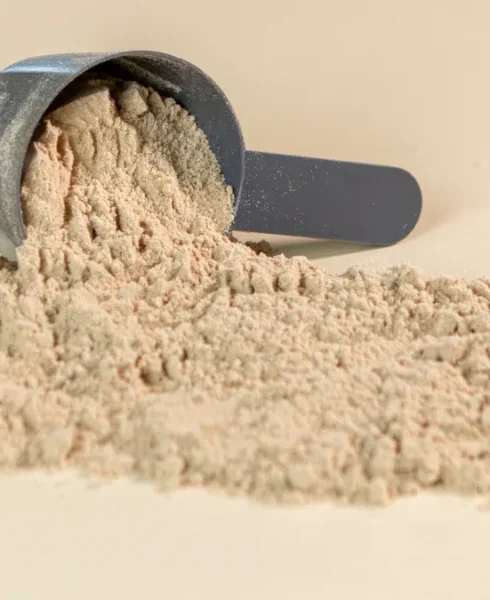
Silicon dioxide stops powders from clumping. It helps powders move easily during making.
Magnesium stearate works like a slippery layer. It keeps powders from sticking to machines and helps tablets come out.
When you compare Silicon Dioxide and Magnesium Stearate, you see each one does something special. Both are needed for making good supplements.
Importance in Supplements
You want your supplements to work well and be safe. Both silicon dioxide and magnesium stearate help with this.
Silicon dioxide keeps powders dry and loose. It soaks up water, so clumps do not form. This keeps your supplements fresh and easy to swallow. It also stops some ingredients from mixing in a bad way. When powders stay loose, you get the right amount every time.
Magnesium stearate helps tablets and capsules come out of machines without sticking. This lets companies make tablets that are the same size and strength. It also helps make sure each pill has the same amount.
Tip: Without these ingredients, machines could jam, powders could clump, or tablets could be uneven. This could make supplements bad or even unsafe.
In the Silicon Dioxide vs Magnesium Stearate comparison, both help keep your supplements safe and steady. Silicon dioxide is great for keeping powders dry and easy to use. Magnesium stearate is important for making tablets and capsules the right way.
Both ingredients are needed to make supplements safe and good. They help keep your supplements fresh, easy to take, and always the same quality.
What Matters Most?
When you pick a supplement, you want it to be safe. You also want it to work and be good quality. In the Silicon Dioxide vs Magnesium Stearate debate, three things matter most:
Safety: You want ingredients that will not hurt you.
Effectiveness: You want your supplement to do what it says.
Product Quality: You want every dose to be the same and easy to take.
Safety and Effectiveness
You care about what you put in your body. Both silicon dioxide and magnesium stearate are safe. Scientists and health groups have checked them for many years.
Compound | Safety Record | |
|---|---|---|
Silicon Dioxide | Anti-caking agent for consistent dosing | Shows no real risk after fifty years of use; helps with quality control. |
Magnesium Stearate | Lubricant for manufacturing processes | No gene changes or chromosome harm; seen as safe by experts. |
The FDA says magnesium stearate is safe in food and supplements. It has been on the GRAS list since 1979.
The European Food Safety Authority and CDC say silicon dioxide is safe at normal levels.
Both ingredients have passed many safety checks. Long studies show no cancer risk from silicon dioxide, even at high amounts.
Some people worry magnesium stearate might slow how your body takes in nutrients. Studies show that normal amounts do not stop your body from getting what it needs. It also helps mix ingredients, making supplements more stable.
Silicon dioxide keeps powders from sticking together. This helps you get the right dose each time. It can also make capsules bigger, so they are easier to swallow.
Note: Some people worry about very tiny silicon dioxide and lots of magnesium salts. These are rare in most supplements. Health groups keep checking new research.
Impact on Product Quality
You want your supplement to be the same every time. Both silicon dioxide and magnesium stearate help with this.
Silicon dioxide keeps powders loose and stops clumps. This lets machines fill capsules and tablets faster and with fewer mistakes.
Magnesium stearate acts like a slippery layer. It stops powders from sticking to machines. This helps companies make tablets that are the same size and strength.
When makers add 0.5-1% of these, they can make pills 30-50% faster. This means less cleaning and fewer broken tablets.
Both ingredients help make sure each pill has the right amount inside. This keeps your supplement safe and working well.
Some people say magnesium stearate could slow how fast your body uses nutrients. Most studies show this effect is very small at normal levels. For most people, it does not change how well the supplement works.
Tip: If you have a sensitive stomach or allergies, check the label. Most people can take these ingredients safely.
In the end, you want your supplement to be safe, work well, and be the same every time. Both silicon dioxide and magnesium stearate help with this. The choice depends on what you need and if you have any sensitivities.
Ingredient Roles Explained

Silicon Dioxide Purpose
Silicon dioxide is in many supplements. It keeps powders from sticking together. This ingredient stops clumps from forming. It also soaks up water in the bottle. When you open your vitamins, each dose comes out easily. Silicon dioxide helps keep powders dry and loose.
Studies show silicon is good for your bones and joints. It may help your immune system too. Some research says it can help your mind. Your body takes in silicon in different ways. Orthosilicic acid is the easiest form to use. Supplements with this type work best. Getting enough silicon helps your bones and joints stay strong.
Silicon dioxide also keeps each serving the same. You get the right amount every time. This helps you trust your supplement.
Tip: If you live where it is humid, silicon dioxide stops your supplements from turning hard.
Magnesium Stearate Purpose
Magnesium stearate is a slippery ingredient. It helps powders move through machines. You find it in many tablets and capsules. It stops powder from sticking to equipment. It also keeps tablets from breaking.
Manufacturers use a small amount, less than 1%. Even a little bit makes a big difference. It lowers friction when making tablets. It helps fill capsules evenly. Without it, machines could jam. Tablets might break or have rough edges.
Some people worry magnesium stearate does not dissolve well. This means it does not mix with water easily. Some studies say it might slow how your body takes in nutrients. Most experts think this effect is very small at normal levels.
Magnesium stearate keeps powder from sticking to machines.
It helps tablets stay smooth and strong.
It makes sure each capsule has the right amount inside.
When you look at both ingredients, you see they help make safe supplements. Each one helps with quality in its own way.
Safety and Health Concerns
Silicon Dioxide Safety
You may ask if silicon dioxide is safe in supplements. Health groups have checked this ingredient for a long time. The European Food Safety Authority looked at silicon dioxide. They found no safety problems for anyone, even babies. The EFSA said your body takes in very little silicon dioxide. Most of it goes through your stomach and leaves your body.
The FDA says silicon dioxide is safe to use in food. It can be up to 2% of a food’s weight.
People have used it in food and supplements for many years with no big health issues.
Studies show silicon dioxide does not cause side effects when you eat normal amounts.
Note: Breathing in lots of silica dust can hurt your lungs. This only happens in some jobs, not from eating supplements.
You do not need to worry about silicon dioxide in your vitamins. It helps keep your pills safe and fresh.
Magnesium Stearate Safety
You might read online that magnesium stearate is bad for you. Experts have checked these claims and found no proof it is harmful. The FDA and the European Food Safety Authority say magnesium stearate is safe in food and supplements.
Region | Regulatory Status |
|---|---|
United States | |
European Union | Approved as a food additive with no safety problems at normal levels. |
Your body breaks down magnesium stearate into simple, safe parts.
No studies show magnesium stearate hurts your stomach or immune system.
Claims about it stopping your body from using nutrients or hurting immune cells are not true.
Tests show it does not cause harm to genes.
You can trust magnesium stearate is safe in the small amounts in supplements. It helps make pills easy to swallow and keeps them the same.
Impact on Supplement Quality
Flow, Clumping, and Consistency
You want your supplements to be fresh and simple to use. How powders move and mix is very important. Silicon dioxide and magnesium stearate both help, but in different ways.
Silicon dioxide works like a helper. It stops powders from sticking together.
It helps powders move so machines can fill capsules fast.
This keeps tablets smooth and strong.
Silicon dioxide also keeps out water. It helps supplements last longer.
Magnesium stearate is slippery. It lowers rubbing between powder pieces. This helps powders move through machines easily. Magnesium stearate also keeps things from sticking to each other or to machines. It covers the powder, which helps it flow better when making tablets.
Both ingredients are important when making supplements. They stop machines from getting stuck. They make sure each tablet or capsule has the right amount inside. This means your supplement is always safe and the same every time.
Absorption and Bioavailability
You want your body to use the nutrients in your supplements. How ingredients change absorption is important. Magnesium stearate can make a thin layer that keeps water out. This layer might slow how fast your body takes in the nutrients.
Effect | Description |
|---|---|
Hydrophobic Barrier Formation | Magnesium stearate makes a film that slows down dissolving. |
Most Affected Drugs | Fast-acting drugs and nutrients that dissolve quickly may slow the most. |
Influencing Factors | The size of the powder and how much magnesium stearate is used can change this. |
Some companies use this to control how fast nutrients come out. For most people, this delay is very small and does not change how well the supplement works. Silicon dioxide does not slow absorption. It keeps powders loose and dry, so you get the right amount every time.
In the Silicon Dioxide vs Magnesium Stearate debate, both help make good supplements. They help powders move, stop clumps, and make sure you get the right dose. Only magnesium stearate might slow absorption a little, but this is not a problem for most people.
Which Should You Prioritize?
When to Choose Silicon Dioxide
You might want silicon dioxide if you live where it is humid. It helps keep your supplements dry and stops powders from clumping. This ingredient is good for people who want their capsules to stay fresh. It also keeps them from sticking together. If your tablets break or get stuck in the bottle, silicon dioxide can help stop this.
But you should think about your health. Some studies say too much silicon dioxide for a long time could hurt your gut or cause swelling. This is more likely if your stomach is sensitive. Scientists are still studying if silicon dioxide can cross into your brain. If you have allergies or take lots of supplements, check the label and talk to your doctor.
Tip: If you have allergies or stomach problems, pick supplements with less silicon dioxide.
When to Choose Magnesium Stearate
Magnesium stearate is good if you want smooth tablets that are easy to swallow. It helps powders move through machines and keeps tablets from sticking or breaking. Companies use magnesium stearate in chewable tablets and in places where the air is wet or dry. It helps make sure each pill has the right amount inside.
You should know magnesium stearate comes from oils that are changed in factories. Some people worry it might slow how your body uses nutrients or cause a mild laxative effect. If you take many supplements, the amount of magnesium stearate can add up. People with very sensitive stomachs may want to use less.
Magnesium stearate is best for:
Chewable tablets
Big batches of supplements
People who want smooth, strong pills
When It Doesn’t Matter
Most of the time, picking silicon dioxide or magnesium stearate does not matter much. Supplements only use a little bit of these ingredients. If you do not have allergies or a sensitive stomach, you can focus on the main nutrients.
The whole formula is more important than the flow agent.
Both ingredients help make supplements safe and good quality.
If you only take one or two supplements a day, you probably will not notice any effects from these ingredients.
Remember: Always check the label if you have special health needs. For most people, both silicon dioxide and magnesium stearate are safe in normal amounts.
You have learned that silicon dioxide and magnesium stearate help make supplements safe and steady. Silicon dioxide keeps the powder from getting wet. Magnesium stearate helps tablets hold their shape. Most people can use both safely. Many companies now pick natural or earth-friendly choices for you.
Trend/Example | Description |
|---|---|
Natural Ingredients | Brands use more natural excipients for cleaner labels. |
Sustainable Sourcing | Companies choose raw materials with care for better safety. |
Replacing Excipients | Some brands offer alternatives to traditional ingredients. |
Pick what matches your health and what you care about. You can feel sure when you choose your supplements. 😊
FAQ
Is silicon dioxide natural or synthetic?
Silicon dioxide is found in nature. Sand and quartz have it. Companies clean it for supplements. This cleaned form is safe to eat.
Can magnesium stearate cause allergies?
Most people are not allergic to magnesium stearate. If you are allergic to stearic acid or some oils, check the label. Talk to your doctor if you are worried.
Does magnesium stearate affect nutrient absorption?
Research shows magnesium stearate might slow absorption a bit. For most people, this does not change how your body uses nutrients. You still get the benefits from your supplement.
Should you avoid supplements with these ingredients?
You do not need to avoid them unless you have allergies or a sensitive stomach. Both ingredients help make supplements safe and work well. Most people can use them without any problems.