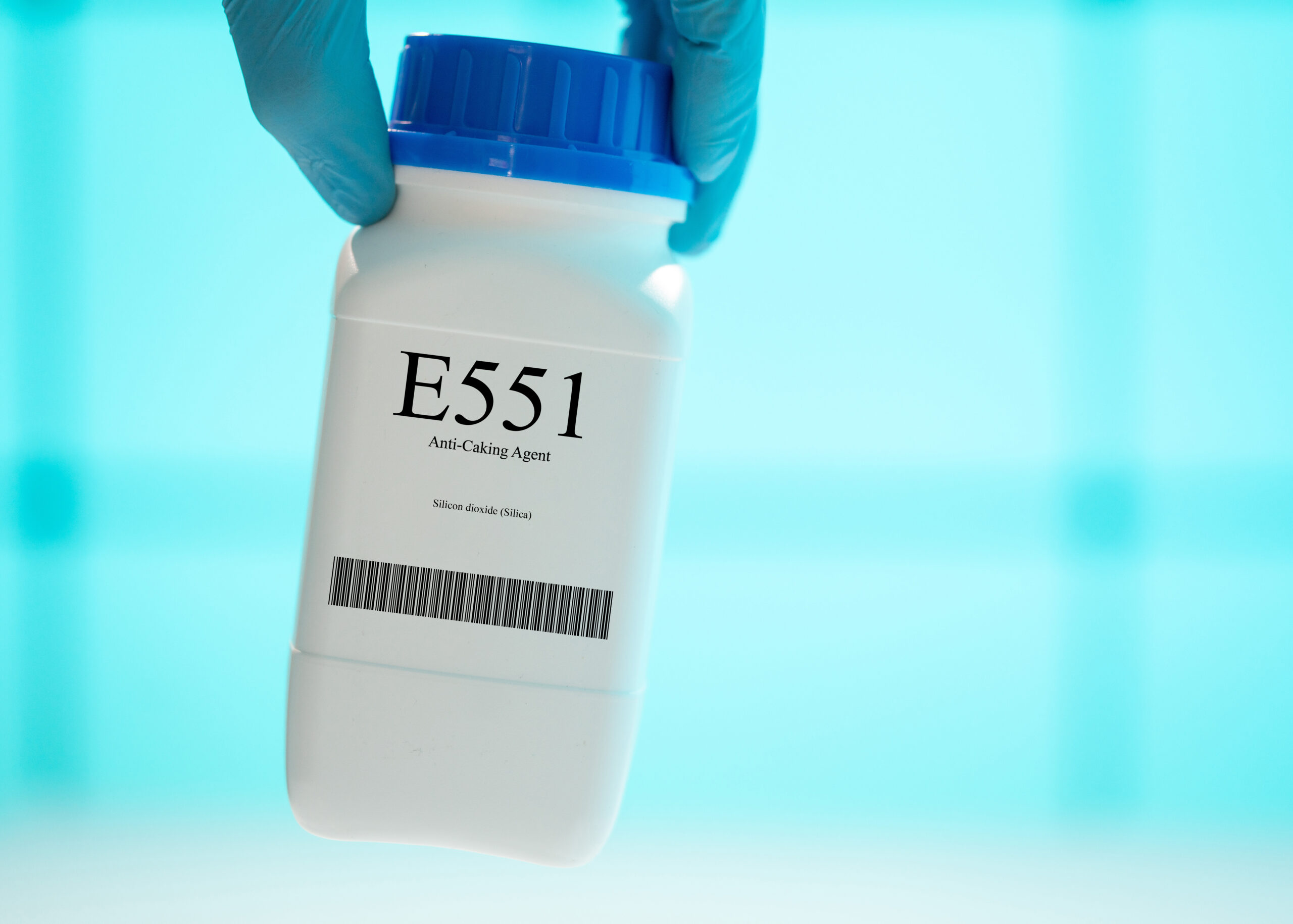
Silicon Dioxide E551
Source food-grade Silicon Dioxide E551 for anti-caking, powder flow improvement, dry premixes, seasonings, instant drinks, supplement powders and tablet manufacturing. This page explains the practical difference between precipitated silica and fumed silica so buyers can choose the right grade for their application.
Food Grade Silicon Dioxide E551 for Powder Flow and Anti-Caking Control
Silicon Dioxide E551 is a functional food additive used primarily to reduce caking, improve powder flow, support uniform mixing and help powder products run more smoothly in filling, tableting and packaging processes.
Unlike creatine, taurine, collagen or protein ingredients, Silicon Dioxide is not positioned as a nutritional active ingredient. It is better listed under Food Additives / Anti-Caking Agents / Processing Aids. It is often used in nutrition powder and supplement manufacturing, but its role is technical: flow improvement, moisture management and carrier support.
- Suitable for dry blends, powder drinks, seasonings, premixes, tablets and capsules.
- Precipitated silica and fumed silica have different structures, bulk density and handling behavior.
- Grade selection should consider oil absorption, BET surface area, particle size, moisture, pH and bulk density.
- COA, SDS, TDS and sample support are available for procurement review.
Precipitated Silica vs Fumed Silica: Which E551 Grade Should You Choose?
Both types can be food-grade Silicon Dioxide, but they are not interchangeable in every formula. The production route creates different structure, density, dispersion and performance behavior.
Precipitated Silicon Dioxide
Precipitated silica is usually produced by reacting sodium silicate with acid, followed by washing, filtration, drying and milling. It is commonly porous, has practical oil absorption and is widely used as an anti-caking agent, flow aid and carrier in powder food systems.
Fumed Silicon Dioxide
Fumed silica, also called pyrogenic silica, is produced by vapor-phase hydrolysis in a flame. It has very fine primary particles, high surface area and a low bulk density. It is often chosen where stronger flow improvement, anti-settling, thickening or rheology control is needed.
Technical Difference Between Precipitated E551 and Fumed E551
Use this table as a procurement guide. Final selection should be tested in the actual powder system because performance depends on particle size, moisture, fat/oil content, packaging humidity and processing equipment.
| Production Route | Precipitated: liquid-phase precipitation from sodium silicate and acid, then washing, drying and milling. Fumed: vapor-phase hydrolysis/flame process, forming extremely fine amorphous silica aggregates. |
|---|---|
| Typical Structure | Precipitated: porous structure, practical absorption capacity, easier to dose in many dry blends. Fumed: chain-like aggregate structure, high surface area, very low bulk density and stronger network-building behavior. |
| Bulk Density | Precipitated: generally easier to handle in bulk bags or drums because density is usually higher. Fumed: fluffy and very light; requires careful dust and packing control. |
| Flow Improvement | Precipitated: good general anti-caking and flow aid for seasoning, drink powder, premix and food powders. Fumed: stronger effect at lower dosage in difficult powders, especially oily, sticky, hygroscopic or very fine powders. |
| Absorption / Carrier Role | Precipitated: often preferred as a carrier for liquid flavors, oils, vitamins and active ingredients. Fumed: can adsorb and improve flow, but may be selected more for high surface area or rheology effect. |
| Dispersion / Mixing | Precipitated: usually more straightforward in dry blending and premix processing. Fumed: may require better mixing control due to low density and dusting tendency. |
| Common Purchasing Logic | Precipitated: choose for broad food anti-caking, carrier and cost-effective powder flow needs. Fumed: choose for high-performance flow, anti-settling, thickening or difficult powder systems. |
Choose by Application, Not Only by Product Name
The buyer should not simply ask for “Silicon Dioxide E551”. The better enquiry is: what product system, what powder problem, and what technical target?
Define the Powder Problem
Is the powder caking during storage, sticking during filling, flowing poorly, absorbing oil, or forming lumps after humidity exposure?
Share the Formula Type
Seasoning powder, protein powder, instant drink, coffee creamer, capsule blend and oil-based flavor carrier may require different E551 grades.
Compare Grade Data
Review particle size, BET surface area, oil absorption, moisture, pH, loss on drying and bulk density before sample testing.
Run Sample Trial
Test flow, dosage, dusting, mixing uniformity, sensory impact and packaging stability under your actual processing conditions.
Where Silicon Dioxide E551 Is Commonly Used
E551 is widely used in powder-based foods and supplements where caking, poor flow or moisture sensitivity can reduce processing efficiency and shelf stability.
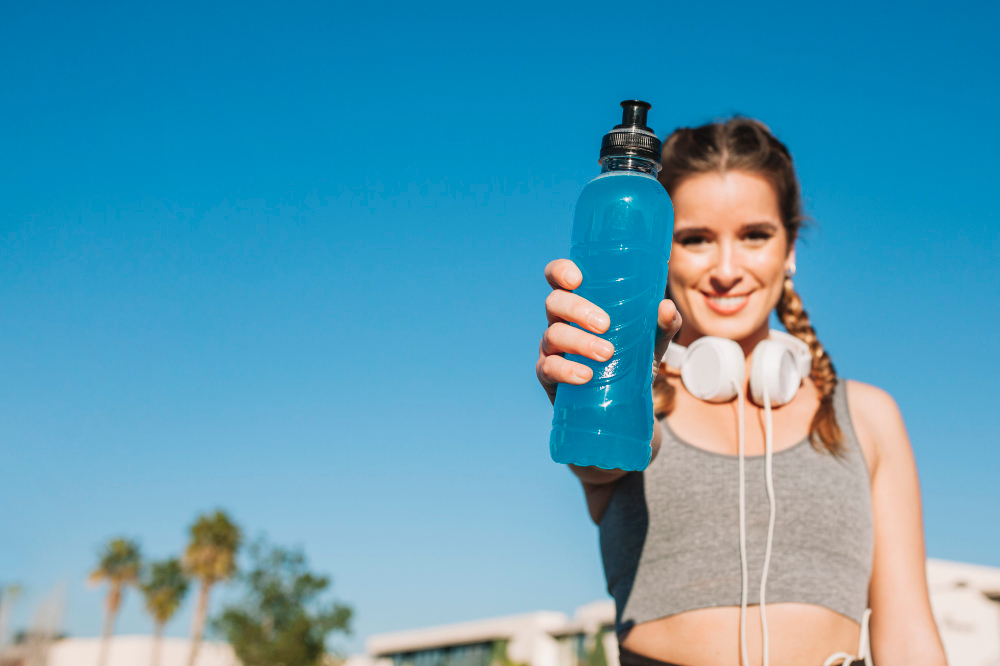
Instant Drink Powders
Improves flow and reduces clumping in powdered beverages, electrolyte drinks, coffee mixes and sachets.
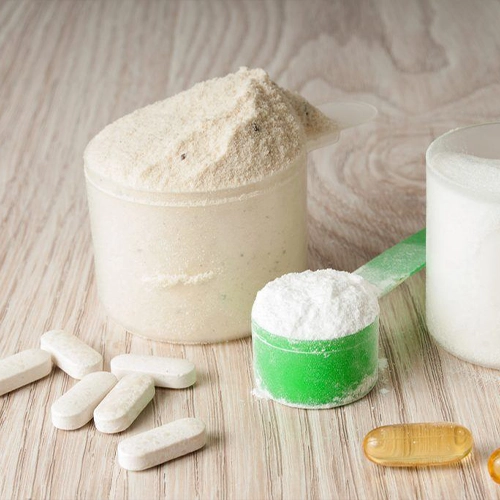
Protein & Nutrition Powders
Used in protein blends, meal replacements, sports powders and dietary supplement premixes.

Capsules & Tablets
Supports powder flow during capsule filling, tablet blending and active ingredient handling.

Seasonings & Spices
Reduces sticking and caking in salt blends, spice mixes, seasoning powders and dry sauces.
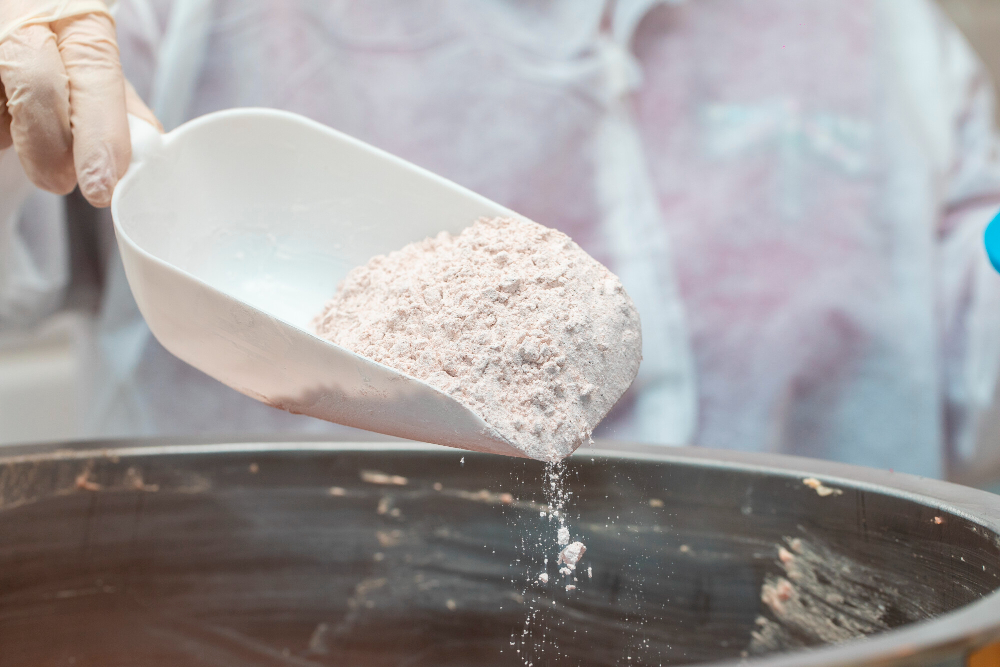
Food Premixes
Improves handling in bakery premixes, dry soup bases, powdered sauce bases and functional blends.
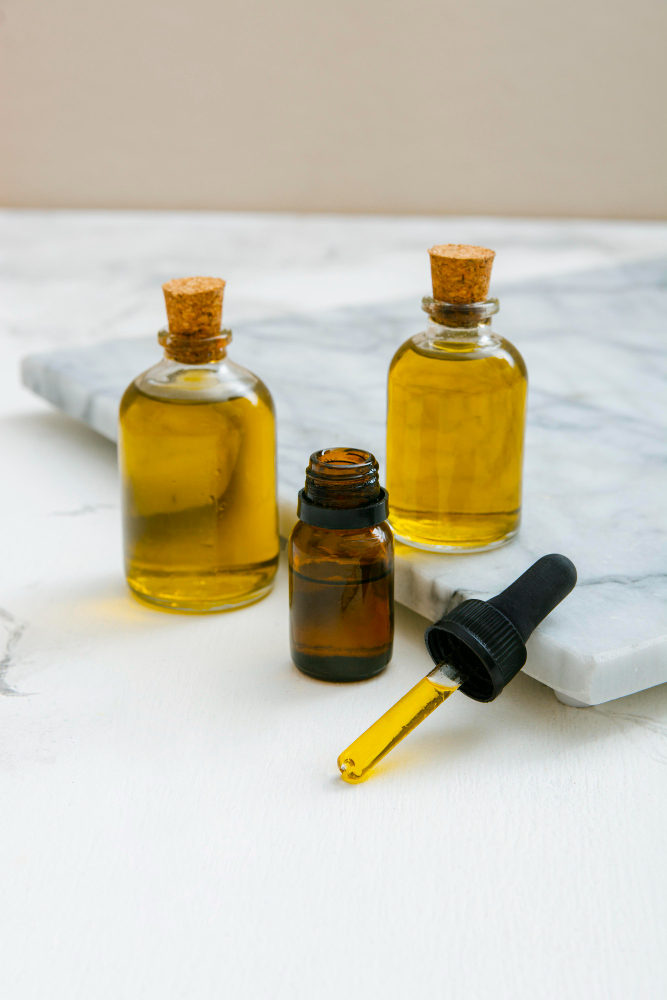
Flavor & Oil Carrier
Precipitated silica is often evaluated as a carrier for liquid flavors, oil-soluble vitamins and oily actives.
When to Choose Precipitated Silica and When to Choose Fumed Silica
For most food powder anti-caking projects, precipitated silica is often the practical starting point. Fumed silica is usually selected for more difficult systems or stronger performance requirements.
| General Food Anti-Caking | Start with precipitated silica. Good for spices, seasonings, dry premixes, powdered beverages and many everyday powder systems. |
|---|---|
| High-Oil or Sticky Powder | Compare precipitated and fumed grades. Precipitated silica may help as a carrier; fumed silica may help when stronger flow correction is needed. |
| Low-Dosage High Performance | Consider fumed silica. Its high surface area and structure can improve difficult powders at lower dosage, but handling and dusting should be evaluated. |
| Liquid Flavor / Oil Carrier | Often precipitated silica. Check oil absorption value, carrier loading, free-flowing performance and sensory impact. |
| Tablet / Capsule Flow Aid | Depends on formula. Both types can be evaluated; fumed silica may be chosen for strong glidant effect, while precipitated silica may be easier to dose. |
| Budget-Sensitive Food Premix | Usually precipitated silica. It often provides a better balance of cost, handling and anti-caking performance for bulk dry food applications. |
What E551 Does in Powder Products
Silicon Dioxide E551 is a technical performance ingredient. The right grade can reduce production problems and improve powder handling from blending to packaging.
Anti-Caking
Helps reduce clumping caused by moisture, pressure, fine particles, hygroscopic ingredients or long storage.
Flow Improvement
Improves powder movement during mixing, conveying, filling, sachet packing, capsule filling and tableting.
Carrier Support
Can help convert liquid flavors, oils or oily active ingredients into easier-to-handle dry powders.
Moisture Management
Supports better powder stability in moisture-sensitive dry blends, depending on formula and packaging conditions.
Texture & Handling
Improves free-flowing feel and reduces sticking in powders that otherwise bridge, cake or adhere to equipment.
Documentation Support
Food-grade E551 supply should be supported with COA, SDS, TDS and regulatory documents for buyer review.
Silicon Dioxide E551 Procurement Reference
The following information is for sourcing reference. Final values should be confirmed by the selected grade, specification sheet and current batch COA.
| Product Name | Silicon Dioxide / Silica / Silicon Dioxide E551 |
|---|---|
| E Number / INS | E551 / INS 551 |
| CAS Number | CAS 7631-86-9 |
| Chemical Formula | SiO₂ |
| Common Types | Precipitated silicon dioxide, fumed silicon dioxide, colloidal silicon dioxide; food-grade availability depends on supplier specification |
| Appearance | White fine powder or granular powder, depending on grade |
| Main Function | Anti-caking agent, flow aid, adsorbent, carrier, processing aid, glidant for powder systems |
| Key Technical Items | SiO₂ content, loss on drying, pH, particle size, BET surface area, oil absorption, bulk density, heavy metals and microbiology if required |
| Typical Applications | Seasoning powders, instant drink powders, coffee creamer, protein powder premixes, capsules, tablets, food premixes and dry blends |
| Packaging | 1kg sample pack, 10kg bag, 20kg bag, 25kg bag or customized packaging according to order requirement |
| Documents | COA, SDS, TDS and export documents available for procurement review |
| Storage | Store sealed in a cool, dry place, protected from moisture and direct sunlight |
How to Test Silicon Dioxide E551 in Your Formula
Because E551 performance is strongly formula-dependent, sample evaluation is the most reliable way to confirm the right grade and dosage.
Baseline Flow
Test the powder without E551 first: angle of repose, flow through funnel, bridging, sticking and caking after storage.
Dosage Trial
Compare low, medium and high dosage according to local regulation and intended technical effect. Avoid overuse.
Humidity Challenge
Pack samples and test caking behavior after storage under expected humidity, temperature and pressure conditions.
Process Validation
Run a small production trial to check mixing uniformity, filling speed, dusting, sensory impact and package stability.
Related Food Additives and Processing Ingredients
Silicon Dioxide E551 is often sourced together with sweeteners, nutrition powders and dry-blend processing ingredients.
Silicon Dioxide E551 Procurement Questions
Send your application, powder problem, target market and quantity. Our team can help compare precipitated and fumed grades for sample testing.
Is Silicon Dioxide E551 a nutrition ingredient?
No. It is better positioned as a food additive, anti-caking agent, flow aid, adsorbent or carrier. It can be used in nutrition powders and supplements, but its role is technical rather than nutritional.
What is the difference between precipitated silica and fumed silica?
Precipitated silica is commonly used for general anti-caking, carrier and dry-blend flow support. Fumed silica has lower bulk density and higher surface area, and is often selected for stronger flow improvement, anti-settling or difficult powder systems.
Which type should I choose for seasonings and drink powders?
Precipitated silicon dioxide is usually a practical starting point for seasonings, powdered beverages, dry premixes and cost-sensitive food powder systems. Fumed silica can be evaluated when the powder is very sticky, oily, hygroscopic or difficult to process.
Can E551 be used in supplement capsules and tablets?
Yes, Silicon Dioxide is often evaluated as a glidant and flow aid for capsule filling and tableting blends. The suitable grade and dosage should be confirmed by formulation testing and local regulatory requirements.
What documents can Anrui Bio provide?
We can support COA, SDS, TDS, specification sheet and export documents according to the selected grade, batch and destination market. Please request documents before confirming bulk order.
What information should I provide for a quotation?
Please provide application, target function, preferred type if known, current powder problem, estimated dosage, order quantity, destination country and required documents. If you have a current sample or specification, share it for matching.
Need Silicon Dioxide E551 for Anti-Caking, Flow Improvement or Carrier Applications?
Tell us your powder product, current processing problem, target grade, required quantity and destination country. Anrui Bio can help compare precipitated and fumed Silicon Dioxide grades, provide COA/SDS/TDS and arrange sample evaluation.