You have many options for keeping food safe. Natural and artificial preservatives help keep food fresh. Natural preservatives come from plants or animals. Artificial preservatives are made in labs. Each type works in its own way. They affect your health in different ways. They also impact the planet in their own ways. Look at the table below to see how they compare:
Category | Natural Preservatives | Artificial Preservatives |
|---|---|---|
Sources | Come from plants or animals | Made in labs with chemicals |
Effectiveness | Not as strong, food stays fresh for less time | Stronger, food stays fresh longer |
Safety | Usually safer, fewer bad effects | Some can cause problems, often in unhealthy foods |
Health Impact | Less likely to cause allergies | Might not keep nutrients well |
Environmental Sustainability | Better for the planet | Not as good for the planet |
Knowing these differences helps you choose what is best for your health and the planet.
Key Takeaways
Natural preservatives come from plants or animals. They are usually safer. They are also better for the environment.
Artificial preservatives are made in labs. They help food stay fresh longer. But they might have health risks.
Always read food labels carefully. Knowing what preservatives are in your food helps you choose healthier foods.
Natural preservatives can add taste and nutrients to food. But they may not keep food fresh as long as artificial ones.
Picking natural options helps the planet. It lowers chemical use and supports a greener food system.
Preservatives Overview
Natural Preservatives Defined
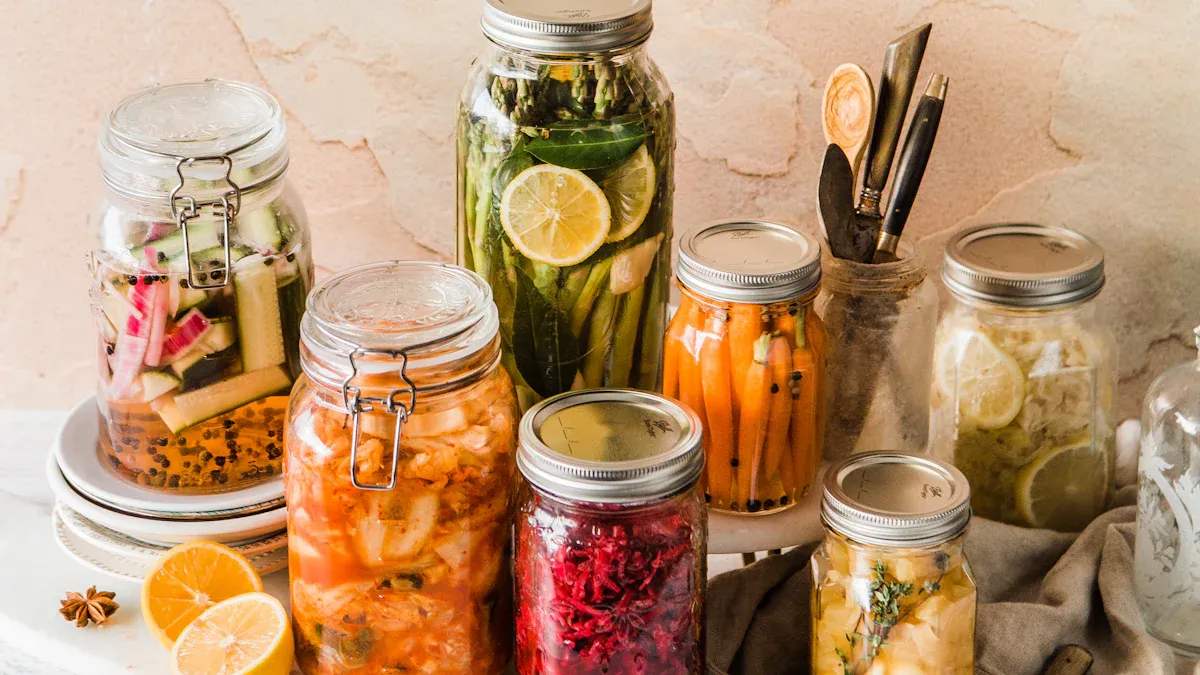
Natural preservatives are in many foods you eat. They come from plants or animals. People have used them for a long time. Salt, sugar, vinegar, and lemon juice are some examples. Citrus fruits like lemons and oranges have acids that stop bacteria. Honey and maple syrup keep food fresh by lowering water. Herbs and spices like rosemary, thyme, cloves, and cinnamon have oils that fight germs. Garlic helps stop bacteria, fungi, and yeast. Natural oils like olive oil and coconut oil stop food from going bad.
Tip: You can use natural preservatives at home to keep fruits, vegetables, and meats fresh for longer.
Here is a table that shows the main types of preservatives used in food:
Category | Examples |
|---|---|
Natural Preservatives | |
Artificial Preservatives | Sodium benzoate, Potassium sorbate, Calcium propionate, Sulphites |
Artificial Preservatives Defined
Artificial preservatives are made in labs. Scientists make these chemicals to keep food from spoiling. You find them in many packaged foods. Synthetic preservatives stop mold, yeast, and bacteria from growing. Potassium sorbate keeps mold away in baked goods and cheese. BHA and BHT keep fats and oils from going bad. Benzoates are in salad dressings and fruit juices. Nitrites and nitrates protect cured meats. Propionates stop mold in bread. Sulfites help keep dried fruits and wines fresh.
Artificial preservatives use chemical methods to make food last longer. For example, potassium sorbate mixes with water and makes sorbic acid, which stops spoilage. BHA and BHT help fats and oils stay fresh.
Note: Artificial preservatives help food last longer, but you should read labels to know what you are eating.
Preservatives Examples
Natural Preservatives List
Natural preservatives are in foods you eat every day. They come from plants, minerals, or animals. People have used them for a long time to keep food safe. Here are some common examples:
Salt: Salt dries meats or pickles vegetables. It pulls water out of food. This stops bacteria from growing.
Sugar: Sugar is in jams and jellies. It keeps fruit from spoiling. Germs cannot survive easily in sugar.
Vinegar: Vinegar pickles cucumbers and other vegetables. The acid kills bacteria.
Lemon Juice: Lemon juice adds flavor and keeps fruits from browning. The acid helps stop spoilage.
Rosemary Extract: Rosemary extract goes in oils or meats. It has oils that slow spoilage.
Honey: Honey stays fresh because it has little water and acids.
Tip: You can use natural preservatives at home. They help keep food fresh without chemicals.
Artificial Preservatives List
Artificial preservatives are made in labs. Scientists make these chemicals to help food last longer. They are in many packaged foods. Here are some common examples:
Sodium Benzoate: Sodium benzoate is in sodas, salad dressings, and juices. It stops bacteria and mold.
Potassium Sorbate: Potassium sorbate is in cheese, baked goods, and dried fruit. It keeps mold and yeast away.
BHA (Butylated Hydroxyanisole): BHA is in snacks, chips, and cereals. It keeps fats and oils fresh.
BHT (Butylated Hydroxytoluene): BHT is in gum and packaged foods. It helps keep food fresh longer.
Calcium Propionate: Calcium propionate is in bread and baked goods. It stops mold from growing.
Sulfites: Sulfites are in dried fruits and wine. They keep food looking fresh and stop spoilage.
Here is a table that shows how natural and artificial preservatives are different. It also shows their benefits and drawbacks:
Type | Source | Benefits | Drawbacks |
|---|---|---|---|
Natural Preservatives | Plants, minerals, or animals | Safe, less likely to cause allergies, better for the environment | May not last as long as artificial preservatives |
Artificial Preservatives | Made in laboratories | Very effective, keeps food fresh longer | Some may have side effects or be in unhealthy foods |
You can pick which preservative works best for you. It depends on what you need and want in your food.
Effectiveness Comparison
Shelf Life Differences
You want your food to stay fresh for a long time. The kind of preservative you use matters a lot. It changes how long your food lasts. Natural preservatives, like chitosan, can stop bacteria. These bacteria include E. coli and Staphylococcus aureus. Chitosan is in foods like pickles, noodles, and strawberries. But many artificial preservatives work even better. They keep food safe for longer. For example, sulfur dioxide fights yeast and mold in canned foods. It can smell strong. Sorbates and benzoic acid stop mold and yeast. You find them in drinks, baked goods, and fruit products. Parabens and propionic acid also help keep food fresh. They destroy harmful microbes.
Here is a table that shows how different preservatives work and where you find them:
Preservative Type | Effectiveness | Applications |
|---|---|---|
Chitosan (Natural) | Stops bacteria like E. coli and Staphylococcus | Pickled foods, noodles, strawberries |
Sulfur Dioxide | Fights yeast and mold, but has a strong odor | Canned foods |
Sorbates | Disrupts enzymes in microbes | Beverages, juices, bakery items |
Benzoic Acid | Targets yeast and mold | High-acid foods, fruit drinks |
Parabens | Destroys cell structures of microbes | Soft drinks, fish, salad dressings |
Propionic Acid | Stops molds, yeasts, and some bacteria | Many food products |
Consistency and Performance
Natural preservatives do not always work the same way. Their power can change with the type of food. It also depends on storage and temperature. Artificial preservatives usually give steady results. They help food last longer. They keep it safe in many products.
More people want natural preservatives now. They want clean-label foods.
Plant-based and fermentation-derived options are growing fast.
Antimicrobials will likely lead the market, especially in meat and dairy.
These natural options are expected to grow by 8.4% each year from 2026 to 2033.
Note: You should check labels and think about what matters most to you—long shelf life or natural ingredients. Preservatives play a key role in food safety and quality.
Safety and Health Impact
Health Risks of Artificial Preservatives
You find artificial preservatives in many packaged foods. These chemicals make food last longer. But they can also cause health problems for some people. Some people get allergies or asthma from them. Eating these preservatives often can be risky.
Here is a table that lists some artificial preservatives and their health risks:
Preservative | Health Risks |
|---|---|
Sodium Sulphite | Can cause allergic reactions; severe impacts on liver and kidney cells in animal studies. |
Sodium Nitrite | Linked to colorectal cancer; forms carcinogenic compounds during meat preservation. |
Government groups like the FDA check these chemicals. They make rules to keep you safe:
The FDA warned about sulfites. These were banned from fresh fruits and vegetables because some people got sick.
Since 2007, the FDA says foods with more than 10 ppm of sulfites must have a label.
The FDA makes food companies prove preservatives are safe before using them. Companies must show these chemicals do not build up and hurt you over time.
Studies show artificial preservatives can cause allergies, asthma, and even cancer. You should read food labels and try not to eat too many processed foods.
Tip: If you have allergies or asthma, ask your doctor which foods you should avoid.
Health Benefits of Natural Preservatives
Natural preservatives come from plants, minerals, or animals. You find them in foods like salt, vinegar, and herbs. These preservatives do more than keep food fresh. They can help your health in many ways.
Studies show natural preservatives like bacteriocins, enzymes, and essential oils fight germs. They do not limit what you can eat.
Research finds that natural compounds stop bad germs in different ways. This helps keep your food safe.
A 2024 review says natural antimicrobial compounds from many sources can protect food. They may give new ways to keep food safe.
Natural preservatives from the sea also help. They stop germs, act as antioxidants, and keep food tasting good. They can change how food feels and make it healthier. These benefits make natural preservatives a good choice for you and your family.
Studies find that natural preservatives are safer for your health. They have antioxidant and antimicrobial effects. They protect you from germs and may lower your risk of allergies or other health problems.
Note: Picking foods with natural preservatives can help you eat healthier and avoid some risks from artificial chemicals.
Environmental Impact
Natural Preservatives Sustainability
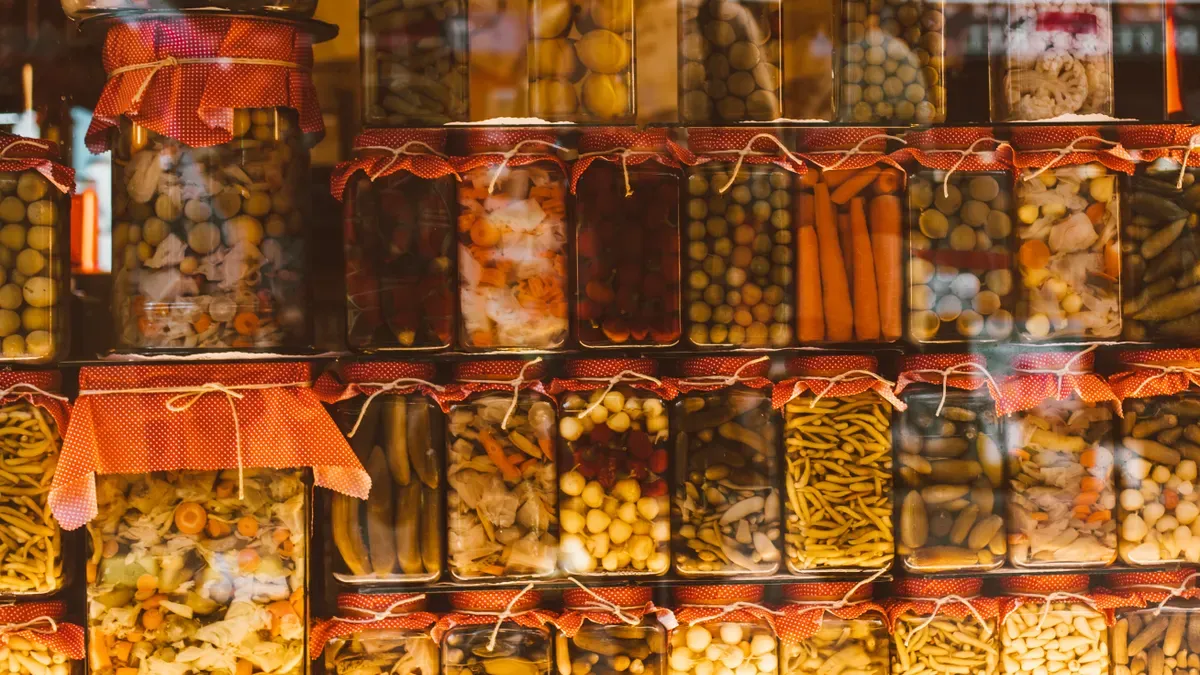
When you pick natural preservatives, you help the planet. These come from plants or animals and need less energy to make. More people want food with simple ingredients. So, companies try to use more natural choices. You can see this in the use of plant and animal ingredients. Old ways like fermentation do more than keep food safe. They also make food taste better and add nutrients.
Natural preservatives are good for the environment for many reasons:
They use things that grow back, like herbs, fruits, and seaweed.
Fermentation and other old ways use less energy and fewer chemicals.
Animal-based compounds fight germs well, but there can be rules or concerns about using them.
These choices break down fast in nature, so they do not harm soil or water.
When you choose foods with natural preservatives, you support a greener food system.
Artificial Preservatives Sustainability
Artificial preservatives can be bad for the environment in different ways. Factories use chemicals and lots of energy to make them. When you throw away food with these additives, the chemicals can get into the ground and water. This can hurt plants, animals, and people too.
Here are some main problems for the environment:
Chemical preservatives can change the soil and make it hard for good microbes to live.
These chemicals can get into rivers and lakes, which can hurt fish and make water unsafe.
Animals and bugs can get sick when they touch these chemicals.
Factories that make artificial preservatives send out gases that warm the planet.
These chemicals can mess up nature and lower the number of plants and animals.
You can help nature by learning about preservatives in your food and making smart choices.
Benefits and Drawbacks
Natural Preservatives Pros and Cons
You might pick natural preservatives because they come from plants, animals, or minerals. These choices often seem safer and more familiar. Honey is a natural preservative. It has lots of sugar and little water. Germs cannot grow easily in honey. When honey mixes with water, it makes hydrogen peroxide. This fights bacteria. Honey also has a low pH. It stops bad germs like E. coli and salmonella.
Natural preservatives can add flavor to food. They sometimes add nutrients too. Lemon juice, vinegar, and spices make food taste better. You may like that these choices help the planet and use fewer chemicals.
But natural preservatives do not keep food fresh as long as artificial ones. Some people have allergies or sensitivities to certain natural ingredients. Spices or plant extracts can cause problems.
Note: Always check labels for allergens, even with natural preservatives.
Many people like natural preservatives for these reasons:
You know where the ingredients come from.
They fit eco-friendly and healthy lifestyles.
Some people worry about allergies or strong smells.
Artificial Preservatives Pros and Cons
Artificial preservatives help food last much longer. You find them in snacks, drinks, and baked goods. These chemicals stop mold, yeast, and bacteria. They help food look and taste fresh for weeks or months.
Artificial preservatives do not add nutrition to food. They only help food last longer and look good. Some people worry about side effects. Allergies or health risks can happen if you eat a lot of processed foods.
Artificial preservatives can change the flavor of food. You may feel unsure about what you are eating. The names can sound strange.
Tip: If you want to avoid chemicals, read ingredient lists carefully.
Type | Pros | Cons |
|---|---|---|
Natural Preservatives | Add flavor, eco-friendly, familiar | Shorter shelf life, possible allergens |
Artificial Preservatives | Long shelf life, keeps food safe | No nutrition, possible side effects |
You can choose which type works best for you. Think about flavor, nutrition, shelf life, and your health when picking preservatives.
Comparison Table
Key Differences
You might want to know how these two preservatives are different. The table below shows the main ways they are not the same. Each row helps you see what makes each type special.
Category | Natural Preservatives | Artificial Preservatives |
|---|---|---|
Source | Plants, animals, or minerals | Made by chemical synthesis |
Processing | Minimal processing | Extensive chemical processing |
Consumer Perception | Seen as safer and more natural | Often viewed with skepticism |
Cost | Usually more expensive | Typically more affordable |
Shelf Stability | Can be less stable | More stable over time |
Tip: This table can help you pick which type is right for you.
Here is what these differences mean for you:
Source: Natural preservatives come from nature, like salt or herbs. Artificial ones are made in labs with chemicals.
Processing: Natural types do not need much processing. Artificial preservatives go through many steps and use chemicals.
Consumer Perception: Many people think natural preservatives are safer. Some people worry about artificial ones.
Cost: Foods with natural preservatives can cost more. Artificial preservatives help keep food prices lower.
Shelf Stability: Artificial preservatives make food last longer. Natural preservatives may not keep food fresh as long.
Remember: What you choose depends on what is important to you—natural ingredients, price, or how long food stays fresh.
You can use this information to make good choices when you shop. Check labels and think about what you want in your food. 🍎
Choosing Preservatives
Factors for Consumers
When you buy food with preservatives, you make choices. These choices can change your health and how much you spend. You want your food to stay safe and fresh. You also care about taste, nutrition, and the planet. There are many things to think about when picking natural or artificial preservatives.
Here is a table that shows important things to think about:
Factor | Natural Preservatives | Artificial Preservatives |
|---|---|---|
Microbial Risks | Work well in moist foods; effectiveness varies | Strong at stopping germs |
Cost Implications | Higher amounts can raise food prices | Usually cost less |
Regulatory Compliance | Must follow local and global rules | Often have clear rules in many places |
Preservatives help keep your food safe. They slow down spoilage and stop germs. This helps you avoid getting sick from food. You also want food that tastes good and feels right. Preservatives help keep the flavor and texture you like.
If you pick natural preservatives, you may eat fewer chemicals. You also keep more nutrients in your food. Some natural compounds can help your gut stay healthy. These things are important if you want to eat clean and healthy.
Here are some things to think about when you pick foods with preservatives:
Safety: You want food that will not make you sick.
Nutritional Value: You want food with vitamins and minerals.
Taste and Texture: You like food that tastes fresh and feels good.
You can share your thoughts about what goes into your food. The food industry must listen to what you want. They need to make sure their products are safe and meet your needs.
Tip: Always read labels. Look for the type of preservative used. Think about what matters most to you—safety, nutrition, taste, or cost. 🍏
Natural preservatives come from plants, animals, or minerals. Artificial preservatives are made with chemicals in labs. Both types must be safe for people to eat. Salt and vinegar are natural preservatives. They help keep food fresh and make it taste good. Sodium benzoate is an artificial preservative. It keeps food fresh longer. Scientists still study how artificial preservatives affect health.
Pick foods that match what you care about. Many brands use safer, natural preservatives because people want them.
FAQ
What are the most common natural preservatives you can use at home?
You can use salt, sugar, vinegar, lemon juice, and honey. These help keep food safe and fresh. People use them in pickles, jams, and marinades.
Are artificial preservatives always bad for your health?
No, they are not always bad. Most are safe if you eat only a little. Some people have allergies or feel sick from them. You should check labels and ask your doctor if you worry.
Do natural preservatives change the taste of food?
Yes, they can change how food tastes. Vinegar, lemon juice, and spices add flavor. They can make food taste tangy or sweet. Many people like these new flavors.
How can you tell if a food has artificial preservatives?
Read the ingredient list on the package. Look for names like sodium benzoate, BHA, BHT, or potassium sorbate. These are artificial preservatives.
Tip: If you want to avoid artificial preservatives, pick fresh foods or foods with little processing.