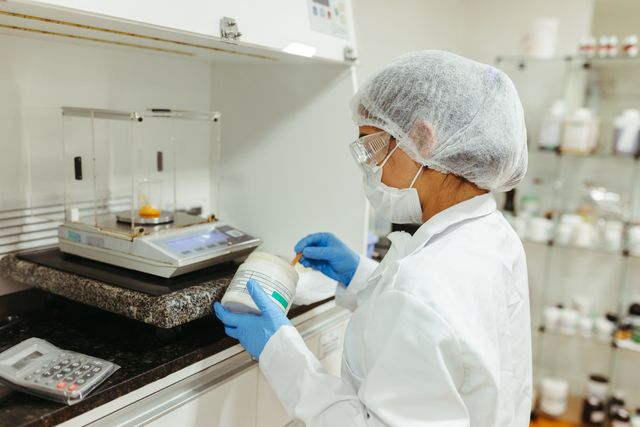
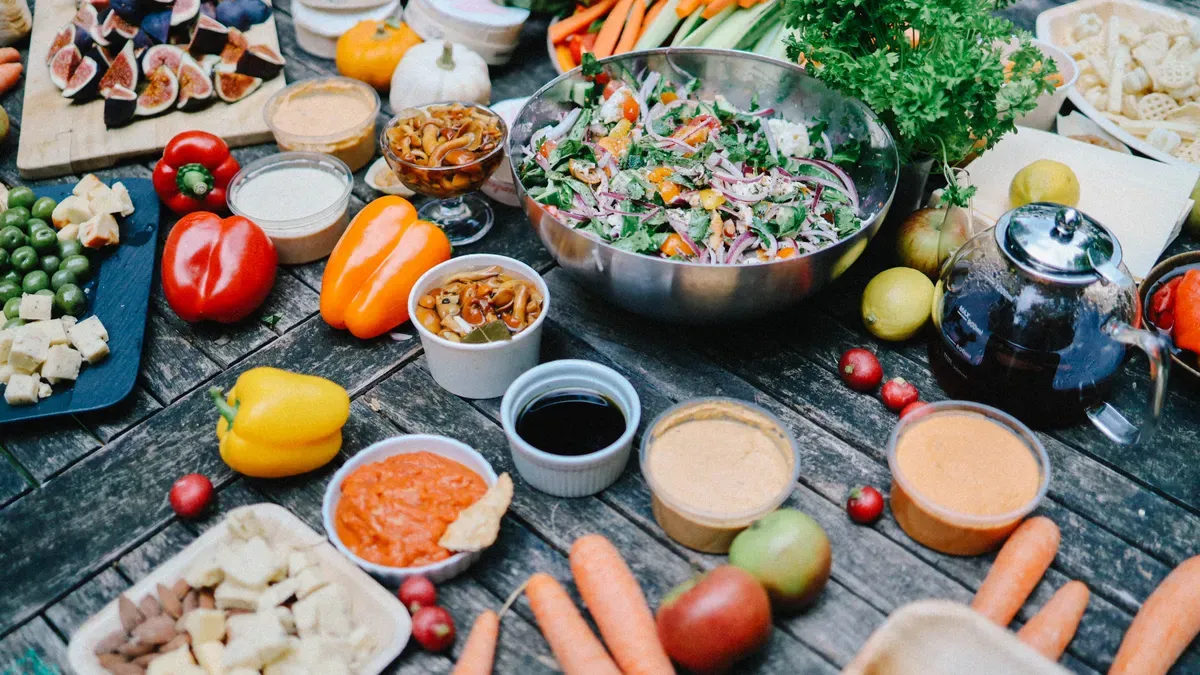
Clean Label Ingredients are natural food items. They undergo very little processing. They do not contain synthetic additives. They lack fake colors. They contain no chemical preservatives.
The FDA lacks legal definitions for them. The USDA also has no rules. Modern shoppers create these clean label standards. They want simple product names. They prefer non-GMO verification. They like short ingredient lists.
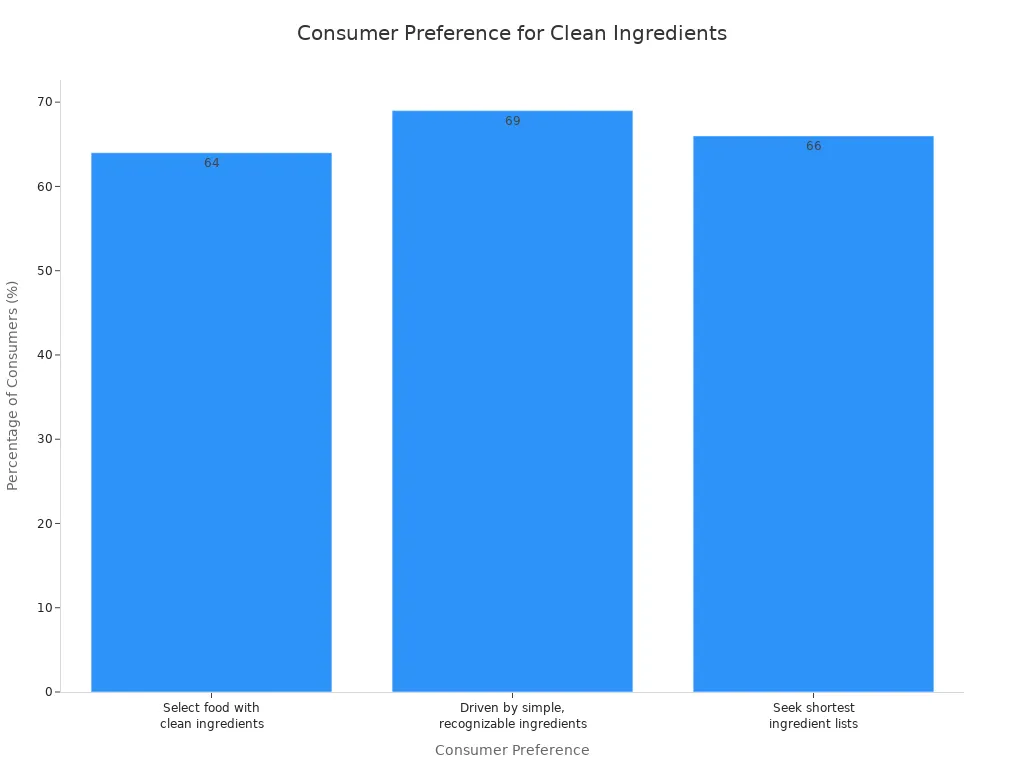
Research shows 64% of shoppers pick clean foods. You can swap fake items easily. Use proven technical strategies for this. Food still keeps its shelf-life. Textures stay good. Process tolerance remains high. Cost efficiency stays strong too.
Key Takeaways
Clean label ingredients come from simple natural sources. They replace fake chemicals and man-made additives.
64 percent of buyers like simple food labels. Clear ingredient lists build trust and make loyal shoppers.
Food makers trade synthetic chemicals for plant extracts. Natural starches and plant lectins keep food fresh.
Smart recipe choices keep food good for long. Natural preservatives keep food safe and tasty. They help make money.
Defining Clean Label Ingredients in Food Manufacturing
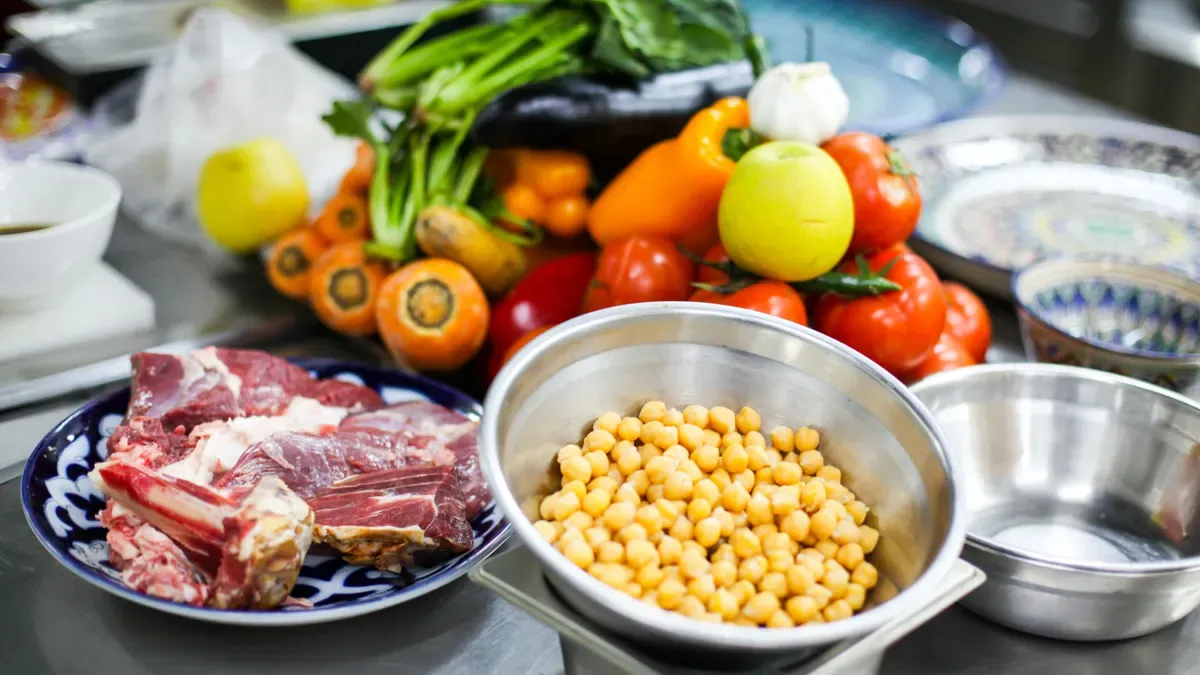
Today’s buyers want simple food. Swap out complex fake items. Use real, easy items instead. This builds strong customer trust.
Core Principles of Clean Label Formulations
Clean Label Ingredients come from simple sources. Processing stays very low. These items swap out fake components. They still taste and work well.
Swap fake items with good natural choices.
Keep food processing steps very low.
Control making steps to keep food safe.
Characteristic | Definition & Goal | Formulation Examples |
|---|---|---|
Minimal Processing | Foods keep natural shapes and good nutrients. | Stone-ground flours, cold-pressed oils |
No Artificial Additives | Use real food options instead of chemicals. | Real cherry flavor, beet juice, turmeric |
Free from Synthetics | Say no to fake human-made chemicals. | Avoids synthetic emulsifiers and artificial sweeteners |
Regulatory Standards and Industry Benchmarks
Official rules for clean foods stay small. Agencies use simple ideas with hard rules.
Key Regulatory Thresholds:
FDA Natural Policy: Needs zero fake components or fake colors.
USDA Organic: Needs 95% real organic parts minimum.
Gluten-Free Standard: Keeps gluten count strictly under 20 ppm.
Consumer Perception vs. Functional Reality
Buyers like very short labels. Food makers keep items stable too.
Factory recipes need clean, safe ingredients.
Makers create real choices for good taste.
Balance clean labels with good food safety. Smart ingredient choices fix both big needs.
Clean Label Ingredient Substitutions for Synthetic Additives
Swapping fake chemicals needs biology knowledge. You can change artificial additives safely. Food keeps its structural integrity. It retains good taste profiles. Modern processing aids help you. You get identical functional results.
The table shows common functional replacements:
Functional Role | Synthetic Additive Replaced | Clean Label Replacement | Declarative Label Name |
|---|---|---|---|
Flow Agent & Anti-Caking | Silicon Dioxide ($SiO_2$) | Rice hull ash derivatives | Natural Anticaking Agent |
Tablet & Capsule Lubricant | Magnesium Stearate | Rice bran extract blend | Rice Extract Blend |
Granulation Binder | Hydroxypropylcellulose (HPC) | Specialized gum fiber blend | Gum Fiber Blend |
Oil Absorption Carrier | Silicon Dioxide ($SiO_2$) | Specialized fiber blend | Fiber Blend |
Moisture Management | Silicon Dioxide ($SiO_2$) | Fiber fruit blend | Fiber Fruit Blend |
Natural Preservatives and Antioxidants
Synthetic antioxidants shield fats from spoil. People dislike these chemical acronyms. Plant choices protect food against oxidation.
💡 Formulation Tip: Simple fermented items replace chemical preservatives. Organic acids work well too. Live culture extracts extend shelf life. They keep flavor profiles fresh.
Botanical Extracts: Rosemary extract offers natural polyphenols. Green tea extract has them too. These compounds fix free radicals. They protect lipid-rich foods.
Buffered Vinegar: Buffered vinegar stops spoilage microbes. It works in bakery goods. It helps ready-to-eat meats. It keeps product pH steady.
Fermentates: Cultured wheat stops mold growth. Cultured dextrose stops mold too. Fermentates protect baked items. They protect deli products.
Native Functional Starches and Thickener Alternatives
Changing starches brings technical challenges. Chemical modifications protect starches from heat. They resist strong acid. They handle mechanical shear well. You must study native starches. Try matching exact viscosity curves.
The list shows native starch behavior:
Starch Source | Viscosity & Texture Behavior | Processing Stability (Heat, Shear, Acid) |
|---|---|---|
Native Potato | Granules swell up big. They make thick, smooth textures. | Extended heating reduces viscosity. Acid drops it too. Mechanical agitation hurts it. |
Native Tapioca | Provides a clear appearance. Releases clean flavor well. | Thermal processing breaks it down. Pumping causes thinning out. Acidic conditions ruin it. |
Native Rice | Small granules yield fine textures. Mouthfeel stays very smooth. | Shows limited processing tolerance. Mechanical stress brings lumping. |
Chemically Modified | Delivers controlled, predictable viscosity. Keeps long-term stability high. | Resists intense heat breakdown. Handles high shear easily. Tolerates low pH levels. |
Mix native bases together. This fixes native starch limits. Combine native tapioca starch with fiber. Native rice starch works too. You get dual-action stabilization. Citrus fiber builds cold-viscosity fast. Rice starch locks smooth textures.
Plant-Based Emulsifiers and Hydrocolloids
Synthetic emulsifiers keep food stable. DATEM works very well. Mono- and diglycerides help too. Sodium stearoyl lactylate (SSL) works. You can use plant choices. Plant-derived amphiphilic alternatives work great.
Sunflower and Soy Lecithin: Natural phospholipid complexes blend unmixable phases. They build strong dough matrices. Gas retention gets much better. Bakeries get uniform crumb structures.
Chickpea Broth (Aquafaba): Chickpea broth helps make dressings. It improves vegan formulations. It works as an emulsifier.
Pectin and Citrus Fiber: These texturizers trap free water. They prevent syneresis easily. They build body quickly.
Characteristic / Function | Synthetic Emulsifiers (Mono- & Diglycerides, DATEM) | Plant-Based Lecithin (Soy, Sunflower) |
|---|---|---|
Mechanism of Action | Chemical surfactant action | Natural amphiphilic balance |
Application Role | Prevents phase separation | Blends non-mixing ingredients. Stabilizes emulsions well. |
Reformulation Advantage | Synthetic industry standard | Natural, non-GMO ingredient option. Free from allergen risks. |
Try enzyme-assisted hydrolysis for processing. Change native lecithin into lyso-lecithin. Use enzyme-modified variants instead. This increases Hydrophilic-Lipophilic Balance (HLB) value. Water dispersibility improves a lot. Natural lecithin matches synthetic performance. It helps dairy and baking.
Natural Colors and Flavor Solutions
Synthetic FD&C dyes stay stable. They handle light and heat. They survive pH shifts. Plant pigments need extra care. Factors change their molecular structure.
[Thermal & Light Stress] ──> Natural Pigment (e.g., Anthocyanin) ──> Color Loss / Hue Shift
[Optimized pH & Shading] ──> Protected Pigment Matrix ──> Stable Visual Appearance
Color Pigments: Paprika replaces yellow fake dyes. Turmeric swaps out orange dyes. Beet extract fixes red dyes. Fruit extracts give rich color. They add no bad flavors.
Flavor Profiles: Pure botanical extracts work well. Natural vanilla bean extracts help. They easily replace artificial vanillin. Smoke condensates build savory color. Natural browning adds deep flavors.
Natural Sweeteners: Stevia replaces artificial sweeteners. Monk fruit extract works well. Allulose and erythritol help too. They swap sucralose and aspartame.
Natural colors need strict care. Anthocyanin blue pigments shift color fast. Changes happen when pH shifts. They turn gray in neutral. Carotenoid yellow colors resist pH. Annatto handles pH shifts well. Light causes oxidation harm though. Light-blocking packaging protects these pigments. Cold-chain distribution helps as well.
Learn Clean Label Ingredients behavior. This helps your team immensely. You remove synthetic chemicals successfully. Select functional plant components carefully. Your plant makes clean products. You satisfy modern retail requirements.
Key Market and Business Drivers for Reformulation
Clean label changes guard market share. They also increase your overall profits. Buyers read labels carefully today.
Consumer Demand for Label Transparency
Modern buyers like full honesty. Simple labels build quick trust. They drive repeat sales fast.
“As shoppers told us, they reward brands that provide information with their trust and loyalty, even suggesting that the more transparent a brand, the more likely they could be persuaded to switch.” — Steve Markenson, VP of Research and Insights, FMI
Using Clean Label Ingredients brings great business value.
Consumer Trust: Clear labels build strong buyer faith.
Competitive Edge: Pure recipes stand out on shelves.
Strategic Alignment: Natural items match health trends well.
Business Driver | Operational Benefit | Statistical Support |
|---|---|---|
Premium Positioning | Non-GMO claims allow higher retail prices. | 56% of consumers pay more for simple ingredients |
Customer Retention | Good texture guards your market share. | 88% of shoppers switch brands over bad texture |
Retailer “No Lists” and Compliance
Big stores ban synthetic chemicals. Whole Foods bans 78 total ingredients. Remove these items for shelf placement:
Sweeteners: High fructose corn syrup, aspartame, sucralose, and acesulfame potassium
Preservatives: Sodium benzoate, potassium sorbate, and calcium disodium EDTA
Dough Conditioners: DATEM, sodium stearoyl lactylate, and azodicarbonamide
Global Regulatory and Clean-Label Trends
Global rules restrict fake additives heavily.
Region | Regulatory Initiative | Impact on Product Development |
|---|---|---|
United States | California AB 418 | Bans Red Dye 3 and BVO by 2027 nationwide |
Canada | CFIA Rules | Mandates front-of-pack warning labels by 2026 |
Europe | EU Farm to Fork Strategy | Restricts synthetic food additives across member states |
Update recipes now for full compliance.
Overcoming Technical Formulation Challenges
Swapping synthetic options brings engineering challenges. Your R&D team needs solutions. Maintain safety and structure safely. Protect company profits too. Avoid using fake chemical stabilizers. Clean Label Ingredients demand exact controls. Maintain strict processing steps always.
Preserving Shelf Life and Oxidative Stability
Natural options bring distinct microbial challenges. Raw plants carry high initial loads. Synthetic items carry far less. Natural preservatives have narrower protection ranges. They battle fewer spoilage organisms.
[Higher Initial Microbial Load] + [Narrower Natural Antimicrobial Range]
                                ↓
    [Requires Strict Control of Water Activity (aw), pH, & Packaging]
Unrefined systems show higher instability. Small shifts trigger early spoilage. pH changes cause bad texture. Store lights damage sensitive items. Cold-chain storage shifts harm them.
Combine natural tools for protection:
Botanical Extracts: Plant extracts contain natural acids. They stop yeast growth effectively. They prevent mold in baked foods. Meats and drinks stay safe.
Antimicrobial Agents: Targeted options stop bacterial pathogens. They protect sensitive daily items. Dairy and meats stay fresh. Plant-based foods remain safe too.
Fermentation Tools: Lactic acid bacteria manage acidity. They reduce available free water. Pathogen growth stops naturally.
The table shows main preservation mechanisms:
Preservation Mechanism | Functional Action | Target Spoilage Factor |
|---|---|---|
Natural Antioxidants (e.g., Rosemary, Vitamin E) | Inhibits lipid oxidation | Prevents rancidity and flavor loss in fats and oils |
Natural Antimicrobials (e.g., Buffered vinegar) | Restricts growth of yeast, mold, and bacteria | Prevents early microbial contamination |
Fermentation & pH Control | Regulates system acidity and water activity | Creates a hostile environment for pathogens |
Fatty foods face rapid oxidation. Prevent rancidity using smart techniques:
Method Category | Specific Action / Technique | Mechanism against Oxidative Rancidity |
|---|---|---|
Natural Antioxidants | Apply plant extracts (e.g., CytoGUARD® OX) | Slows lipid oxidation to protect flavor and color |
Formulation Strategies | Combine antioxidants with plant emulsifiers | Optimizes fat-phase protection in heavy emulsions |
Multimodal Systems | Merge acidifiers with botanical antioxidants | Builds a dual-action barrier tailored to product pH |
Advanced Packaging | Use MAP, high-barrier films, and oxygen scavengers | Minimizes oxygen exposure to delay lipid degradation |
Dropping chemical preservatives reduces overall margins. Your team faces operational risks. The table details key hurdles:
Technical Processing Hurdle | Impact on Production & Quality |
|---|---|
Reduced Processing Tolerance | Decreases margin for error. Demands strict manufacturing controls without dropping line speed. |
Tight Parameter Control | Requires continuous monitoring of processing time, temperature, pH, and total titratable acid (TTA). |
Alternative Ingredient Sensitivity | Enzymes and bio-preservatives react dynamically to minor process changes and batch variations. |
Quality & Shelf-Life Alterations | Dropping synthetic shields can cause sudden mold growth and physical texture loss. |
Optimizing Texture, Viscosity, and Mouthfeel
Removing modified starches alters mouthfeel. Simple starches release excess water. Water leaks out over time. Syneresis ruins yogurts and sauces. Frozen meals lose quality fast. Ice growth ruins creamy textures.
Combine native items to restore structure:
💡 Formulation Tip: Combine citrus fiber with native tapioca starch. Citrus fiber binds free water instantly through cold-swelling action. Tapioca starch provides a smooth, creamy texture during cooking.
Pectin Blends: Low-methoxyl pectin forms firm gels. Fruit fillings stay stable.
Acacia Gum: Acacia gum improves emulsification. Liquid drinks get better mouthfeel.
Citrus Fiber: Citrus fiber holds water tight. It stops syneresis in freezers.
Managing Heat and Shear Process Tolerance
Basic starches handle gentle processing only. Extreme factory heat breaks granules. High mechanical shear destroys them. Homogenizers and retorts break starches. Textures turn thin and watery.
Functional native starches solve processing limits. Specialty options withstand harsh operations. Products like NOVATION® perform well. SimPure™ starches handle heat. Emsland lines tolerate strong shear. Acidic conditions stay fully stable. Native starches match modified options.
[Standard Native Starch] ──> High Heat / Shear ──> Granule Rupture ──> Viscosity Loss
[Functional Native Starch] ──> High Heat / Shear ──> Intact Structure ──> Stable Viscosity
Enzymes modify starch structures naturally. Precise enzyme care changes branches. No chemical reagents are needed. You get high heat tolerance. Flavors release very cleanly. Labels stay clear and honest.
Cost Mitigation and Formula Optimization
Natural ingredients cost more money. Synthetic options remain cheaper. Strategic choices protect production margins. You maintain high clean-label quality.
Follow these strategies to control costs:
Optimize Usage Rates: Run precise DOE trials. Find minimum dosage rates easily. Optimize plant extracts and hydrocolloids.
Use Multi-Functional Components: Select dual-purpose components. Cultured dextrose stops spoilage. It improves savory flavors simultaneously.
Diversify Sourcing: Partner with regional suppliers. Dual-sourcing reduces supply risks. Raw material costs drop.
Upgrade In-Line Monitoring: Use automated monitoring sensors. Track temperature, pH, and flow. Tight controls prevent batch waste.
Sourcing and Evaluating Clean Label Ingredients
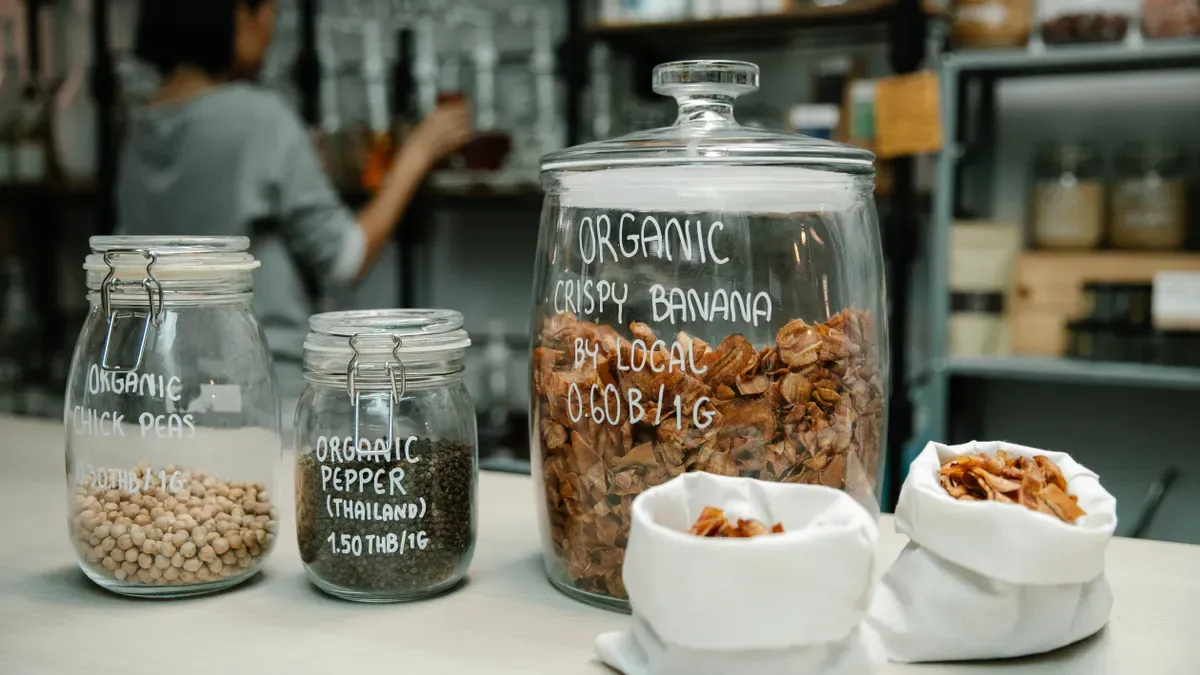
Find raw materials carefully. This step builds trust. Test items well. This guarantees material safety. Function stays very successful too.
Supply Chain Traceability and Certificates of Analysis
Certificates of Analysis (COAs) test safety. Test before making goods. Quality teams check COAs. They remove bad batches fast. Follow these simple steps. Keep supply chains safe:
Documentation Maintenance: Keep test results and COAs. Link files to lot codes.
Supply Chain Custody: Track batches through every step.
First-Mile Verification: Get farm supply paper records.
Bidirectional Traceability: Track materials backward and forward.
Digital Logging: Use tools for safe logs.
Best Practice Category | Action Required | Operational Details |
|---|---|---|
Data Verification | Find COA test sources | Match test methods with suppliers. |
COA Reliability | Run safety test checks | Test 3 to 5 shipments. |
Lot Management | Ask for unique IDs | Give every shipment unique codes. |
Material Control | Set hold rules up | Hold items until teams approve. |
Third-Party Certifications and Non-GMO Verification
Certifications prove claims to buyers. The Non-GMO Project Verification needs strict compliance.
Key Requirement | Description |
|---|---|
Absolute GMO Exclusion | Foods cannot use modified components. |
Traceability & Sourcing | Papers track items to farms. |
High-Risk Screening & Testing | Test high-risk corn and soy. |
Cross-Contamination Controls | Clean gear to stop mixing. |
Recordkeeping & Auditing | Keep logs for quick audits. |
Compliant Labeling | Print clear seals on packs. |
Follow six simple audit steps:
Initial Assessment: Auditors check recipes and cleanouts.
Facility Audit: Teams inspect plants and records.
Compliance Pathways: Prove origin with clear test plans.
Audit Report & Review: Experts read the final report.
Corrective Actions: Fix minor errors very fast.
Certification & Renewal: Renew your certificates every year.
Application Testing and Pilot Protocols
Pilot runs test real performance. Test on small setups first. Run factory plant stress tests.
💡 Action Step: Test viscosity, color, and pH. Test items in real temperatures. Guarantee long shelf-life.
Good testing stops bad factory errors.
Using Clean Label Ingredients helps your food business stay strong. You can win in modern retail stores easily. Modern natural options replace fake chemical additives fast. You keep long shelf stability. Textures stay good too. Profits remain high as well. Smart functional choices fix tough technical problems. Pilot testing solves factory hurdles fast.
💡 Next Steps for Your Business:
Check current recipes to find synthetic items.
Ask trusted suppliers for data sheets and samples.
Start small benchtop trials to test clean formulas.
FAQ
How do you pick natural starches for high heat?
Match your heat steps with starch strength. Pick special native tapioca starches. Native rice starches work well too. They handle high heat during processing. They also survive mechanical shear. Your product viscosity stays very stable. You need no chemical changes.
Do natural options match fake preservative shelf life?
Yes, natural items match fake options. Mix plant extracts with buffered vinegar. Add natural fermentates to the recipe. This mix stops microbe growth fast. It also stops bad fat spoilage. You protect foods without fake additives.
How do clean ingredients change your total costs?
Natural items cost more raw money. You offset expenses using smart ways. Optimize exact usage rates carefully. Use ingredients with multiple jobs. Make your factory steps very efficient. Pure items sell for higher prices. Your total profits stay strong.
How do you swap fake bakery emulsifiers fast?
Replace fake emulsifiers like DATEM quickly. Use sunflower or soy lecithin instead. Enzyme-changed lyso-lecithin mixes with water easily. Dough stability gets much better. You get the same bread volume. Your ingredient list stays simple.