Clean label means shoppers want clear food labels. They want simple ingredients and less food processing.
World markets expect fast growth for clean foods. Makers gain trust with clean label ingredients. They can also charge higher prices. Bosses often worry about how well these materials work. They worry about the costs and technical limits too. Today, new natural options match fake additives. They taste great and last long. They also meet high business goals.
Key Takeaways
Shoppers like food with simple, real ingredients.
Governments make tough rules about fake food additives.
Plant extracts and enzymes replace fake chemical preservatives.
High-pressure processing keeps natural food fresh without heat.
Market Drivers Shaping Clean Label Demand
Consumer Preference for Clean Label Ingredients
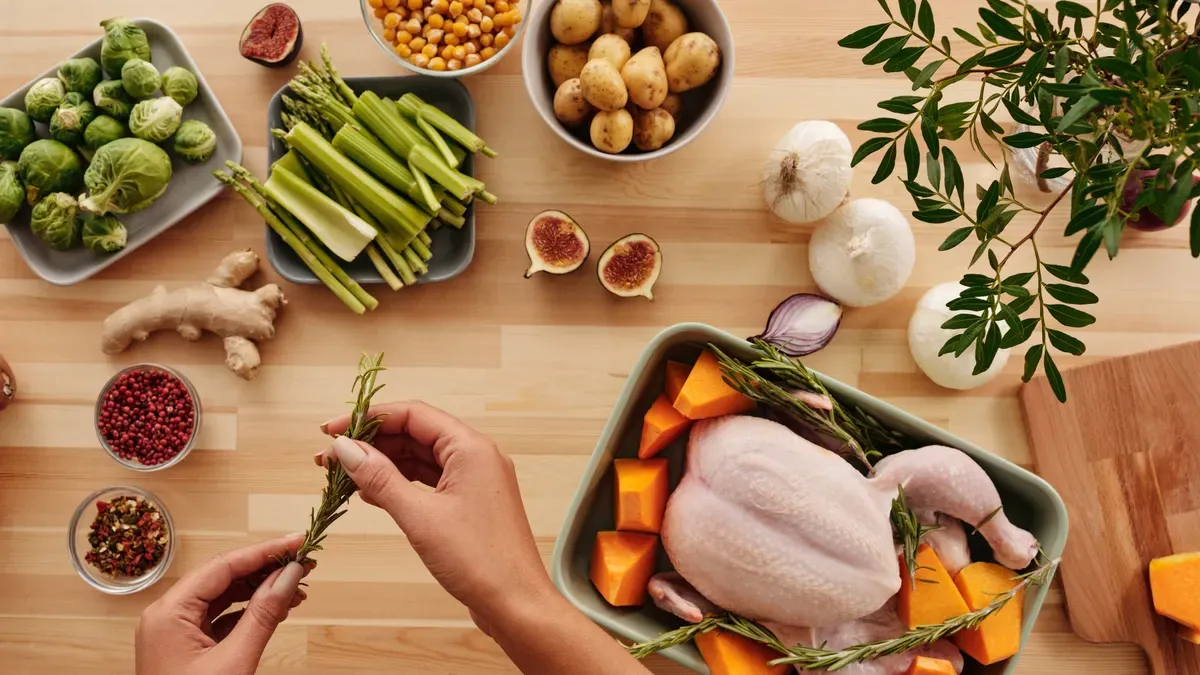
Shoppers want clear food labels today. Many buyers value simple and natural ingredients. Clear labels build strong customer trust. Younger shoppers willingly pay higher prices. They prefer items made with clean ingredients.
Health Awareness and the Backlash Against Ultra-Processed Foods
Shoppers avoid fake chemicals in food. Doctors worry about artificial food additives. Studies link them to gut health problems. People pick basic food items instead. This choice protects their family health.
Regulatory Shifts and Stricter Additive Restrictions
Governments enforce strict safety rules worldwide. Food makers update old product recipes. These changes match new regulations:
Targeted Levies: Taxes force fast recipe updates.
Labeling Mandates: Front rules promote healthier food choices.
Pre-emptive Action: Smart companies change recipes early.
Food Additive | Jurisdiction / Agency | Action Taken | Year / Timeline |
|---|---|---|---|
Red Dye No. 3 | U.S. FDA | Banned | January 2025 |
Brominated Vegetable Oil (BVO) | U.S. FDA | Banned | 2024 |
Synthetic Dyes | California (U.S.) | Banned in school foods | 2024 |
Expanding Scope to Sustainability and Non-GMO Claims
Modern buyers care about environmental health. People favor eco-friendly food production choices. Clean labels need non-GMO certification now. Top food brands cut carbon emissions. They fix issues in supply chains.
Functional Clean Label Ingredients across Applications
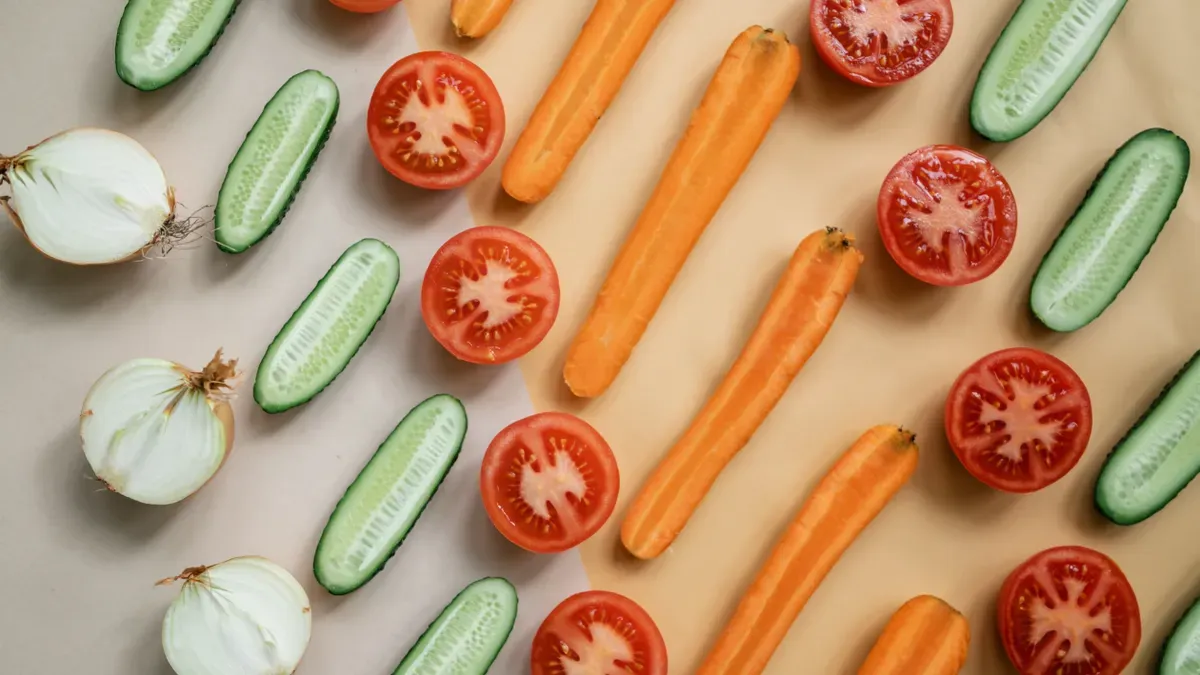
Food makers swap fake additives. They use functional clean label ingredients. These maintain good food quality. They keep food fresh longer.
Shelf-Life Extension via Natural Antioxidants and Antimicrobials
Natural plant extracts protect food. They stop fat spoilage fast. Makers use active plant solutions:
Vitamins C and E: They stop harmful free radicals.
Carotenoids and Phytochemicals: Citrus peels trap metal ions. Rosehip seeds stop spoilage chains.
Cultured dextrose replaces fake chemical preservatives. It replaces potassium sorbate and calcium propionate. This natural antimicrobial stops bad microbes. It keeps food safe long. Labels simply read “Cultured Dextrose.” They can also say “Natural Flavour.”
Texture Management Using Natural Hydrocolloids and Starches
Natural hydrocolloids replace chemical mix helpers. They replace synthetic texture tools. Formulators choose gellan and acacia. They also pick guar gum. These rebuild firm food structure. Natural starches keep liquids smooth. They stop liquids from separating.
Reformulation Trends in Bakery, Dairy, and Plant-Based Categories
Dairy makers use safe bio-preservatives. These protect fresh cultured items. They stop bad bacteria growth. Bakery makers use special enzyme systems. These replace fake dough conditioners. They replace DATEM, SSL, and azodicarbonamide.
Brand Product | Enzyme Technology | Application Benefit |
|---|---|---|
Thymly Replacer | Lipase enzymes | Replaces DATEM and SSL. Improves dough handling strength. |
Biobake Enhance | Enzyme system | Boosts fresh dough volume. Improves overall food stability. |
Saf-Pro Star-Zyme | Enzyme blend | Strengthens bread crumb structure. Lowers needed wheat gluten. |
Flavor and Color Solutions in Savory and Beverage Products
Savory creators replace fake flavor enhancers. They drop monosodium glutamate completely. They use simple yeast extracts. They use fermented mushroom concentrates. Yeast extracts give rich amino acids. They offer natural taste nucleotides. They provide good umami peptides. These parts build full taste depth. They create lasting rich flavor. Drink makers use plant extracts. These give bright natural colors. New clean label ingredients help brands. They remove ugly E-number additives. They keep great taste intact.
Overcoming Reformulation and Operational Challenges
Food makers face big challenges. Swapping clean label ingredients is hard work. Fake chemicals keep food stable. Removing them changes food texture. It alters product stability too. Total production costs go up.
Managing Shelf Life and Microbial Stability
Natural foods spoil very fast. They lack old chemical preservatives. Food processors use new methods. High-pressure processing stops quick spoilage. Water creates strong pressure inside. The pressure reaches 87,000 psi. This cold method kills bugs. It destroys bad Salmonella germs. It also kills E. coli. It uses zero high heat.
Feature | High-Pressure Processing (HPP) | Traditional Pasteurization |
|---|---|---|
Preservation Mechanism | High water pressure | Hot heat treatment |
Additives Needed | Few natural choices | Needs heat or additives |
Quality Retention | Keeps fresh taste, vitamins, color | Harms natural food quality |
Resolving Texture and Mouthfeel Trade-Offs
Removing fake mix helpers hurts food. Additive tools offer consistent thickness. They work across different temperatures. Natural starches degrade under stress. Plant gums break down easily. Engineers mix native potato starches. They add natural citrus fibers. This trick stabilizes thick sauces. It needs zero chemical changes.
Navigating Higher Raw Material Costs and Supply Chains
Special clean label ingredients cost more. Base formula prices jump fast. Bad weather damages farm crops. Crop failures cause sudden price spikes. Smart buying teams manage risk. They build targeted supply plans:
Vertical Integration: Farm partnerships supply clean materials.
Domestic Manufacturing: Local plants cut shipping costs.
AI Risk Monitoring: Smart tools report ingredient shortages.
Leveraging Precision Fermentation and Processing Innovations
Makers use new precision fermentation. It makes safe functional proteins. It avoids artificial food processing. Microbes make specific food molecules. They work in controlled tanks. The process uses four steps:
Genetic Modification: Scientists put target genes into microbes.
Bioreactor Fermentation: Microbes eat nitrogen to make RNA.
Ribosomal Translation: Microbe parts turn RNA into protein.
Downstream Isolation: Processors clean pure functional proteins.
Strategic Future Outlook for Food Manufacturers
Transitioning from Marketing Trend to Baseline Industry Standard
Food makers treat clean recipes as vital norms now. Global buyers demand plain facts about food parts. People reject fake chemicals on packages today. Top food brands update recipes for buyers. Companies set strict rules for making items. Pure methods protect long-term market share well.
Modern shoppers want natural recipes right now. Good brands win trust with simple ingredients.
Emerging Ingredient Technologies and Long-Term Competitiveness
New food ideas build strong business advantages:
Precision Fermentation: Microbes make clean clean label ingredients inside tanks.
Enzyme Technology: Enzyme systems replace fake dough additives easily.
Advanced Extraction: Cold methods protect natural plant qualities well.
Natural Preservation Packaging: Smart wrappers keep food fresh longer naturally.
Formulators pick raw parts for clear needs:
Innovation / Ingredient Type | Functional Advantage | Target Application |
|---|---|---|
NOVATION® Native Starches & Citrus Fiber (FIBERTEX™ CF) | Creates rich mouthfeel without artificial thickeners or stabilizer systems | Beverages |
Tapioca & Rice Flours, Upcycled Citrus Fiber | Mixes smooth liquids without artificial emulsifiers; boosts sustainable practices | Emulsified Systems |
Functional Native Starches & Waxy Rice Bases | Keeps soft textures and extends product freshness cleanly | Bakery Products |
Makers use clean label ingredients for safety. These natural solutions keep food quality high. Processors earn success with good new ideas.
Clean label updates form key business plans for food makers. Brands build great trust with basic ingredients. They win top market spots this way. 💡 Food leaders must take fast action now:
Prioritize Pipelines: Direct science teams toward top selling items first.
Adopt Innovations: Use precision fermentation and natural enzymes fast.
Build Partnerships: Work with raw material sources to speed new food design.
Early spending on clear food recipes brings long business success.
FAQ
What defines a clean label ingredient in food manufacturing?
Clean label options use simple parts. People easily recognize them. They need little processing. Makers skip fake chemicals. They avoid artificial colors. Bad preservatives stay out. Shoppers understand these names. Plain details shape this rule.
How do natural ingredients extend shelf life without artificial preservatives?
Natural plant extracts block spoilage. Vitamin C helps keep food fresh. Cultured dextrose stops bad germs. Useful bio-preservatives fight bacteria. High-Pressure Processing destroys dangerous bugs. Cold methods protect real food quality.
What natural alternatives replace synthetic emulsifiers and dough conditioners?
Formulators pick active enzymes. They use native starches. Plant gums rebuild strong textures. Acacia works very well. Lipase enzymes strengthen bread dough. Citrus fibers keep liquids smooth. Tapioca starches help mix foods easily.
Why do clean label ingredients cost more than chemical additives?
Natural items need careful farming. Special extraction methods raise costs. Bad weather hurts crop supply. Price spikes happen often. Precision fermentation needs new gear. Food makers pay more upfront.