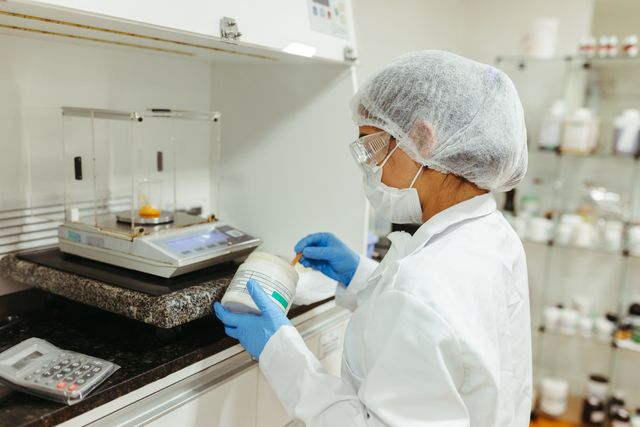
You use amino acids flavor enhancer ingredients to change taste. These building blocks tweak your taste receptors. These strong flavor enhancers boost taste depth in modern foods.
They help replace lost savory tastes in low-sodium foods.
They also hide bitter tastes in plant proteins. Food makers use these flavor enhancers often. They keep flavors the same during high heat cooking.
Key Takeaways
Amino acids trigger taste buds.
They boost savory, sweet, and rich tastes.
Food makers use them to cut salt.
Foods still taste very yummy and savory.
These ingredients hide bad bitter tastes.
They cover earthy notes in plant proteins.
Heat-safe amino acids protect food flavors.
They work well during hot cooking.
They also protect food during canning.
Mechanisms of Amino Acids as Flavor Enhancers
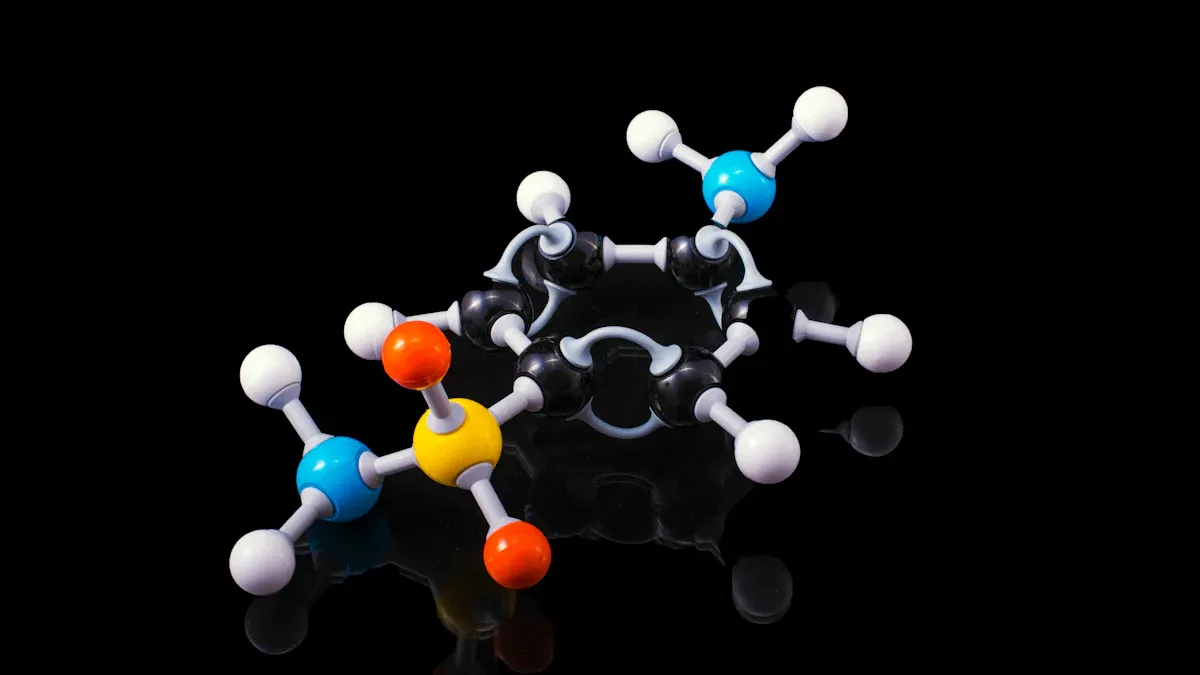
An amino acids flavor enhancer unlocks deep taste. These ingredients change how your tongue tastes food.
Chemosensory Receptors and Umami Activation
MSG and glutamine activate umami chemosensory receptors. They make soups and snacks taste very savory. Soy sauce and aged cheeses build glutamates.
Fermentation breaks down proteins to release free glutamates! 🍲
These natural flavor enhancers boost food depth. Test different flavor enhancers to change flavor intensity.
Enhancing Flavor with MSG, Glycine, and Alanine
Glycine and alanine help boost food flavor. These amino acid uses add sweetness to drinks. They also balance saltiness in sausages.
Amino Acid Ingredient | Primary Flavor Impact | Target Food Application |
|---|---|---|
MSG & Glutamine | Savory umami flavor | Soups, sauces, processed snacks |
Glycine | Mild sweet flavor | Beverages, meat products |
Alanine | Sweet flavor profile | Savory meat dishes |
Makers use amino acids to keep foods stable. Mix essential amino acids to improve packaged food. Factories use these flavor enhancers to change tastes quickly. These flavour enhancers keep batches tasting identical every time.
Kokumi Peptides and Mouthfeel Modification
Kokumi peptides do not taste like one thing. Instead, these flavor enhancers boost existing tastes. They also create a richer mouthfeel.
Gamma-glutamyl peptides (γ-EVG) help the calcium-sensing receptor.
The peptide binds inside the receptor Venus Flytrap domain.
Residues like Pro39, Phe42, Arg66, Ser147, and Glu297 help.
Each residue helps you taste more flavor.
These amino acid uses make basic meat delicious. Smart amino acid uses give products an advantage.
Thermal Dynamics of Amino Acids in the Food Industry
Hot temperatures change amino acids in the food industry. You cook them to unlock new tastes. Heat turns basic parts into deep flavor compounds.
Maillard Browning and Aroma Precursors
Sugar mixes with free amino acid uses under heat. This reaction builds classic baked notes and savory smells. You make brown bread crusts and rich meats. These natural flavor enhancers improve baked goods very well.
Good heating creates distinct signature flavor notes! ♨️
New mixes bring out different taste results. You use these flexible flavor enhancers in real kitchens.
Volatile Flavor Generation in Extrusion
Extrusion uses big heat and pressure together. This method creates bold volatile flavor compounds quickly. You tweak three simple settings for flavor success:
Medium pH: This setting changes reactive chemical levels.
Thermal & Process Timing: Heat times control how fast parts break down.
System Conditions: Water levels change flavor growth speeds.
You add these flavor enhancers to crisp snacks. These flavor enhancers stay strong in high heat. Unique flavor enhancers protect food quality during cooking.
Thermal Stability in Commercial Retorting
Commercial canning uses intense heat to kill germs. Certain amino groups resist strong heat very well.
Parameter Category | Specific Thermal Parameter | Glu-Tyr Characteristics | Glu-Asp Characteristics |
|---|---|---|---|
Energy & Kinetics | Activation Energy ($E$) | 17.64 to 19.73 kJ/mol | 6.50 to 7.76 kJ/mol |
Kinetic Model | Reaction Model Fit | $F_2$ Second-order model | $F_2$ Second-order model |
Thermal Metrics | Initial Decomposition Temperature ($T_i$) | Higher decomposition stability | Lower decomposition stability |
You pick steady flavor enhancers for wet soups. Strong flavor enhancers shield good tastes over time. These tough flavor enhancers save real meat tastes. Good flavor enhancers make every single batch tasty.
Applications for Amino Acid Flavor Enhancer Formulations

Find great uses for taste ingredients. Creators use amino acids to fix problems.
Sodium Reduction Using Lysine and Arginine
Factories must cut sodium now. Less salt hurts overall taste. Lysine and arginine solve salt loss. They work well in low-salt foods. Both D-forms and L-forms work well. Boost salt taste without real sodium. Lysine adds clean taste to broths. Arginine raises savory food taste.
Mix basic amino acids to cut metallic notes! 🧂
Make healthy food taste very rich. Easy steps build balanced food recipes. Pick special flavor enhancers for saltiness.
L-arginine makes foods taste salty fast.
L-lysine keeps savory tastes inside mouth.
Basic chains calm down sour background notes.
These amino acid uses satisfy shoppers. Strong flavor enhancers protect good taste. Rely on flavor enhancers for health.
Masking Off-Notes in Plant Proteins
Plant proteins can taste bitter now. Buyers reject plant foods with bad tastes. Plant protein bases need fast taste help. Use flavor enhancers to stop bad tastes. Amino acids shield delicate food notes.
Ingredient Type | Off-Note Target | Action Mechanism | Sensory Result |
|---|---|---|---|
Valine & Leucine | Earthy taste | Blocks bitter taste receptors | Clean base taste |
Acidic Aminos | Beany smell | Neutralizes volatile compounds | Fresh taste profile |
Makers use essential amino acids on pea protein. They fix taste without extra sodium. Make smoother plant drinks and foods. Flexible flavor enhancers hide plant bitterness well. Smart amino acid uses improve food appeal. Get rich taste during long storage.
Special flavor enhancers hide bad notes cleanly. Keep true taste while removing bad aftertastes. Each fix improves total flavor balance.
Flavor Enhancement in Processed Meat and Seafood
Get top meat taste using smart mixing. Mix free amino acids with nucleotides together. Nucleotides and amino acids raise flavor. Turn plain meat into savory meals. Seafood recipes gain full taste release.
Mix glutamic acid with inosine monophosphate easily. This pair doubles natural meat notes fast. Seafood gains from glycine and alanine. Control taste results with exact blends. This way gives real savory taste.
Nucleotide pairs make savory notes eight times stronger! 🥩
Improve instant meals and canned seafood. These ideas work great in meats.
Add glutamates for strong core taste.
Mix nucleotides to grow depth longer.
Add essential amino acids for smooth feel.
This amino acids flavor enhancer keeps food fresh. Targeted amino acid uses protect meat taste. Strong flavor enhancers stop cold storage damage. Smart plant bosses trust flavor enhancers. High-performance flavor enhancers make simple meats premium. Chosen flavor enhancers raise total recipe power.
Targeted amino acid uses solve big food production issues. These flavor enhancers cut sodium and mask bitter notes. They also keep food stable during heat processing. Product developers use flavor enhancers to lower food costs.
Smart uses boost flavor depth and flavor quality! 💡
New taste receptor research brings new flavor enhancer choices. Use these flavor enhancers to build unique flavor profiles. Modern flavor enhancers offer rich notes and stable balance. These flavor enhancers boost overall great food appeal.
FAQ
What are the main types of flavor enhancers in food manufacturing?
You pick many flavor enhancers for food. Monosodium glutamate makes food savory. Glycine and alanine add sweet notes. Lysine removes harsh metallic tastes. Companies use them for better food.
The best amino acid mix changes foods! 💡
How do amino acid flavor enhancers improve savory recipes?
Mix amino acids and nucleotides together. This pair creates strong savory tastes. It boosts natural juicy meat flavors. Glutamates build deeper taste on tongues. Glycine keeps the bold flavor strong. Enjoy rich food without extra salt.
Why do you add flavor enhancers to plant proteins?
Plant proteins often taste like dirt. Add flavor enhancers to block bitterness. Acidic amino acids remove bean smells. Makers use them for clean taste.
Can these ingredients survive high heating processes?
Yes, these ingredients survive big heat. Extrusion and canning change soft items. But tough amino bonds withstand heat. They keep packaged meat flavors steady. Every batch tastes the same always.