Plant-based ingredients come directly from natural plants. They need simple, minimal processing. Today, consumers demand simple food labels. They want recognizable, additive-free options. This shift links clean label preferences to plant-based diets. As a formulator, you need technical clarity. This helps you make smart product decisions. This guide delivers good formulation strategies. It offers ingredient selection methods, too. These help your next product launch succeed.
Key Takeaways
Clean label products use simple, clear plant ingredients. They avoid fake chemicals and preservatives.
Food makers use basic heating methods. This step protects natural food quality well.
Natural plant parts replace synthetic emulsifiers and texturizers. Pea protein is one good example. Chickpea flour and citrus fiber also work.
Rosemary and green tea keep food fresh. Fruit extracts preserve food naturally too. They do this without chemical additives.
Mushroom extracts cover up bitter flavors easily. Natural vanilla hides bad tastes in plant-based proteins.
Defining Clean Label Standards
Shoppers check food labels carefully now. You must know their goals. This builds real consumer trust. It helps you make good products.
Core Clean Label Criteria
Clean labels require simple ingredients. People must recognize them easily. Avoid synthetic chemicals completely. Do not use artificial flavors. Skip fake colors and preservatives. Buyers dislike long chemical names.
Buyers even reject some organic additives. You should avoid these specific items:
Ammonium bicarbonate
Potassium bicarbonate
Calcium hydroxide
Choose certified organic components instead. Pick non-GMO items as well. This builds trust very quickly. Always select short lists. Pick real plant ingredients.
Processing and Minimal Manipulation
Food makers face strict rules. Ingredient processing has clear limits. Use basic physical methods only. This satisfies tough store rules.
Processing Method | Clean Label Context / Application | Characteristics / Acceptability |
|---|---|---|
Kitchen-style Methods (e.g., Heating) | Flavor development | Works just like normal home cooking. |
Physical Processing | Native starches (e.g., process-tolerant lines) | Acts like modified starches naturally. |
CO2 Extraction | Specialized ingredient extraction | Meets strict store standards easily. |
Physical steps keep things simple. They protect overall food quality. No chemical changes happen.
On-Pack Label Appeal and Claims
Package words drive sales decisions. Clear front labels show quality. Highlight top claims clearly. Use gluten-free and dairy-free tags. Nut-free tags work well too.
💡 Formulation Tip: Match your labels with real sourcing. Buyers want clean Plant-Based Ingredients.
Add free-from claims to real plants. This helps sell your items. Combine simple steps with clear labels. This creates truly successful products.
Types of Functional Plant-Based Ingredients
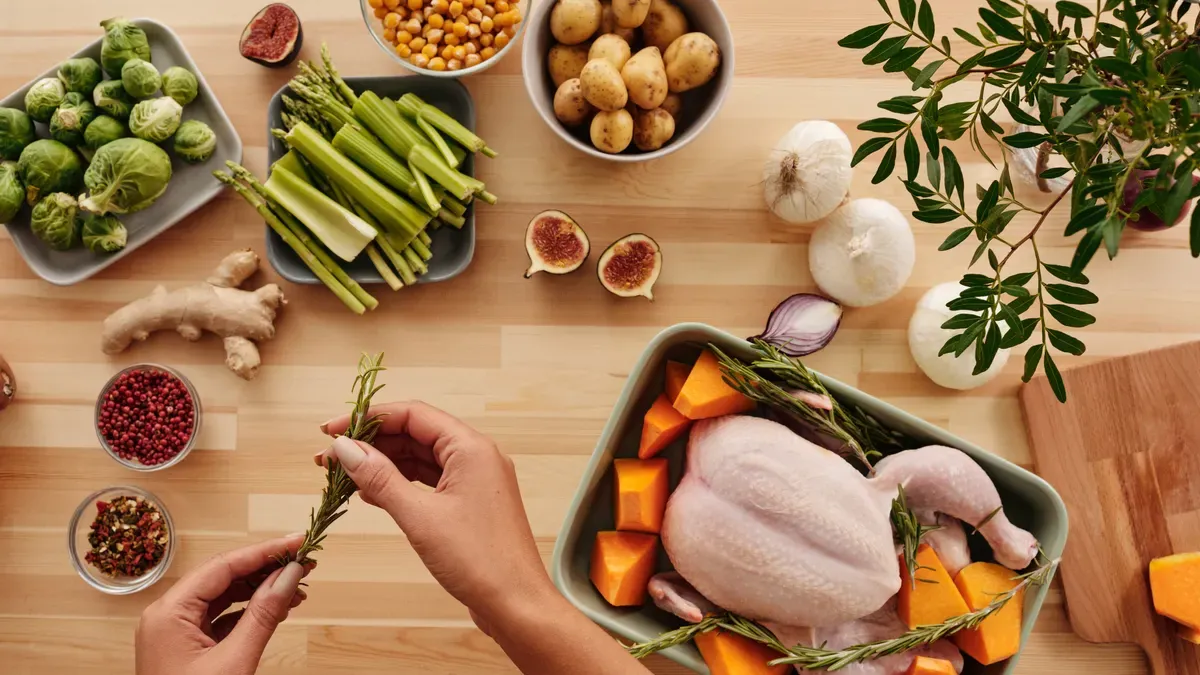
Plant-Based Ingredients give great technical advantages. Plant parts replace fake additives easily. They help fix product texture. They extend shelf-life. They boost visual appeal well.
Plant Ingredient / Source | Functional Attribute | Target Application / Benefit |
|---|---|---|
Chickpea Broth | Emulsification & Egg Replacement | Dressings, sauces, ready meals, and vegan food formulations |
Carrot & Beet Extracts | Natural Colorants | Short shelf-life bakery goods |
Fruit & Vegetable Crystals | Color Stabilization | Long-lasting replacement for synthetic FD&C dyes |
Plum, Rosemary, & Moringa Extracts | Natural Preservation | Antimicrobial and shelf-life enhancement |
Ashwagandha, Elderberry, Lavender, Chamomile, CBD | Functional Wellness Attributes | Mood relaxation, stress relief, sleep, and immune support |
Plant Proteins, Dietary Fibers, & Omega Fatty Acids | Nutritional & Health Functionality | Muscle development, digestive care, and cardiovascular health |
Proteins from Legumes and Pulses
Beans form strong food structures. Use pea or lentil protein. They remake normal textures. These proteins possess strong amphiphilic properties. They feature dual hydrophilic and hydrophobic regions on their molecular chains.
Mechanism / Role | Details & Functions |
|---|---|
Amphiphilic Nature | Leverages dual hydrophilic and hydrophobic properties to form a protective interfacial film around dispersed oil droplets in water. |
Emulsion Stabilization | Prevents physical instability and structural degradation, including coalescence, creaming, sedimentation, and flocculation. |
Targeted Application | Pea protein specifically serves as an effective interfacial stabilizer in clean-label formulations (e.g., plant-based milks, batters, dressings). |
Bean proteins coat oil droplets. This stops oil from clumping. You avoid bad separation flaws. Pea protein acts as a fantastic interfacial stabilizer in commercial plant-based milks, salad dressings, and liquid batters.
Functional Flours and Whole Foods
Whole food powders replace starches. Moisture stays inside food. No fake chemicals are needed.
Functional Flour | Key Component | Biochemical Action | Clean Label Advantage |
|---|---|---|---|
Chickpea Flour | Legumin & Vicilin Proteins (20–22% total protein) | Acts as a natural emulsifier forming oil-in-water structures | Replaces synthetic binders and egg yolk lecithin without added fats |
Chickpea Flour | Natural Fat (~6%) | Serves a mild shortening role to soften crumb texture | Eliminates the need for industrial texturizers or extra oil |
Oat Flour (Certified GF) | Beta-Glucan (Soluble Fiber) | Forms a viscous, gel-like matrix upon hydration | Provides natural moisture retention and binding without synthetic gums or starch modifications |
Chickpea flour has special proteins. Native proteins mix oil well. They easily replace fake emulsifiers. Natural fats soften bread crumbs.
Gluten-free oat flour adds fiber. This fiber grabs water fast. It builds thick gel quickly. Dough binds without starches. Walnuts also add good crunch.
💡 Formulation Tip: Use certified gluten-free oat flour in soft-baked goods to retain moisture and prevent early stale texture without chemical humectants.
Hydrocolloids and Natural Texturizers
Plant gums balance liquid foods. Citrus fiber controls water movement. They work without bad chemicals.
Hydrocolloid | Technical & Physical Functional Attributes |
|---|---|
Citrus Fiber (Citri-Fi) | High capacity for water retention and natural emulsification |
Acacia Gum | Strong emulsification capabilities, low viscosity profile, high dietary fiber content, excellent water-binding capacity, and film-forming/adhesive properties |
Citrus fiber holds water tightly. Heating does not ruin it. Acacia gum flows very easily. It wraps oil droplets safely.
Application Category | Functional Replacement Benefits |
|---|---|
Beverages & Juices | Enhances mouthfeel, flavor release, stability, suspension, emulsification, and foam stability |
Dairy & Frozen Desserts | Replaces synthetic emulsifiers to control ice crystal growth, improve freeze-thaw stability, enhance mouthfeel, and protect prebiotics |
Bakery Products | Increases pliability, reduces breakage, improves crispiness, and stabilizes moisture |
Cereals, Bars & Snacks | Replaces synthetic emulsifiers, acts as a binder/texturizer, stabilizes moisture, and extends bowl life |
Acacia gum works in many foods:
Beverages: It protects foam and feel.
Frozen Desserts: It blocks bad ice crystals.
Bakery Goods: It keeps flatbreads flexible.
Snack Bars: It sticks dry foods together.
Botanical Colors and Preservatives
Pick real plants for color. Leaves yield helpful active compounds. They keep food fresh longer.
Rosemary replaces chemical preservatives easily. The leaves contain potent natural antioxidants and antimicrobial agents. Rosemary oil stops food spoiling.
Try these simple plant solutions:
Apple Extract and Lemon Juice Extract: Juice extracts stop bad bacteria growth.
Plum and Moringa Extracts: These plants protect fresh food.
Carrot and Beet Extracts: Root colors look very bright.
Fruit and Vegetable Crystals: Concentrated plant crystals protect bright food colors against light exposure over long storage periods.
New ingredients replace all chemicals. Food keeps great texture. Colors remain very clean.
Formulating with Clean Label Alternatives

Commercial food making needs smart ways. These replace chemical additives. You build stable food systems. Use natural plant sources instead.
Replacing Synthetic Additives
Fake additives hold processed foods together. You replace these bad items. Just choose functional plant choices.
Follow these simple steps:
Map Your Synthetic Additives: Find fake emulsifiers in current recipes.
Select Functional Substitutes: Pick real starches or pulse proteins.
Adjust Water and Fat Levels: Clean items bind water differently. Change liquid amounts for proper thickness.
Optimize Processing Conditions: Adjust heat and mixing speeds. This protects weak plant parts.
💡 Formulation Tip: Add citrus fiber early into liquids. This lets fibers hydrate very well.
Plant milk needs stable emulsion systems. Replacing fake binders needs careful balance. Chickpea proteins recreate creamy textures.
Evaluating Functional Plant-Based Ingredients
Test new raw items before production. Easy tests help compare plant batches.
This table shows standard laboratory protocols:
Functional Parameter | Operational Protocol & Measurement |
|---|---|
Protein Solubility | Mix 200 mg protein in pure water (pH 2–10). Warm at 30 °C for 30 minutes. Spin at 10,000×g for 10 minutes. Measure nitrogen via Kjeldahl method to get soluble nitrogen percentage. |
Emulsification Capacity (EAI & ESI) | Mix 1% protein liquid with PSO (3:1 ratio). Blend at 8,000×g for 1 minute. Water down bottom samples using 0.1% SDS liquid. Read light absorbance at 500 nm for EAI and ESI. |
Testing these traits gives good data. You predict factory raw material behavior. High solubility makes smooth liquids. Strong emulsification stops oil separation.
Flavor Masking and Texture Balance
Plant proteins add grassy off-notes. Heat and pH shifts worsen tastes. You fix issues without fake chemicals.
Natural masking agents work very well:
Mushroom extracts hide bitter bean notes.
Yeast extracts boost savory food tastes.
Vanilla covers green plant milk notes.
Texture needs very careful control too. Heat makes some plant proteins clump. Mix pulse proteins with native starches. This builds a smooth gel matrix. Your final product tastes great.
Stability and Shelf-Life Management
Fat oxidation ruins high-fat plant foods. You need natural, safe protection methods. Natural antioxidants stop bad chemical damage.
Use these basic natural preservation steps:
Free-Radical Scavenging: Tocopherols clean up bad molecules. They protect plant oils at low levels.
Proton Donation: Active diterpenes give up small protons. This neutralizes damaging lipid free radicals.
Thermal & Light Resilience: Rosemary extract parts resist high heat. They give lasting antioxidant protection long-term.
Combine rosemary extracts with green tea. This extends total shelf-life easily. No fake preservatives are ever needed. Your food stays very fresh.
You change recipes using natural plants instead of synthetic additives. Balancing food performance with clean labels brings real success. Pick strong Plant-Based Ingredients to keep food safe during production.
Try these simple steps during your early test runs:
Process Parameter Evaluation: Test mixing speed, heat levels, and liquid absorption carefully.
Optimized Ingredient Incorporation: Add natural plant parts at the right time. This keeps every single batch smooth and totally even.
FAQ
How do you replace synthetic emulsifiers using plant-based ingredients?
Try chickpea flour or pea protein instead. Natural choices hold oil and water together fast. Sauces and drinks stay stable without chemicals.
Which plant-based preservatives extend shelf life naturally?
Rosemary extract stops fat from spoiling fast. Green tea and lemon juice work great. These plants kill bad bacteria inside food. Products stay fresh without chemical additives.
How can you mask off-notes in plant-based proteins?
Natural flavors hide bitter, earthy bean tastes. Mushroom and yeast extracts fix bad notes. Vanilla makes plant milks taste balanced and sweet.
What natural texturizers work best in gluten-free formulations?
Gluten-free oat flour and citrus fiber work best. Oat flour creates thick gel to hold moisture. Citrus fiber binds water and holds dough tight. Modified starches and fake gums are not needed.