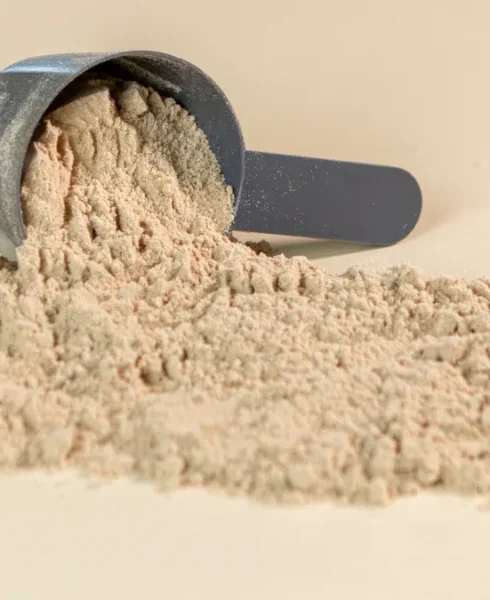

You might ask why it is important to know about cocoa powder vs cocoa extract. Many people use both, but they do not know how they are different. The market for cocoa powder was $9.12 billion in 2026 and is projected to grow to $13.0 billion by 2036. In comparison, cocoa extract sales were $3.40 billion in 2026.
Year | Market Value (USD) |
|---|---|
2026 | 9.12 billion |
2036 | 13.0 billion |
2026 | 3.40 billion |
Some common mistakes are:
You may think both cocoa powder and cocoa extract are always safe, but they can get contaminated.
Some people believe cadmium levels in these products are safe, but no amount is actually safe.
Many cocoa products, including both cocoa powder and cocoa extract, have more cadmium than what is safe for kids.
Key Takeaways
Cocoa powder works well in baking. It gives desserts like cakes and brownies a strong chocolate taste.
Cocoa extract has a stronger chocolate flavor. It is good for health supplements and for adding taste to drinks.
Pick cocoa powder if you want more fiber and minerals. Choose cocoa extract if you want more antioxidants and polyphenols.
Both cocoa powder and cocoa extract can make your recipes better. But they are used for different reasons in cooking and health.
Watch out for things like cadmium in cocoa products. Always read the labels to make sure they are safe.
Cocoa Powder vs Cocoa Extract: Key Differences
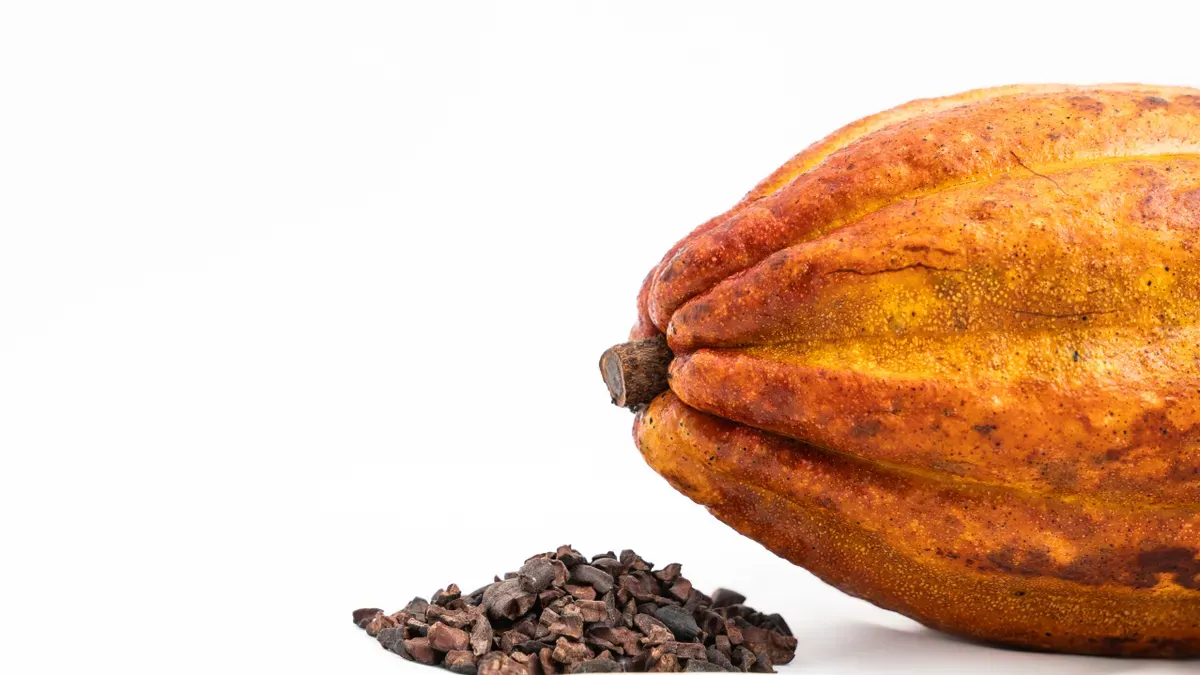
Quick Comparison
You might wonder how cocoa powder and cocoa extract are different. The main differences come from how they are made, how they taste, and how you use them in food. Here is a table that shows the main ways they are not the same:
Feature | Cocoa Powder | Cocoa Extract |
|---|---|---|
Processing | Roasted cacao beans, ground into powder | Extracted from cocoa beans using solvents |
Flavor | Rich, deep chocolate taste | Concentrated, sometimes bitter or floral |
Nutrition | Contains fiber, minerals, and some antioxidants | Higher in polyphenols, lower in fiber |
Common Uses | Baking, beverages, frostings, savory dishes | Supplements, flavoring, health products |
Tip: If you want to bake or make hot drinks, use cocoa powder. If you want a strong chocolate taste or need it for supplements, use cocoa extract.
Main Distinctions
It is important to know how making cocoa powder and cocoa extract is not the same. How each one is made changes how healthy it is and how it tastes.
Cocoa powder is made by roasting cacao beans at high heat. This gives cocoa powder its chocolate taste. Some nutrients, like antioxidants and enzymes, are lost during roasting.
Cocoa extract is made by using solvents to take out special parts from cocoa beans. This keeps more polyphenols, which are good for you. It has a stronger taste and more antioxidants, but less fiber.
Here is a table that shows how making these products changes their nutrition:
Type | Processing Method | Nutritional Value Impact |
|---|---|---|
Made by cold-pressing raw cacao beans, preserving enzymes and nutrients. | Healthier option due to minimal processing. | |
Cocoa Powder | Made by roasting cacao beans at high temperatures, reducing nutrient content. | Nutritional value is reduced due to roasting. |
When there is less processing, more nutrients stay in the food. Cocoa extract is made to get certain healthy parts, but this can change how it feels and tastes.
If you look at how people use cocoa powder and cocoa extract, you will see they are used in different ways. Cocoa powder is good for baking things like cakes, brownies, and cookies. It also works in hot drinks, frostings, and even in foods like chili or mole. Cocoa extract is mostly used in supplements, health foods, and recipes where you want a strong chocolate taste without making the food heavy.
Here is a simple guide for using cocoa powder:
Description | |
|---|---|
Baked Goods | Great for cakes, brownies, cookies, and cupcakes because it is soft. |
Beverages | Mixes well in hot chocolate, mochas, and chocolate milk. |
Frostings and Fillings | Makes buttercream, mousse, ganache, and truffles taste better. |
Frozen Desserts | Adds chocolate flavor to ice cream, shakes, and frozen yogurt. |
Savory Cooking | Gives sauces, chili, and mole a deeper taste. |
Pick cocoa powder if you want a classic chocolate taste and texture. Pick cocoa extract if you want a strong flavor or want to make your recipe healthier.
What Is Cocoa Powder?
Definition and Types
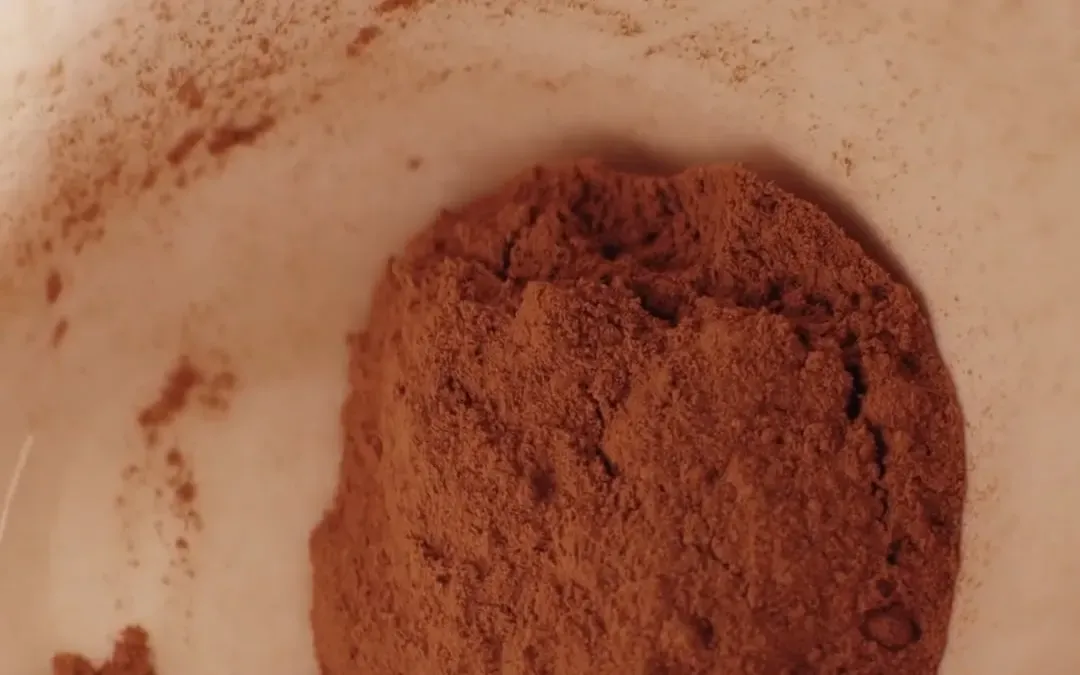
You see cocoa powder in lots of foods and recipes. It comes from cacao beans and gives a strong chocolate taste. Food agencies sort cocoa powder by how much fat and additives it has. Here is a table that shows the main groups:
Classification | Description |
|---|---|
Cocoa | Cocoa is a food with cacao fat content less than 22 percent but not less than 10 percent by weight. The name used is ‘cocoa’ or ‘medium fat cocoa’. |
Lowfat cocoa | Lowfat cocoa has cacao fat content less than 10 percent by weight. The name used is ‘lowfat cocoa’. |
Cocoa with dioctyl sodium sulfosuccinate for manufacturing | This is a food additive that meets cocoa product standards and contains dioctyl sodium sulfosuccinate, with specific weight limits. The name includes ‘cocoa with dioctyl sodium sulfosuccinate for manufacturing’. |
You can buy different kinds of cocoa powder at the store. Each kind tastes and looks a little different. Here are the main types you will find:
Natural cocoa powder: This kind is a bit sour, light brown, and tastes fruity. People use it a lot in American recipes.
Dutch-processed cocoa powder: This kind is washed with an alkaline liquid. It is darker and tastes softer. You see it more in European recipes.
Cacao powder: This kind is not roasted much. It keeps more antioxidants and is more sour than Dutch cocoa. You find it in health food stores.
Natural cocoa and cacao work best with baking soda. Dutch cocoa works better with baking powder because it does not react with baking soda.
Tip: Pick natural cocoa powder if you want a lighter color and strong taste. Pick Dutch-processed cocoa powder if you want a softer taste and darker color.
How It’s Made
You might wonder how cocoa powder is made. The process starts with cacao beans and has many steps to make powder. Here is a simple list of the main steps:
Accept and store the cocoa beans
Take out anything that does not belong
Roast the beans
Peel the beans
Grind and store the mixture
Sterilize or alkalize the mixture
Grind it again if needed
Press the mixture with a machine
Grind it into cocoa powder
Roasting gives cocoa powder its chocolate taste. Alkalization makes Dutch-processed cocoa powder softer and darker. The way it is made changes the taste and nutrition. When you compare cocoa powder and cocoa extract, cocoa powder has more fiber and is good for baking.
What Is Cocoa Extract?
Definition and Forms
Cocoa extract is found in many products. It is not the same as cocoa powder. Both come from the cocoa bean. Cocoa extract is more concentrated. You can find cocoa extract in different forms. Each form has its own use.
Cocoa husk extract is used in cosmetics. It helps lighten skin and keeps it moist.
Cocoa husk ash is in African Black soap. This soap is good for the environment.
Cocoa husk gel can help with wrinkles. It makes skin feel softer.
Some cocoa extracts are made for supplements. These have lots of polyphenols, which are good for you.
Cocoa extract is also in foods and drinks. It gives a strong chocolate taste without making food heavy. This is why it is popular in health products and flavorings.
Note: Cocoa extract is not just for eating. It is also used in skincare and beauty items.
How It’s Made
Cocoa extract is made with special methods. These methods pull out healthy parts from the cocoa bean. Here is a table that shows the main ways to make cocoa extract:
Method | Conditions | Output | Best Application |
|---|---|---|---|
Hydraulic press (natural) | High pressure, ~100°C | Cocoa butter + press cake | Food-grade cocoa butter and powder |
Screw press | Mechanical pressing | Cocoa butter + cake | High-throughput production |
Supercritical CO2 extraction | ~40°C, 200–350 bar | High-purity cocoa butter, polyphenols | Cosmetics, pharmaceuticals, functional extracts |
Ethanol/aqueous extraction | Ambient to mild heat | Cocoa flavanols, theobromine, alkaloids | Nutraceuticals, beverage cocoa extracts |
Each method makes a different product. Some use high pressure. Others use special gases or alcohol. Supercritical CO2 extraction makes pure cocoa butter and polyphenols. Ethanol extraction gets healthy parts like flavanols and theobromine.
Cocoa extract is made for health and strong flavor. Cocoa powder is better for baking and texture. Cocoa extract works best in supplements, drinks, and skincare.
Processing and Nutrition
Processing Steps Compared
Cocoa powder and cocoa extract are made in different ways. Both start with cacao beans, but the steps are not the same. The first step is grinding the beans into a thick paste called cacao liquor. Both cocoa powder and cocoa extract use this paste. Sometimes, cocoa powder goes through alkalization. This step uses potassium carbonate to change the taste and color. Cocoa extract usually skips alkalization, so it keeps more of the bean’s real flavor. Next, both products press the cacao liquor to get out the cacao butter. For cocoa powder, the leftover cake is ground into a fine powder. Cocoa extract is often left as a liquid instead of being made into powder.
Note: Roasting and fermentation do not remove all the healthy parts. These steps can even help your body use some nutrients better.
Nutritional Profiles
Cocoa powder and cocoa extract both have lots of good nutrients. They are not exactly the same because of how they are made. Roasting can lower the amount of polyphenols, which are good for your heart. Polyphenols do not like heat, so roasting for a long time means there are fewer polyphenols. Even with these changes, both cocoa powder and cocoa extract have more antioxidants than most fruit powders. You get lots of antioxidants, polyphenols, and flavanols from both. Cocoa powder usually has fewer calories than fruit juices. Cocoa extract can have different amounts of fat and sugar, so you should check the label.
Tip: If you want more antioxidants, both cocoa powder and cocoa extract are great picks. They have more than most fruit powders and juices.
Flavor and Uses
Flavor Differences
When you taste cocoa powder and cocoa extract, they are very different. Cocoa powder gives a deep chocolate flavor. It can taste a bit bitter and earthy. Natural cocoa powder sometimes tastes fruity or nutty. Dutch-processed cocoa powder is smoother and not as sharp. It is good for recipes that need a mild chocolate taste.
Cocoa extract has a much stronger flavor. It can taste floral or even more bitter. This is because cocoa extract keeps more of the bean’s natural parts. Cocoa extract does not make food creamy like cocoa powder. It gives a strong chocolate taste without making food heavy. Use cocoa extract when you want a bold chocolate flavor but not extra bulk.
Tip: Use cocoa powder for a classic chocolate taste in cakes or cookies. Try cocoa extract for a bold flavor in drinks or supplements.
Best Applications
You can use cocoa powder and cocoa extract in many ways, but they work best in different recipes. Chefs like to use cocoa powder for baking. Famous brands like Valrhona Pure Cocoa Powder are used for truffles, brownies, and cakes. Chefs such as Antonio Bachour and Ron Ben-Israel like it for its smooth feel and rich taste. Callebaut Cocoa Powder is very flexible. Chefs like Kirsten Tibballs use it in baked and non-baked foods. Ghirardelli Majestic Premium Cocoa Powder is good for brownies and hot drinks. Chef Rakhee Vaswani uses it for her special brownies.
Here is a table to help you pick:
Recommended Uses | Chef Endorsements | |
|---|---|---|
Valrhona Pure Cocoa Powder | Truffles, chocolate cream, brownies, cake | Antonio Bachour, Oriol Balaguer, Ron Ben-Israel |
Callebaut Cocoa Powder | Non-baked products, versatile | Håkan Mårtensson, Kirsten Tibballs, Francisco Moreira |
Ghirardelli Majestic Premium Cocoa Powder | Baking, beverages | Chef Rakhee Vaswani for brownies recipe |
Cocoa extract is best for health foods, supplements, and drinks. You can add it to smoothies or protein shakes for a strong chocolate taste. It is also good in recipes where you want antioxidants but not extra calories or fat.
When you compare cocoa powder and cocoa extract, remember each has its own best use. Pick cocoa powder for baking and creamy desserts. Choose cocoa extract for strong flavor in drinks or health foods.
Health Benefits and Drawbacks
Cocoa Powder Health Aspects
Cocoa powder can be good for your health. It has lots of polyphenols, especially flavanols. These help your body fight swelling and keep your heart healthy. One tablespoon of cocoa powder can have up to 307 mg of polyphenols. When you eat cocoa, your body takes in flavonoids. Their levels go up in your blood after about 2-3 hours. Non-alkalized cocoa keeps more polyphenols than Dutch-processed cocoa.
Some main health benefits are:
It can lower blood pressure and help your blood vessels.
It may lower your chance of heart attack and stroke.
It can help your brain and mood.
It helps your body use insulin better, which may help with diabetes.
It might help you manage your weight and lower cancer risk.
It can help with asthma symptoms.
Cocoa powder also has some downsides. Eating too much can cause problems. Here is a table of possible risks:
Health Risk | Description |
|---|---|
Caffeine-related side effects | You might feel nervous, have trouble sleeping, or a fast heartbeat |
Allergic reactions | You could get skin problems or migraines |
Digestive issues | You might feel sick, have gas, or stomach pain |
Pregnancy concerns | Eating a lot may cause early birth or low birth weight |
Heart conditions | It could cause an uneven heartbeat |
Diabetes | It can raise your blood sugar |
GERD and IBS | It may make these problems worse |
Tip: Pick non-alkalized cocoa powder if you want more antioxidants and fewer extra ingredients.
Cocoa Extract Health Aspects
Cocoa extract gives you a strong dose of cocoa polyphenols. These help your body in many ways. Cocoa extract may lower swelling and slow cancer cell growth. It can help your teeth by stopping plaque. Some studies show cocoa extract may help with tiredness and make your skin look and feel better. Cocoa polyphenols may also help your brain as you get older.
Other possible benefits are:
It can help your immune system.
It can make your skin healthier and look nicer.
It might help fight malaria.
Cocoa extract is strong, so use only a little. Some people may feel stomach pain or have allergies. Always check the label for extra ingredients.
When you compare cocoa powder and cocoa extract, both give you strong antioxidants and health benefits. The best one depends on what you need and how you want to use them.
Choosing the Right Product
When to Use Cocoa Powder
Cocoa powder is great for many foods. It gives a classic chocolate taste and smooth feel. You can put it in brownies, cakes, or cookies. It also works in hot drinks, oatmeal, or smoothies for rich flavor without more sugar. Try putting cocoa powder on yogurt for a healthy snack. You can add a little to soups, chili, or sauces to make them taste deeper. Chefs use cocoa powder in mole sauce or Bolognese for extra richness.
Put in oatmeal or smoothies for a chocolate breakfast.
Sprinkle on yogurt for a treat like pudding.
Mix into chili or soup for more flavor.
Use in mole or meat sauces for a richer taste.
Tip: Start with just one or two teaspoons so you do not use too much.
When to Use Cocoa Extract
Cocoa extract gives a strong chocolate taste but does not make food heavy. You can use it in sweet or savory foods. It is good in cakes and ice creams. You can add it to sauces, moles, or foods with tomatoes and beans. Cocoa extract also makes drinks like hot chocolate, coffee, or beer taste better. Some people put it in hot cereal for more flavor. Chefs mix cocoa extract with chocolate to make sweets taste even better.
Application Type | Examples |
|---|---|
Sweet | Cakes, ice creams, desserts |
Savory | Sauces, moles, dishes with chile peppers or legumes |
Beverage | Hot chocolate, coffee, beer, cola, espresso |
Other | Hot cereal |
Note: Cocoa extract is very strong. Use only a little so it does not taste bitter.
Substitution Tips
Sometimes you might want to switch cocoa powder and cocoa extract. You should know how each one changes your food. Cocoa powder adds texture, fiber, and some fat. Cocoa extract gives strong taste but does not change texture much. If you use cocoa extract instead of cocoa powder in baking, your cake or cookie might be dry or flat. If you use cocoa powder instead of extract in drinks or supplements, you may need to blend it well so there are no lumps.
Here is a table to help you pick for healthy recipes:
Cacao Powder | Cocoa Powder | |
|---|---|---|
Antioxidants | Higher | Lower |
Flavanols | More | Less |
Sugar | 0 g | Varies |
Fiber | Present | Less |
Minerals | Rich | Less |
Pick cocoa powder if you want more fiber and minerals.
Pick cocoa extract if you want more antioxidants and flavanols.
When you look at cocoa powder and cocoa extract, think about what your recipe needs. Choose the one that fits your taste, texture, and health goals.
You have learned how cocoa powder and cocoa extract are not the same. Look at this table to help you remember:
Aspect | Cacao Powder | Cocoa Powder |
|---|---|---|
Processing | Minimally processed, keeps nutrients | Roasted, fewer nutrients |
Nutrition | Rich in antioxidants, magnesium, flavonoids | Lower in nutrients |
Flavor | Intense, bitter, great for health recipes | Milder, sweeter, best for baking |
Uses | Raw desserts, smoothies, energy balls | Baking, hot chocolate, sauces |
Here are some things you can try at home:
Make hot chocolate with cacao if you want more nutrients.
Put cacao in overnight oats or banana bread for extra flavor.
Try cacao in chili or mug cakes to make them taste different.
Tell others how you like to use both products!
FAQ
What is the main difference between cocoa powder and cocoa extract?
You get cocoa powder from ground roasted cacao beans. Cocoa extract comes from extracting specific compounds using solvents. Cocoa powder works best for baking. Cocoa extract gives you concentrated flavor and antioxidants.
Can you use cocoa extract instead of cocoa powder in recipes?
You can use cocoa extract for flavor, but it does not add texture or bulk. If you replace cocoa powder with extract in baking, your cake may turn out dry or flat.
Is cocoa extract healthier than cocoa powder?
Cocoa extract contains more polyphenols and antioxidants. Cocoa powder gives you fiber and minerals. You should pick the one that fits your health goals.
Are there any risks with cocoa products?
You may get too much caffeine or cadmium if you eat a lot. Some people feel stomach pain or allergies. Always check the label and use small amounts.