No, cocoa powder and cacao powder are different.
They sit near each other on store shelves. Yet, clear differences set them apart.
Both items start as the cacao bean. Heat and processing change their final form a lot.
💡 Quick Tip: Processing heat turns raw beans into two different foods!
In this guide, you will see how heat works. You will learn key facts about cocoa powder vs cacao powder.
We cover nutrient levels and total fat content. You also learn about distinct flavors and simple swap rules.
Key Takeaways
Heat turns one cacao bean into two foods.
Raw cacao powder keeps many healthy antioxidants and enzymes.
Regular cocoa powder uses high heat for mild flavor.
Use raw cacao in smoothies and cocoa for baking.
Cocoa Powder vs Cacao Powder: Processing Differences
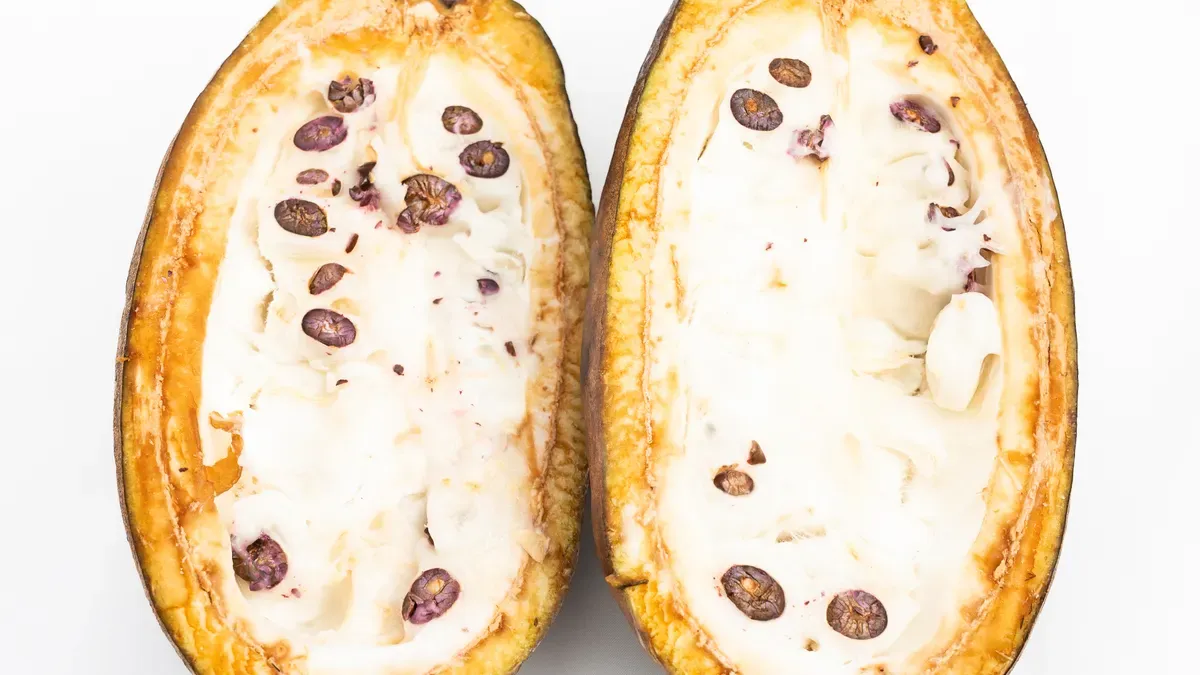
Both start as bitter seeds. They grow inside cacao fruit pods. High heat makes them very different. Heat creates cocoa powder vs cacao powder.
Cold-Pressing Raw Cacao Beans
Makers use unroasted seeds. They press them with low heat. This makes raw cacao powder. The method keeps healthy bits safe. It removes fatty cacao butter. Machines use three easy steps:
Initial Sealing Stage: A machine squeezes light filter pads. It catches tiny seed bits.
High-Pressure Extraction: Heavy force squeezes out liquid fat. Solid parts stay behind.
Thermal Regulation: Low heat keeps fat moving easily. This saves good nutrients. It yields pure butter.
Grinders turn leftover solids into powder. This makes raw cacao powder.
High-Heat Roasting and Dutch-Processing Cocoa
Normal cocoa powder needs hot fires. Makers cook seeds at high heat. Heat changes their inner makeup fast.
Chemical Component | Transformation Mechanism | Change Observed |
|---|---|---|
Polyphenols | Heat and air damage | Nutrient levels drop low |
Storage Proteins | Heat breaks protein ties | Protein counts fall down |
Free Amino Acids | Heat breaks down acids | Deep chocolate taste grows |
Some brands use Dutch-processing on cocoa. Workers wash cooked seeds in alkali. They use soda or potassium.
Acidity neutralization: Alkali washes away sour tastes.
pH shift: This step lifts acid levels higher.
This process removes strong bitter tastes. It makes dark powder for baking.
Cocoa Powder vs Cacao Powder: Nutritional Comparison
Your health goals guide your food choices. Raw cacao powder keeps useful plant parts. Standard cocoa powder trades health perks for ease.
Antioxidants, Enzymes, and Nutrient Retention
Gentle methods protect raw cacao parts. Low heat saves live enzymes in cacao powder. You get magnesium, iron, and fiber here.
High heat destroys these soft plant parts. Cooked cocoa powder loses key natural flavonoids. High heat drops its total health power fast.
Form of Cacao/Cocoa | Processing State | ORAC Value (Antioxidant Capacity) |
|---|---|---|
Raw Cacao Powder | Unheated / Minimal processing | 95,500 |
Cocoa Powder | Heated / Processed | 26,000 |
Raw cacao has more antioxidants than heated cocoa.
Differences in Fat Content and Calories
Making methods shift fat and calorie counts. Cold-pressing leaves rich fat in raw cacao. You get plant fats and more calories.
📌 Nutritional Fact: Raw cacao retains natural fats, while standard cocoa loses most oils during high-pressure pressing.
Makers remove fat to make commercial cocoa powder. This step cuts total fat levels down. Thus, standard cocoa has fewer calories.
Comparing cocoa powder vs cacao powder guides healthy choices. Choose raw cacao for nutrients. Pick roasted cocoa for lower energy.
Flavor Profiles and Culinary Uses
Making steps change the taste a lot. Cocoa powder and cacao powder taste distinct. Your sweet dishes need the right choice.
Bitter and Intense Notes of Cacao Powder
Raw cacao powder has a deep taste. Uncooked cacao beans hold many natural compounds. These plant parts taste quite bitter. They dry out your mouth fast.
Raw cacao stays very sour, too. Natural acids make it taste sharp. You get a tart fruit flavor. It tastes best in cold foods.
Milder and Sweeter Taste of Cocoa Powder
Hot roasting up to 350°F softens bitterness. High heat calms standard cocoa powder. Dutch methods use special liquids on seeds. This washes away harsh sour tastes.
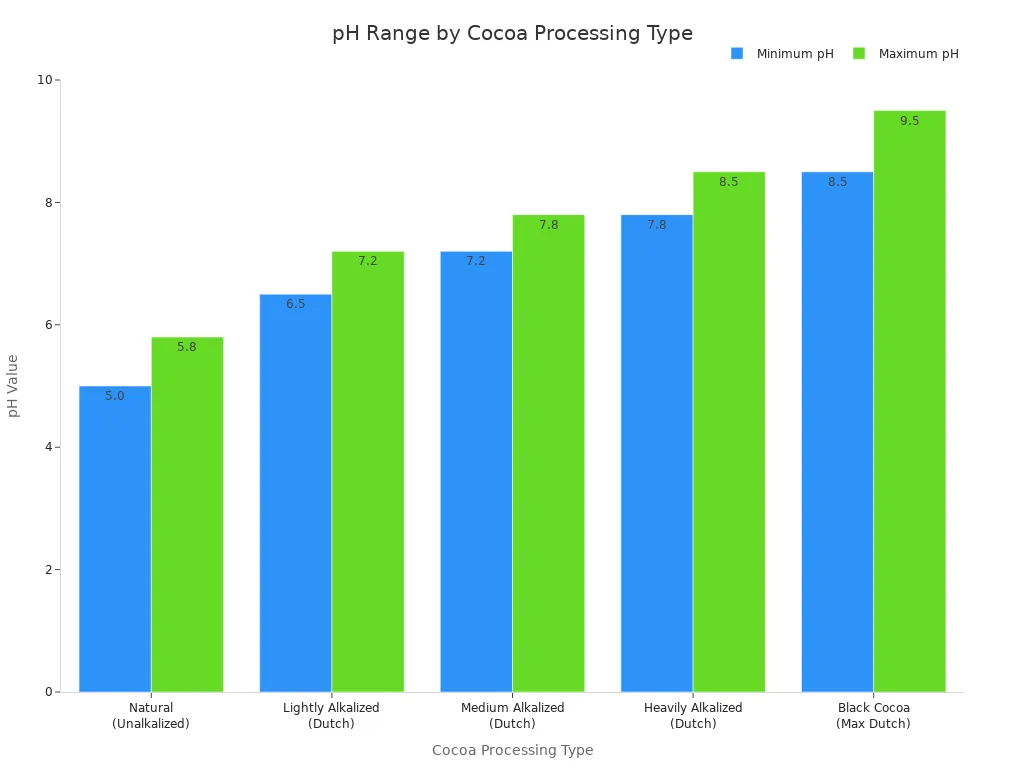
Alkaline washes break down sharp bitter parts. The process lowers strong bitter tastes.
Cocoa Processing Type | pH Value Range | Acidity/Alkalinity Level |
|---|---|---|
Natural (Unalkalized) | 5.0 – 5.8 | Acidic |
Lightly Alkalized (Dutch) | 6.5 – 7.2 | Near Neutral |
Heavily Alkalized (Dutch) | 7.8 – 8.5 | Moderately Alkaline |
This step makes a dark powder. You get smooth, mild chocolate flavor.
Ideal Recipes for Raw Cacao vs. Baked Cocoa
Raw cacao powder works best unheated. Oven heat above 375°F breaks healthy parts. Raw cacao absorbs liquids fast, too. This extra soak dries baked goods out.
💡 Kitchen Tip: Save raw cacao for cold dishes to protect its nutrients and moisture balance!
Use raw cacao powder in cool foods:
Chia seed breakfast puddings
Blended fruit smoothies
Vegan avocado chocolate mousse
No-bake granola energy bars
Standard cocoa powder works best in ovens. It keeps cakes soft and moist. You get great chocolate taste in cookies.
How to Swap Cacao and Cocoa in Recipes
You can swap these powders easily. Just make small changes first. They ensure great results.
The 1:1 Swap Rule and Taste Adjustments
Use equal amounts for this swap. Yet, check the sweet taste. Store cocoa powder has added sugar. Raw cacao powder has no sugar. You must add extra sweetener now. This keeps your treat sweet. Learning cocoa powder vs cacao powder swaps helps you. You get balanced taste daily.
Managing Acidity and Leavening Agents
Your choice changes cake rise. Raw cacao has natural acids. They react with baking agents.
Leavening Agent | Agent pH / Composition | Interaction with Natural Cacao (pH 5–6) | Resulting Reaction & Effect |
|---|---|---|---|
Baking Soda | Alkaline (pH 9) | Reacts directly with the acidic cocoa powder | Starts a reaction for light foods. |
Baking Powder | Self-contained mixture of acids and bases | Operates independently of the cocoa powder‘s pH | Works well without cocoa acid. |
Dutch cocoa powder gets alkali washes. This process removes natural acids. It raises pH to neutral. Baking soda needs acid to work. Dutch cocoa lacks this acid. You must use baking powder. Your food rises right.
Liquid and Fat Ratio Considerations
Raw cacao powder soaks up water. It holds natural fats, too. Add extra milk if needed. This keeps treats soft.
Processing heat changes these ingredients. Heat shifts fat and flavors. Heat changes healthy bits. Gentle processing preserves raw gains. High fires yield smooth tastes. Smooth powder fits baked treats.
Application Category | Raw Cacao Powder | Cocoa Powder (Natural, Unsweetened) |
|---|---|---|
Primary Goal | Maximize plant benefits, antioxidants, and raw gains. | Create baked treats with smooth taste or cut fat. |
Best Recipe Uses | Smoothies, energy bites, raw sweets, and quick oats. | Baked sweets (cakes, brownies, cookies) and warm cocoa. |
Health & Nutrient Profile | Rich in antioxidants, raw elements, and plant fats. | Contains antioxidants, health compounds, and fewer fats. |
Choose raw cacao for cold food gains. Pick cocoa powder for baking treats. You can use both items with confidence in your kitchen!
FAQ
Can you swap raw cacao powder for cocoa powder in a cake recipe?
Yes. Use a simple one-to-one swap. Raw cacao absorbs more liquid. You must add extra liquid. This keeps your cake moist. Use baking powder here. Do not use baking soda. This helps the cake rise.
Which powder offers more health benefits?
Raw cacao gives more health perks. Cold pressing saves key minerals. It protects good natural parts. High heat breaks down these good bits. Regular cocoa powder loses them.
💡 Health Tip: Pick raw cacao for quick health gains. Use it in cold foods!
Why does cacao powder taste more bitter than cocoa powder?
Raw cacao skips hot fire rules. Beans keep their sharp tart taste. Roasting cocoa beans calms strong bites. Dutch methods wash away extra acids. This makes cocoa powder taste smooth.
Does cacao powder contain natural caffeine?
Yes. Cacao holds natural energy. It has real plant energy parts. These boost your day fast. Raw cacao keeps more power. Heat lowers this in cocoa powder.