You want to keep your food fresh and safe. Recent studies show that BHT stands out as the best antioxidant for most uses. BHT works well at stopping fats and oils from breaking down. People choose BHT for its strong performance and wide use in many foods. You may also see TBHQ in snacks or BHA in cereals. If you want to Choose the Right Antioxidant, you need to know how each one works and how safe it is.
Key Takeaways
TBHQ works best for frying foods. It can handle high heat and stops oil from breaking down.
BHA helps keep processed foods fresh. But it has a cancer warning, so use it with care.
BHT is a strong antioxidant. But it might hurt your liver and kidneys if you use too much.
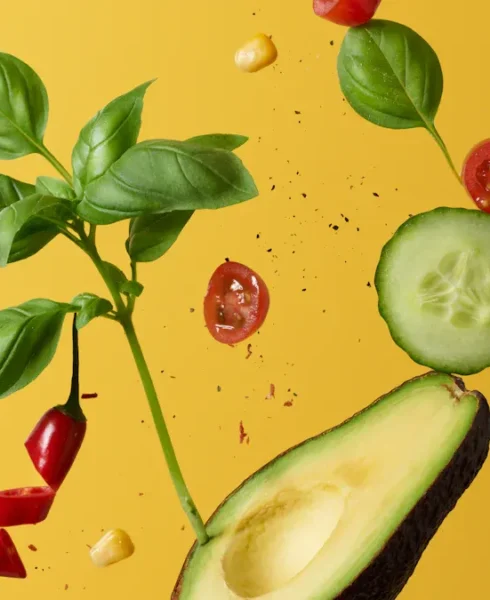
You can try natural antioxidants like rosemary extract. They are safer and make food labels cleaner.
Always read food labels and know your local rules. This helps you pick the right antioxidants for your diet.
Antioxidant Effectiveness
TBHQ Performance
You find TBHQ in many snacks and frying oils. TBHQ works best when oils get very hot. Look at the table below to see how TBHQ compares to other antioxidants:
Antioxidant | Effectiveness in High-Temperature Scenarios | Stability in Oils |
|---|---|---|
TBHQ | Superior | Excellent |
BHA | Moderate | Good |
BHT | Moderate | Good |
Propyl Gallate | Low | Fair |
TBHQ helps soybean oil stay fresh for a longer time. When you fry food, TBHQ keeps the oil from breaking down. TBHQ stays strong even at 120 °C, so it is great for frying and baking.
BHA Performance
BHA helps keep processed foods fresh. It stops fats and oils from spoiling. Here is how BHA works to stop radicals:
BHA removes 36.4% of hydrogen peroxide at 15 μg/mL.
BHA gets rid of 75.3% of superoxide anion radicals, more than BHT and others.
BHA keeps the taste, texture, and nutrition in food.
BHA makes food last longer by stopping bad germs from growing.
You find BHA in cereals, chips, and baked foods. It is good for storing food and stopping it from going bad.
BHT Performance
BHT keeps food safe by stopping free radicals. You get help from its strong ability to stop radicals. BHT uses different ways to protect food:
Mechanism Type | Description |
|---|---|
Hydrogen Atom Transfer (HAT) | BHT gives a hydrogen atom to stop free radicals. |
Electron Transfer | BHT gives electrons to radicals to make them less dangerous. |
SET-PT | BHT moves an electron and a proton, depending on the situation. |
BHT works in many foods, especially ones stored for a long time. You can trust BHT to keep oils and fats safe.
Most Effective Option
You want the best antioxidant to keep food fresh. TBHQ is best for high heat, like frying. BHA and BHT are good for processed foods and storage. TBHQ also fights bad bacteria, like E. coli and Aspergillus. If you want natural choices, herbs and spices like rosemary, tocopherols, and ascorbic acid can help protect food and add flavor. Pick TBHQ for frying, BHA or BHT for storage, and natural antioxidants if you want clean-label foods.
Safety & Health
TBHQ Safety
You might ask if TBHQ is safe. Scientists checked how TBHQ affects the liver, kidneys, and nervous system. The table below shows what they learned:
Type of Toxicity | Key Targets | Pathways Involved |
|---|---|---|
Hepatotoxicity | ACE, HIF1A, NR1H4, NFKB1, TNF, IL6, IFNG, IL1B, ESR1 | IL-17, JAK-STAT, NAFLD |
Nephrotoxicity | APP, NFKB1, ACE, FOS, IL10, IL1B, IL6, TNF, ALB | N/A |
Neurotoxicity | GRIN2B, IL1B, TNF | N/A |
TBHQ is allowed in the United States and Europe, but only in small amounts. The FDA and EFSA say it is okay to use a little. Some places are now looking at TBHQ more because of health worries. Europe has very strict rules for food additives. You might see less TBHQ in foods there. Food labels must show if TBHQ is in the product.
BHA Safety
BHA is in many foods, but you should know about its risks. The National Toxicology Program says BHA might cause cancer in people. Animal tests show BHA can make tumors in the stomach. High amounts in rats caused problems with growing and having babies. These problems include changes in hormones and organs not growing right. California says BHA could cause cancer, so products with BHA need warnings if used on lips.
Country | Regulation on BHA | Limitations |
|---|---|---|
Canada | High human health priority due to carcinogenicity. | Safe as a preservative in foods up to 0.02% of fat/oil; 0.005% in food packaging; 0.1% in defoamers. |
European Union | Prohibited as a fragrance ingredient in cosmetics. | Specific limits on BHT due to endocrine disruption; safe up to 0.001% in mouthwash, 0.1% in toothpaste. |
United Kingdom | Added BHT to the list of restricted substances in cosmetics in 2024. | Limits BHT in oral care products at 0.001%; 0.1% in toothpaste, 0.8% in other products. |
United States | Generally recognized as safe; known carcinogen in California. | Limits BHA to 0.02% of fat/oil; 0.005% in packaging; 0.1% in defoamers. |
BHA and BHT can build up in nature and hurt animals.
BHT Safety
BHT is in lots of foods, but it has risks too. BHT can hurt your liver and kidneys. If you eat a lot, it may cause tumors and lung problems. Some studies say BHT can change how blood clots. In fish, BHT made it hard for them to move and affected their nerves. Scientists are still learning how BHT affects the brain. The FDA checks how much BHT is safe in food and keeps getting new safety facts.
Category of Evidence | Description |
|---|---|
General Food Categories | BHT is used in various food categories such as cookies and soft drinks. |
Typical and Maximum Use Levels | The FDA is assessing typical and maximum levels of BHT in these food categories. |
Safety Data | The FDA is collecting safety data relevant to BHT’s use in food and as a food contact substance. |
Safest Choice
You want to pick the safest option for your family. All three antioxidants can be risky if you eat too much. TBHQ, BHA, and BHT can hurt your liver, kidneys, or nerves. BHA has the biggest cancer warning. Most countries have strict rules to keep you safe. Always read food labels and follow your local rules. If you want less risk, choose foods with natural antioxidants like vitamin E or rosemary extract.
Usage & Regulations
TBHQ in Foods
You often see TBHQ in foods that need to stay fresh during high heat. Potato chips, cooking oils, and processed meats use TBHQ to keep their quality. Food makers add TBHQ in small amounts. The table below shows where you find TBHQ and how much is used:
Food Product | Typical Concentration |
|---|---|
Potato Chips | Up to 0.02% |
Cooking Oils | Up to 0.02% |
Processed Meats | Up to 0.02% |
You can spot TBHQ on ingredient labels, especially in fried snacks and packaged meats.
BHA in Foods
BHA helps many foods last longer. You find BHA in breakfast cereals, snack foods, processed meats, baked goods, and instant soups. Food makers use BHA to stop fats from going bad. Here are some common foods with BHA:
Breakfast cereals
Snack foods (potato chips, crackers, cookies)
Processed meats (sausages, pepperoni, beef jerky)
Baked goods
Instant soups and noodles
Most countries limit BHA to 0.02% of the total fat in food. The FDA says BHA is safe at this level. The European Union allows less BHA and checks its safety often. The World Health Organization also reviews BHA to keep you safe.
BHT in Foods
You find BHT in animal feed and aquaculture feed. BHT keeps food fresh and stops spoilage. It helps keep the color, taste, and texture of food. The table below shows where BHT is used and how much is allowed:
Food Category | Typical Concentration |
|---|---|
Animal feed | Up to 150 mg/kg |
Aquaculture feed | Up to 150 mg/kg |
BHT also appears in some packaged foods to help them last longer.
Practical Considerations
You need to know that rules for these antioxidants change by country. The United States lets food makers use BHA and BHT in more foods and at higher levels. The European Union limits BHA because of health worries. Some countries ban BHA in certain foods. Many states in the U.S. now want warning labels or bans for BHA and BHT. These changes may start as soon as 2027 or 2028.
Food laws keep changing. You should always check labels and local rules before you Choose the Right Antioxidant for your products or diet.
If you want to Choose the Right Antioxidant, think about where you live, what foods you eat, and how much risk you want to take. Natural antioxidants may be a better choice if you want fewer chemicals in your food.
Choose the Right Antioxidant
Comparison Table
You want your food to stay safe and fresh. The table below helps you compare TBHQ, BHA, and BHT. It shows how each antioxidant works, how safe it is, and where it is used.
Antioxidant | Effectiveness | Safety Profile | Common Uses |
|---|---|---|---|
TBHQ | Best for high heat, frying | Safe in small amounts, strict limits | Frying oils, snacks, processed meats |
BHA | Good for storage, moderate heat | Cancer warning, strict limits | Cereals, baked goods, snack foods |
BHT | Strong radical scavenger | Possible liver/kidney risk, regulated | Animal feed, packaged foods |
Tip: Always read food labels and check your local rules before picking an antioxidant.
Natural Alternatives
You might want a natural way to keep food fresh. Many people now look for foods with simple, clean labels. Natural antioxidants can protect food and are often safer. The table below shows how some natural antioxidants compare to synthetic ones.
Effectiveness Compared to BHA/BHT | Safety Status | |
|---|---|---|
Rosemary Extract | 2-4 times more effective | Approved for food use (E392, GRAS) |
Green Tea Extract | Comparable effectiveness | Generally recognized as safe |
Grape Seed Extract | Comparable effectiveness | Generally recognized as safe |
Mixed Tocopherols | Comparable effectiveness | Generally recognized as safe |
Rosemary extract is found in many natural snacks and oils. Green tea extract and grape seed extract work well in drinks and baked foods. Mixed tocopherols, which are a type of vitamin E, help keep oils and cereals fresh. These natural antioxidants give strong protection and are safer for you.
How to Choose the Right Antioxidant
You should think about a few things before picking an antioxidant. Every food is different and needs its own solution. Use this checklist to help you choose:
Check what kind of food you have. Foods with lots of fat or oil need stronger antioxidants.
Think about how long you want the food to last. Longer shelf life means you need more protection.
Make sure you follow food rules in your area and around the world.
Decide if you want a natural or synthetic antioxidant. Many people now like natural choices.
Think about how much it costs. Some antioxidants cost more but work better.
Pick a supplier you trust. Good quality is important for food safety.
Note: Food preservatives help keep food safe, tasty, and fresh. Many companies now use natural antioxidants because people want fewer chemicals in their food.
You can pick the right antioxidant by matching your needs to the right product. If you fry food, TBHQ is the best choice. For foods you want to store a long time, BHT or BHA can help. If you want a natural label, rosemary extract or mixed tocopherols are good picks. Always think about safety, how well it works, and the cost.
You want to keep your food safe and fresh. BHT is used a lot and stops bad radicals. TBHQ is good for frying foods. BHA helps foods last longer in storage. Natural antioxidants like rosemary and grapefruit extracts are helpful. The table below shows how these natural choices help cells, lower swelling, and protect DNA.
Study Findings | Description |
|---|---|
Improved cell survival | Rosemary and grapefruit extracts help cells live after UVB. |
Reduced ROS | These extracts cut down harmful oxygen types. |
DNA protection | They stop DNA and chromosome harm. |
You need to look at your local rules and health advice before picking. Natural antioxidants are safer for many foods.
FAQ
What is the main difference between TBHQ, BHA, and BHT?
TBHQ is used when frying food. BHA helps keep snacks fresh in storage. BHT stops bad radicals in oils. Each one works best in different foods.
Are these antioxidants safe for children?
Kids can eat foods with TBHQ, BHA, or BHT if you follow the rules. Always read the food label first. Eating too much can cause health problems. Natural antioxidants are safer for kids.
Can I avoid synthetic antioxidants in my diet?
You can pick foods with natural antioxidants like rosemary extract or vitamin E. Look for “clean label” foods. Check the ingredient list to see if TBHQ, BHA, or BHT is in the food.
Why do some countries ban BHA or BHT?
Some countries do not allow BHA or BHT because studies show they may cause cancer or other health problems. Europe and California have stricter rules. Always check your local rules before you buy food.
Do natural antioxidants work as well as synthetic ones?
Natural antioxidants like rosemary extract and tocopherols protect food almost as well as synthetic ones. You get good results and safer ingredients. Many companies now use natural choices.