
When you need a carrier that sticks well and does not react much, you often pick Microcrystalline Cellulose because it works great and is safe. You might choose maltodextrin if you want something that is easy for the body to break down or helps things dissolve better. Both carriers have their own special benefits. Sometimes, using both together gives even better results, especially when you want to make the product feel nice and keep it healthy. The best carrier for you depends on how you make your product, what nutrition you want, and what features you want in the end.
Key Takeaways
Microcrystalline Cellulose adds fiber and keeps products stable. It holds ingredients together but does not add calories.
Maltodextrin mixes fast in water, so it works well in drinks and powders. It gives quick energy but may change blood sugar.
Using both carriers can make products smoother and more stable. This mix helps make creamy drinks and stops clumps from forming.
Pick Microcrystalline Cellulose for tablets and capsules that must stay firm. Use Maltodextrin if you want things to mix fast in liquids.
Both carriers are safe for most people, but read labels if you have allergies, especially to corn or wheat.
Key Differences
Chemical Structure
These two carriers are not the same in how they are built. Microcrystalline Cellulose comes from plant fibers. It is made of many glucose units joined together. This makes it strong and hard to break down. Maltodextrin comes from starch, like corn, rice, or potatoes. It has shorter chains of glucose. Your body can break down maltodextrin much faster.
Physical Properties
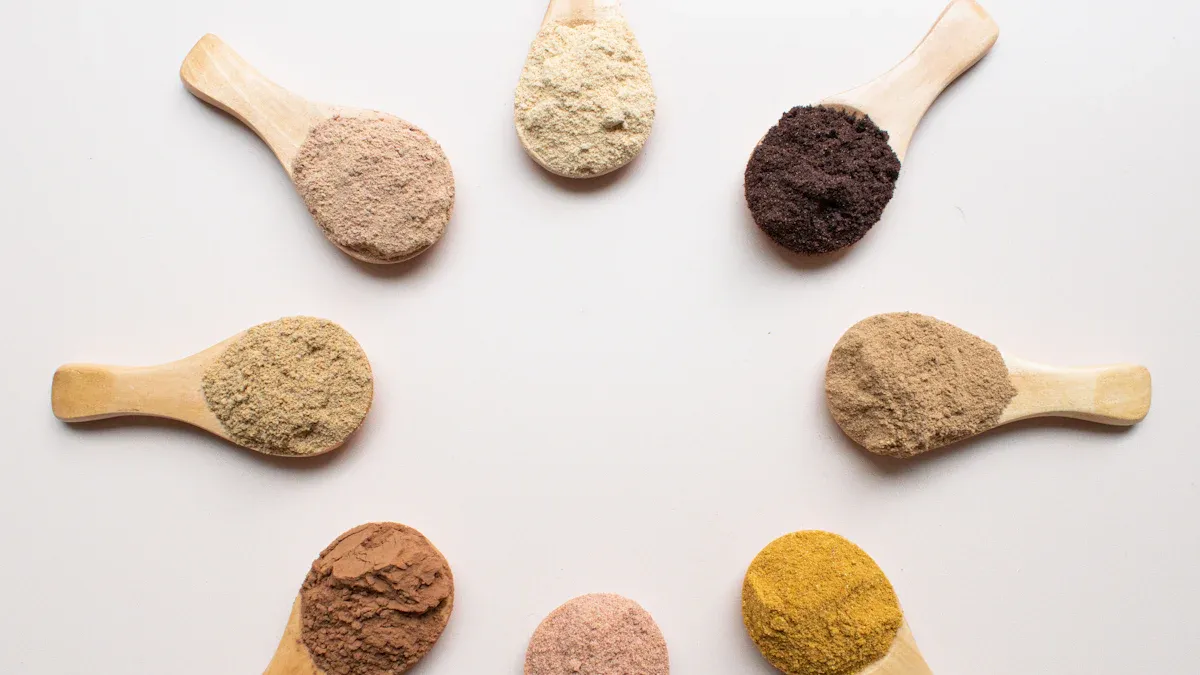
Microcrystalline Cellulose is a fine, white powder. It does not dissolve in water. But it can soak up liquids and get bigger. This helps it hold things together and make products smooth. Maltodextrin is also a white powder. It dissolves in water very easily. It does not have much taste. Maltodextrin helps things mix better and feel less gritty.
Common Uses
You can find both carriers in many things you use every day. Here are some of the main ways they are used:
Stabilizer
Emulsifier
Texturizer
Binder
Carrier
Mouthfeel improvement
Bulking agent (filler)
Fiber source
Anti-caking agent
Microcrystalline Cellulose is good for adding fiber, making texture better, or stopping things from sticking. Maltodextrin is good when you need something to dissolve fast, add bulk, or help mix flavors and nutrients.
Effectiveness
Stability of Actives
You want your actives to stay strong and not break down. Microcrystalline Cellulose helps keep actives safe because it does not react much. It makes a barrier around actives to protect them from air and water. Maltodextrin also helps with keeping actives safe, especially when used with Microcrystalline Cellulose. When you use both, maltodextrin keeps Microcrystalline Cellulose from sticking together during spray drying. This gives better safety for actives and makes the product smoother.
Here is a table that shows how these carriers help with stability:
Description | Role in Stability |
|---|---|
Maltodextrin keeps Microcrystalline Cellulose particles apart during drying. | Stops clumping and keeps actives safe. |
Using both together does not make the liquid thick. | Keeps the product easy to use and safe. |
Good spreading of Microcrystalline Cellulose helps deliver actives well. | Makes sure actives stay strong and work right. |
Solubility
Solubility means how well something mixes with water. You need to think about this when picking a carrier. Microcrystalline Cellulose does not mix with water. It stays as tiny pieces, which can help make a product feel smooth or thick. Maltodextrin mixes with water very easily. If you want your actives to mix well in drinks or powders, maltodextrin is better. When you use both, you get a balance. You get smooth texture from Microcrystalline Cellulose and easy mixing from maltodextrin.
Tip: If you want a clear drink or a powder that mixes fast, pick maltodextrin. If you want a creamy or thick feel, use Microcrystalline Cellulose.
Compatibility
You want your carrier to work well with actives and other things. Microcrystalline Cellulose does not react with most vitamins, minerals, or flavors. It fits in many formulas. Maltodextrin also works with many actives, but it can sometimes react with acids or enzymes. If you use both, you often get better results. The mix helps you avoid problems and gives a stable, smooth product.
Microcrystalline Cellulose is best for products that need to stay safe and not change.
Maltodextrin is best for products that need to mix fast or dissolve well.
Using both can give you the good parts of each, making your product work better.
Microcrystalline Cellulose in Formulations
As a Standalone Carrier
Microcrystalline Cellulose can be used alone in many products. It helps hold ingredients together as a binder. You often find it in tablets, capsules, and chewable supplements. It gives a smooth texture and keeps the product stable. It does not dissolve in water, so it keeps its shape. This helps control how fast actives are released. It can add bulk without adding calories or sugar. That makes it good for low-calorie foods and supplements.
Note: Microcrystalline Cellulose is a smart choice if you want a product that stays firm and does not fall apart.
In Combination with Maltodextrin
Mixing Microcrystalline Cellulose with maltodextrin gives even better results. This mix is a strong stabilizer. You only need a little, about 2.0-3.3%, to keep things mixed in drinks or food. The mix spreads in water easily, so you do not have to stir a lot. You can use this blend to make stable cocoa drinks or other suspensions.
The mix forms particles that do not dissolve but spread in water.
It makes a gel in water, which stops ingredients from sinking.
It can make your product feel smoother and taste better.
You use less maltodextrin, so there is less sugar.
When you use both carriers, your product is easy to use and feels smooth. It also helps keep actives stable and mixed well. This way works great in foods, supplements, and some medicines.
Tip: Use both carriers if you want a creamy drink or a powder that does not clump.
Safety and Health
Allergenicity
You may worry about allergies with these carriers. Microcrystalline cellulose and maltodextrin rarely cause allergic reactions. Most people use them without any problems. They do not have gluten, dairy, or nuts. People with sensitive diets can eat foods with these carriers.
Note: If you are allergic to corn or wheat, check the label. Most maltodextrin is cleaned well and does not have plant protein.
Digestibility
Your body handles these carriers in different ways. Microcrystalline cellulose does not break down in your stomach. It moves through your body as fiber. This helps your digestion and keeps you regular. You do not get calories from microcrystalline cellulose.
Maltodextrin breaks down fast in your body. Your digestive system turns it into glucose for energy. You get calories from maltodextrin, but it is not very sweet. If you want less sugar or calories, pick microcrystalline cellulose.
Regulatory Status
You want carriers that are safe and approved. Both microcrystalline cellulose and maltodextrin are safe to use. They are not toxic, not allergenic, and stay stable in products. Health groups around the world say they are okay.
Here is a table about their safety:
Aspect | Details |
|---|---|
Skin sensitivity | |
Toxicity | Not toxic and not allergenic |
Stability | Very stable in products |
Regulatory acceptance |
You can find these carriers in foods, supplements, and medicines everywhere. The table below shows where they are approved:
Region / Scheme | Status |
|---|---|
FDA | Approved |
EFSA | Approved |
Codex Alimentarius | Approved |
China (GB Standards) | Approved for some categories |
Halal | Available |
Kosher | Available |
Tip: Both carriers are safe and good quality. Check for Halal or Kosher if you need them.
Applications

Supplements
Microcrystalline cellulose and maltodextrin are used in many supplements. They help carry vitamins and minerals. Coconut oil and sunflower oil are also used as carriers. These oils protect fat-soluble nutrients. They do not change the taste or color. This keeps supplements fresh and easy to take.
Microcrystalline cellulose helps tablets and capsules hold together.
Maltodextrin makes powders dissolve fast in water.
Coconut oil and sunflower oil help deliver fat-soluble nutrients.
Tip: Use maltodextrin if you want a powder that mixes fast. Microcrystalline cellulose is better for tablets and capsules.
Pharmaceuticals
Microcrystalline cellulose is found in many medicines. It helps tablets stay together and break apart when swallowed. It also fills capsules and keeps the dose even. It is stable and does not react with other ingredients. This keeps medicine safe and working well.
Maltodextrin is used in oral dissolvable films. These films melt in your mouth and taste good. Maltodextrin makes the film strong and helps it dissolve quickly. Using both carriers makes tablets and films strong, stable, and easy to use.
Microcrystalline cellulose makes tablets hard and easy to dissolve.
Maltodextrin helps films bend and melt fast.
Both together make products stable, easy to take, and taste better.
Food Products
Both carriers are used in many foods. Microcrystalline cellulose adds fiber and makes food feel smooth. It stops foods from sticking together. Maltodextrin adds bulk and helps powders mix in drinks or soups. It does not change the taste much.
If you want a creamy drink or smooth sauce, use both carriers. Microcrystalline cellulose thickens and smooths. Maltodextrin helps everything mix well.
Application | Best Carrier(s) | Why Use It? |
|---|---|---|
Supplements | Microcrystalline cellulose, oils, maltodextrin | Structure, stability, fast mixing |
Pharmaceuticals | Microcrystalline cellulose, maltodextrin | Tablet strength, fast disintegration, taste |
Food Products | Microcrystalline cellulose, maltodextrin | Texture, fiber, easy mixing |
Note: Mixing both carriers gives the best texture, stability, and taste in food or supplements.
Pros and Cons
Microcrystalline Cellulose
You can count on Microcrystalline Cellulose for many reasons. It does not add calories or sugar to your product. You get a stable carrier that does not react with most ingredients. It helps your tablets or capsules stay firm and break apart when needed. You also get extra fiber, which helps your digestion.
Here are some pros:
Adds bulk without calories
Works as a binder and stabilizer
Does not dissolve in water, so it keeps shape
Safe for most people, even with allergies
Helps with regular digestion
You should also know the cons:
Does not mix well in drinks or clear liquids
Can make products feel thick or gritty if used too much
Does not give energy
Tip: Use this carrier when you want a stable, low-calorie product that needs structure.
Maltodextrin
Maltodextrin gives you a different set of benefits. It mixes fast in water and helps powders dissolve. You get a smooth texture in drinks and foods. It also helps keep products fresh for longer. Maltodextrin costs less than many other carriers.
Here is a table to help you see the main pros and cons:
Pros | Cons |
|---|---|
High glycemic index | |
Food stabilizer | Highly processed |
Longer shelf life | Potential gut disruption |
Cost-effective | Not ideal for blood sugar control |
You may want to avoid maltodextrin if you need to watch your blood sugar. Some people with sensitive stomachs may notice changes in digestion.
Note: Choose maltodextrin for products that need to dissolve quickly or when you want a smooth drink.
Decision Guide
Choosing the Right Carrier
You want to pick the best carrier for your product. Start by thinking about what your product needs. If you make tablets or capsules, microcrystalline cellulose works well. It keeps things firm and stable. If you make powders or drinks, maltodextrin helps everything mix fast and smooth. Sometimes, you get the best results by using both together.
Here are steps you can follow to choose the right carrier:
Check the safety record of each carrier. Make sure they follow all rules and have no history of problems.
Look at your own experience or ask experts about using these carriers in your type of product.
Make sure the carrier has the right licenses and meets all food or supplement laws.
Think about the tools and machines you use. Pick a carrier that works well with your equipment.
See if the carrier is easy to get in your area. You want a steady supply.
Choose a carrier known for being reliable and giving the same results every time.
Compare prices. Pick one that fits your budget but still gives good quality.
Test how the carrier mixes and feels in your product. Good customer service from suppliers helps too.
Think about the environment. Some carriers use less energy or create less waste.
Read reviews or ask others who use these carriers. Their advice can help you decide.
Practical Tips
You can use these tips to make your choice easier:
Write down your product goals. Do you want a smooth drink, a firm tablet, or extra fiber?
Test small batches with each carrier. See which one works best for taste, texture, and stability.
Ask your supplier for samples. Try mixing them in your formula.
If you want less sugar, use more microcrystalline cellulose. If you want fast mixing, use more maltodextrin.
Always check labels for allergens if you have special needs.
Keep notes on what works and what does not. This helps you improve your product over time.
Tip: The right carrier makes your product better and keeps your customers happy.
You need to pick the right carrier for your product. Microcrystalline cellulose helps things mix well and adds fiber. Maltodextrin gives you more product and keeps anthocyanins strong. If you use both, your product can feel better and last longer.
Yield Effect | Solubility Effect | Anthocyanin Retention Effect | |
|---|---|---|---|
Microcrystalline Cellulose | Moderate | High | Moderate |
Maltodextrin | High | Moderate | High |
Tip: Try both carriers in your recipe. You can make products that mix easily, stay fresh, and do what you want.
FAQ
What is the main difference between microcrystalline cellulose and maltodextrin?
Microcrystalline cellulose gives you fiber. Maltodextrin gives you fast energy. Microcrystalline cellulose does not mix into water. Maltodextrin mixes in water very fast. You use microcrystalline cellulose to make things hold their shape. You use maltodextrin to help things mix and feel smooth.
Can you use both carriers in one product?
Yes, you can use both together. This makes your product creamy and easy to mix. You also do not need as much sugar. Many companies use both to get better results.
Are these carriers safe for people with allergies?
Most people with allergies can use these carriers. They do not have gluten, dairy, or nuts. If you are allergic to corn or wheat, always check the label.
Do these carriers affect blood sugar?
Maltodextrin can make your blood sugar go up fast. Microcrystalline cellulose does not change your blood sugar. If you need to watch your sugar, pick microcrystalline cellulose.