
When you compare carrageenan vs gellan gum, you see two common food additives, each with its own special strengths. Carrageenan comes from red seaweed and helps foods stay smooth and creamy. On the other hand, gellan gum is made by bacteria, making it ideal for creating soft gels and keeping small pieces floating in food. Choosing between carrageenan vs gellan gum can significantly affect the texture and performance of your food. Look at the table below to see how each ingredient changes texture and quality:
Ingredient | |
|---|---|
Carrageenan | Makes food thicker, keeps mixtures together, improves how food feels in your mouth, stops water from leaking out, and keeps cocoa pieces mixed in. |
Gellan Gum | Creates soft, jelly-like shapes, maintains mixtures, and allows for various textures. |
Both ingredients are important in the global food market. For instance, the gellan gum market might reach USD 95.4 million by 2035, while the carrageenan market could grow to USD 1,418.7 million by 2033. Choosing the right one between carrageenan vs gellan gum helps you achieve the best results in your recipes or products.
Key Takeaways
Carrageenan comes from red seaweed. It helps make foods creamy, like ice cream and sauces. Gellan gum is made by bacteria. It is good at making firm gels. This makes it great for plant-based milks and clear desserts. Think about health when picking one. Some people get stomach problems from carrageenan. Gellan gum is usually safe for most people. Both additives do different jobs. Use carrageenan to make foods thicker. Use gellan gum to keep foods stable in acid or cold. Try using a little of each to see what works best in your recipes.
Carrageenan vs Gellan Gum Overview
What is Carrageenan?
Carrageenan comes from red seaweed. The main types of seaweed used are Eucheuma and Chondrus. The biggest producers are in the Philippines, Canada, Chile, Europe, and North Africa. To make carrageenan, people collect seaweed, dry it, and crush it. Then, they treat it with hot alkali, filter it, and make the solution stronger. This process makes different kinds of carrageenan, like refined and semi-refined.
Carrageenan is in many foods because it helps with texture and keeps things stable. It works as a thickener, stabilizer, and gelling agent. Here are some ways it is used:
Makes ice cream smooth and stops it from melting fast.
Helps ham and sausage keep water and slice better.
Makes jellies stretchy and keeps water from leaking out.
Makes fruit wines and beers clear.
Gives candies a smooth feel and keeps them from sticking.
Helps canned fish and meat stick together.
Keeps pieces floating in fruit juices and cocoa drinks.
Adds fiber to foods.
Carrageenan is popular because it comes from plants. It is good for vegans and vegetarians. Many people use it instead of gelatin.
Carrageenan is also in dietary supplements and helps in food factories. But, some people worry about health risks, so they may not choose it.
What is Gellan Gum?
Gellan gum is made by fermenting sugars with a bacterium called Sphingomonas elodea. Companies like CP Kelco, Cargill, and Ingredion make most of the gellan gum in the world. To make it, they pick the right bacteria, ferment sugars, and clean the final product.
Gellan gum is in many foods because it makes strong gels, even when you use a little. It is a thickener, stabilizer, and gelling agent. Here are some main uses:
Helps pie fillings and puddings hold their shape.
Keeps mixtures with starches stable.
Makes more cheese and keeps protein from being lost.
Improves texture and lowers oil in fried foods.
Gels dairy foods, desserts, and drinks.
Gellan gum is great for plant-based milks, juices, and chocolate milk. It is also in candies, marshmallows, and processed cheese. Food makers like gellan gum because it works in hot and cold water. It also stays stable in sour foods.
More people want gellan gum because they want plant-based diets and natural food additives.
Comparing Carrageenan vs Gellan Gum
You might wonder how carrageenan and gellan gum are different in foods. The table below shows some main differences:
Property | Gellan Gum | Carrageenan |
|---|---|---|
Gelling Properties | Gels at lower concentration, forms firm, brittle gels | Forms softer, more elastic gels |
Solubility | Soluble in hot and cold water | Requires heat to dissolve |
Stability | More stable under acidic conditions | More stable under alkaline conditions |
Applications | Used in dairy products and jellies | Used in water-based products like beverages |
Food makers compare carrageenan and gellan gum because each one is good for different things. You need to think about how they handle heat, cold, acid, and pH before choosing. People also think about health risks and their own needs when picking one.
Sources and Production
Carrageenan Source and Extraction
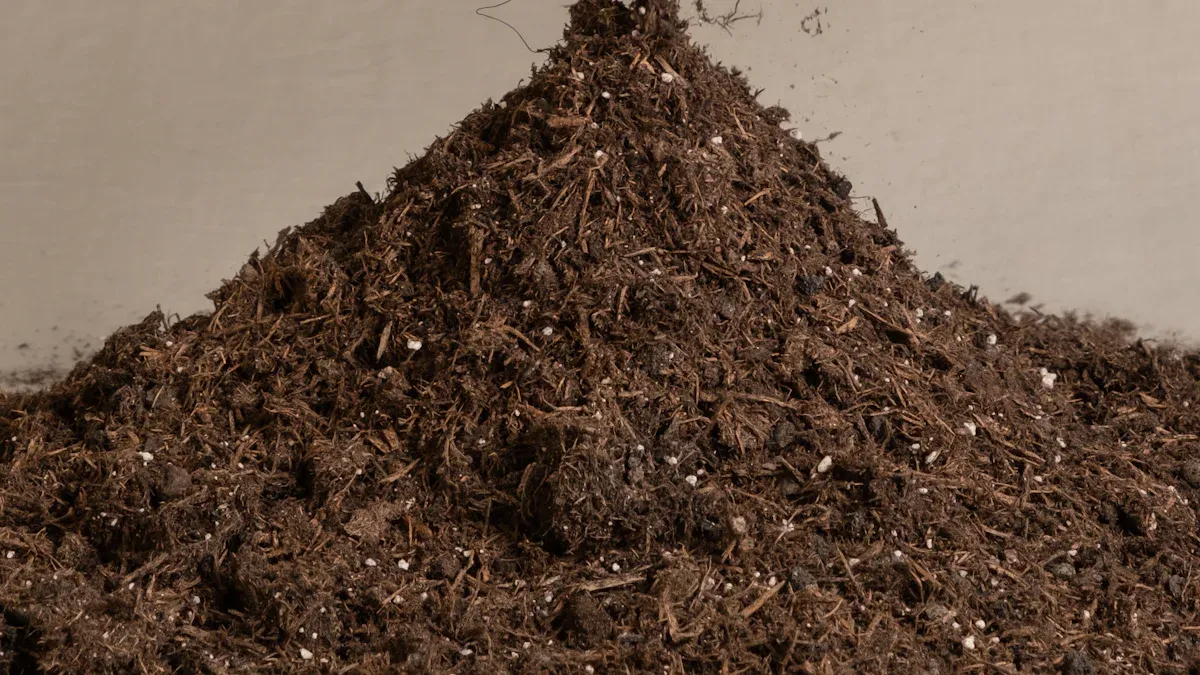
Carrageenan is found in red seaweed from the ocean. Companies use seaweed like Eucheuma and Chondrus because they have a lot of carrageenan. The way companies get carrageenan is careful so it stays clean and safe for food.
Here is how carrageenan is made:
Workers get dried seaweed and check it for water and dirt.
They wash the seaweed to get rid of salt, sand, and sea animals.
The seaweed goes into hot water with alkali to pull out carrageenan.
The liquid is separated from the solid parts by filtering or spinning.
The liquid is made thicker by taking out water, and the pH is changed.
Carrageenan is taken out, usually with alcohol, then dried and ground up.
This process makes sure carrageenan is safe for food. Each step helps clean it and makes it good quality.
Gellan Gum Source and Production
Gellan gum is made by bacteria, not plants. Two main bacteria are used: Sphingomonas paucimobilis and Pseudomonas elodea. These bacteria make gellan gum when they ferment.
The steps to make gellan gum are:
Grow starter bacteria in a rich food mix.
Move them to a simple mix for making gellan gum.
Let the bacteria grow with air.
These steps help make gellan gum that works in many foods. Gellan gum is made by controlled fermentation, so it is easy to make a lot at once.
When you look at carrageenan and gellan gum, you see they come from different places. Carrageenan comes from seaweed and uses extraction. Gellan gum comes from bacteria and uses fermentation. Both ways make safe and useful ingredients for food and other things.
Properties and Efficiency
Gelling and Thickening Power
When you look at carrageenan and gellan gum, you see they work differently in food. Gellan gum makes strong, firm gels even if you use a small amount. You can make clear, hard gels or soft, stretchy ones with it. How you mix gellan gum changes the texture. This is why people use gellan gum for foods that need a certain feel, like dessert gels or fruit pieces.
Carrageenan is good for making foods thick and smooth. It helps dairy foods stay creamy and keeps mixtures together. Carrageenan does not make gels as hard as gellan gum. But it gives food a nice feel in your mouth. You find carrageenan in ice cream, chocolate milk, and meats. You need heat to mix carrageenan, so it is used in hot foods.
Usage Levels and Versatility
You must know how much of each ingredient to use. The table below shows the best amount of gellan gum for different foods:
Food Product | Optimal Usage Level |
|---|---|
Pie fillings and puddings | Partly replace starches |
Confectionery products | Reduces set time to 10–12h |
Dessert gels | Around 0.3% gellan gum |
Jams | About 0.4% gellan |
Fabricated fruit pieces | 0.7% gellan |
Dairy products | 250–750 ppm |
Ice cream | Effective bulking agent |
Gellan gum is special because you can use it in many ways. It makes both hard and soft textures. It stays the same in hot or cold foods. It can dissolve in hot or cold water. Gellan gum also works well in sour foods like fruit juice.
Carrageenan is not as flexible. It needs heat to dissolve. It does not work well in sour foods. Pick gellan gum if you want more choices for texture and stability, especially in cold or sour foods.
Tip: Try small amounts first to see what texture you like best.
Safety and Regulation
Health Concerns and Research
When people use food additives, safety is very important. Some people worry about carrageenan and how it affects health. Studies say carrageenan might cause swelling and stomach problems. You could feel bloated or have signs of irritable bowel disease. Some people also worry it might be linked to colon cancer.
Here is a summary of what research says about carrageenan:
Findings | Implications |
|---|---|
Systematic local and toxic effects in 2 weeks of oral exposure | Indicates potential toxicity of food-grade carrageenan |
Infiltration of macrophages into the small intestine | Suggests inflammation caused by carrageenan |
High levels of blood inflammation and cell death in rats | Raises concerns about carrageenan’s safety in food |
Indicates potential risk for human health | |
Facilitated apoptosis and inflammation of colonic cells | May contribute to gastrointestinal issues |
Some people say they get stomach pain after eating foods with carrageenan.
Gellan gum is different when it comes to safety. Most studies say gellan gum is safe to eat. Even if you eat a lot, it does not seem to hurt you. Your body does not take in gellan gum. If you eat too much, you might get a mild laxative effect.
Finding | Details |
|---|---|
Safety Conclusion | Gellan gum is generally considered safe with no significant health concerns reported. |
Acceptable Daily Intake (ADI) | No numerical ADI needed; up to 200 mg/kg body weight per day is safe. |
Absorption | Gellan gum is unlikely to be absorbed intact by the body. |
Toxicity | Low acute toxicity; possible laxative effects at high intakes. |
You should remember that new studies can change what we know about these ingredients.
Regulatory Status
It is important to know if you can use food additives where you live. Carrageenan and gellan gum are allowed in many countries, but the rules are not always the same.
Region | Carrageenan Status | Gellan Gum Status |
|---|---|---|
United States | Approved as a food additive under FDA 21 CFR § 172.620 | Approved by FDA as a food additive |
European Union | Designation E407 (refined) or E407a (semi-refined/PES) | Approved by EFSA; included in re-evaluation of gelling agents |
Canada | Permitted additive with application-specific conditions | Permitted additive with application-specific conditions |
Australia | Permitted additive with application-specific conditions | Permitted additive with application-specific conditions |
New Zealand | Permitted additive with application-specific conditions | Permitted additive with application-specific conditions |
Asia | Permitted additive with application-specific conditions | Permitted additive with application-specific conditions |
India | Permitted additive under FSSAI regulations | Permitted additive under FSSAI regulations |
Always check your country’s food laws before using these additives.
When you look at carrageenan and gellan gum, you see both are used in many places, but you should keep up with new research and changing rules.
Advantages and Disadvantages
Carrageenan Pros and Cons
Carrageenan is good at making foods thick and smooth. It helps keep mixtures together and makes food last longer. You can use it in dairy, meats, and desserts.
Here is a table that shows the main good and bad points:
Advantages of Carrageenan | Disadvantages of Carrageenan |
|---|---|
Excellent gelling properties | |
Thickening agent for many products | Digestive issues like bloating |
Stabilizes texture and shelf life | Debated links to colon cancer and IBD |
Carrageenan can make food look and feel better, but there are some health concerns. Some people say they feel bloated or have stomach pain after eating it. Scientists are still studying if it causes swelling or colon problems.
If you want a plant-based thickener, carrageenan is a common choice. Always see how your body feels and check for new research.
Gellan Gum Pros and Cons
Gellan gum is helpful if you want clear gels or need to keep pieces floating in drinks. You only need a little bit for it to work well. It stops liquids from separating, so food stays looking nice.
Here is a table to compare the main features:
Features | Critical Remarks |
|---|---|
Thermoreversibility | Gels melt with heat, so you can change textures easily |
Low concentration needed | Works well even in small amounts, saving you money |
Resistance to syneresis | Gels do not leak water, keeping food stable |
Clarity | Makes clear gels for see-through foods |
Film-forming ability | Useful for making thin coatings or capsules |
Texture sensitivity to ions | Gel texture can change if you add certain salts |
Limited familiarity | Not as well-known as other thickeners |
Cost | Sometimes costs more than other options |
Gellan gum is safe for most people and does not usually cause stomach problems. It can cost more and may react with minerals in your recipe. If you want a clear and steady gel, gellan gum is a good choice.
If you have not used gellan gum before, try a small amount first. You will see how it changes the way your food feels and looks.
Applications Compared
Food and Beverage Uses
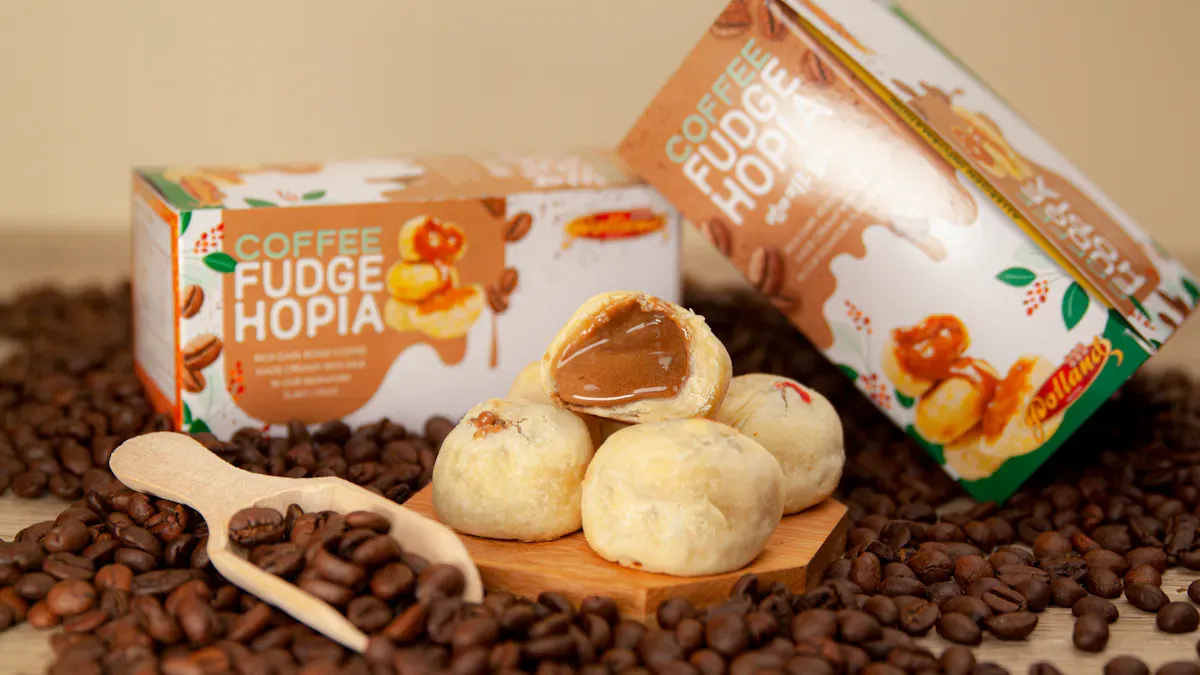
Carrageenan and gellan gum are in lots of foods and drinks. Each one is better for certain recipes. Carrageenan makes chocolate milk smooth and keeps pudding thick. It is in ice cream to stop ice crystals from forming. Meat products use carrageenan to hold water, so slices stay juicy and easy to cut. Vegan cheeses and plant-based drinks use carrageenan for structure. Candy makers use it to make gummies and soft gels chewy.
Gellan gum is good for foods that need a firm or clear gel. It keeps fruit pieces floating in drinks and helps make dessert gels. You can use it in plant-based milks to stop them from separating. Gellan gum also helps jams and pie fillings keep their shape.
Here is a table that shows how you might use each one:
Application Category | Carrageenan Applications | Gellan Gum Applications |
|---|---|---|
Dairy Products | Chocolate milk, puddings, ice cream | – |
Meat Products | Improves water retention, sliceability, juiciness | – |
Plant-Based Alternatives | Vegan cheeses and beverages for structure | – |
Confectionery | Enhances texture in soft gels and gummies | – |
Tip: Try both ingredients in your recipes to see which texture you like best.
Non-Food Uses
Carrageenan and gellan gum are not just for food. In medicine, they help mix cough syrups and keep ingredients even. They help make plant-based capsules that hold medicine. In cosmetics, these ingredients thicken lotions and creams, making them smooth and stable. Toothpaste uses them to stay creamy and easy to squeeze.
Here is a table that shows some non-food uses:
Industry | Application |
|---|---|
Pharmaceuticals | Used as an excipient in cough syrups and liquid medications to suspend active ingredients. |
Essential in the production of plant-based capsules, aiding in formation and stability. | |
Cosmetics | Valued for emulsifying and thickening properties, enhancing stability and texture in skincare. |
Contributes to the consistency and smoothness of toothpaste formulations. |
When you compare carrageenan and gellan gum, you see both are important in food and other products. Your choice depends on what you want your product to do.
Choosing Between Carrageenan and Gellan Gum
Factors to Consider
You should think about a few key things before picking an ingredient. Safety, how much you need, price, and what people think are all important. You want your food to taste good and feel nice. It also needs to be safe for everyone.
Factor | Carrageenan | Gellan Gum |
|---|---|---|
Might cause gut swelling; safe if used in small amounts. | No gut swelling reported; seen as safer by most people. | |
Dosage Requirements | Needs more in recipes to work well. | Makes strong gels, so you use less for the same result. |
Regulatory Attitude | E407, being checked again because of safety worries. | E418, approved in many places with no limits. |
Think about price and how easy it is to get each one. Gellan gum costs more than carrageenan. Carrageenan is easier to find because seaweed grows in lots of places. Gellan gum is made by bacteria, so it costs more to make.
Strength | Weakness |
|---|---|
Wanted by food makers | Costs a lot to produce |
Used in many foods | Not many raw materials |
More natural food choices | Tough rules for making it |
What people think matters too. Many want natural ingredients and simple labels. Some worry about carrageenan and health. Gellan gum is newer, so not many know about it, but it is seen as safe.
You should also think about these things:
Rules from the government can change what you use.
How much it costs to make affects your price.
What people like and health trends change what they buy.
Tip: Always check new food rules and listen to your customers.
Application-Based Recommendations
Pick the ingredient that fits your product and how you make it. Carrageenan works well in dairy, meats, and desserts. Gellan gum is best for plant milks, clear gels, and foods that need to stay stable in acid or cold.
Hydrocolloid | Characteristics | Price Range |
|---|---|---|
Carrageenan | Gelling agent, used in many foods, often mixed with locust bean gum | < US$1/kg |
Gellan Gum | Thickener, used in blends for better texture | ~US$12/kg |
Xanthan Gum | Used more for making foods thicker | ~US$12/kg |
You can mix hydrocolloids to get the best texture. Carrageenan often mixes with locust bean gum for stronger gels. Gellan gum blends with other gums for better thickness and stability. Xanthan gum or guar gum can make foods thicker.
Mixing hydrocolloids is common in food making.
Non-gelling hydrocolloids are mixed to get the right texture.
Examples are xanthan gum with guar gum for thicker foods.
Pick the right ingredient for your food:
Gums, emulsifiers, and stabilizers help control water and make dairy and plant foods thick.
They keep yogurt and plant milks smooth and moist.
Hydrocolloids keep texture and mouthfeel the same during shelf life.
For candy, you can use plant-based ingredients for vegan gummies and chocolates. SweetPearl® maltitol adds sweetness and bulk for sugar-free treats. CLEARGUM® starches help make new textures in candies without gelatin. NUTRALYS® pea protein lets you make plant cocoa treats like milk chocolate.
Hydrocolloids like gums, emulsifiers, and stabilizers improve quality and texture in dairy and non-dairy foods.
Common thickeners are starch, xanthan, guar gum, and locust bean gum.
Faba bean protein can help plant creamers stay stable.
You need to know about different gelling polysaccharides, like agar, pectin, and alginate. Carrageenan vs gellan gum is a big choice for many recipes. Carrageenan often mixes with locust bean gum to make gels stronger, which is important for some foods.
Note: Try small batches first to see how each ingredient changes your food. Change blends and amounts for the best results.
You can find both differences and things in common between carrageenan and gellan gum in this table:
Feature | Carrageenan | Gellan Gum |
|---|---|---|
Origin | Red seaweed | Bacteria (Sphingomonas elodea) |
Main Uses | Food thickener, foam, polish | Vegan gummies, non-dairy milks |
Health | Linked to gut issues in animals | No major effects in humans |
Carrageenan is good for making foods creamy. Gellan gum works well for clear gels or plant-based drinks. Always pick ingredients that are safe so your food is high quality and safe to eat.
FAQ
What is the main difference between carrageenan and gellan gum?
Carrageenan comes from red seaweed. Gellan gum comes from bacteria. You use carrageenan for creamy textures. You use gellan gum for firm or clear gels. Both help foods stay stable.
Can you use carrageenan and gellan gum in vegan recipes?
Yes, you can. Both ingredients are plant-based and do not contain animal products. You can use them to make vegan cheeses, desserts, and drinks.
Are carrageenan and gellan gum safe to eat?
Most people can eat both safely. Some people report stomach discomfort with carrageenan. Gellan gum rarely causes problems. You should check food labels if you have concerns.
Which one works better in plant-based milks?
Gellan gum works better in plant-based milks. It keeps the drink smooth and stops separation. You can use carrageenan, but gellan gum gives a more stable result.