You might ask what makes pectin vs gelatin different. Pectin is derived from plants, while gelatin comes from animals. If you are vegan or vegetarian, you will choose pectin, as it fits your dietary needs. Many people prefer pectin because it contains fiber and has a clean label. Both pectin and gelatin can alter the texture and setting of recipes. Choosing between pectin or gelatin can significantly impact the appearance and flavor of your desserts.
Key Takeaways
Pectin comes from plants. This makes it good for vegans and vegetarians. Gelatin comes from animals.
Pectin needs sugar and acid to gel. Gelatin sets when it gets cold. Pick the one your recipe needs.
Pectin makes food firm. It is great for jams and jellies. Gelatin gives a soft and bouncy feel. It works well in creamy desserts.
Think about diet rules when you pick pectin or gelatin. Pectin is usually safer for many diets.
Try both gelling agents in your recipes. You can find new textures and flavors for your food.
What Are Pectin and Gelatin?
Pectin Definition
Pectin is a type of complex sugar found in plant cell walls. It is made mostly of galacturonic acid, which comes from galactose. About 65% of pectin is D-galacturonic acid. Its full name is rhamno-galacturonic acid. When rhamnose is added, the chain bends and is not straight. Many rhamnose parts have small chains of sugars like arabinose, galactose, or xylose.
Pectin is inside the cell walls of plants. It helps plants stay firm and keep their shape. People use pectin in food to make jams and jellies thick.
Gelatin Definition
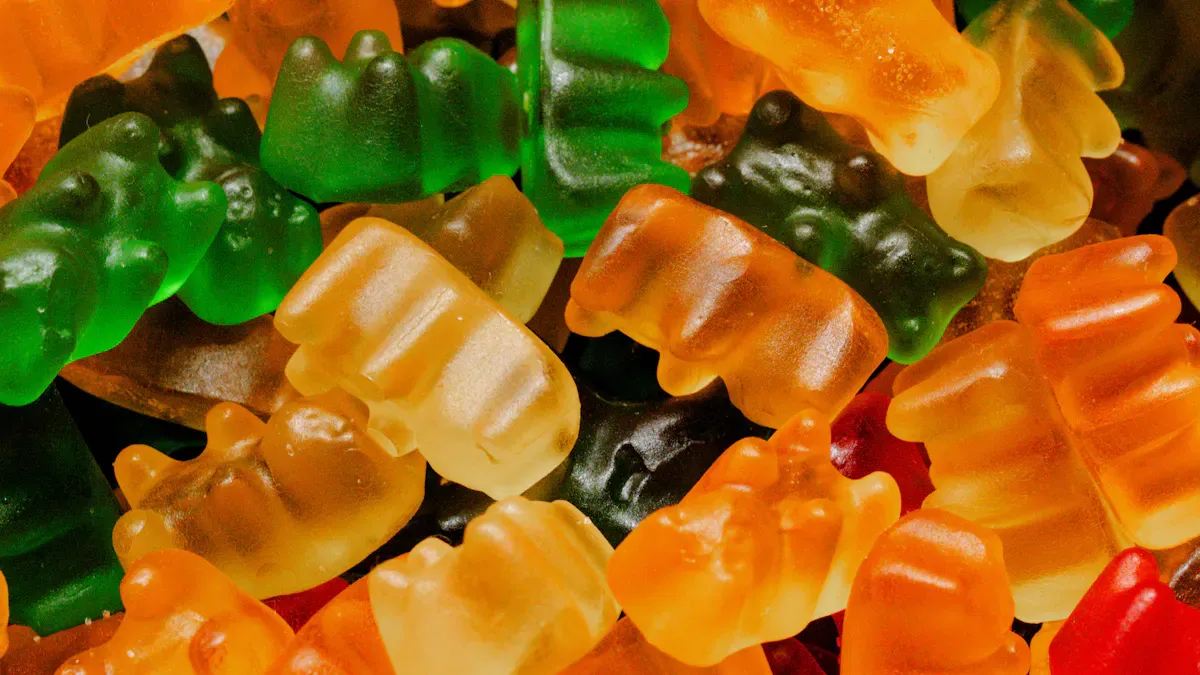
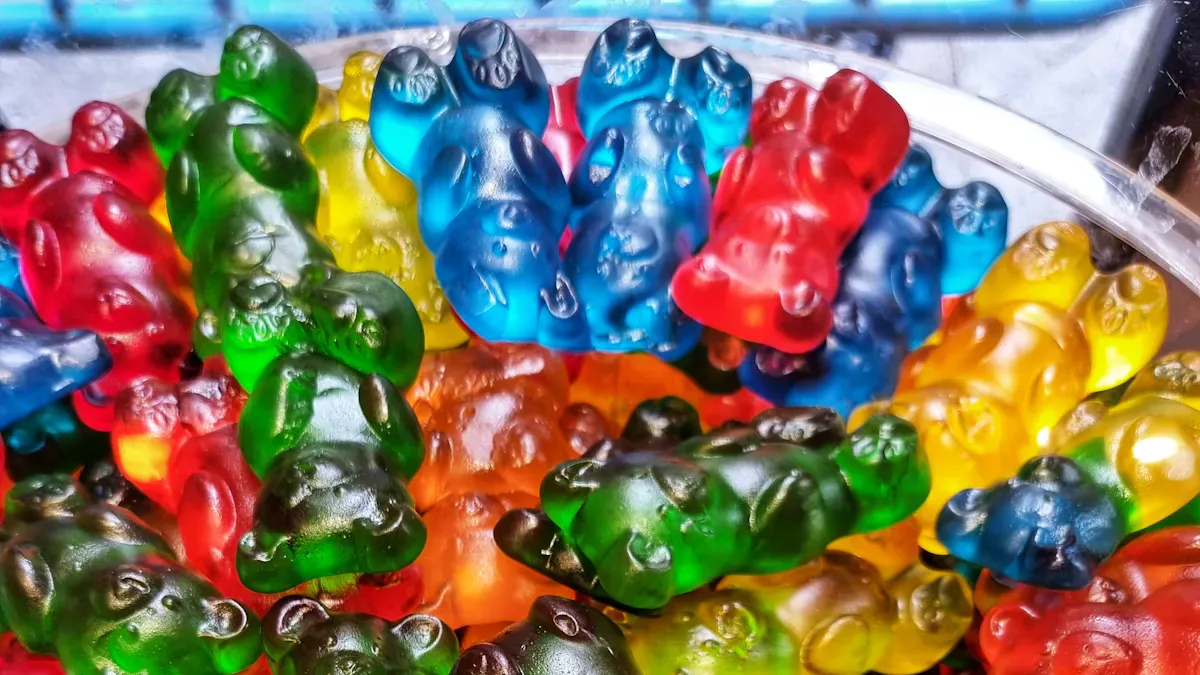
Gelatin is a protein that comes from collagen. Collagen is found in animal skin, bones, and tissues. Gelatin has many amino acids, which are parts of protein. People use gelatin to make gummy candies and marshmallows. It is also used in some creamy desserts. When you mix gelatin with water, it forms a gel. This makes foods smooth and bouncy.
Origins
Pectin and gelatin come from different places. Pectin comes from plants. The main sources of pectin are:
Apple pomace
Citrus peel
Sugar beet
Sunflower heads
Gelatin comes from animals. The main sources of gelatin are:
Pork skins
Cattle bones
Split cattle hides
Fish by-products
You get pectin from fruits and vegetables. You get gelatin from animal parts like skin and bones. This is important for people who do not eat animal products. If you want a plant-based choice, you can use pectin. If you are okay with animal products, you can use gelatin for its special texture.
Pectin vs Gelatin: Key Differences
Source and Composition
Pectin and gelatin are not the same. They come from different places. Pectin is from plants like apples and citrus fruits. Gelatin comes from animal skin and bones. This is important for people with special diets. If you are vegan, vegetarian, kosher, or halal, you need to know this.
These choices do not have animal products. They work for vegan, vegetarian, kosher, and halal diets.
Making pectin is harder than making gelatin. Pectin needs careful steps. It does not like too much heat or water. Gelatin is easier to make. It does not need as much control. Here is a table that shows how they are different:
Factor | Gelatin | Pectin |
|---|---|---|
Manufacturing difficulty | Moderate | Higher |
Process sensitivity | Lower | Higher |
Texture | Soft, elastic chew | Firmer, snappier bite |
Heat resistance | Lower | Higher |
Moisture sensitivity | Moderate | High |
Vegan compatibility | No | Yes |
Gelling Properties
Pectin and gelatin set in different ways. Pectin needs sugar and acid to gel. Gelatin only needs to get cold. You can see the differences in this table:
Gelling Agent | Sugar Requirement | Additional Requirements | Setting Time |
|---|---|---|---|
Pectin | Yes | Acid or Calcium Ions | Minutes |
Gelatin | No | Temperature Change | 2 to 24 hours |
Pectin works best when you heat it up high. The best temperature is 217-222°F. This helps pectin stick together and gel. If you cook it too long, it will not set. Gelatin needs to cool slowly. If you cool it too fast, the gel will be weak.
Texture in Foods
Pectin and gelatin make foods feel different. Gelatin makes food soft, bouncy, and chewy. It melts in your mouth and feels smooth. Pectin makes food firm and gives a clean break. It does not stretch or bounce. Here is a table to show how they feel:
Ingredient | Mouthfeel Description | Elasticity | Texture Characteristics |
|---|---|---|---|
Gelatin | Melt-in-your-mouth | High | Chewy, bouncy |
Pectin | Short bite | None | Clean break, brittle |
Gelatin melts at body temperature. This makes desserts like jelly and panna cotta creamy and smooth.
Pectin makes a firmer gel. You see this in jams and jellies. They hold their shape and break cleanly.
Setting Time
Pectin and gelatin set at different speeds. Pectin sets fast, in just a few minutes. Gelatin takes much longer. It can take 2 hours or even a whole day in the fridge.
Pectin needs high heat to set. The best temperature is 217-222°F. If you go higher, pectin can break down and not gel.
Gelatin needs slow cooling. If you rush it, the gel will not be strong. For best results, let gelatin desserts chill in the fridge for 24 to 36 hours.
Dietary Suitability
You should think about your diet when you pick pectin or gelatin. Gelatin is from animals. Some people do not eat it for religious, ethical, or allergy reasons.
Dietary Group | Reason for Avoiding Gelatin |
|---|---|
Vegetarians | |
Vegans | Animal-derived origins of gelatin |
Individuals with allergies | Allergic reactions to gelatin |
Pectin is from plants. You can use it if you are vegan, vegetarian, kosher, or halal.
These choices do not have animal products. They work for vegan, vegetarian, kosher, and halal diets.
If you want to make dessert for many diets, pectin is usually safer.
When to Use Each
Recipe Compatibility
You need to pick the right gelling agent for your recipe. Pectin works best for jams and jellies. It is also good for fruit preserves. Gelatin is better for creamy desserts and chewy candies. Look at this table to see the differences:
Recipe Name | Main Ingredient | Type of Gelling Agent | Notes |
|---|---|---|---|
Easy Rhubarb Jam | Rhubarb | Gelatin | Uses strawberry-flavored gelatin. |
Rhubarb Mint Jelly | Rhubarb | Pectin | Uses powdered pectin for jelly consistency. |
Rhubarb Strawberry Jelly | Rhubarb, Strawberries | Pectin | Uses commercial pectin for jelly. |
If you want jam that spreads easily, use pectin. Gelatin can make jam too firm. It might melt when you try to spread it. For creamy desserts like panna cotta or marshmallows, gelatin gives a smooth and bouncy feel.
Texture Preferences
Think about what texture you want in your food. Pectin gives a clean bite that is not chewy. It does not stretch. Gelatin makes desserts chewy and elastic. Many people like gelatin for gummies and marshmallows. These treats feel fun and bouncy. Pectin is better for fruit chews and candies that need to snap.
Pectin: Clean bite with little chewiness.
Gelatin: Tough first bite, elastic, and very chewy.
Chefs use pectin for candies that must keep their shape. They use gelatin for treats that should stretch and bounce.
Shelf Stability
You should also think about how long your food will last. Pectin-based preserves stay firm at room temperature. You can keep them in your pantry for months. Gelatin-based desserts need to stay cold. They melt if it gets warmer than 95°F (35°C).
Property | Pectin-Based Preserves | Gelatin-Based Desserts |
|---|---|---|
Stability at Room Temp | Firm and stable | Needs refrigeration |
Sensitivity to Temp | Less sensitive |
If you want to store your food for a long time, use pectin. Gelatin is best for desserts you eat soon after making.
Use this guide to help you choose between pectin and gelatin. Think about the texture, how you will store it, and what dessert you want.
Substitution Tips
Swapping Pectin and Gelatin
You might want to swap pectin for gelatin or the other way around. This can be tricky. Each gelling agent works in a special way. Here are some common challenges you may face:
Texture changes. Pectin makes a firmer and more brittle gel. Gelatin gives a soft, elastic feel.
Setting process. Gelatin cannot handle the high heat needed for jams. It will not set well if you try to use it in a jam recipe.
Recipe needs. Each gelling agent has its own rules. If you swap them without adjusting the recipe, you may not get good results.
Swapping gelatin for pectin in a jam recipe hits an immediate wall: gelatin can’t survive the high-temperature cooking jam requires, and it doesn’t produce the firm, spreadable set that makes jam function as jam. A product that seems set when you pull it from the fridge will turn watery on the counter. It won’t work. Going the other direction, replacing gelatin with pectin in a mousse or chilled dessert, is more workable, but the texture will be noticeably different. Pectin gels are firmer and more brittle. They don’t melt at body temperature.
What to Expect
When you substitute pectin for gelatin, you will notice changes in your food. The table below shows what you can expect:
Aspect | Pectin | Gelatin |
|---|---|---|
Texture | Firmer, slightly brittle | Softer, smooth, elastic |
Stability | Holds shape at room temp | Needs refrigeration |
Mouthfeel | Snaps when cut | Melts at body temperature |
Pectin creates a gel that holds its shape even at room temperature. It feels firm and snaps when you cut it.
Gelatin gives a soft, smooth texture. It melts in your mouth and needs to stay cold.
You will notice a big difference in how your dessert feels and tastes.
Advice for Success
You can still try to substitute if you follow some tips:
Test the amount of pectin you use. There is no perfect ratio for swapping pectin and gelatin.
Learn what pectin needs to work. It often needs sugar and acid to set.
Try making your own pectin at home. You can boil apple peels and cores with water and acid to create a natural pectin.
Tip: Always read your recipe carefully. Make small test batches before making a big batch for a party or event. This helps you avoid surprises.
If you understand these tips, you can experiment and find what works best for your recipes.
You have learned how pectin and gelatin are not the same. Look at this table for a quick summary:
Feature | Pectin (Plant) | Gelatin (Animal) |
|---|---|---|
Texture | Firm and stays solid at room temp | Soft and melts when warm |
Setting Needs | Needs sugar and acid or calcium | Needs heat and cold |
Dietary Suitability | Good for vegan, vegetarian, kosher, halal | Not good for these diets |
Try using both in your cooking. Pick the one that fits your recipe and diet. Each one makes your food unique!
FAQ
Can you use pectin and gelatin in the same recipe?
Yes, you can use both in one recipe. You get a unique texture by combining them. Pectin gives firmness. Gelatin adds a soft, bouncy feel. Try small batches first to see what you like.
Is pectin healthier than gelatin?
Pectin contains fiber from plants. Gelatin provides protein from animals. You choose based on your nutrition needs. Both can fit into a healthy diet. Check your recipe and dietary goals.
Why did my gelatin dessert not set?
You may not have used enough gelatin. You might have added hot liquid too quickly. Always dissolve gelatin in warm water first. Chill your dessert for several hours for best results.
Does pectin change the taste of food?
Pectin has little flavor. You will not notice a taste in most recipes. It lets fruit flavors shine in jams and jellies.
Can you freeze foods made with pectin or gelatin?
Tip: You can freeze pectin-based jams. They keep their texture well. Gelatin desserts do not freeze well. They may become watery when thawed.