You want to find out which preservative is better for your food or drink. Potassium Sorbate vs Sodium Benzoate depends on a few important things. For drinks, you should think about:
How likely germs are to grow
How long you want it to last
Rules about how much you can use
Price and how easy it is to get
Potassium sorbate usually stops yeast and mold. Sodium benzoate works more on bacteria. Each preservative has good and bad points. You should pick the one that fits your product best.
Key Takeaways
Pick Sodium Benzoate for foods and drinks that are acidic. It works best when the pH is under 4.5. This helps stop bacteria from growing.
Use Potassium Sorbate in foods that need to stop yeast and mold. It is good for baked goods and dairy products.
You can use both preservatives together. This gives better protection from yeast, mold, and bacteria.
Always test your product’s pH before you pick a preservative. This helps make sure it works well.
Follow safety rules and daily limits. This keeps your food and drinks safe to eat and drink.
Potassium Sorbate vs Sodium Benzoate: Quick Answer
When you look at Potassium Sorbate and Sodium Benzoate, you see they work best in different ways. You need to check your product’s pH, what germs you want to stop, and how much protection you need. Here is a simple guide to help you pick.
Which Is More Effective?
You want your food or drink to stay fresh and safe. Potassium sorbate stops yeast and mold from growing. Sodium benzoate fights bacteria, especially in drinks that are more acidic. You get the best results when you use the right preservative for your product.
Sodium benzoate works best when the pH is below 4.5. It protects against many types of germs.
Potassium sorbate works up to pH 6.5. It mainly stops yeast and mold, and works better as the pH gets lower.
Tip: If you want to stop both yeast and bacteria, you can use both preservatives together.
Here is what scientists have found:
Study/Source | Findings |
|---|---|
FAO | Potassium sorbate works against yeasts, molds, and some bacteria. It is used in many foods. |
Yigit (2007) | Potassium sorbate stops fungi in fermented foods with pH near 4.5. |
Özdemir (2012) | No harmful genetic effects were found for potassium sorbate and sodium benzoate in foods. |
Both preservatives are used a lot in food. They help stop spoilage from yeast, mold, and bacteria. Using both can give stronger protection.
Which Is Safer?
You want your food to be safe for everyone. Both preservatives are not very toxic and are allowed by food safety groups. You must use them in safe amounts.
Here is a safety chart:
Substance | Safety Profile | Acceptable Daily Intake (ADI) | LD50 Value | Potential Risks |
|---|---|---|---|---|
Potassium Sorbate | Not very toxic, breaks down fast, does not build up in the body | 0 – 25 mg/kg (sorbic acid) | 10.5 g/kg | Can slow bone growth, may cause allergies, kidney and liver risks if used too much |
Sodium Benzoate | Safe but can have side effects with some other things | 5 mg/kg | N/A | Can make benzene with vitamin C and heat or light, may cause allergies |
Both are safe if you use the right amount. Potassium sorbate has a higher safe daily limit. Sodium benzoate can make benzene if mixed with vitamin C and heated or put in light. You should not use too much of either one.
Summary Table: Key Features
Here is a simple chart to compare Potassium Sorbate and Sodium Benzoate:
Feature | Potassium Sorbate | Sodium Benzoate |
|---|---|---|
Effectiveness | Yeast, mold, some bacteria | Bacteria, yeast, mold |
pH Range | Up to 6.5 | Below 4.5 |
Target Microbes | Yeast, mold | Bacteria, yeast, mold |
Solubility | High | High |
Taste Impact | Minimal | Can add slight taste |
Safety | Low toxicity | Safe, but can form benzene |
Typical Use | Juices, wines, baked goods | Sodas, acidic drinks |
Note: Always check your product’s pH before picking a preservative. If your drink is very acidic, sodium benzoate is best. If you want to stop yeast and mold, potassium sorbate is a good pick.
You can use Potassium Sorbate or Sodium Benzoate to keep your food and drinks safe. You get the best results when you use the right one for your product and follow safety rules.
What Is Potassium Sorbate?
How It Preserves Food and Drinks
Potassium sorbate helps keep food and drinks from going bad. It stops yeast and mold from growing. It fights germs in two main ways. First, it breaks the cell wall of the germ. Second, it blocks enzymes that germs need to live. When you add potassium sorbate, your food and drinks stay safe from spoilage.
Here is a table that explains how potassium sorbate works:
Mechanism | Description |
|---|---|
Disruption of cell membrane | Potassium sorbate breaks the cell wall of germs. This makes the cell burst and die. |
Inhibition of metabolic enzymes | It stops important enzymes in germs. This keeps them from growing and making more germs. |
You can use potassium sorbate in many foods. It works well in cheese, wine, and yogurt. You also find it in dried meats and fruits. Soft drinks and baked goods use potassium sorbate to stay fresh longer.
Tip: Potassium sorbate works best when the pH is below 6.5. It is most useful in foods that are acidic.
Typical Uses
Potassium sorbate is found in many foods and drinks. It helps keep them safe and makes them last longer. Here are some common foods that use it:
Dairy foods like cheese, yogurt, and sour cream
Baked foods such as bread, cakes, and pastries
Drinks like wine, fruit juice, and soda
Jams and jellies
Processed meats like sausages and dried meats
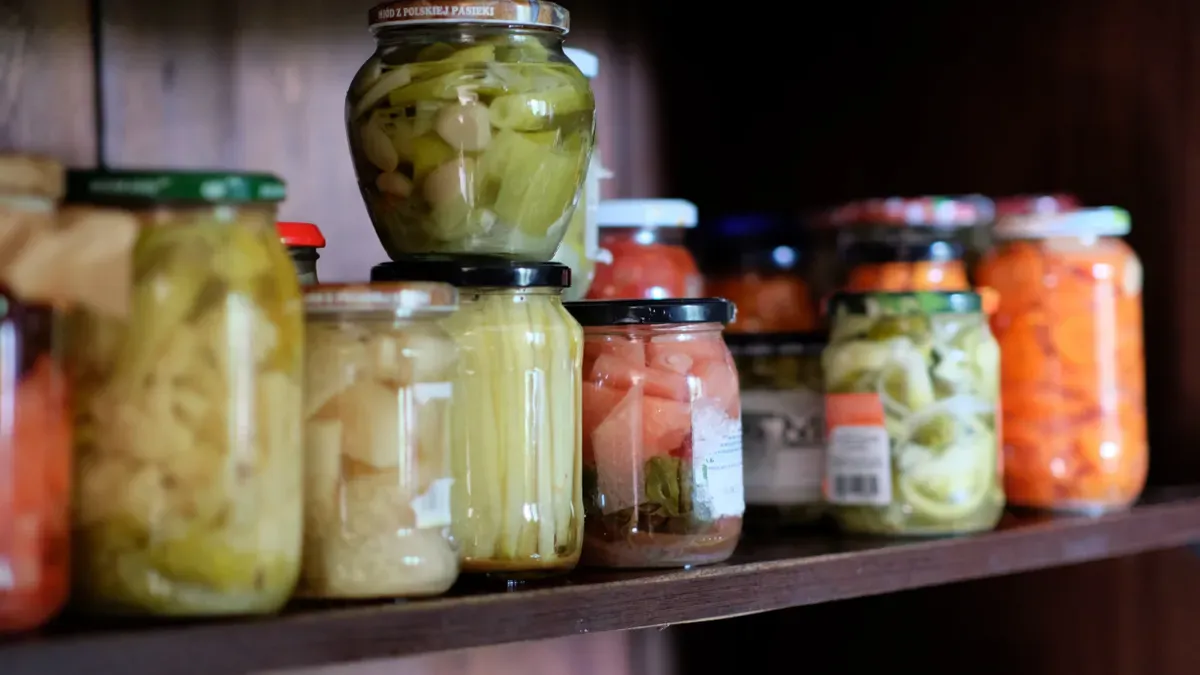
Canned fruits and vegetables
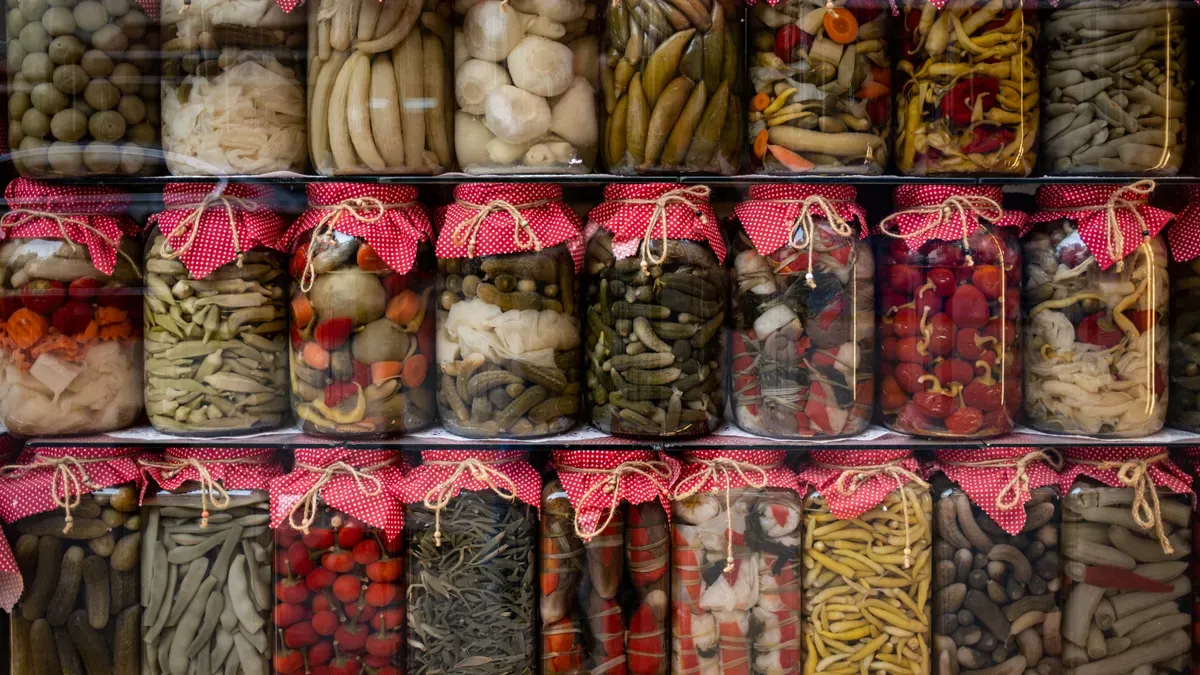
Pickled foods
Dried fruits and nuts
Sauces and dressings
People pick potassium sorbate when they want to stop yeast and mold. It works well in fruit drinks, sauces, and dairy foods. When you compare Potassium Sorbate vs Sodium Benzoate, you see potassium sorbate is used in more foods, especially those that need to stop fungi.
Note: Always check the pH of your food before using potassium sorbate. It works best in foods and drinks that are acidic.
What Is Sodium Benzoate?
How It Works
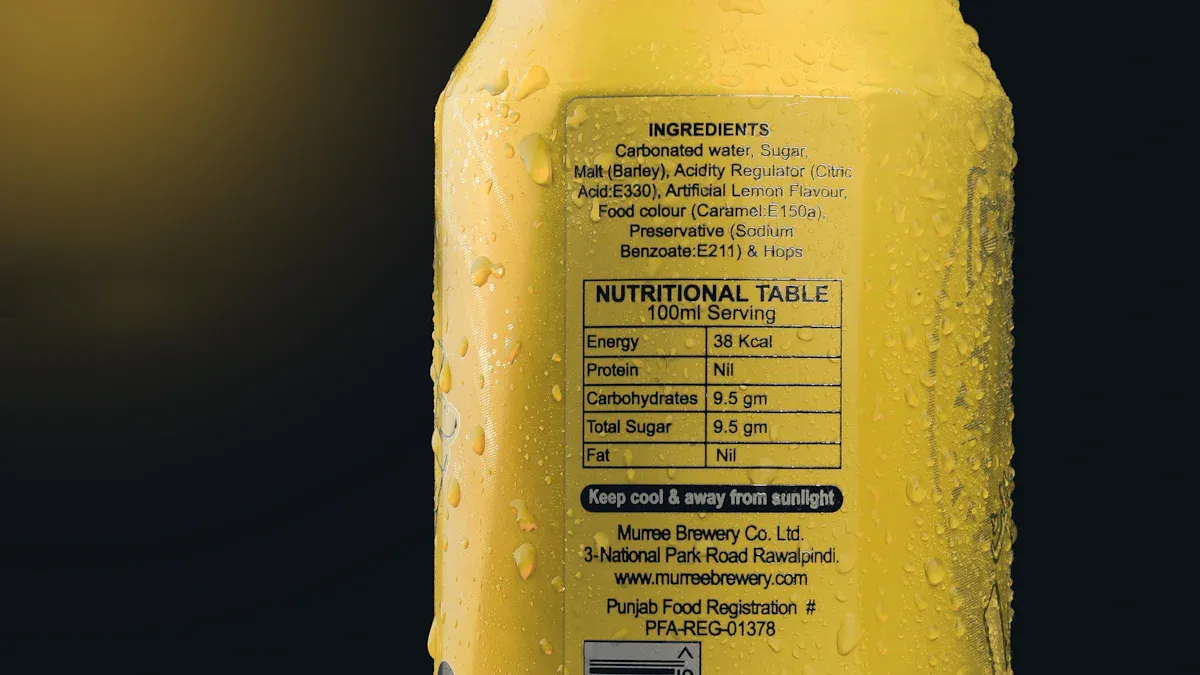
Sodium benzoate helps keep food and drinks from spoiling. It works best in foods that are sour, like sodas and fruit juices. When you add sodium benzoate, it changes into benzoic acid inside the food. Microbes, like bacteria and fungi, take in this benzoic acid.
Here is what happens inside the microbes:
Benzoic acid goes into the cell and lets out protons. This makes the inside of the cell more acidic.
The lower pH makes it hard for microbes to get energy from sugar.
Microbes have to use more energy to fix their pH. This makes them weaker.
Benzoic acid also blocks some enzymes and stops the cell from taking in amino acids.
These things slow down or stop bacteria, yeast, and mold from growing.
Tip: Sodium benzoate works best when the pH is 4.5 or less. Always check how acidic your food or drink is before using it.
Common Applications
You find sodium benzoate in many foods and drinks, especially ones that taste sour. Food companies use it because it stops bacteria and fungi from growing. Here are some common uses:
Soft drinks and sodas
Fruit juices
Processed foods for kids
Sour foods like pickles and salad dressings
The table below shows how much sodium benzoate is in some brands:
Product Type | Sodium Benzoate (mg/100 ml) |
|---|---|
Brand 10 Soft Drink | 54.31 |
Brand 7 Soft Drink | 7.02 |
Orange Juice Brands | Within FDA guidelines |
You often see sodium benzoate in the same foods as potassium sorbate. But each one works best in different types of foods. When you look at Potassium Sorbate vs Sodium Benzoate, you see sodium benzoate is great for sour drinks and foods. It helps keep your favorite drinks safe and fresh.
Effectiveness Comparison
pH Range and Solubility
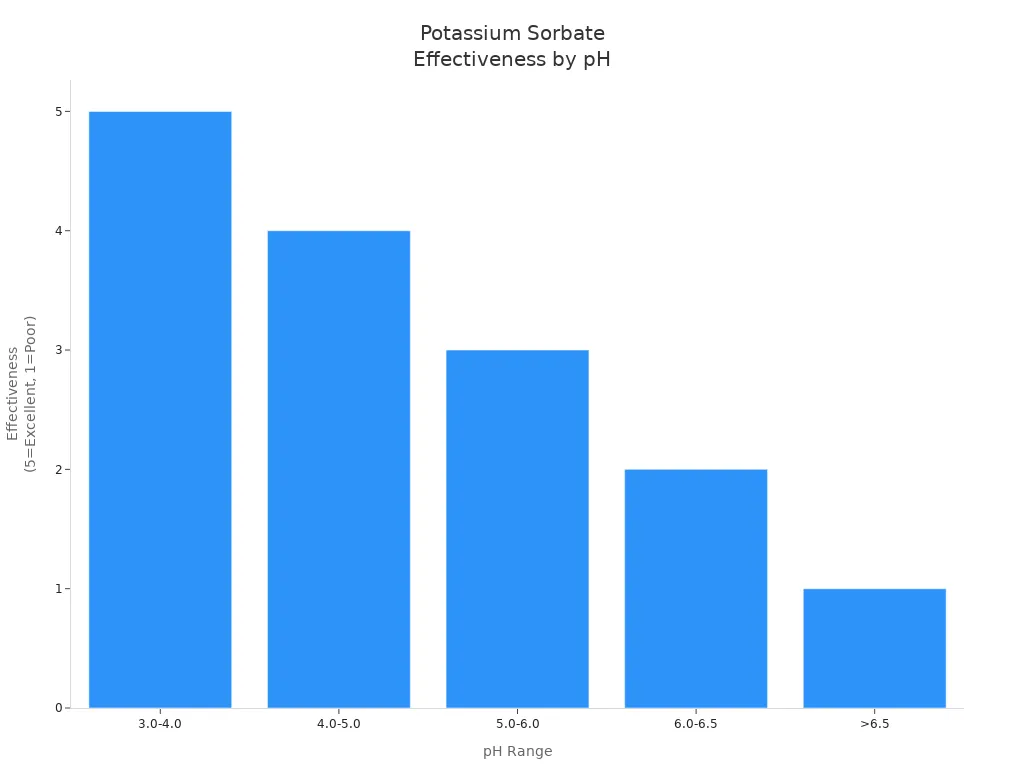
It is important to know how pH changes each preservative’s strength. Sodium benzoate works best in foods and drinks with a pH lower than 4.5. Potassium sorbate still works up to a pH of 6.5. If your food or drink is more acidic, potassium sorbate will protect it even better.
Here is a table that shows how well each preservative works at different pH levels:
Preservative | pH Range | Effectiveness |
|---|---|---|
Sodium Benzoate | <4.5 | Effective |
Potassium Sorbate | Up to 6.5 | Effective |
3.0-4.0 | Excellent | |
4.0-5.0 | Very Good | |
5.0-6.0 | Good | |
6.0-6.5 | Fair | |
>6.5 | Poor |
Both preservatives mix well in water. You can add them easily to food and drinks. It is smart to check your product’s pH before you use a preservative.
Tip: Sodium benzoate is a good pick for very sour drinks. Potassium sorbate is better if your food or drink is less sour.
Target Microbes: Yeast, Mold, Bacteria
You want to keep yeast, mold, and bacteria from ruining your food. Potassium sorbate is best at stopping yeast and mold. Sodium benzoate is strong against bacteria, but it also helps with yeast and mold. Using both together gives even more protection.
Scientists learned that mixing sodium benzoate, potassium sorbate, and sodium nitrite lowers yeast numbers, even when conditions are tough. This mix can stop yeasts like Candida tropicalis and Pichia. It also cuts down on bad bacteria like Enterobacteriales. You can use this mix to fight many germs in your food or drink.
Potassium sorbate: Stops yeast and mold.
Sodium benzoate: Fights bacteria, and also helps with yeast and mold.
Combination: Gives wide protection from spoilage.
Note: If you want to stop both yeast and bacteria, use both preservatives together.
Use in Alcoholic and Acidic Beverages
You need to use the right amount of preservative in your drink. Drinks with alcohol or acid need careful measuring. Sodium benzoate works well in sodas and fruit juices. Potassium sorbate is often used in wines and juices.
Here is a table with how much to use:
Additive | Recommended Concentration (by weight) |
|---|---|
Sodium Benzoate | Up to 0.1% |
Potassium Sorbate | 0.1% to 0.3% |
You can use these amounts for different drinks:
Soda: 100 to 200 mg/kg (0.01% to 0.02%)
Fruit or tea drinks: 200 to 500 mg/kg (0.02% to 0.05%)
Fruit or veggie juice: 300 to 600 mg/kg (0.03% to 0.06%)
Juice concentrate or syrup: 500 to 1000 mg/kg (0.05% to 0.10%)
Milk or probiotic drinks: 200 to 400 mg/kg (0.02% to 0.04%)
You get the best results if you follow these tips. Always check the rules for your country and your product. When you look at Potassium Sorbate vs Sodium Benzoate, you see each one works best in certain drinks. Pick the one that matches your product’s pH and the germs you want to stop.
Callout: Always measure your preservative carefully. Too much can change the taste or break safety rules.
Safety and Health
Acceptable Intake Levels
It is important to know how much of these preservatives is safe. Food safety groups make rules for potassium sorbate and sodium benzoate. These rules help keep you healthy. The Acceptable Daily Intake (ADI) shows how much you can eat each day without harm.
Preservative | ADI (mg per kg body weight) |
|---|---|
Potassium Sorbate | 0–25 |
Sodium Benzoate | 0–5 |
If you weigh 40 kg, you can have up to 1,000 mg of potassium sorbate or 200 mg of sodium benzoate each day. Most foods have much less than these amounts.
Tip: Always look at food labels. You can find out how much preservative is in your snacks and drinks.
Potential Risks and Allergies
Most people do not have problems with potassium sorbate or sodium benzoate. Some people might get small reactions. You could see a rash, itching, or an upset stomach if you are sensitive. These problems do not happen often.
Sodium benzoate can make benzene if it mixes with vitamin C and gets hot or is in light. Benzene is a bad chemical. Food companies try hard to keep benzene very low. You should keep drinks in cool, dark places to stay safe.
Potassium sorbate can cause small allergies in some people. You might see red skin or swelling if you touch or eat foods with this preservative. If you have allergies, talk to your doctor before eating foods with these additives.
Use in Sensitive Groups
You need to be careful if you are pregnant, a child, or have special health needs. Studies show that pregnant women may need to stay away from sodium benzoate. Animal tests found that sodium benzoate could hurt unborn babies. These tests showed more birth defects and baby loss in rats and mice that got sodium benzoate and potassium sorbate.
Children are more sensitive to chemicals because they are still growing. You should not let them eat too much preservative. If you are pregnant or take care of young children, pick foods with fewer additives when you can.
Note: Always ask your doctor if you are not sure about food safety for your family.
Regulations and Labeling
US and International Rules
You must follow rules when you add potassium sorbate or sodium benzoate to foods. The Food and Drug Administration (FDA) in the US sets limits for these preservatives. For most drinks, sodium benzoate can be used up to 0.1% by weight. Potassium sorbate is usually allowed between 0.1% and 0.3%, depending on what food or drink it is in. These rules help keep food safe and stop people from using too much.
Preservative | Maximum Permitted Level (US) | Notes |
|---|---|---|
Sodium Benzoate | Up to 0.1% by weight | Common limit for beverages |
Potassium Sorbate | 0.1% to 0.3% | Varies by product |
Other countries have different rules. The European Union (EU) lets people use both preservatives, but the European Food Safety Authority (EFSA) controls how much you can use. In the EU, you must show why you need sodium benzoate to stop food from spoiling. The US sometimes allows higher amounts, but people worry more about sodium benzoate there.
Aspect | European Union Regulations | U.S. Regulations |
|---|---|---|
Approval of Potassium Sorbate | Allowed, but EFSA controls the amount you can use | Approved, usually allows more to be used |
Approval of Sodium Benzoate | Allowed, but you must prove it stops germs | Approved, but people worry more about health effects |
Note: Always check your country’s rules before you add preservatives to food or drinks.
Labeling and Consumer Perception
When you look at a drink label, you will often see potassium sorbate and sodium benzoate listed. In Europe, they might be called E202 for potassium sorbate and E211 for sodium benzoate. Both are shown as preservatives that help stop food from going bad.
Additive | E Number | Function |
|---|---|---|
Potassium sorbate | E202 | Preservative, prevents spoilage |
Sodium benzoate | E211 | Preservative, prevents spoilage |
Many people notice potassium sorbate and sodium benzoate in foods and drinks. Potassium sorbate is in lots of things, like egg dyes and baked foods. Sodium benzoate is in even more products, such as sodas and juices. Some people worry about side effects, like allergies, especially with potassium sorbate.
Potassium sorbate is one of the most used food additives.
Sodium benzoate is in many foods, but some people think it is a fake chemical.
About 41% of Americans believe sodium benzoate does not sound natural.
Even though experts say both are safe, some people want fewer additives in their food.
Companies often spend more money to explain these ingredients and use clear labels.
Tip: If you want to stay away from some preservatives, always read the ingredient list before you buy.
Practical Use Differences
Mixing and Solubility
You want a preservative that mixes well in drinks or food. Both potassium sorbate and sodium benzoate dissolve fast in water. You can add them to most drinks without any problems. If your drink is cold, you might need to stir longer. This helps the preservative dissolve all the way. You do not need any special tools to mix them. Most people see that both preservatives blend in easily. You can use them in juice, soda, or syrup.
Tip: Make sure your preservative is fully dissolved before you bottle your drink. This gives every sip the same protection.
Taste Impact
Taste is very important when you pick a preservative. You want your drink to taste good and fresh. Potassium sorbate and sodium benzoate change taste in different ways. Here is a simple chart:
Additive | Taste Impact |
|---|---|
Sodium Benzoate | Slight metallic or bitter taste |
Potassium Sorbate | Virtually tasteless |
Sodium benzoate can give a little bitter or metal taste. This happens more if you use a lot of it. Potassium sorbate almost has no taste at all. It will not change the flavor of your food or drink. If you want your drink to taste clean, potassium sorbate is a good pick.
Cost and Availability
You should also think about price and how easy it is to buy these preservatives. Here are some main points:
Sodium benzoate is cheaper than potassium sorbate.
Big drink companies use sodium benzoate to save money.
Sodium benzoate works great in sour drinks, so it is used in sodas and juices a lot.
Potassium sorbate costs more but can be used in more types of food.
Sodium benzoate is one of the most used preservatives in the world. You can find it in many sodas and fruit juices. Most stores have it, so you can get it fast for your business. Potassium sorbate is also easy to find, but it costs more. You might need to check with your supplier if you want a lot.
Note: If you want to save money and need a preservative for sour drinks, sodium benzoate is usually the best choice. If taste is most important, potassium sorbate may be worth the higher price.
Potassium Sorbate vs Sodium Benzoate: Pros and Cons
Potassium Sorbate: Strengths and Weaknesses
You want to know if potassium sorbate is right for your product. This preservative gives you reliable results and does not need special tools. Most co-packers can use it. You will find it works well in many foods and drinks. Potassium sorbate costs less than some other options.
Here is a table to help you see the main strengths and weaknesses:
Strengths | Weaknesses |
|---|---|
Many people worry about chemical additives | |
Consistent results in food and drinks | Does not meet clean label needs |
Available to most manufacturers | Inhibits, but does not kill, microbes |
Can affect taste in some products |
Note: Potassium sorbate does not always kill germs. It slows their growth. Some people do not like seeing chemical names on labels.
Sodium Benzoate: Strengths and Weaknesses
Sodium benzoate is a popular choice for drinks. You can use it in many countries because it has wide approval. It works well in sour drinks and costs less to use. Many companies trust it for keeping products safe.
Here is a table to show you the main strengths and weaknesses:
Strengths | Weaknesses |
|---|---|
Approved by many food safety groups | Some people worry about synthetic additives |
Works well in acidic drinks | Does not work well at neutral pH |
Low cost and easy to get | Can change taste at high levels |
Accepted in global markets | Can form benzene with vitamin C and heat |
You should know that sodium benzoate can turn into benzene, a harmful chemical, if you mix it with vitamin C and store it in heat or light. Diet drinks are more likely to have this problem.
Tip: Always store drinks with sodium benzoate in cool, dark places to lower the risk of benzene.
When to Use Both Together
You can use both preservatives in one product. This gives you stronger protection against yeast, mold, and bacteria. If you want to cover more types of germs, use both. Many juice and soda makers do this for extra safety.
When you compare Potassium Sorbate vs Sodium Benzoate, you see that using both can help you keep your food and drinks safe for longer.
Choosing the Right Preservative
Best Uses for Each
You want to pick the right preservative for your food or drink. Potassium sorbate and sodium benzoate each have their own best uses. Potassium sorbate works well in foods that need to stop yeast and mold. You can use it in baked goods, cheeses, dried fruits, and wines. It does not change the taste much, so your food stays fresh and tasty.
Sodium benzoate is a good choice for drinks and foods that are very acidic. You find it in sodas, fruit juices, pickles, and salad dressings. It fights bacteria well. You can save money with sodium benzoate because it costs less.
Here is a quick table to help you decide:
Preservative | Best For | Why Use It? |
|---|---|---|
Potassium Sorbate | Baked goods, cheese, wine, fruit | Stops yeast and mold, no taste |
Sodium Benzoate | Sodas, juices, pickles, sauces | Fights bacteria, low cost |
Tip: Always check your product’s pH before you choose a preservative.
Decision Guide for Beverages
You want your drinks to stay safe and taste good. You need to look at the type of drink, its pH, and what you want to protect against. Use this simple guide:
Test your drink’s pH.
If the pH is below 4.5, sodium benzoate works best.
If you need to stop yeast and mold, pick potassium sorbate.
For extra safety, use both together in the right amounts.
Here is a quick checklist:
Soda or fruit juice (pH < 4.5): Use sodium benzoate.
Wine or cider: Use potassium sorbate.
Drinks with both bacteria and yeast risks: Use both preservatives.
You can make the best choice by thinking about Potassium Sorbate vs Sodium Benzoate and matching the preservative to your product’s needs.
You should pick sodium benzoate for acidic sodas and fruit drinks. Potassium sorbate works best in wine, baked goods, and foods with less acid. Always check your product’s pH and the germs you want to stop. Use safe amounts and follow your country’s rules. For extra protection, you can use both preservatives together. This helps keep your food and drinks fresh and safe.
Tip: Test your recipe with both preservatives to find the best mix for taste and safety.
FAQ
Can you use potassium sorbate and sodium benzoate together?
Yes, you can use both together. This gives your food or drink stronger protection against yeast, mold, and bacteria. Always follow safe limits and check your product’s pH.
Do these preservatives change the taste of my drink?
Potassium sorbate has almost no taste. Sodium benzoate can add a slight bitter or metallic flavor if you use too much. Test your recipe to find the best amount.
Are potassium sorbate and sodium benzoate safe for kids?
Both are safe for most kids when used in approved amounts. Children are more sensitive to additives. You should always check labels and avoid high amounts.
What foods or drinks should not use sodium benzoate?
You should not use sodium benzoate in foods or drinks with vitamin C. Heat and light can make it form benzene, which is harmful. Store products in cool, dark places.