You want your animals to grow well. Picking the right enzyme is important. Single Cellulase works on cellulose. Multi-enzyme complexes break down many kinds of fiber. The enzyme you pick changes how animals grow, eat, and stay healthy. Look at how each enzyme helps animals:
Enzyme Type | Weight Gain | Feed Conversion Ratio | Gut Health |
|---|---|---|---|
Xylanase | -6% | Fewer Salmonella cases | |
β-mannanase | +14% | +11% | Lower lesion scores |
Enzyme Complex | +4% | +3% | Less Clostridium perfringens |
You can use this chart to help animals eat better and stay healthy.
Key Takeaways
Picking the right enzyme is very important for animal growth and health. Single cellulase works on cellulose. Multi-enzyme complexes work on many fiber types.
Knowing what fibers are in animal feed helps you pick the best enzymes. Match enzymes to the main fiber types for easier digestion.
Multi-enzyme complexes help animals absorb more nutrients. They also make the gut healthier. These enzymes help animals use feed better and help good gut bacteria grow.
Always check your feed before picking enzymes. Use new tools to find out what nutrients and fibers are in the feed. This helps you make smart choices.
Try small enzyme tests first to see if they work well. This way, you can find the best enzyme mix for your animals.
Feed Substrates in Livestock Diets
Fiber Components in Animal Feed
You give your animals grains, forages, and by-products. Each feed has its own fiber types. Fiber helps animals digest food and get nutrients. You need to know the fiber in your feed to pick the right enzyme.
Here is a table that shows main fiber types and their percentage ranges in common livestock feeds:
Fiber Type | Percentage Range |
|---|---|
Cellulose | 40–50% |
Hemicellulose | 20–30% |
Lignin | 10–25% |
Pectin | About 35% |
Cellulose is the biggest part of fiber. Hemicellulose and pectin are important too. Lignin is tough for animals to digest. These fibers are found in corn, soybean meal, wheat bran, and alfalfa. Each fiber type changes how well animals use their feed.
Tip: If you know what fibers are in your feed, you can help animals digest better and grow more.
Substrate Relevance for Enzyme Choice
You need to match the enzyme to the fiber in your feed. Cellulase breaks down cellulose. Xylanase works on hemicellulose. Other enzymes target pectin or lignin. If your feed has more cellulose, use cellulase. If hemicellulose is higher, xylanase is better.
You can use one enzyme or a mix. Multi-enzyme complexes work on many fiber types at once. This helps animals get more nutrients from their feed. Animals gain more weight and stay healthier when you pick the right enzyme.
Look at your feed ingredients.
Find out which fiber types are most common.
Choose enzymes that fit those fibers.
You make better choices when you know your feed substrates. This helps your livestock do well.
Single Cellulase in Animal Feed
Mechanism of Single Cellulase
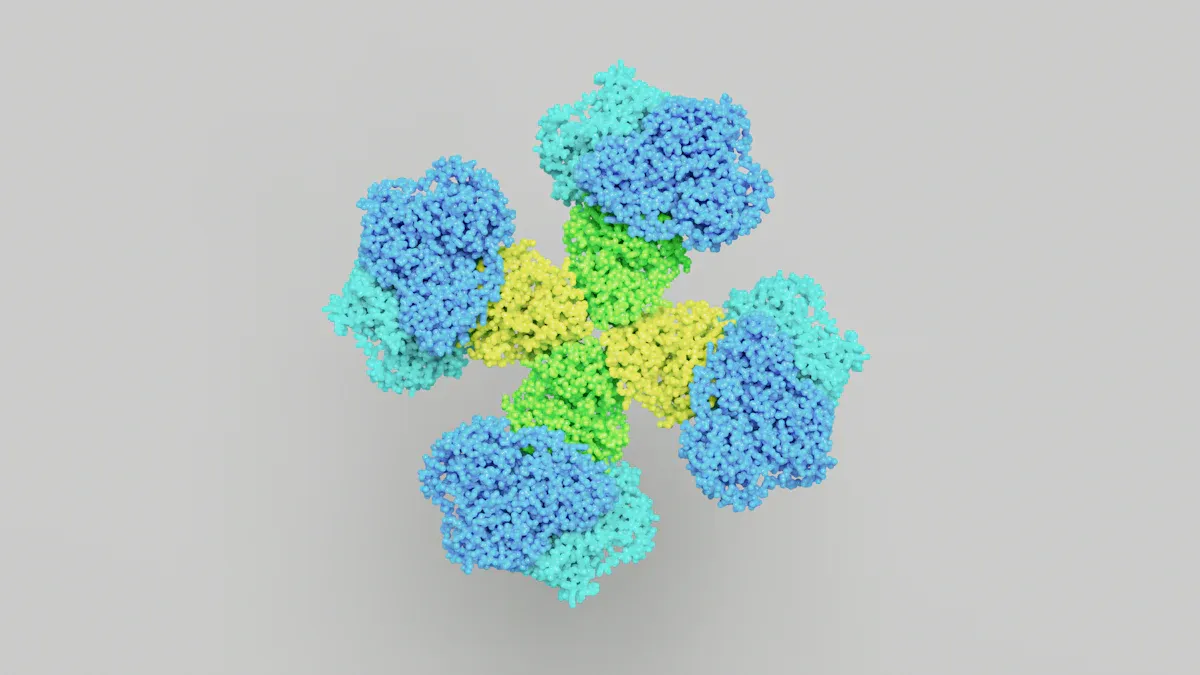
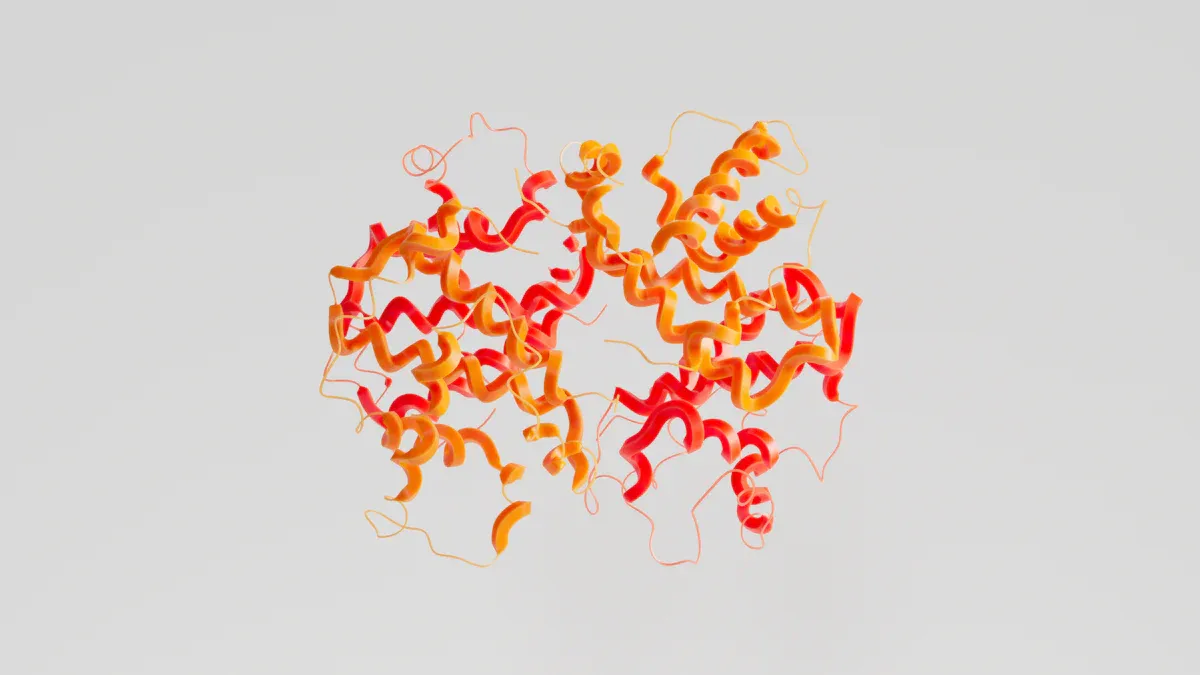
Single cellulase helps animals break down cellulose in their food. Cellulose is a strong fiber that comes from plants. Pigs and chickens cannot digest cellulose by themselves. Single cellulase acts like scissors and cuts cellulose into small sugars. This makes it easier for animals to get energy from food.
Here is what single cellulase does inside the animal’s gut:
Type of Reaction | Description |
|---|---|
Endocellulase | Breaks weak bonds in the loose parts of cellulose |
Exocellulase | Cuts the ends of cellulose chains to make small sugar pieces |
Beta-glucosidase | Changes these small sugars into glucose, which animals use for energy |
You can see that single cellulase uses different steps to turn tough plant fiber into simple sugars. This helps animals use more nutrients from their feed.
Benefits and Limitations
Single cellulase can help animals digest fiber better in some diets. You might see animals use their feed better and sometimes gain more weight. When you add single cellulase, animals get more energy from plants.
Note: Single cellulase works best if your feed has lots of cellulose and not much of other fibers.
But, research shows single cellulase does not always work the same way. Sometimes, it does not stay strong in the animal’s gut. This means it may not break down cellulose as well as you want. Studies in pigs show single cellulase gives mixed results. The enzyme may not have the right shape or job to work with all feeds. Many single cellulases come from fungi, but they do not always match the fiber in pig diets.
You may find single cellulase alone cannot break down all the fibers in your feed. Multi-enzyme complexes often work better because they target more types of fiber. If your feed has many fiber types, you may need more than just single cellulase to get the best results.
Multi-Enzyme Complexes for Livestock Nutrition
How Multi-Enzyme Complexes Work
Multi-enzyme complexes help break down many fibers in feed. These products have different enzymes like xylanase, protease, and amylase. Each enzyme works on a special part of the feed. Xylanase breaks down hemicellulose. Protease breaks down proteins. When you use a multi-enzyme complex, the enzymes work together. They break tough plant fibers and give more nutrients. Products like KEMZYME® use both exogenous and endogenous enzymes. This teamwork gives animals more energy and amino acids from their feed.
Advantages for Gut Health and Performance
You can see many good things when you use multi-enzyme complexes. Animals digest fiber better and get more nutrients. The table below shows how these complexes help animals:
Benefit Type | Description |
|---|---|
Nutrient Absorption | Better digestibility of calcium (+33.2%) and phosphorus (+115.7%) in growing pigs |
Fiber Digestibility | Better total tract digestibility of energy, protein, phosphorus, and fiber |
Gut Microbiota | More good bacteria like Bacteroidota and Prevotella, fewer bad bacteria |
Gene Expression | More genes for nutrient transport, helping animals absorb minerals and carbohydrates |
Here are some real examples of these benefits: Broiler chicks grew faster and had longer villi in their intestines after getting multi-enzyme complexes. Enzyme blends helped poultry use feed and energy better. Phytase enzymes helped broilers use low-protein and low-energy diets more easily.
Drawbacks and Considerations
You need to pick enzyme blends carefully. Using too many enzymes or the wrong mix can cause problems. Some blends may make gut inflammation worse or hurt gut health. Anti-nutritional factors like phytic acid and non-starch polysaccharides can also make digestion harder. If you use the wrong enzyme mix, your animals may not get all the benefits. Sometimes, using two enzymes based on the feed substrate works better than using many. You should always match the enzyme blend to your feed and animal needs. Single Cellulase may not break down all fiber types, but too many enzymes can also cause problems.
Diet Composition & Enzyme Effectiveness
Matching Enzyme to Feed Ingredients
You should pick enzymes that fit your feed. Each enzyme works best with certain nutrients. If your feed is simple, use a single enzyme. For feeds with many ingredients, use a multi-enzyme blend. The table below helps you choose the right enzyme:
Enzyme Type | Description | Best Use Case |
|---|---|---|
Single Enzymes | Target specific nutrients or substrates in simple feed formulations. | Effective when nutritional challenges are well-defined. |
Multi-Enzyme Blends | Combine several enzymes to address various substrates in complex diets. | Ideal for modern diets with diverse raw materials. |
Products like KEMZYME Plus mix carbohydrases and proteases. These blends break down non-starch polysaccharides, starches, and proteins. Animals get more nutrients, especially with high-fiber diets.
Tip: Always mix enzymes into feed before giving it to animals. This step helps enzymes stick to nutrients and work better.
Monogastric vs. Ruminant Diets
You need to think about the animal type when picking enzymes. Monogastric animals, like pigs and chickens, need help breaking down fiber. Cellulases and hemicellulases help them digest cellulose and hemicellulose. Xylanases make the gut less sticky and help animals take in nutrients. Beta-glucanases help gut health and digest food. Lipases help all animals digest fat.
Ruminants, like cattle, have a different digestive system. Fibrolytic enzymes help cattle break down fiber in forages. These enzymes improve rumen fermentation and can boost milk production. Enzymes also protect against protein breakdown by sticking to feed particles.
Case Studies in Enzyme Supplementation
You can see real benefits from using enzymes in animal diets. Beef cattle showed up to 13% better fiber digestibility with enzymes and low-quality forages. This gave them more energy and better feed efficiency.
The table below shows how picking enzymes changes cost and performance in farms:
Study | Enzyme Used | Feed Ingredient | Cost Reduction | Performance Improvement |
|---|---|---|---|---|
Okukpe et al. | Palm Kernel Cake | 12.05% | Improved feed efficiency and weight gain | |
Aku et al. | Maxigrain® | Brewers’ Dried Grain | N/A | Lowest cost per kg of weight gain |
Oguntoye et al. | N/A | Yam Peel Meal | N/A | Highest gross profit margin with enzymes |
You can help animals grow, save money, and earn more by matching enzymes to your feed and animal type.
Enzyme Selection Strategies
Feed Analysis and Nutritional Goals
You must know what is in your feed before picking an enzyme. Modern tools help you find out the nutrients and fibers in your feed. Here are some ways to check your feed:
Mass spectrometry (GC-MS, LC-MS, IC-MS, CE-MS) shows all the nutrients in your feed.
Nuclear Magnetic Resonance (NMR) tells you what nutrients are there and how much.
Fourier-Transform Infrared Spectroscopy (FT-IR) gives a chemical map of your feed.
Raman Spectroscopy lets you see the type and amount of nutrients.
You can also use regular enzyme tests. These tests show how much substrate or product changes during a reaction. You need to keep the temperature and pH just right for these tests. Machines like the Thermo Scientific™ Gallery™ Enzyme Master make these tests faster and more accurate.
You should set clear goals for your animals’ nutrition. If you want better protein digestion and less stomach trouble, multi-enzyme complexes can help. These blends work well for animals eating many kinds of feed. They break down lots of fiber and protein. This helps your animals get more nutrients and stay healthy.
Cost-Benefit Considerations
You want to get the best value when choosing enzymes. Think about these important things:
Factor | Description |
|---|---|
Cost Efficiency | Enzymes help animals use more nutrients, so feed costs go down. |
Environmental Regulations | Using enzymes can cut waste and help meet new rules. |
Technological Advances | New enzyme blends work better and are easier to use. |
Market Challenges | High prices and not knowing enough can slow people from using them. |
You should match the enzyme to your feed and animal type. The right enzyme can save money and help animals grow better. Sometimes, a single enzyme is best for simple feeds. For feeds with many ingredients, a blend may work better. Always check if the benefits are worth the cost.
Tip: Try a small test before using a new enzyme in all your feed. This helps you see if it works well for your animals.
You can help animals grow better by picking the right enzyme. Multi-enzyme complexes work on more fiber types than single cellulase. This makes them more useful for many feeds. You need to match enzymes to your feed and animal needs.
Custom enzyme blends help you deal with changes in feed ingredients. They also make nutrients more balanced.
Nutrition experts can help you change enzyme levels for the best results.
Adding enzymes makes food easier to digest and helps animals grow. Keep enzymes safe during feed processing so they work well.
Study Focus | Key Findings |
|---|---|
Pigs grew faster and used feed better | |
Diverse protease types in weaned piglets | Piglets had healthier guts and took in more nutrients |
Keep learning about new enzyme technology. Change your feed plans as industry rules change.
FAQ
What is the main difference between single cellulase and multi-enzyme complexes?
Single cellulase works on just cellulose. Multi-enzyme complexes break down many fiber types. Using a blend helps animals get more nutrients from their feed.
How do I know which enzyme to choose for my livestock?
Check what is in your feed. Find out which fibers are most common. Pick an enzyme that matches those fibers. If you are not sure, ask a nutrition expert for help.
Can enzymes improve gut health in animals?
Enzyme Type | Gut Health Benefit |
|---|---|
Multi-Enzyme Complex | More good bacteria, less bad |
Single Cellulase | Limited effect |
The right enzyme can make gut health better.
Are enzyme supplements safe for all livestock?
Enzyme supplements are safe if you use them the right way. Start with a small amount first. Watch your animals to see if anything changes.
Will enzymes help reduce feed costs?
Enzymes can help you spend less on feed. Animals use their food better and grow faster. You do not need to buy as much extra feed.