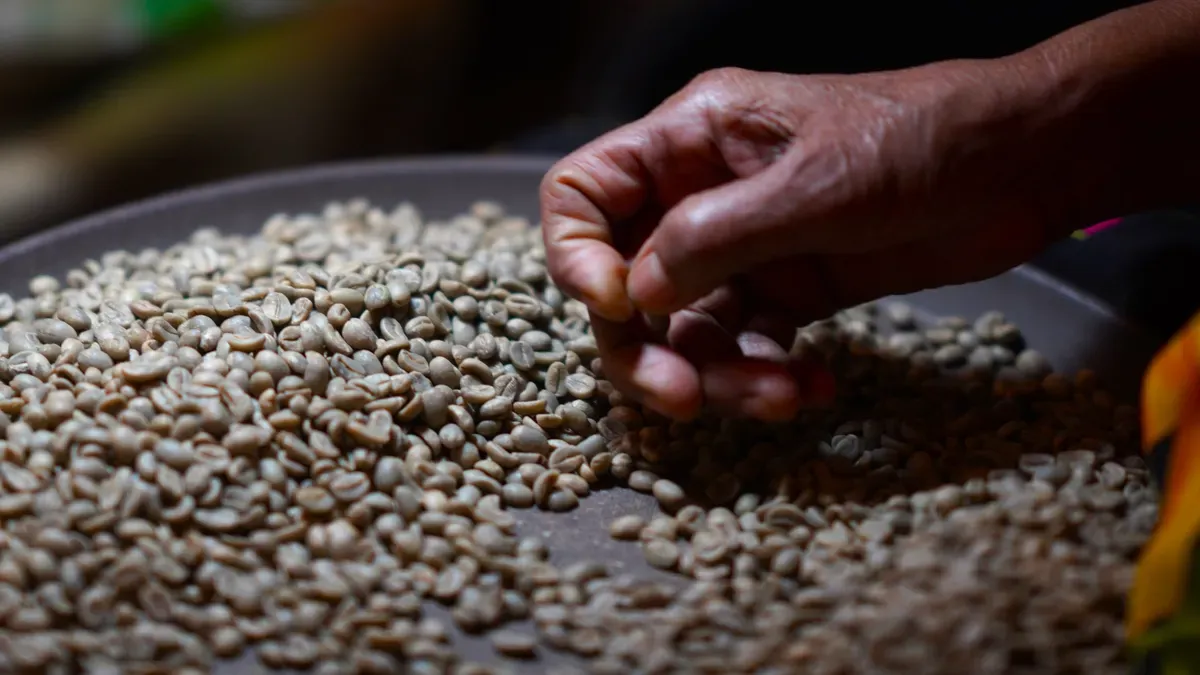
You might ask why your coffee tastes smooth and rich. Enzymes are important in coffee bean fermentation and processing. These natural helpers break down hard parts in the beans. They also help get rid of sticky mucilage on the outside. This makes coffee less bitter and less acidic. It also gives you better quality coffee. Producers can get more coffee from each batch.
Key Takeaways
Enzymes break down hard parts of coffee beans. This helps make the flavor and quality better. Using enzymes during fermentation makes coffee taste less bitter. It also makes the coffee smoother. Enzymes help get rid of sticky mucilage fast. This makes the coffee taste better. Producers can get the same results each time with enzymes. They can also get more coffee from the beans. Coffee made with enzymes often has special flavors. These flavors are liked by many coffee lovers.
Enzymes in Coffee Processing
What Are Enzymes
Enzymes are like tiny tools that make reactions faster. They work inside coffee cherries during fermentation. These helpers break down sugars and other compounds. This changes how the beans taste. Enzymes are very important in coffee fermentation. When the temperature goes up or down, some enzymes start working. They change which microbes are present. Yeasts from Saccharomyces have been used for a long time. They help create flavor in coffee.
Tip: Enzymes keep working until the job is finished. They do not get used up.
Types of Enzymes Used
Different enzymes focus on different parts of the coffee bean. Here is a table that shows two main types and what they do:
Enzyme | Function |
|---|---|
Protease | Breaks down proteins |
Lipase | Breaks down fats |
Protease and lipase break down proteins and fats. Enzymes also break down sugars and polysaccharides in coffee cherries. These reactions change the area around the beans. This affects flavor precursors that form when roasting. Green coffee beans are dense. This makes it hard for big enzymes to reach bean parts.
Microbial Enzymes and Their Role
Microbial enzymes come from yeasts and bacteria in coffee fermentation. Common yeast types are Saccharomyces, Candida, Hanseniaspora, Starmerella, and Torulaspora delbrueckii. These yeasts eat sugars in the coffee pulp. They make acids, esters, aldehydes, ketones, and alcohols. Enzymes like pectin lyase, polygalacturonase, and pectin methyl esterase break down pectin. Yeasts such as *Hanseniaspora uvarum* and Pichia kudriavzevii are active early. They break down sugars and make ethanol and lactic acid. Lactic acid bacteria like Leuconostoc mesenteroides and Lactobacillus plantarum show up later. They produce lactic acid. Pectinolytic bacteria such as Erwinia soli and Klebsiella pneumoniae help break down pectin in the mucilage.
Research shows that local yeast strains have strong pectinolytic activity. One strain had the highest enzyme activity. This affects aroma and flavor. A study on green Liberica beans found re-fermentation lowered caffeine and raised antioxidants. This method gives producers more control over flavor and chemical properties.
Enzyme Action in Fermentation
Compound Breakdown and Flavor Impact
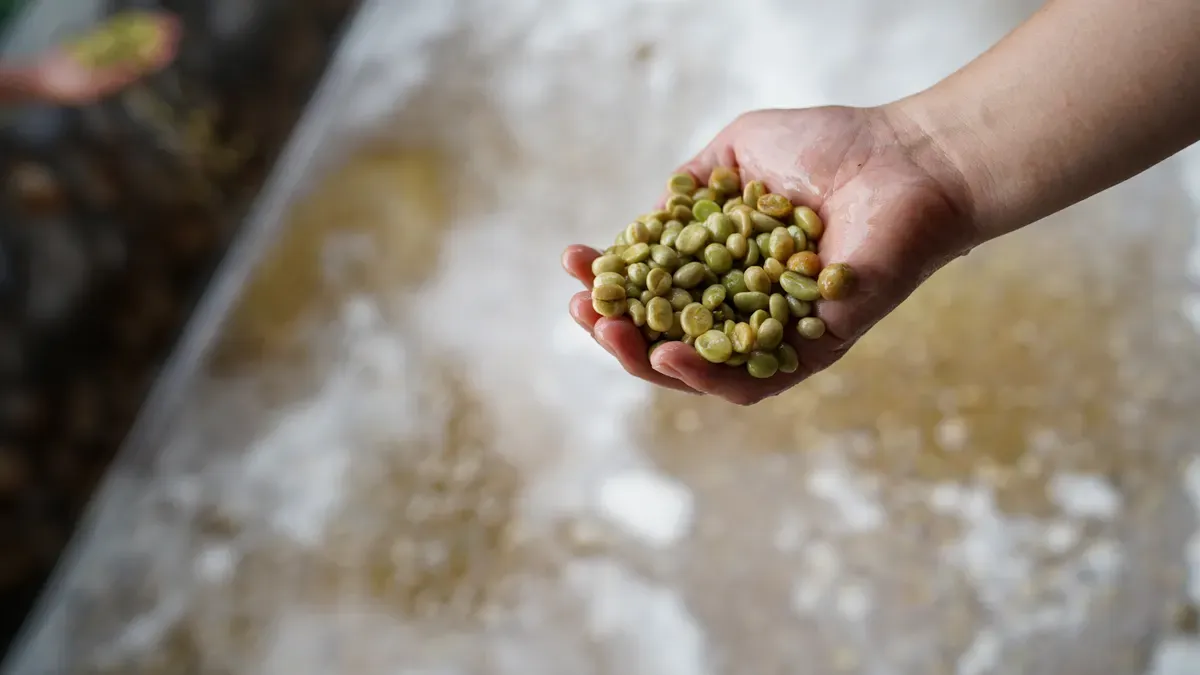
When coffee beans ferment, enzymes start working fast. These helpers break down the sticky mucilage on each bean. This does more than just clean the beans. It helps make the special smells and tastes in your coffee. During fermentation, enzymes like pectinase, protease, and cellulase break down sugars, proteins, and fibers. This lets out important flavor parts, like reducing sugars and amino acids. These parts later turn into sweet, fruity, or nutty flavors when you roast the beans.
Here is a table that shows how different enzymes work during fermentation and how they affect flavor:
Enzyme Type | Function in Fermentation | Resulting Flavor Impact |
|---|---|---|
Pectinase | Degrades pectin in mucilage | Produces galacturonic acid, enhancing sweetness |
Protease | Breaks down proteins | Contributes to umami and complexity in flavor |
Cellulase | Decomposes cellulose | Affects mouthfeel and overall flavor profile |
Polygalacturonase | Fully digests pectin | Increases aroma precursors, enhancing aroma |
Pectin lyase | Degrades pectin | Influences acidity and flavor notes |
Pectin methylesterase | Modifies pectin structure | Affects texture and flavor balance |
Each enzyme has its own job. When enzymes break down things in the beans, they help make the flavor smoother and more interesting. Breaking down the mucilage also lets more smells and flavors form, so your coffee tastes better.
Mucilage Removal and Bean Quality
Taking off the mucilage is a big step in making coffee. If too much mucilage stays, it can make bad tastes and lower the coffee’s quality. Enzymes, especially pectinase, help remove this sticky layer fast and well. One study showed that soaking beans for four hours with pectinase worked best for removing mucilage. This step is important because it makes the coffee taste better and gives you more beans.
Fermentation breaks down carbohydrates and other things in the mucilage.
This makes flavor parts that matter for the final taste.
Different ways of processing, like natural, pulped, or washed, change how much mucilage is taken off. This gives you different flavors and smells in your coffee.
By changing things like pH, temperature, and time, you can change how the beans taste and smell.
Using enzymes to take off mucilage gives you cleaner beans with better flavor. You also get more beans because they are easier to process and spoil less.
Reducing Bitterness and Acidity
Enzymes do more than clean the beans. They also help make coffee less bitter and less sour, so it tastes smoother. During fermentation, enzymes break down big parts in the bean. This lets more good flavors get inside the beans.
Evidence Description | Impact on Flavor |
|---|---|
Enzymes facilitate the degradation of structural polysaccharides | Enhances flavor by allowing fermented metabolites to penetrate coffee beans |
Availability of amino acid fermentation residues | Contributes to enhanced aroma and flavor profile |
Unique microbiome of civet cat | Proposed to contribute to the smooth flavor of civet coffee |
When you use enzymes, you can also lower caffeine and add more antioxidants sometimes. This can make coffee healthier and less strong. The mix of microbes and enzymes during fermentation gives each batch its own special taste.
Tip: If you want coffee that is less bitter and not too sour, look for beans processed with enzymes. These beans usually taste smoother and richer.
Enzymes vs. Traditional Fermentation
Process Differences
There are big differences between using enzymes and using the old way. The traditional way uses microbes from the air and takes more time. It does not always give the same results every time. When you use enzymes, they break down the sticky mucilage and other stuff faster. This method is easy to control. You can stop it by turning off the enzymes. You get more peptides and better beans. The old way costs less because you do not have to buy enzymes. Microbes in the old way use many kinds of proteases. These can make special flavors and sometimes make the process faster.
Quality and Consistency Improvements
Using enzymes gives you more control over how the coffee turns out. This means you can make good coffee every time. The old way can change because the microbes in the air are not always the same. Enzyme methods help you avoid these changes. You also get more beans and cleaner beans. Many people use enzymes to make sure their coffee tastes and looks good.
Flavor and Aroma Enhancement
Coffee tastes different when enzymes help with fermentation. These helpers make coffee sweeter and less bitter. They also make it smoother. The table below shows how each enzyme changes flavor and smell:
Enzyme Type | |
|---|---|
Pectinase | Enhances floral and fruity notes, increases sweetness |
Protease | Reduces astringency by degrading proteins |
Cellulase | Softens mouthfeel and aids in sugar release |
Mannanase | Improves clarity and reduces sediment in ready-to-drink coffee |
Tannase | Decreases bitterness and astringency, enhances clarity |
There are other good things too. Using enzymes can take out sediment and make the coffee clearer. It can also help the coffee last longer. Many coffee shops use enzymes to make drinks taste better and feel smoother. You can enjoy coffee that is fresh, clean, and full of bright flavors and nice smells.
Practical Benefits for Producers and Consumers
Higher Yield and Efficiency
Enzymes help you get more coffee from each batch. They break down tough bean parts. This makes it easier to get more liquid and flavor. Beans filter faster, so you save time. Less sediment forms, so the coffee is cleaner. You spend less money and get better results. Here is a table showing how enzymes help:
Benefit | Description |
|---|---|
Improved Extraction Volume | Mannanase ‘Amano’ BGM10 breaks down mannan. This increases extraction yield. |
Increased Filtration Speed | The enzyme makes filtration faster. This saves time and costs. |
Reduced Precipitation | Less sediment forms. You get higher quality coffee extracts. |
Enhanced Flavor Profiles
Enzymes make coffee taste better. They break down complex compounds. This releases flavor precursors. Coffee becomes sweeter and less bitter. It also smells better. You may taste floral or fruity notes. Some farms use enzymes for special flavors. For example, citrus in Yunnan or tropical fruit in Colombia. Here are ways enzymes improve flavor:
They break down complex compounds and release flavor precursors.
Pectinase lowers acetic acid and astringency. This gives a clean taste.
Cellulase and hemicellulase release sugars and aroma. Coffee becomes sweeter and more floral.
Redox enzymes change polyphenols. This reduces bitterness and balances flavor.
Consistency and Innovation
Enzyme technology helps you get the same taste every time. Enzyme preparations let you control the process. You get a consistent product. You can try new ideas, like changing mucilage levels or drying times. This creates unique flavors. Many producers use enzymes to keep plant-based coffee drinks creamy and smooth. This avoids curdling. Enzymes speed up fermentation. They let you control flavor by converting compounds into sugars and acids. This gives you more ways to innovate and meet what coffee lovers want.
You can see that enzymes make coffee processing better. They help coffee taste smoother and less bitter. The beans are also higher quality. More people now want coffee made with new ways. Here is how what people like is changing:
Trend | What You Notice |
|---|---|
Premiumization | More people pick special coffee blends |
Ethically Sourced | People want beans from farms that help the planet |
Flavor Awareness | People get excited about new flavors and methods |
You might want to try enzyme-processed coffee. This lets you taste new flavors and support new ideas.
FAQ
What do enzymes do in coffee processing?
Enzymes help break down hard parts of the coffee cherry. This makes the beans smoother and gives better flavor. They also help take off the sticky mucilage and make coffee less bitter.
Can you taste a difference in enzyme-processed coffee?
Yes! You can often taste sweeter or fruitier flavors. The coffee usually feels smoother and is not as bitter.
Are enzyme-processed coffees safe to drink?
Yes, enzyme-processed coffee is safe to drink. Producers use food-grade enzymes. These enzymes are not left in the coffee you drink.
Do enzymes change the caffeine level?
Enzymes might lower caffeine a little during fermentation. Most of the time, you will not notice much change in caffeine when you drink coffee.
Why do producers use enzymes instead of only traditional methods?
Reason | Benefit |
|---|---|
Faster processing | Saves time and work |
Better consistency | You get the same taste each time |
Higher yield | More coffee from each batch |