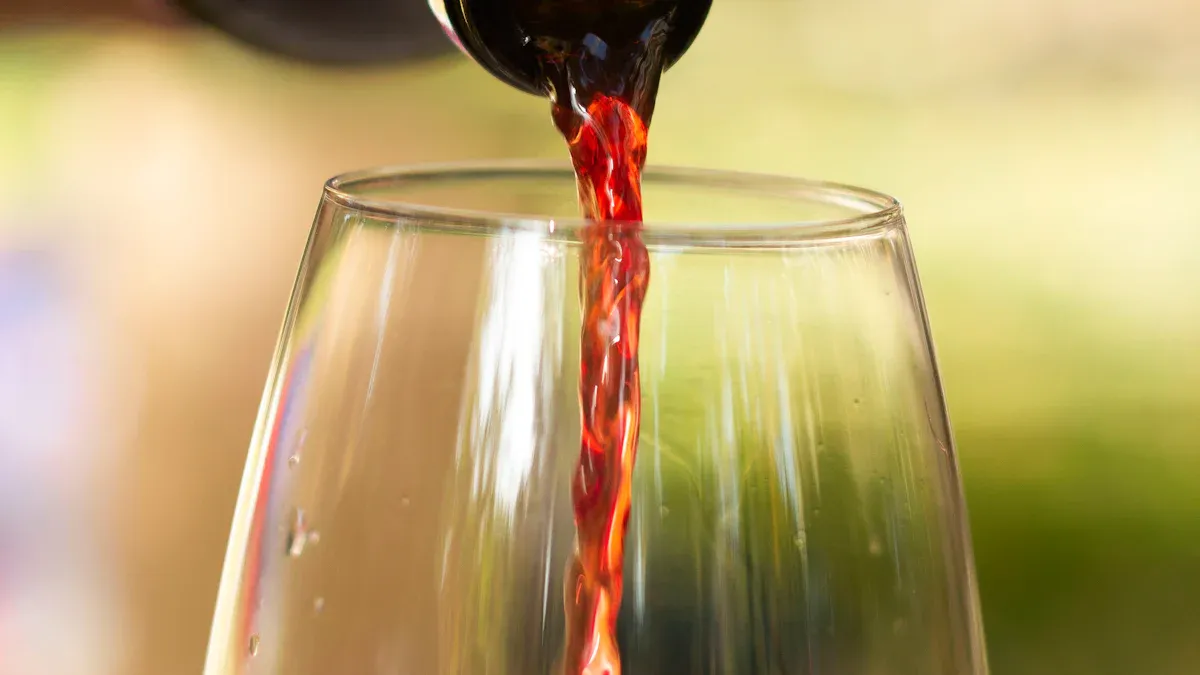
When you use cellulase enzyme in wine making, it breaks down the hard cell walls in grapes. This helps you get more juice and makes pressing grapes easier. You also get better color and stronger flavors because more things come out of the grape skins. Cellulase enzyme helps fix problems with clarification and filtration by breaking up big molecules. Because of this, your wine smells better and has a richer taste.
Key Takeaways
Cellulase enzyme breaks grape cell walls. This helps get more juice and color.
Using cellulase makes wine clearer. It also makes wine easier to filter. This improves how wine looks.
Enzyme blends with cellulase boost wine aroma and taste. This makes wine richer.
Adding cellulase early in grape processing gets more juice and flavor.
Cellulase is safe and approved for winemaking. It helps make good quality wine.
Winemaking Enzymes Overview
Common Enzyme Types
Winemakers use different enzymes to help make wine. Each enzyme has a special job. The main ones are cellulase, pectinase, and hemicellulase. These enzymes break down the tough grape skins and pulp. You can see what each enzyme does in the table below:
Enzyme | Role in Grape Processing and Wine Quality |
|---|---|
Cellulase | Helps get more juice and makes wine clearer. |
Pectinase | Makes grape skins easier to break, so more color and juice come out. |
Hemicellulase | Helps get juice and makes wine easier to clear. |
Tip: If you pick the right enzyme blend, you can get more juice or make your wine look clearer.
Functions in Wine Production
Enzymes make grape processing easier and help wine taste better. Cellulase Enzyme breaks grape cell walls. This lets you get more juice and makes pressing grapes easier. Pectinase works on pectin in the grape skins. This helps more color and flavor go into the juice. Hemicellulase helps get juice and makes wine clearer.
You can add these enzymes at different times. Some winemakers use them when crushing grapes. Others add them during maceration. Using the right enzyme at the right time gives you more juice, better color, and a nicer smell.
If you want your wine to be clearer and easier to filter, try enzyme blends. These blends have cellulase, pectinase, and hemicellulase. Picking the right enzyme can make your wine taste and smell better.
Cellulase Enzyme in Grape Processing
Mechanism of Action
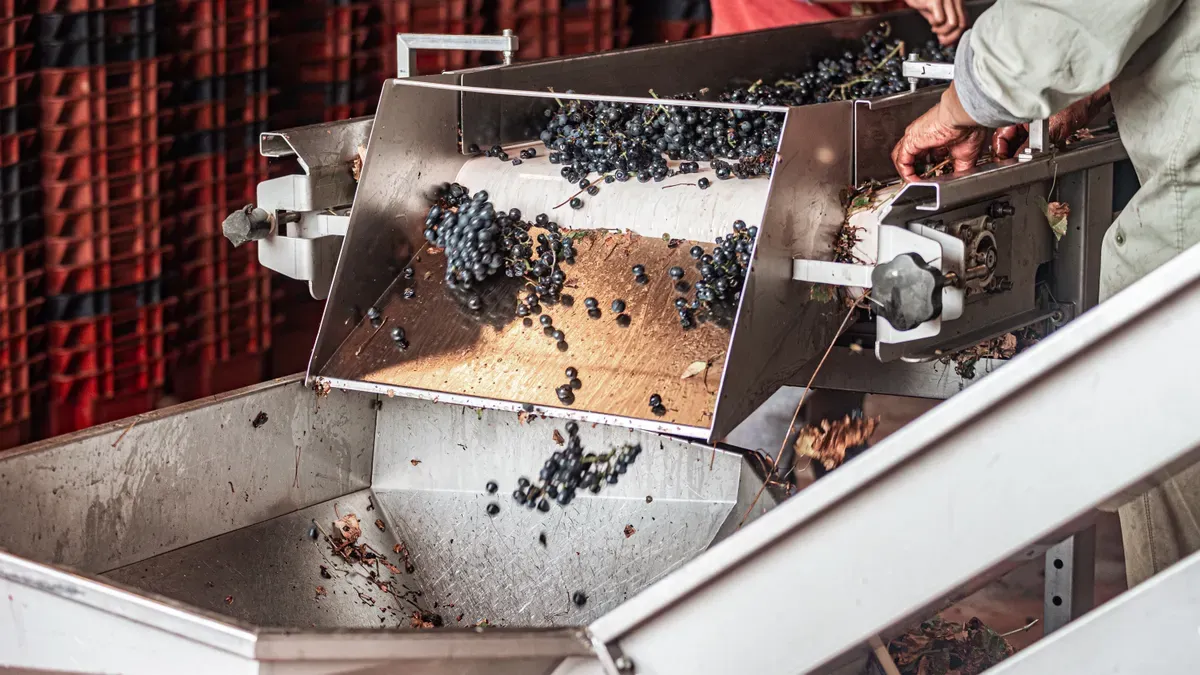
When you put cellulase enzyme on crushed grapes, something important happens. The enzyme looks for cellulose and hemicellulose in the grape cell walls. These fibers are strong and keep the grape cells together. During maceration and pressing, the enzyme breaks these fibers apart. This lets the grape cells open up. More juice, color, and flavor can come out.
You see this effect best when making red wine. Breaking cell walls helps anthocyanins and tannins come out. These compounds give red wine its color and structure. Using cellulase enzyme makes it easier to get these things from grape skins. It also helps make the wine color stronger and more stable.
New enzyme blends work even better now. For example, ViscoSEB L is a new blend that helps break down cell walls. It makes the grape mash less thick. This helps separate solids from liquids more easily. You get better filtration and a smoother winemaking process.
Note: Using cellulase enzyme helps you get more from each grape. This is good if you want strong color and flavor.
Effects on Juice and Phenolic Extraction
Cellulase enzyme does more than break cell walls. It helps you get more juice from grapes and brings out phenolic compounds. Here is what happens when you use this enzyme:
Cellulase treatments break down hydrocolloids. This gives you more juice.
The enzyme breaks down pectin. Juice flows out of grape pulp more easily.
You get more phenolic compounds like tannins and color pigments in your must.
The process releases more free terpenes and norisoprenoids. These are aroma compounds that make your wine smell better.
When you use cellulase enzyme during maceration, you see a big change in your must. The juice has more color and flavor. The wine also smells more complex. These changes help you make wine with more body and bouquet.
Tip: If you want more juice and better wine aroma, try adding cellulase enzyme early in grape processing.
Benefits of Cellulase Enzyme in Wine
Wine Aroma and Body
When you use Cellulase Enzyme, you get more smell and taste from grapes. The enzyme breaks the hard cell walls. This lets more smell compounds and sugars come out into the juice. Your wine can have a stronger smell and a fuller taste. The wine may feel smoother and taste more even.
Many enzyme blends have cellulase because it works well with other enzymes. These blends help you get more color and taste from grape skins. For example, ViscoSEB L and other blends can help release more terpenes and smell compounds. This means your wine will taste better and smell nicer.
Tip: If you want wine with a strong smell and a round taste, try enzyme blends with cellulase.
Clarity and Filtration
Clear wine looks better and is easier to put in bottles. Cellulase Enzyme helps by breaking pectin and big molecules in grape must. When these break, the juice is less cloudy. The wine is easier to filter and has less stuff at the bottom.
Studies show yeast protein with cellulase can make wine clearer than some old fining agents. This means you can get brighter wine with less work when filtering. Many winemakers use blends with cellulase to make wine clearer and filter faster.
Benefit | How Cellulase Helps |
|---|---|
Improved clarity | |
Faster filtration | Reduces juice thickness |
Less sediment | Makes solids easier to remove |
Note: Using cellulase can save time and help you make wine that looks as good as it tastes.
Cellulase vs. Other Enzymes
When making wine, you can use different enzymes. Each enzyme does something special. They help with grape processing in their own way. You should learn how cellulase, pectinase, and hemicellulase work. This helps you pick the best one for your wine.
Pectinase Comparison
Pectinase is used a lot in winemaking. It breaks down pectin, which is sticky and found in grape skins. When you add pectinase, your juice gets clearer. You also get more juice from the grapes. This enzyme helps remove haze and makes wine look bright. If you want clear juice and more liquid, pectinase is a good pick.
Cellulase Enzyme works on cellulose, a tough fiber in grape cell walls. Using cellulase gives you more juice and better color. It helps bring out pigments and flavors from the skins. Pectinase and cellulase are often used together in blends. This gives you the best results.
Tip: Use pectinase for clear juice and more yield. Use cellulase for deeper color and more flavor.
Hemicellulase Comparison
Hemicellulase works on hemicellulose, another part of grape cell walls. This enzyme helps make the must clearer and reduces haze. It works well with cellulase because they break down different things. When you use hemicellulase, your wine is easier to filter. There are fewer solids in the wine.
Here is a simple table that compares hemicellulase and cellulase:
Enzyme | Function | Impact on Juice Extraction and Wine Quality |
|---|---|---|
Hemicellulase | Degrades hemicellulose polysaccharides | Improves must clarification and reduces haze |
Cellulase | Breaks down cellulose in skins and pulp | Enhances juice extraction and pigment release |
Pick hemicellulase if you want clearer wine and less haze. Pick cellulase if you want more juice and color. Many winemakers use all three enzymes together. This gives the best mix of clarity, color, and flavor.
Note: The right enzyme or blend helps you make wine that looks, smells, and tastes better.
Using Cellulase Enzyme Effectively
Dosage and Timing
You need to use the right amount of enzyme for good wine. The amount you use can change with different grapes and products. Here is a table that shows how much to use for two popular enzyme products:
Enzyme Product | Dosage Range |
|---|---|
Lallzyme EX (dry) | 15-30 g/ton of must |
Scottzyme Color Pro | 60-100 mL/ton |
Add Cellulase Enzyme when you crush or soak the grapes. This helps break grape cell walls early. You get more juice and color this way. If you wait too long, you might not get all the benefits. Always mix the enzyme well so it spreads everywhere in the must.
Tip: If you are new to enzymes, start with a small amount. You can use more next time if you need to.
Challenges and Solutions
You might have some problems when you use enzymes in winemaking. Here are some common problems and ways to fix them:
Cloudy wine or slow filtration: Use the right amount and mix the enzyme well. If the must is too cold, the enzyme may not work. Try to keep the must warm but not hot.
Regulatory rules: You must follow the rules when you use enzymes. Cellulase is allowed for making wine clear and stable. The enzyme must come from Aspergillus niger. The FDA and 27 CFR § 24.246 say this is okay.
Over-extraction: If you use too much enzyme or leave it in too long, you might get too many tannins or a bitter taste. Always use the right amount and do not wait too long.
Note: Write down how you use enzymes. This helps you get better and follow the rules.
If you follow these steps, you can use enzymes safely and make better wine every time.
You can make wine better by using Cellulase Enzyme when you process grapes. This enzyme breaks the cell walls in grapes. It helps you get more juice, color, and smell from the grapes. Pressing and filtering the grapes also gets easier. New studies show these main benefits:
Breaks down plant cell wall parts, so you get more color.
Makes wine taste better, look clearer, and smell nicer.
Helps you press grapes, settle juice, and get more juice when making wine.
When you pick enzymes, check what each one does. Enzymes are helpers that make things happen faster. Hydrolases and lyases help get more color, tannins, smell, and clear juice. Pectinases help you get more color and juice. Hemicellulases and cellulases help make wine clear and easy to filter.
If you know how enzymes work, you can pick the best ones. You will get wine that is clearer and tastes better with less work. Try using enzyme blends to get the best wine.
FAQ
What does cellulase enzyme do in winemaking?
Cellulase enzyme breaks grape cell walls. This lets more juice come out. It also brings out more color and flavor. Your wine is easier to filter. It looks clearer in the bottle.
Can you use cellulase with other enzymes?
Yes, you can use cellulase with pectinase and hemicellulase. Using them together helps get more juice and color. It also makes the wine clearer. Many winemakers mix enzymes for better results.
Is cellulase enzyme safe for wine?
Cellulase enzyme is safe to use in wine. The FDA and wine rules say it is allowed. Always pick food-grade enzymes from trusted sellers.
When should you add cellulase enzyme?
Add cellulase enzyme when you crush or soak grapes. Using it early helps get more juice and color. Mix the enzyme well so it spreads everywhere.
Will cellulase affect wine taste?
Cellulase helps bring out more smell and flavor from grapes. Your wine can taste richer and smell stronger. It does not make any bad flavors.