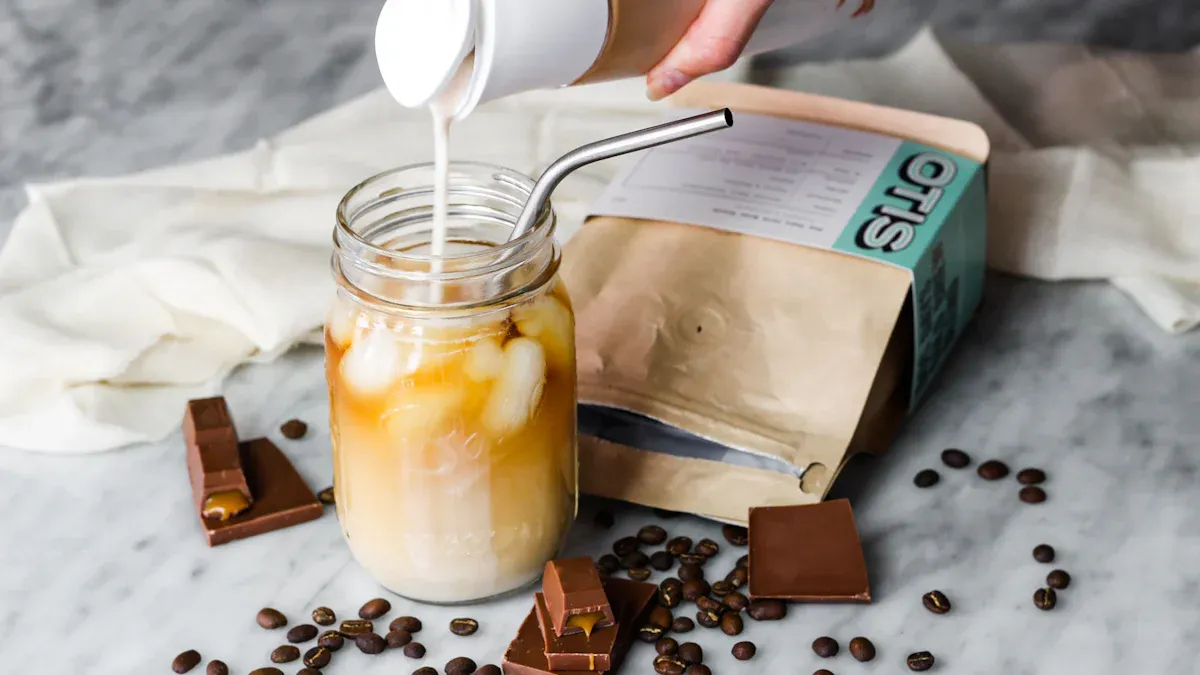
You want your coffee to taste good and feel good. That is why many people pick a clean‑label creamer with simple, natural things inside. People worry about sugar and additives in their drinks. This makes you look for better choices. Many coffee lovers now use creamers with no extra sugar or chemicals. You also see new plant-based and functional creamers everywhere. These changes seem cool, but every choice has tradeoffs.
Reason | Description |
|---|---|
There are fewer additives and preservatives. This gives you a cleaner cup of coffee. | |
Free from Lactose | It is good for people who cannot have lactose or have dairy allergies. |
Vegan-Friendly | It works for vegan diets. It also helps animal welfare and the planet. |
Key Takeaways
Pick clean-label creamers to get less additives and cleaner coffee.
Check for simple ingredient lists to see what is inside and avoid chemicals you do not want.
Think about your diet needs; many clean-label creamers are lactose-free, vegan, and good for allergies.
Know the tradeoffs; clean-label creamers might taste lighter and not last as long as regular ones.
Read labels closely to find the creamer that matches your health goals and what you like.
What is a clean‑label creamer
Simple ingredients and transparency
You see more coffee creamers with short ingredient lists now. People want to know what is in their food and drinks. When you pick a clean‑label creamer, you find simple things on the label. If you cannot say an ingredient, you might not buy it. Brands know this, so they use easy ingredients and show them on the package.
Here are some things you will notice:
Coconut-based options give a creamy feel
Plant-based ingredients you know
No fake flavors, colors, or preservatives
Labels that are simple to read
Tip: If you want to know more, pick products that list every ingredient and skip anything that sounds like a chemical.
Natural, organic, and non-GMO options
You see more creamers called natural, organic, or non-GMO. These words mean the creamer skips fake stuff and uses real food. Many people want clean ingredients for health and the planet. Some brands, like Chobani, started this by making simple products. Now, many companies do the same thing.
Here is what experts say makes a creamer “clean label”:
Description | |
|---|---|
Natural ingredients | No fake flavors, colors, preservatives, or synthetic additives |
Simplicity | Fewer chemicals and easy-to-know ingredients |
Transparency | Clear info about where ingredients come from |
Minimal processing | Does not use fake processing methods |
How clean-label differs from conventional
You may wonder how clean-label creamers are different from regular ones. The difference starts with what is inside. Clean-label creamers use plant oils like coconut or avocado oil. They do not use hydrogenated oils or fake sweeteners. You get natural sweeteners and real vanilla instead. Regular creamers use processed fats, thickeners, and fake flavors to last longer and taste richer.
Clean label standards give you honesty, simple ingredients, and things you know. Your body may feel better because you are not drinking fake fillers.
If you want a creamer that fits your values and health goals, clean-label choices let you control what you drink.
Benefits of healthy coffee creamer
Health advantages and fewer additives
If you pick a healthy coffee creamer, you skip lots of fake stuff. Most clean-label creamers use real ingredients, not chemicals or preservatives. This makes your coffee feel lighter and better for you. People care more about what is in their food now. They do not just count calories. A study showed that 64% of shoppers want short, simple ingredient lists. You also get less gums and stabilizers in these creamers. Regular creamers use those a lot. Plant-based creamers stay smooth in coffee without extra chemicals. Research shows they use special ways to do this.
You can feel happy because your healthy coffee creamer uses real food, not fake things.
Ingredient transparency and trust
You want to know what is in your drink. Healthy coffee creamer brands show every ingredient on the label. You can see where the ingredients come from and how it is made. This honesty helps you trust the brand. Clear labels also help you find allergens or things you do not want. Many creamers now show if they are vegan, kosher, or non-GMO. This means they meet certain rules.
Allergen info helps you pick safe creamers.
Production details make you feel sure.
Certifications show the creamer is high quality.
Allergen-friendly and dietary options
Healthy coffee creamer works for many diets. You can find ones that are lactose-free, gluten-free, and soy-free. This helps people with allergies or who avoid some foods. Many brands get special certifications to prove this. Here are some common ones:
Creamer Brand | Dietary Certifications |
|---|---|
Nut Pods Original Almond + Coconut Creamer | Dairy-Free, Kosher, Keto Friendly, Certified Vegan, Gluten-Free, Non-GMO Project Certified, Carrageenan and Soy free, Paleo-Friendly, Certified Glyphosate-Residue Free |
Califia Farms Vanilla Oat Creamer | Vegan, Gluten-Free, Kosher, Soy-Free, BPA Free, Carrageenan Free |
Silk Almond Milk Coffee Creamer | Dairy, Gluten, Carrageenan, Cholesterol, Artificial colors, Artificial flavors, GMO free |
You may see that healthy coffee creamer costs more. The price is higher because of better ingredients and certifications. For many people, the health benefits and peace of mind are worth it.
Tradeoffs of clean‑label creamer
Taste and texture differences
You care about how your coffee tastes. When you try unsweetened plant-based creamers, you notice a change right away. These creamers use nuts, oats, or coconut instead of dairy. Your coffee feels lighter and may taste a little like the main ingredient. Some people enjoy this mild flavor, but others miss the thick, creamy feel of regular creamers.
Companies try hard to make these creamers smooth and tasty. They do not use fake thickeners or stabilizers. Sometimes your coffee might look separated or not as silky. If you want a strong vanilla or caramel taste, these creamers might not be as bold. Taste matters a lot to most people. You want your coffee to taste good, so you may need to try different brands to find one you like.
Many coffee fans say taste is the most important thing. You want natural ingredients, but you also want your coffee to taste good every day.
Shelf life and storage
Shelf life is another thing to think about. Clean-label creamers do not have preservatives, so they do not last as long as regular creamers. Unsweetened plant-based creamers come as liquid or powder. Powdered creamers last longer because they do not have water. You can keep them without a fridge, which is helpful.
Here’s a quick look at how different creamers compare:
Creamer Type | Shelf Life (Opened) | Shelf Life (Unopened) |
|---|---|---|
Liquid dairy creamers | 7-10 days | N/A |
Liquid non-dairy creamers | 7-14 days | Shelf stable |
Powdered coffee creamer | N/A | Up to 24 months |
Flavored creamers | 7-10 days | N/A |
Powdered unsweetened plant-based creamers are shelf-stable. You do not need a fridge, so you can store them in your pantry. Liquid creamers need a fridge after you open them. You get a cleaner product, but it does not last as long. If you do not have much fridge space, powdered creamers are a smart pick.
Powdered creamers last longer and are easy to keep.
Liquid creamers need a fridge and go bad faster.
Fewer additives mean a cleaner product, but you must check the date.
Price and accessibility
You notice the price when you shop for unsweetened plant-based creamers. Clean-label creamers cost more because they use better ingredients and skip cheap fillers. You pay extra for things like organic, non-GMO, or vegan labels. Some people think the health benefits are worth it, but others buy regular creamers because they are cheaper.
It is easier to find unsweetened plant-based creamers now. Big stores and supermarkets have more choices. You see brands with simple ingredients and eco-friendly packages. Still, some special creamers are only online or in health food stores. If you live in a small town, you may not find every brand in the store.
You pay more for clean-label creamers, but you get better ingredients and peace of mind. If price is most important, you might pick regular creamers.
Convenience and availability
You want your coffee routine to be easy. Unsweetened plant-based creamers help in some ways. Powdered creamers do not need a fridge, so you can take them anywhere. You can keep them at work, in your bag, or on a trip. Liquid creamers need a fridge, and you must use them soon after opening.
Big grocery stores now sell more unsweetened plant-based creamers. Supermarkets and hypermarkets have almost half of these products. You see more brands each year because people want healthier and greener choices. If you want a clean-label creamer, you have more options now.
Unsweetened plant-based creamers use simple, easy-to-know ingredients.
You can find them in big stores and online.
More people want healthy, eco-friendly creamers.
Companies work hard to make these creamers taste good and last longer. They use new technology to keep the texture smooth and the shelf life long. You get these benefits, but you may still notice some differences from regular creamers.
You want things to be easy and taste good. Unsweetened plant-based creamers give you both, but you need to read labels and try different kinds to find your favorite.
Comparing clean-label and conventional creamers
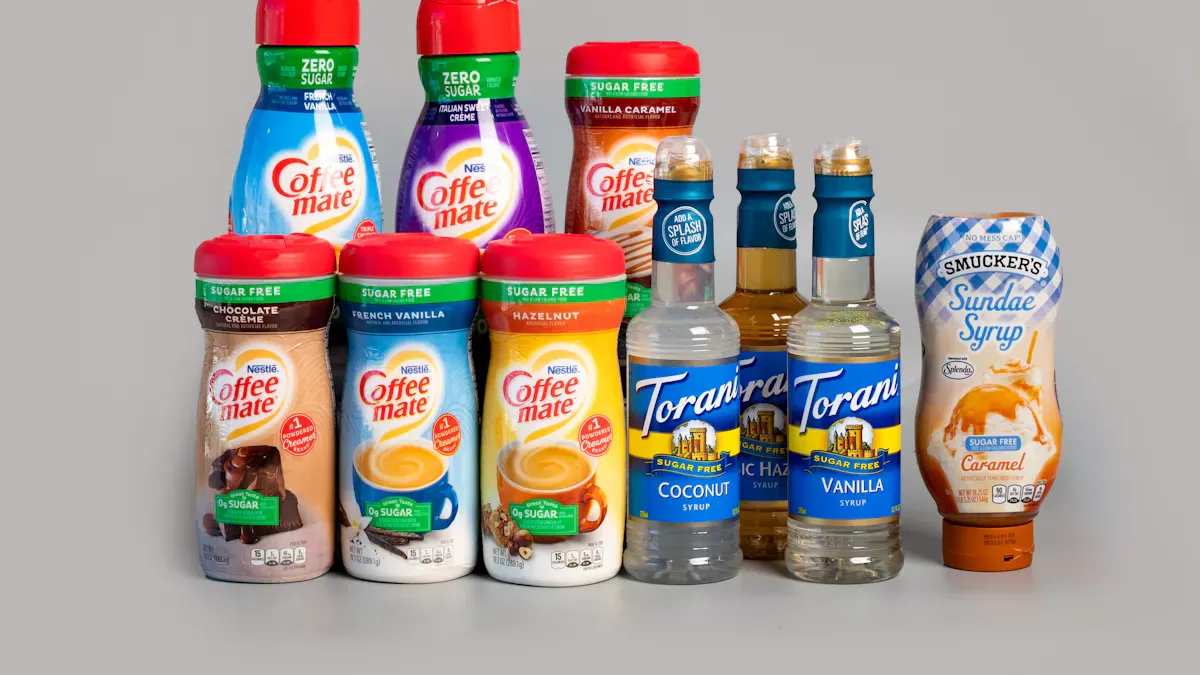
Key factors: taste, texture, ingredients
When you pick coffee creamers, taste and texture matter most. You also care about what goes inside. Clean-label creamers feel different from regular creamers. Unsweetened plant-based creamers use oats, nuts, or coconut. These make your coffee smooth and creamy. The taste is lighter and may have a nutty or oaty hint. Dairy creamers taste richer and feel thicker because they use milk or cream.
Unsweetened plant-based creamers do not leave a strong aftertaste. Many people like this clean finish. The ingredients are another big difference. Clean-label creamers use whole foods. They skip artificial flavors, colors, and preservatives. Conventional creamers use processed oils, gums, and sweeteners. These help them last longer and taste sweeter.
Here’s a table to compare:
Factor | Clean-label/Unsweetened Plant-Based Creamers | Conventional/Dairy Creamers |
|---|---|---|
Taste | Mild, sometimes nutty or oaty | Rich, creamy, sometimes sweet |
Texture | Smooth, sometimes lighter | Thick, silky, very creamy |
Ingredients | Whole foods, no artificial additives | Processed oils, gums, sweeteners |
Aftertaste | Clean, natural | Can be heavy or artificial |
Tip: If you want simple ingredients and a lighter taste, try unsweetened plant-based creamers.
Pros and cons overview
You want to know the good and bad sides before you choose. Let’s break it down:
Pros of unsweetened plant-based creamers:
Use simple, whole-food ingredients
No artificial flavors or preservatives
Often lactose-free, vegan, and allergy-friendly
Better for the environment
Many people see them as healthier
Cons of unsweetened plant-based creamers:
Can taste different from dairy creamers
Texture may be lighter or separate in hot drinks
Shorter shelf life if liquid
Sometimes cost more than regular creamers
Not every store carries all brands
Pros of conventional dairy creamers:
Rich, creamy taste that many people love
Thick texture blends well in coffee
Long shelf life
Easy to find in most stores
Usually less expensive
Cons of conventional dairy creamers:
Often use artificial flavors, colors, and preservatives
May contain processed oils and added sugars
Not suitable for vegans or people with dairy allergies
Can leave a heavy aftertaste
Note: You have more choices now. Pick what matters most—taste, health, or price.
Unsweetened plant-based creamers vs. dairy
You might wonder how unsweetened plant-based creamers compare to dairy creamers. Many people now pick plant-based options. They want a clean-label creamer. More shoppers reach for these because they want something healthier and better for the planet.
More people choose unsweetened plant-based creamers for health and environmental reasons.
You get a product made from oats, nuts, or coconut, which gives a creamy feel without dairy.
These creamers use simple ingredients and skip artificial additives.
Many customers say they like the clean taste and the fact that these creamers do not have extra sugar.
Plant-based creamers often come with extra benefits, like prebiotic fiber from oats.
Modern unsweetened plant-based creamers, like those made from organic oats, give you a rich and creamy coffee without the worries of dairy. For example, some oat creamers use only organic oats and water, so you avoid refined oils and preservatives. You get a natural sweetness and a smooth blend in your cup.
If you care about nutrition, unsweetened plant-based creamers usually have fewer calories and less fat than dairy creamers. They also do not have cholesterol. You might miss the thick, rich taste of dairy, but you gain a lighter, cleaner drink.
If you want a creamer that matches your health goals and values, unsweetened plant-based creamers give you a lot of options. You can enjoy your coffee and feel good about what you drink.
Choosing your ideal coffee creamer
Identifying priorities and preferences
You want your coffee to match your life. First, think about what is most important to you. Do you care more about health, taste, or price? Maybe you want a coffee creamer that does not have extra sugar or fat. Many people pick unsweetened plant-based creamers because they do not have lactose and are vegan. These creamers are good for people who cannot have dairy or want more flavors. If you like simple drinks, you might look for clean ingredients.
Here are some things to think about:
Health goals: Choose creamers with less sugar and fat.
Taste: Try different unsweetened plant-based creamers to find the one you like best.
Budget: Pick creamers that are not too expensive but still good quality.
Convenience: Find creamers that are easy to buy or keep, like shelf-stable ones.
Tip: About 59% of people like non-dairy creamers because they are healthy and have many choices.
Reading labels and ingredient lists
You should always check the label before you buy a creamer. The label tells you what is inside and helps you stay away from things you do not want. Look for plant-based creamers with easy-to-read ingredient lists. Some creamers use vegetable oil to make them creamy. Others add corn syrup or sugars, which can make them have more calories. If you do not want dairy, watch out for sodium caseinate. Flavorings can be natural or fake. Emulsifiers and stabilizers help the creamer stay smooth.
Key Element | Details |
|---|---|
Vegetable Oil | Makes creamers creamy. |
Corn Syrup and Sugars | Adds sweetness and calories. |
Sodium Caseinate | A milk protein—avoid if you want dairy-free. |
Flavorings | Can be natural or artificial. |
Emulsifiers and Stabilizers | Helps texture and prevents separation. |
Always read the ingredient list so you get the clean ingredients you want.
Balancing tradeoffs for your needs
You need to balance what you want with what you can buy. Unsweetened plant-based creamers are healthy and work for many diets. They might cost more or taste lighter than dairy creamers. Healthy coffee creamers may not last as long. You might have to try a few brands to find your favorite. Think about your daily routine and what is most important to you. If you want something easy, powdered unsweetened plant-based creamers are simple to store and take with you.
You can find a coffee creamer that fits your health, taste, and budget. Try different kinds and read the labels to pick the best one for you.
If you start using a healthy coffee creamer, you may feel more energy. Your blood sugar can stay steady, and your coffee time may feel more special. Many people say they feel full longer and make better choices all day. Picking a clean‑label creamer gives you simple ingredients. You might pay extra or notice the taste is different. There are more creamers to try now, and new flavors come out often. Think about what is important to you, and have fun making your coffee just how you like it.
Better blood sugar and steady energy
Healthier morning habits
Feeling full and able to focus
There are more healthy coffee creamers now, so you can find one that fits you best.
FAQ
Can clean-label creamers taste as good as regular creamers?
You might notice a lighter taste with clean-label creamers. Some brands get close to dairy creamers, but you may need to try a few to find your favorite. Taste depends on the main ingredient.
Do clean-label creamers need refrigeration?
Most liquid clean-label creamers need a fridge after you open them. Powdered creamers stay fresh in your pantry. Always check the label for storage instructions.
Are clean-label creamers safe for people with allergies?
Many clean-label creamers are allergy-friendly. You can find options that are lactose-free, gluten-free, and soy-free. Always read the ingredient list to make sure it fits your needs.
Why do clean-label creamers cost more?
You pay more for clean-label creamers because they use high-quality ingredients and skip cheap fillers. Certifications like organic or non-GMO also add to the price.
How can I choose the best clean-label creamer for me?
Step | What to Do |
|---|---|
1 | Check your health goals |
2 | Read the ingredient list |
3 | Try different brands |
4 | Compare prices and taste |