
You likely use things every day that have propylene glycol, even if you do not know it. This ingredient helps your skin stay moist. It makes lotions and creams feel soft. It also helps products last longer. Propylene glycol works as a moisturizer. It makes things feel nice and smooth. It helps important ingredients get into your skin in both cosmetics and medicines. In 2020, the medicine and healthcare field used about 25% of all propylene glycol. Cosmetics and personal care used about 20%. These numbers show it is very common in things you use every day.
Key Takeaways
Propylene glycol helps skin stay moist. It pulls water from the air. It makes a barrier to keep moisture in.
It makes lotions and creams feel smooth. It helps them become thick. It is easy to spread on skin.
This ingredient helps other important ingredients go deeper. It lets them reach more layers of skin. This gives better results.
Propylene glycol works as a preservative. It stops bacteria and mold. This keeps products fresh and safe.
Experts say propylene glycol is safe if used right. People with sensitive skin should test products first.
Overview
What is Propylene Glycol
Propylene glycol is in many things you use every day. It is a man-made liquid. Its chemical formula is C3H8O2. The liquid is clear and has no smell. It tastes a little sweet. Chemists also call it propane-1,2-diol or 1,2-propanediol. It is not the same as ethylene glycol, which is harmful. Propylene glycol is safe in food and medicine. Factories make it from propylene oxide. They use heat or special chemicals to make it. This liquid can pull water from the air. That helps keep things moist. It stays safe at room temperature. But it can break down if it gets too hot.
Key Properties
Here are some main things about propylene glycol that make it helpful in cosmetics and medicine:
Property | Description / Value |
|---|---|
Molecular Formula | CH3CHOHCH2OH |
Molecular Weight | 76.10 g/mol |
Physical State | Viscous liquid, colorless, odorless |
Melting Point | Approximately -60 °C |
Boiling Point | Around 187-189 °C |
Density | About 1.036 g/mL at 25 °C |
Vapor Pressure | 0.08 mm Hg at 20 °C |
Refractive Index | ~1.432 at 20 °C |
pH | 6-8 (in 100 g/L aqueous solution at 20 °C) |
Solubility | Mixes well with water, acetone, ethyl acetate, and chloroform; not with petroleum ether or paraffin oil |
Hygroscopic Nature | Absorbs moisture from air |
Chemical Reactivity | Reacts with acids to form esters; oxidizes at high temperatures |
Stability | Stable at room temperature; can be sterilized by autoclaving or filtration |
Compatibility | Not compatible with strong oxidants like potassium permanganate |
Functional Roles | Works as a solvent, humectant, preservative, and plasticizer; helps keep products stable |
Usage Concentrations | Used in amounts from 5% to 80% depending on the product |
Note: These things help propylene glycol keep lotions smooth. It also keeps medicine stable and your skin moist.
Propylene Glycol in Cosmetics
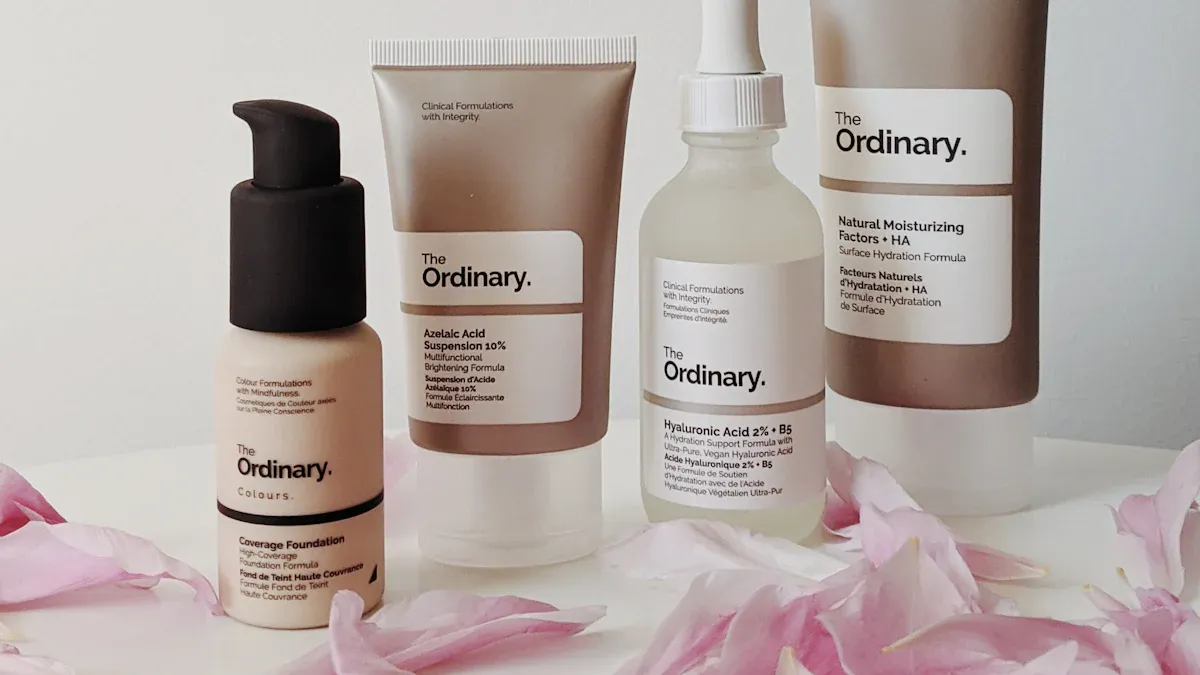
Moisturizing Effects
Many skin care products say they are moisturizers. Propylene Glycol helps your skin hold water. It acts as a humectant. This means it pulls water from the air and keeps it in your skin. Your skin stays soft and smooth. Scientists found that creams with propylene glycol and glycerol help your skin stay healthy. The ingredient makes a thin layer on your skin. This layer keeps water inside and helps your skin heal.
Propylene Glycol does more than bring in water. It also works as an emollient. This means it makes a barrier so water does not leave your skin. You get two kinds of protection. More water comes in, and less water leaves. Experts say propylene glycol is light and not greasy. It feels nice on your skin. It works well with other humectants like glycerin and hyaluronic acid. You get the best results when it is mixed with other ingredients that keep moisture in.
Tip: To keep your skin hydrated, choose products with propylene glycol and other humectants.
Texture Improvement
You want your lotion to feel smooth and easy to use. Propylene Glycol helps with this. It acts as a solvent and emulsifier. It mixes water and oil together. This keeps your cream or lotion thick and even. Products with propylene glycol do not separate or feel rough.
Propylene Glycol makes creams and lotions thicker and smoother.
It helps products spread well on your skin.
You feel a silky, smooth touch when you use these products.
The FDA says propylene glycol is safe in cosmetics.
When you use hand cream or lotion, you want it to glide on your skin. Propylene Glycol makes this happen. It keeps moisture in and gives products a nice feel. You like using these products because they feel soft and work well.
Ingredient Delivery
You want your skin care to work well. Propylene Glycol helps important ingredients go deeper into your skin. It acts as a carrier and helps things get through your skin’s outer layer.
Propylene Glycol works in two ways. First, it dissolves both water and oil ingredients. Second, it makes your skin easier for actives to pass through. Scientists found that propylene glycol and similar ingredients help actives enter your skin. In nanoemulsion systems, propylene glycol keeps ingredients stable and helps them work better. You get more from your skin care because the actives reach where they need to go.
Propylene Glycol helps both water-loving and oil-loving ingredients get into your skin.
It works with other solvents to help delivery.
You get better results from creams and serums with propylene glycol.
Preservation
You want your cosmetics to last and be safe. Propylene Glycol helps with this. It acts as an antimicrobial agent and preservative. This means it stops bacteria and mold from growing in your products. Propylene Glycol also helps other preservatives work better.
Propylene Glycol breaks the cell walls of microbes, so they cannot live.
It makes other preservatives stronger, so your products stay fresh.
It works well in products for sensitive skin and babies.
Propylene Glycol also keeps your creams and lotions stable. It stops ingredients from separating and helps products handle changes in temperature. You get a product that stays smooth and works well for a long time.
Note: Propylene Glycol helps your cosmetics stay safe, fresh, and stable, so you can use them without worry.
Propylene Glycol in Pharmaceuticals
Solvent Role
Propylene glycol is in many medicines you use. It is found in pills, creams, and shots. Drug makers use it to help mix things that do not blend with water. This makes medicine clear and stable. Some shots, like anesthetics, need propylene glycol to keep the medicine mixed well. The U.S. uses a lot of propylene glycol in medicine because it works and is safe. The FDA says it is Generally Recognized As Safe (GRAS). You can trust it in your medicine.
Many new drugs do not mix well with water. Over 40% of new medicines have this problem. Propylene glycol helps fix it. When added to water, it changes how drugs dissolve. This helps your body take in the medicine better. Scientists use models to show how propylene glycol helps drugs like diazepam and atenolol dissolve. This means your medicine can work better for you.
Tip: If you see propylene glycol in your medicine, it helps the drug mix and work well.
Carrier for Actives
Medicines need to get the right ingredients to the right place. Propylene glycol helps carry these ingredients in your body. It moves drugs through your skin, into your blood, or to where you need them. You find it in pills, shots, and skin creams. Drug makers pick propylene glycol because it can mix with many drugs, like vitamins and anesthetics.
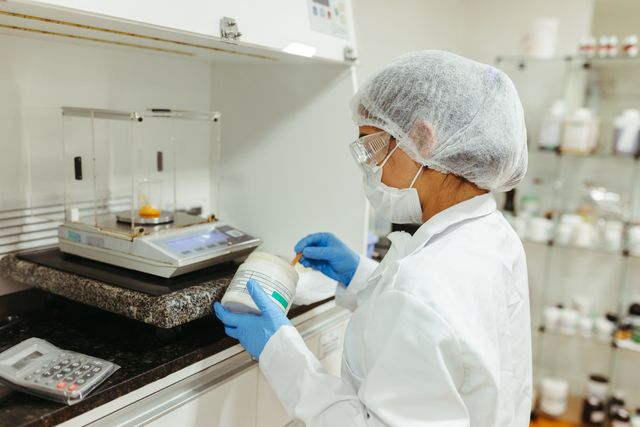
Pharmaceutical grade propylene glycol is very clean and pure. It must meet strict rules from the FDA and other groups. This keeps your medicine safe and working right. Propylene glycol also mixes well with other solvents like ethanol and glycerin. You get safe and stable medicine because of this.
Propylene glycol helps your body use medicine better. In skin creams, it helps drugs go through your skin. Studies show it can help drugs get into your skin up to 11 times more. In pills, it helps drugs dissolve so your body can use them.
Application Type | How Propylene Glycol Helps |
|---|---|
Oral | |
Injectable | Keeps medicine mixed and even |
Topical | Helps drugs get through skin and work better |
Note: Propylene glycol helps your medicine go where it needs to and work as it should.
Stabilizer & Preservative
You want your medicine to stay safe and fresh. Propylene glycol helps by keeping medicine stable and lasting longer. It stops medicine from breaking down or separating. In eye drops and special creams, propylene glycol keeps things clear and steady, even after a long time.
Drug makers use propylene glycol to help medicine last longer. It holds moisture, which stops germs from growing and keeps medicine from going bad. Propylene glycol for medicine must be very pure. This keeps your medicine safe and strong.
Propylene glycol helps drugs that do not mix with water stay stable.
It carries preservatives to keep medicine fresh.
It holds moisture, stopping bacteria and mold.
Good packaging and storage keep medicine safe from germs.
Tip: Medicines with propylene glycol often last longer and stay safe because it helps keep them stable and fresh.
Benefits & Safety
Main Benefits
Products with propylene glycol have many good points. This ingredient helps your skin stay moist and soft. It mixes other ingredients together well. You find it in lotions, creams, and medicines. It helps important ingredients go deeper into your skin. It also keeps products fresh by stopping germs. Here are some main benefits:
Holds moisture in your skin as a humectant
Mixes ingredients in medicines and cosmetics
Helps active ingredients reach your skin
Stops germs as an antimicrobial preservative
Has low toxicity and no strong smell or color
Makes products last longer and stay stable
Note: Propylene glycol does many jobs. It helps make cosmetics and medicines work better and stay safe.
You might wonder how propylene glycol compares to other ingredients. The table below shows how it matches up with propanediol and dipropylene glycol:
Feature/Aspect | Propylene Glycol (PG) | Propanediol | Dipropylene Glycol (DPG) |
|---|---|---|---|
Source | Petrochemical | Renewable (corn) | Petrochemical |
Skin Irritation | Possible | Lower | Lower |
Moisturizing | Good | Good | Superior |
Cost | Low | Higher | Higher |
Sensory Feel | Standard | Milder | Milder |
Regulatory Status | GRAS, widely used | Gaining popularity | Preferred for sensitive |
Safety Profile
You want to know if propylene glycol is safe. Most people use it without any problems. Studies show it does not cause cancer or birth defects. Your body breaks it down into safe parts. You find it in food, medicine, and skin care because experts trust it.
Some people may get skin reactions. You might see redness, itching, or swelling. Rarely, you could get hives or eczema. If you eat or breathe in a lot, you may feel sick or dizzy. Most reactions are mild and go away fast. Doctors use patch tests to check for allergies.
Eye irritation: burning, tearing, blurred vision
Breathing problems: coughing, wheezing
Stomach upset: nausea, vomiting
Heart and nerve effects: rare, only with high exposure
Tip: If your skin is sensitive, test new products on a small spot first.
Regulations
You want to trust the products you use. Propylene glycol follows strict rules in the United States and other countries. The FDA says it is “Generally Recognized As Safe” (GRAS) for food and medicine. Cosmetic makers must follow safety rules. Labels must list propylene glycol if it is in the product. You can check the label if you are worried.
Regulators look for new research and update rules when needed. Companies must use pure forms in medicines and follow safe limits. You get safe products because experts check how much propylene glycol goes into each item.
Note: You can feel sure about using products with propylene glycol. Experts and regulators make sure they are safe.
You get many good things from products with this ingredient. It keeps your skin moist. It makes creams feel nice and smooth. It helps medicine work better in your body. Experts and rule makers say it is safe if you use it the right way. Always read the label and ask a doctor if you worry.
As people care more about safety and the planet, this ingredient stays important in today’s cosmetics and medicines.
FAQ
Is propylene glycol safe for sensitive skin?
Most people can use propylene glycol without problems. If you have sensitive skin, you might notice redness or itching. You should test a small amount first. If you see a reaction, stop using the product and talk to your doctor.
Can you find propylene glycol in food?
Yes, you can find propylene glycol in some foods. It helps mix flavors and keeps food moist. The FDA says it is safe to eat in small amounts. You can check food labels if you want to avoid it.
Why do companies use propylene glycol in medicine?
You see propylene glycol in medicine because it helps mix ingredients. It makes medicine stable and easy to use. It also helps your body absorb the medicine better. Drug makers choose it because it works well and is safe.
Does propylene glycol cause allergies?
You can have an allergy to propylene glycol, but it is rare. Signs include rash, itching, or swelling. If you think you have an allergy, stop using the product. You should ask your doctor for advice.