You can pick from different types of pectin for jam. Each type changes your jam in its own way. High methoxyl pectin is good for a classic, sweet jam. Low methoxyl pectin helps you make jams with less sugar. It uses calcium to set instead of sugar. Amidated pectin lets you use even less sugar. It also gives you more choices in how you make jam.
Think about how you want your jam to taste and feel. The type you pick changes how sweet or firm your jam is. It can also change the health benefits of your jam or jelly.
Key Takeaways
Pick high methoxyl pectin for classic sweet jams. These jams need lots of sugar and acid to gel.
Choose low methoxyl pectin for low-sugar or sugar-free jams. This type uses calcium instead of sugar.
Amidated low methoxyl pectin lets you reheat and reset your jam. This gives you more control over the texture.
Use pectin NH for soft glazes. Pick yellow pectin for firm marmalades. Choose based on what your recipe needs.
Always match the pectin type to your recipe. This helps you get the best texture and sweetness.
What Is Pectin for Jam?
Pectin Definition
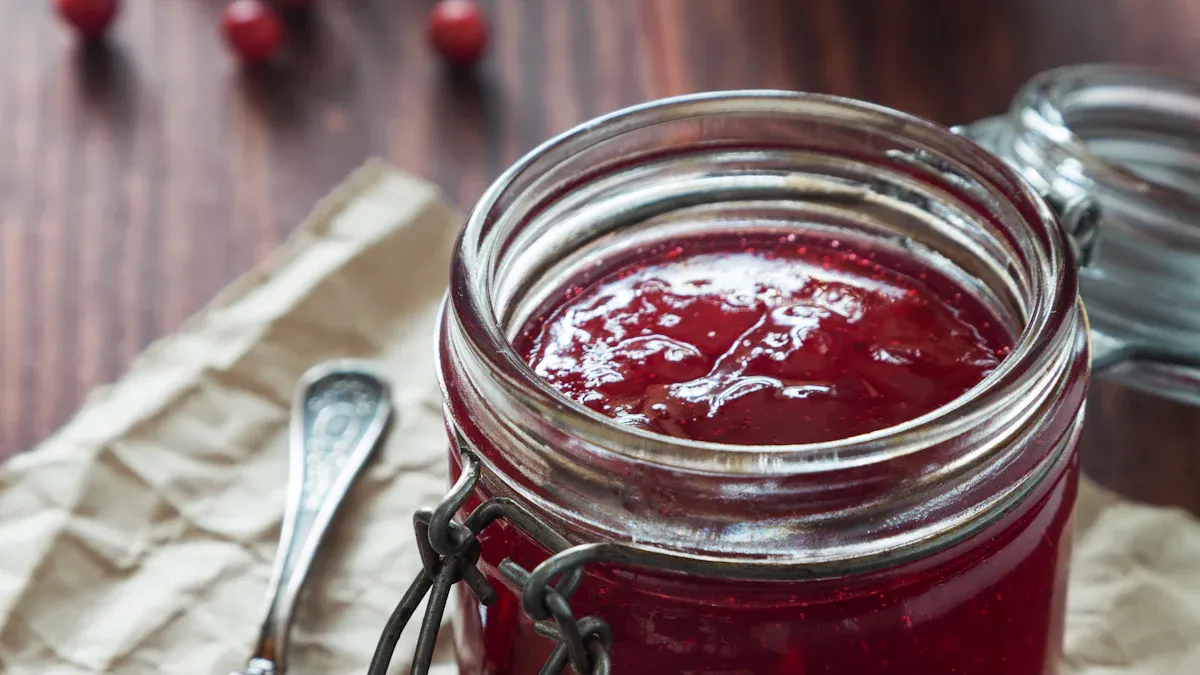
Pectin for jam is a natural part of many fruits. It is a plant fiber that helps fruit keep its shape. When you make jam, pectin is the main thing that makes it gel. It forms a web that holds water and juice. This gives jam its thick and spreadable feel. You can look at the table below to see how pectin works:
Aspect | Description |
|---|---|
Chemical Structure | Pectin is a polysaccharide made of galacturonic acid units. It has carboxyl groups that can be methyl esterified or left free. |
Gel Formation | Pectin makes a gel when heated with sugar and acid. It traps water and fruit juices. |
Texture Enhancement | It makes jam smoother and stops fruit and liquid from separating. |
Thickening Agent | Pectin thickens the fruit mix and gives jam more body. |
Preservative Properties | It helps keep jam fresh by stopping germs and locking in flavor. |
Flavor Enhancement | Pectin holds in fruit juices and boosts the sweet and tart taste. |
Why Pectin Matters
You need pectin to make jam thick instead of runny. Pectin works with sugar, acid, or calcium to make a gel. This is important for both regular and low-sugar jams. Here is how pectin helps in jam-making:
Pectin is a plant gelling agent that gives jams structure.
It works with sugar, acid, or calcium to make a gel.
There are different types of pectin:
High Methoxyl (HM) Pectin needs lots of sugar and acid to gel.
Low Methoxyl (LM) Pectin uses calcium, so it is good for low-sugar jams.
Pectin forms a web that holds liquids as jam cools. This gives you the right texture.
Natural vs. Added Pectin
Fruits like apples, citrus, and some berries have natural pectin. When you cook these fruits with sugar and acid, the pectin helps the jam set. But not all fruits have enough pectin. If you want your jam to set every time, you can add pectin. Store-bought pectin helps you make jam faster and get the same results each time. It works with ripe fruit and lets you make low-sugar or no-sugar jams. Apple pectin makes a soft, stretchy gel. Citrus pectin makes a firmer jam. Using different pectins lets you pick the texture and sweetness you want, whether you like classic or low-sugar jam.
Different Pectins for Different Jobs
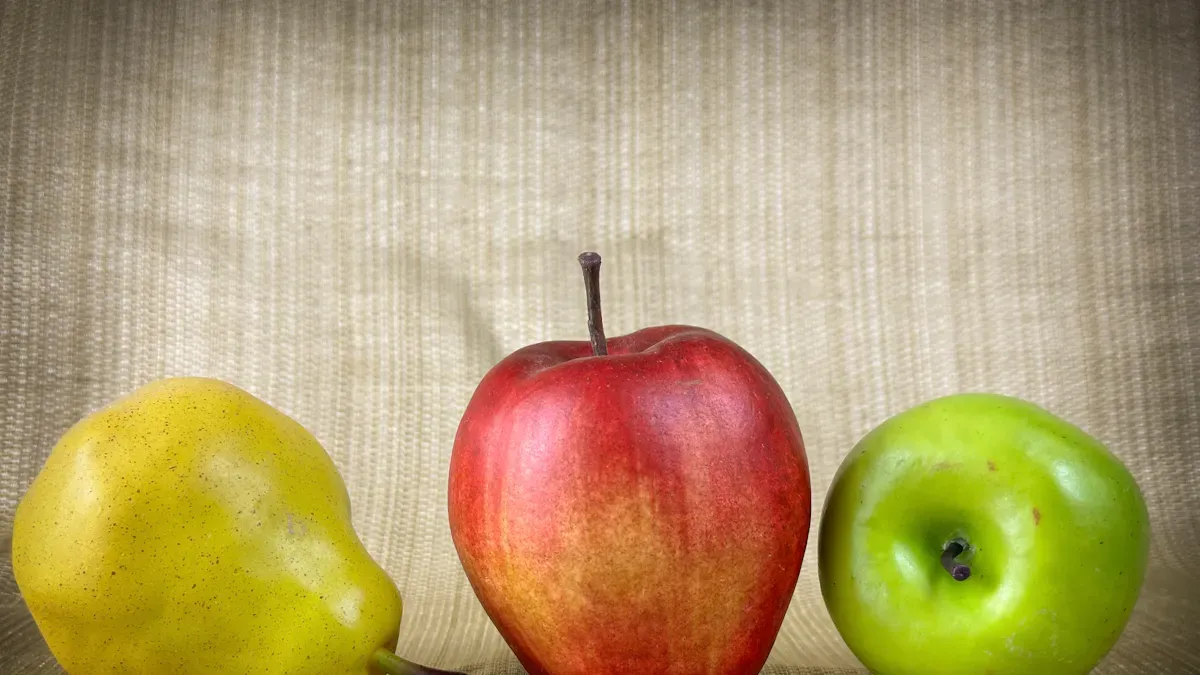
When you make jam, you can pick from many pectins. Each kind works best for certain recipes. The type you use changes the jam’s texture and sweetness. It also depends on the fruit you choose.
High Methoxyl (HM) Pectin
High methoxyl pectin is used for most jams and jellies. You need sugar and acid to make it gel. There are two main types: rapid set and slow set. Each one is good for different things.
Characteristic/Use | Description |
|---|---|
Needs both sugar and acid to gel. | |
Forms | Comes in rapid set and slow set. |
Ideal for Small Batches | Rapid set works well for small batch jams. |
Ideal for Commercial Use | Slow set is better for large, commercial batches. |
Thermo-Irreversible | Will not melt during baking, so it is good for bakeproof jams. |
Rapid set gels fast and at higher heat. It is good for jams with fruit pieces. Slow set works slower and at lower pH. It is better for big batches and clear jellies.
Type of Pectin | Characteristics | Applications |
|---|---|---|
Quick gel formation, sets at higher temperatures, prevents early gelation | Best for jams with fruit pieces, small containers, and artisanal batches | |
Slow-set HM Pectin | Works at lower pH, slower gel formation, good for large batches | Great for clear jellies, confections, and prevents early gelation in large-scale production |
Tip: Use rapid set if you want fruit pieces in your jam. Pick slow set for smooth jellies or big batches.
Low Methoxyl (LM) Pectin
Low methoxyl pectin is good for jams with less sugar. It does not need much sugar to gel. Instead, it uses calcium to set. You can use it for low-sugar or sugar-free jams.
Calcium ions help the pectin chains stick together.
More calcium makes the jam firmer.
You need about 25mg of calcium for each gram of LM pectin.
It works in a pH range of 2 to 6 and with 10% to 80% solids.
This gel can melt and reset if you heat it.
Property/Interaction | Description |
|---|---|
Degree of Esterification (DE) | Less than 50%, unlike HM pectin which has more than 50%. |
Gelling Mechanism | Gels with calcium ions, not sugar. |
Sugar Requirement | Works with little or no sugar. |
Calcium Interaction | Calcium bridges connect pectin chains to make a stable gel. |
Gel Conditions | pH 2-6, 10%-80% solids, gel can melt and reset. |
Note: You can change how firm your jam is by adding more or less calcium. This gives you more control than HM pectin.
Amidated LM Pectin
Amidated LM pectin is a special kind of LM pectin. It does not need as much careful measuring of calcium. This makes it easier to use. Jams made with this pectin can be melted and set again.
It is less sensitive to calcium, so it is simple to use.
You can melt and reset your jam if you need to fix it.
Tip: If you want to reheat and reset your jam, use amidated LM pectin.
Pectin NH and Yellow Pectin
Pectin NH and yellow pectin are used for special jobs. Pectin NH is great for soft, shiny glazes and fruit fillings. It works well in recipes that are not very acidic. Yellow pectin is best for marmalades and firm, bright jellies.
Type of Pectin | Applications |
|---|---|
Pectin NH | Glazes, coulis, fruit fillings, keeps fresh fruit flavor, works in less acidic recipes |
Yellow Pectin | Marmalades, pâte de fruit, high-sugar preserves, gives a firm set in traditional jam-making |
Pectin NH makes soft, shiny glazes for cakes and tarts.
Yellow pectin is good for firm, bright jellies and fruit pastes.
Note: Use Pectin NH for glossy fruit toppings. Use yellow pectin for marmalades and firm jams.
Forms of Pectin and Their Safety
You can buy pectin as powder, liquid, or modified. Each form has its own uses and safety rules.
Pectin Type | Suggested Uses | Advantages | Limitations | Food Safety Notes |
|---|---|---|---|---|
Powdered pectin | Traditional jams, jellies, baked fillings | Shelf-stable, easy to measure | Not interchangeable with liquid pectin | Use tested recipes to ensure safety |
Liquid pectin | Soft-set jams, added late in cooking | Easy for beginners, predictable | Shorter shelf life, fixed packet size | Use tested recipes, check pH |
Reduced/no-sugar jams, yogurt fillings, preserves | Sugar-flexible, wide pH range | Needs calcium, higher cost | Use tested recipes, check calcium and pH | |
Modified pectin | Low-sugar jams, beverages, functional foods | Customizable, versatile | Higher cost, label concerns | Must be GRAS, follow tested canning recipes |
Always use recipes from trusted places like the USDA. This helps keep your jam safe and tasty.
Citrus Pectin and Reheating
Citrus pectin is often used in store-bought pectin. It makes jam firm and can handle reheating. This is helpful if you need to fix your jam after cooking.
If you need to reheat your jam, citrus pectin will help keep it firm.
Now you know how to choose the right pectin for your jam. Each type has its own good points. Try different kinds to see what works best for you.
How Pectin Types Affect Your Recipe
Setting and Texture
When you choose pectin for jam, you decide how your jam will set and feel. High methoxyl pectin gives you a firm, classic texture. You need a lot of sugar and acid to get this perfect gel. This type works well if you want a solid jam that holds its shape on toast. Low methoxyl pectin creates a softer set. It uses calcium instead of sugar to form the gel. This makes the jam smoother and lets the fruit flavor shine.
The gelling process for low methoxyl pectin is different. The pectin chains come together and form small spaces. These spaces fill with special groups from the pectin. This step is important for the texture and consistency of jams that are suitable for low-sugar jams. You get a softer, more spreadable jam that tastes more like fresh fruit.
If you use amidated low methoxyl pectin, you can melt and reset your jam. This gives you more control over the final texture. Pectin NH is great for glazes and soft fruit fillings. Yellow pectin makes marmalades and firm jellies. Each type of pectin for jam changes how your jam feels in your mouth.
The type of pectin you use also affects how long your jam stays good. Dry pectin lasts longer than liquid. If you do not make jam often, dry pectin is a better choice. Liquid pectin needs to go in the fridge after you open it. If you do not store it right, it will not work as well. Always seal your jam jars well and store them in a cool, dry place. This keeps the gelling power strong and your jam tasty for longer.
Sugar and Calcium Needs
The amount of sugar or calcium you use changes how your jam sets. High methoxyl pectin needs both sugar and acid to work. If you want a jam with less sugar, you need to use low methoxyl pectin. This type is suitable for low-sugar jams because it uses calcium to set instead of sugar.
Pectin molecules have a negative charge that makes them move away from each other. The acid within a fruit product changes the charge of the pectin to a more neutral charge, allowing the molecules to move closer together. At this point, pectin molecules are still too far apart and moving around too freely to form a stable gel because of unbound water. Sugar is added to bind water. This brings the pectin molecules closer together for the formation of a gel matrix.
You can see the main differences in the table below:
Pectin Type | Gelling Requirement | Additional Notes |
|---|---|---|
High Methoxyl (HM) | Requires sugar and acid | Gel forms at pH 2.8 – 3.6 |
Low Methoxyl (LM) | Requires calcium | Suitable for low-sugar jams |
When you use low methoxyl pectin, you add calcium to help the jam set. The calcium makes the pectin chains stick together. If you add more calcium, your jam gets thicker. If you add too much, the jam can lose its strength and become crumbly. The special “egg-box” structure forms when calcium links the pectin chains. This makes the gel thicker but not as tough. You need to find the right balance for the best results.
If you want to make jams that are suitable for low-sugar jams, always check the recipe for the right amount of calcium. This helps you get the texture you want without making the jam too stiff or too soft.
Ideal Uses
Each type of pectin for jam works best in different recipes. High methoxyl pectin is great for traditional jams and jellies. You get a firm set and a sweet taste. This is perfect if you like classic jam on your breakfast toast.
Low methoxyl pectin is suitable for low-sugar jams. You can use it for fruit spreads, preserves, and jams where you want to taste the fruit more than the sugar. This type is also good for people who want to eat less sugar or need to watch their diet.
Amidated low methoxyl pectin is also suitable for low-sugar jams. You can reheat and reset your jam if you need to fix the texture. Pectin NH is best for soft glazes and fruit toppings. Yellow pectin is suitable for low-sugar jams that need a firmer set, like marmalades and fruit pastes.
If you want to make jams and jellies that are suitable for low-sugar jams, pick low methoxyl or amidated pectin. If you want a classic, sweet jam, use high methoxyl pectin. Always match the pectin to your recipe and your taste.
High methoxyl pectin: Classic, firm jams and jellies
Low methoxyl pectin: Low-sugar, fruit-forward spreads
Amidated LM pectin: Low-sugar jams you can reheat and reset
Pectin NH: Soft glazes and fruit fillings
Yellow pectin: Firm marmalades and fruit pastes
You can make your jam just the way you like by choosing the right pectin for jam. This helps you get the perfect gel, the right sweetness, and the best texture for your needs.
Choosing the Right Pectin
Full-Sugar, Low-Sugar, Sugar-Free Options
You have many choices when it comes to pectin for jam. Traditional pectins, called high methoxyl, work best in full-sugar recipes. These need a lot of sugar to set and often make high-sugar jams with a classic, firm texture. If you want to cut back on sugar, look for low methoxyl pectin. This type uses calcium to gel, so you can make low-sugar jams or even sugar free jams. Pomona’s Pectin is a popular low methoxyl option. It lets you use less sugar, honey, or even stevia. This means you can control the sweetness and still get a good set. Low-sugar recipes let the fruit flavor shine and are suitable for jams if you want a healthier spread.
Tip: Always match your pectin to your recipe. High methoxyl pectin is best for full-sugar recipes, while low methoxyl pectin is suitable for jams with less sugar.
Dietary Needs
Pectin fits many dietary needs. It is plant-based, so it works for vegan diets. You can use it in gluten-free cooking. Most pectin comes from citrus or apple peels. If you want to avoid animal products or gluten, check the label. Pomona’s Universal Pectin is vegan, gluten-free, and GMO-free. Ball and Sure-Jell pectins also work for many diets, but always read the ingredients. Low-methoxylated pectin is best for low-sugar recipes and sugar free jams. High-methoxylated pectin is better for high-sugar jams.
Pectin Type | Dietary Accommodations |
|---|---|
Pomona’s Universal Pectin | Vegan, Gluten-Free, GMO-Free |
Sure-Jell Powdered Pectin | Contains dextrose, citric acid |
Ball Powdered Pectin | Contains dextrose, citric acid |
Note: Pectin is suitable for jams if you want to avoid animal products or gluten.
Homemade vs. Commercial Pectin
You can make your own pectin from fruit scraps, or you can buy commercial pectin. Homemade pectin uses natural fruit, so you avoid additives. Some people find that homemade pectin gives a softer set and a more natural taste. You may need to cook your jam longer to get it thick. Commercial pectin sets jams quickly and saves time. It is easy to use and gives you the same results every time. Some brands, like Ball Classic Flex Pectin, offer a calculator. This tool helps you measure the right amount of pectin for your recipe, especially if you buy in bulk.
Homemade pectin is more eco-friendly and uses less energy.
Commercial pectin is fast and reliable, but may have additives.
Practical Tips:
Use rapid set high methoxyl pectin for everyday jams.
Choose low methoxyl pectin or Pectin NH for sugar free jams or low-sugar jams.
Mix ripe and under-ripe fruit for better gelling.
Always check the acid and sugar levels in your recipe.
You now know how pectin types change your jam.
High methoxyl pectin needs sugar and acid. It makes jam thick and firm.
Low methoxyl pectin uses calcium and less sugar. This gives you a softer jam with more fruit taste.
Picking the right pectin helps you follow your diet.
Best For | Dietary Considerations | |
|---|---|---|
High-Methoxyl (HM) | Classic, high-sugar preserves | Needs sugar; sets quickly |
Low-Methoxyl (LM) | Low-sugar, specialty diets | Uses calcium; works with less sugar |
Fruit-derived | Vegan-friendly | Check for animal-free processing |
Try using different pectin types and amounts. You can change how your jam feels, looks, and tastes. The differences in pectin help you make your perfect jam.
FAQ
What happens if you use too much pectin in jam?
If you add too much pectin, your jam will turn stiff or rubbery. You may also see lumps. Always measure pectin carefully for the best texture.
Can you make jam without added pectin?
Yes, you can. Some fruits like apples and citrus have enough natural pectin. You need to cook the fruit longer to help the jam set.
How do you know if your jam has set?
You can use the spoon test. Place a spoonful of hot jam on a cold plate. Wait a minute. If it wrinkles when you push it, your jam has set.
Is pectin safe for everyone?
Pectin comes from fruit. Most people can eat it safely. If you have allergies or a sensitive stomach, check the label and start with a small amount.