
You can find mono and di glycerides in natural and fake forms. These ingredients come from plant oils, animal fats, or are made in labs. Many processed foods use these additives. In some food groups, up to 75% have them. People care about where they come from for many reasons. Some people avoid animal products for religious or moral reasons. Others worry about health problems, like heart disease or high cholesterol. These fats can hurt your body in bad ways.
Key Takeaways
Mono and diglycerides are from plant oils and animal fats. Knowing where they come from helps you choose your food.
Most mono and diglycerides in foods are now from plants. They make up almost 60% of what is used. This change helps make labels cleaner. It also gives people healthier choices.
Look for ‘E471’ on food labels to find mono and diglycerides. This code does not tell you the source. You should ask the company if you want to know more.
These additives make food feel better and stay fresh longer. You can find them in bread, ice cream, and peanut butter. They help food stay creamy and soft.
If you eat vegan or have allergies, check labels closely. Mono and diglycerides might be from animals. Look for ‘vegan’ or ‘plant-based’ on the label.
Sources of Mono and Di Glycerides

Mono and diglycerides come from many places. They are found in plants and animals. Most companies pick plant oils, but some still use animal fats. Knowing where they come from helps you pick what to eat.
Plant-Based Sources
Plant oils are the main source for mono- and diglycerides in foods. Food makers use these oils because they are easy to get and cost less. Here are some common plant oils used to make mono and diglycerides:
Soybean oil
Grapeseed oil
Canola oil
Sunflower oil
Cottonseed oil
Coconut oil
Palm oil
These oils have a little bit of mono- and diglycerides in them. For example, virgin olive oil has about 1% to 2.8% diglycerides. It has less than 0.25% monoglycerides. Most vegetable oils have between 1% and 6% partial glycerides by weight. Because these amounts are small, companies often make or take out more mono and diglycerides for food.
Note: In the last ten years, more companies use plant-based sources for mono and diglycerides. This happened because people want cleaner labels and better ingredients. You can see this change in the table below:
Evidence | Description |
|---|---|
Sustainable Sourcing | Companies like Evonik Industries AG now use plant-based mono and diglycerides. |
Clean Label Demand | There is a big trend for clean label, plant-based, and multi-use emulsifiers. |
Plant-based mono and diglycerides now make up almost 60% of the market. This shows that the food industry is moving toward plant sources.
Animal-Based Sources
Some mono- and diglycerides still come from animal fats. The most common animal fat used is beef tallow. But animal fats are used less than plant oils. Most companies like plant oils because they are cheaper and good for people who do not eat animal products.
Animal fats, like beef tallow, can be used to make mono and diglycerides.
Vegetable oils, like hydrogenated soybean or palm oils, are the main sources for commercial mono- and diglycerides.
Animal-based sources now make up less than half of the market.
Both plant oils and animal fats can hurt the environment if spilled. They can harm animals, ruin habitats, and stay in nature for a long time. Both types of oils can cause the same problems for animals and plants.
Mono and diglycerides help mix things together in foods. You find them in bread, ice cream, and peanut butter. Knowing where these come from helps you pick foods that match your diet and beliefs.
Artificial Mono and Diglycerides
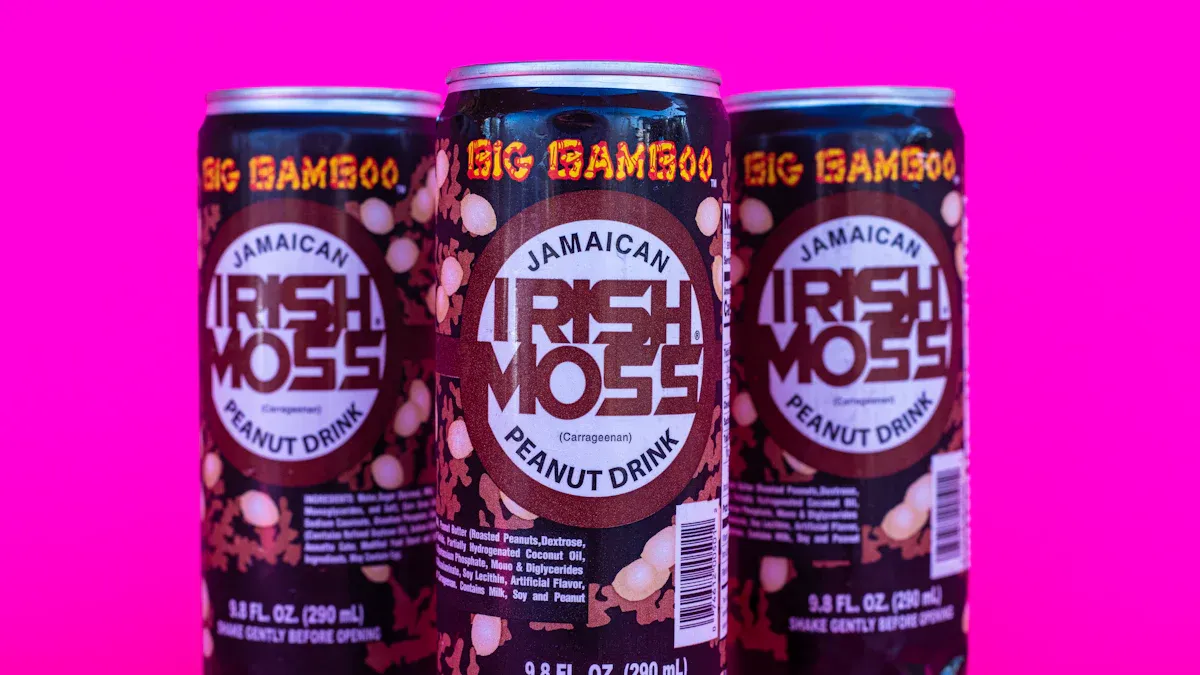
Industrial Production
Factories make most mono and diglycerides in foods. They use a process that mixes glycerol with fatty acids. These fatty acids come from plants or animals. The process happens at very high heat, between 100°C and 220°C. Workers add an alkaline catalyst to make the reaction faster. This makes a mix of mono and diglycerides. These help mix things together in food.
Note: Food safety groups say the final product must have at least 90% glycerides by weight. They also check if it meets rules in the Food Chemicals Codex.
Mono and diglycerides are called E471 on food labels. This code means the food has these additives. They can be natural or made in a lab.
Here is a table that shows how factories make them:
Method Description | Temperature Range | Catalyst Type |
|---|---|---|
Esterification of glycerine with higher fatty acids | 100°C to 220°C | Alkali-forming metal glycerate |
Partial esterification of glycerine | 100°C to 220°C | Alkali-forming metal glycerate |
Esterification in the presence of edible oils | 200°C to 220°C | Alkali-forming metal glycerate |
Raw Materials Used
Mono and diglycerides use raw materials from plants and animals. Glycerol is the main part. It is made from fats. Factories mix glycerol with fatty acids. These acids come from vegetable oils or animal fats.
Here is a table that shows the main raw materials and where they come from:
Raw Material | Source Type |
|---|---|
Glycerol | Derived from fats |
Fatty Acids | Vegetable oils |
Animal fats |
Common vegetable oils used are:
Palm oil
Coconut oil
Soybean oil
Rapeseed oil
Sunflower oil
Cottonseed oil
The fatty acids used are:
Stearic acid
Palmitic acid
Lauric acid
Linoleic acid
Myristic acid
Oleic acid
Mono and diglycerides are a mix of glyceryl mono- and diesters. They help oil and water blend in foods. Some studies say eating too many diglycerides can hurt your gut health. Experts think eating a lot of these can raise your risk for heart disease and other problems. Always check food labels for E471 if you want to avoid certain sources.
Types of Mono and Diglycerides
Natural vs. Synthetic
Mono and diglycerides are found in many foods. Some come from nature, and some are made in labs. Natural ones are made by breaking down vegetable oils or animal fats. These can be different because oils and fats are not always the same. Synthetic ones are made by scientists using special chemical reactions. This makes sure each batch is almost the same. Food companies like this because it gives them steady results.
Natural mono and diglycerides come from vegetable oils or animal fats. The mix can change depending on the source.
Synthetic mono and diglycerides are made with controlled chemical reactions. These always have the same quality and work the same way.
Food makers use natural emulsifiers for products with clean labels. Synthetic types are used in big factories because they cost less and work every time.
You might see names like DATEM or polyglycerol esters on food labels. These are examples of synthetic mono and diglycerides. Both types help mix oil and water in foods.
Plant vs. Animal Derived
Mono and diglycerides can come from plants or animals. If you want to know which one is in your food, check the label. Sometimes, the label does not say if they are plant-based or animal-based. You can ask the company to find out.
Mono and diglycerides can be made from plant oils or animal fats.
Labels do not always tell you the source.
You should ask the manufacturer if you want to know for sure.
Many people pick plant-based mono and diglycerides for health, religion, or personal reasons. Animal-based diglycerides are not as common now, but some foods still have them. If you want to avoid animal products, look for packages that say “vegan” or “plant-based.”
Tip: If you see “E471” on a label, it means the food has mono and diglycerides. This code does not tell you the source, so always ask the company if you are worried.
Now you know the main types of mono and diglycerides. You can use this information to make better choices when you buy food.
Uses of Mono and Diglycerides
Food Industry Applications
Mono and diglycerides are in lots of foods. They help oil and water mix well. This makes food smooth and creamy. When you eat bread or cake, these help keep it soft. They stop starch from getting hard. This keeps baked goods fresh for more days. You also find them in chocolate and peanut butter. They help keep the texture creamy and stop oil from separating.
Here are some foods with mono and diglycerides:
Infant formula
Salad dressings
Peanut butter
Chocolate
Frozen foods
Confectionery products
Bakery goods
Mono and diglycerides make baked goods better. They give bread and cakes a soft inside. They also help food stay fresh longer. The table below shows how they help:
Application | Benefit |
|---|---|
Baked Goods | |
Bread, Cakes, Pastries, Cookies | Uniform crumb structure and prevention of staleness |
Monoglycerides make bread softer and bigger. They help food last longer by slowing down staling.
In baked goods, mono and diglycerides stop bread from getting hard. This keeps bread and cakes soft for more time.
Other Common Uses
Mono and diglycerides are not just for food. They are in lotions and creams too. They help mix water and oil in these products. This makes lotions feel smooth on your skin. Shampoos and conditioners use them for even mixing. Lipsticks and makeup use them for better texture and to last longer. Sunscreens use them to spread UV blockers evenly. In medicine, mono and diglycerides help mix ingredients and make them work better.
Lotions and creams: Mix water and oil, make smooth texture
Shampoos and conditioners: Help mix and spread evenly
Lipsticks and makeup: Make texture better and last longer
Sunscreens: Spread UV blockers evenly
Pharmaceuticals: Help mix and keep ingredients stable
Mono and diglycerides are used in many things. They help make food and other products better. They improve texture, keep things fresh, and help products last longer.
Identifying Sources in Foods
Labeling and Ingredient Lists
When you check food labels, you might see “mono and diglycerides” or “E471.” These words mean the food has these additives. In the United States and Europe, companies must list these on packages. The European Union has strict rules for E471. These rules limit things like arsenic, lead, and mercury. You can find these rules in Regulation (EU) 2023/1428, which started in July 2023.
Tip: If you see “E471” on a label, the food has mono and diglycerides. This code does not say if they are from plants or animals.
Most labels do not say if mono and diglycerides come from plants or animals. Companies do not have to share this information. Sometimes, you will see “suitable for vegetarians” or “suitable for vegans.” These help, but they do not always tell you the exact source.
Here are some tips for reading labels:
Look for “mono and diglycerides” or “E471” in the ingredients.
Check for words like “vegan” or “vegetarian.”
If you are not sure, ask the company for more details.
You might also see the word “emulsifier” on labels. This means the ingredient helps mix oil and water in foods.
Vegan and Allergen Concerns
If you are vegan or have allergies, you need to read labels carefully. Mono and diglycerides can come from animal fats or plant oils. Most labels do not say where they come from. This makes it hard for vegans to know if a food is safe.
Ingredient | What It Is |
|---|---|
Glycerides (mono-, di- and tri-) |
You may see “nondairy” on some foods. This does not always mean the food is vegan. Mono and diglycerides can still come from animals, even in nondairy foods. Some companies add “vegan” or “plant-based” to help you choose. These words are not required by law.
Mono and diglycerides (E471) can be made from animal fats.
Labels may not say if the source is vegan or not.
“Nondairy” can be confusing.
“Glycerin(e), glycerol, lactic acid, mono or diglycerides, and stearic acid can all be from slaughterhouse fat but could also be vegan. If they are plant-derived, then it should say so on the label.”
If you want to avoid animal products or have allergies, always check for vegan or allergen labels. You can also ask the company about the source. This helps you pick foods that fit your diet and beliefs.
Some people worry about health problems from these additives. Mono and diglycerides can affect your body if you eat them a lot. If you have allergies or special diets, reading labels and asking questions can help keep you safe.
You have learned that mono and di glycerides come from plant oils or are made in factories. The table below shows how natural and artificial sources are different for your health:
Source Type | Health Implications | Safety Evaluation |
|---|---|---|
Natural | Comes from plant oils and has fewer health risks. | FDA says they are safe, but checks are not very strong. |
Artificial | Made with chemicals and might have trans fats. | Safety checks are weak; people worry about trans fats, but FDA says they are safe. |
Always look for E471 or “mono and diglycerides” on ingredient lists. If you are not sure, ask the company where they come from.
FAQ
What are mono and diglycerides used for in food?
You find mono and diglycerides in bread, ice cream, and snacks. They help mix oil and water. This keeps food soft and fresh. You eat them in many processed foods.
Are mono and diglycerides always vegan?
Mono and diglycerides can come from plants or animals. If you want to avoid animal products, look for “vegan” or “plant-based” labels. You can also contact the company to ask about the source.
How can you spot mono and diglycerides on food labels?
Look for these names:
Mono and diglycerides
E471
You may also see “emulsifier.” Labels do not always show if they are from plants or animals.
Are mono and diglycerides safe to eat?
Safety Check | What You Should Know |
|---|---|
FDA Approved | Yes, in small amounts |
Health Concerns | Too much may affect your gut |
You can eat them, but try not to eat too much.