You are in the baking aisle, holding two types of cocoa powders. You wonder which one will make your brownies taste best. The main difference between natural cocoa powder vs Dutch process cocoa powder is crucial. It affects the color, flavor, and how your dessert rises. For example:
Natural cocoa powder gives a lighter color and has a strong chocolate flavor. It reacts with baking soda to help desserts rise.
Dutch process cocoa powder provides a darker appearance and has a milder taste. It works best with baking powder.
Many bakers mistakenly believe that all unsweetened cocoa is the same, but that is not true. Understanding the difference between natural cocoa powder vs Dutch process cocoa powder helps you avoid mistakes and bake with confidence.
Key Takeaways
Natural cocoa powder tastes very chocolatey and is best with baking soda. It is good for desserts that are light in color.
Dutch process cocoa powder tastes less strong and works well with baking powder. It makes baked goods look darker.
Always look at your recipe to see which leavening agent it uses. This helps you pick the right cocoa powder for your dessert.
If you swap one cocoa powder for the other, change the leavening agent too. This will help your baked goods rise as they should.
Try using both kinds of cocoa powder. You can find out which taste and color you like best in your baking.
Cocoa Powder Basics
How Cocoa Powder Is Made
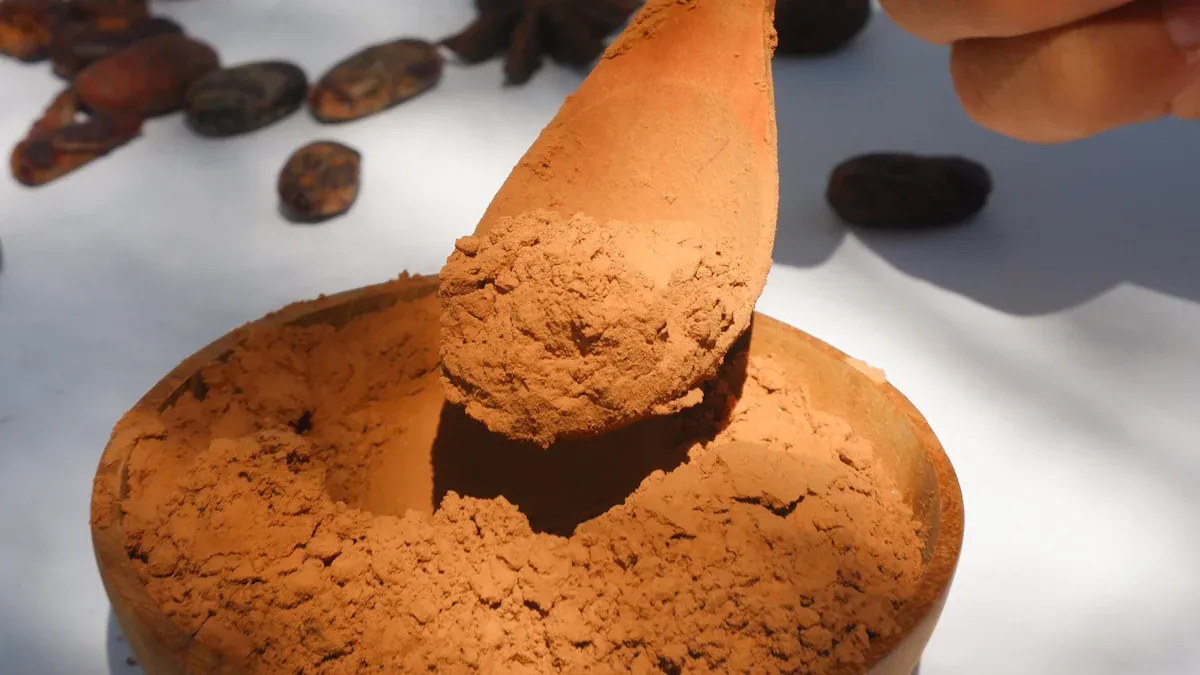
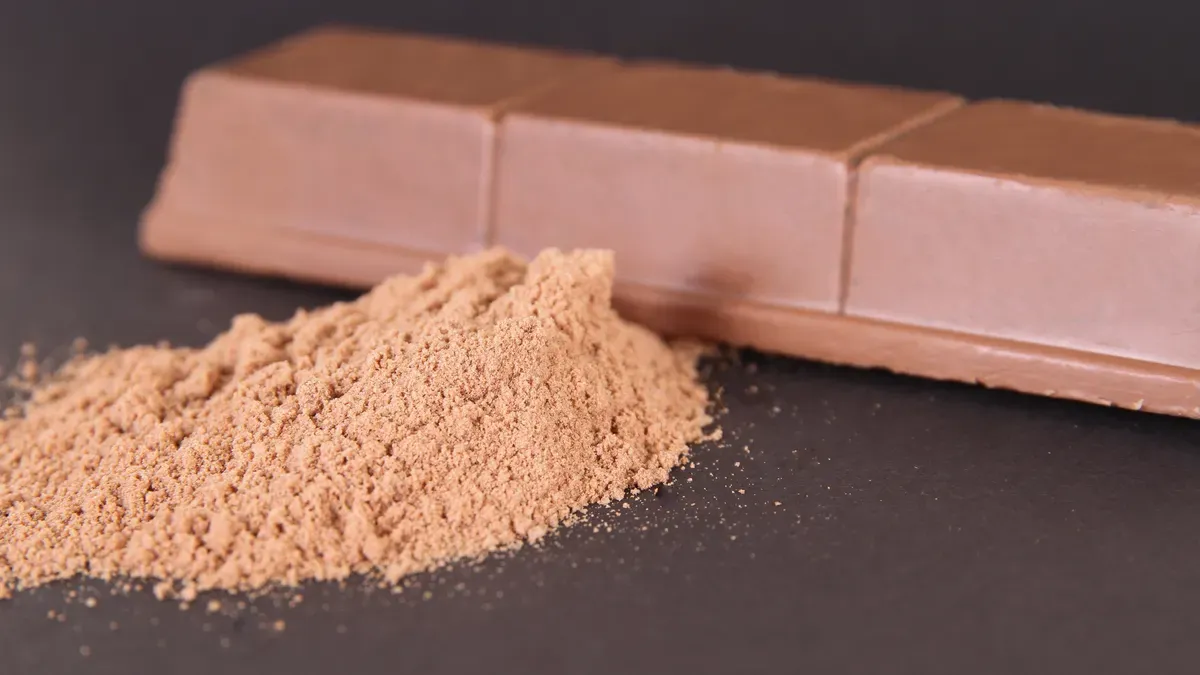
Have you ever thought about how cocoa powder is made? It starts with cacao pods growing on trees in warm places. Farmers pick the pods and open them. They take out the beans and the pulp. The beans sit for a few days to ferment. This step helps the beans get their flavor. After that, the beans dry in the sun or with gentle heat.
Harvesting: Workers pick cacao pods from the trees.
Pod Breaking: They open pods and take out beans and pulp.
Fermentation: Beans sit for 5-7 days to ferment.
Drying: Beans dry in the sun or with low heat.
Roasting (optional): Roasting gives more flavor and makes it different from raw cacao.
Winnowing: Machines or people remove the shells to get cacao nibs.
Pressing: Presses squeeze out fat, which is called cacao butter.
Grinding: The rest is ground up to make cocoa powder.
Natural cocoa powder keeps more antioxidants and phenolic compounds. Dutch process cocoa powder loses some of these because of alkalinization. The extra steps in Dutch processing can also harm the environment.
Types of Cocoa Powder
There are many cocoa powders in stores. Each one is a little different. Some have more fat, and some are made in special ways.
Type | Description |
|---|---|
Natural Cocoa Powder | Made from cocoa beans without any alkalization. |
Alkalized Cocoa Powder | Treated with an alkalizing agent to reduce acidity. |
High-Fat Cocoa Powder | Contains a higher percentage of cocoa butter. |
Medium-Fat Cocoa Powder | Contains a moderate amount of cocoa butter. |
Low-Fat Cocoa Powder | Contains a lower percentage of cocoa butter. |
You might also see Dutch-processed cocoa powder, black cocoa powder, organic cocoa powder, and blends. Each type changes how your baked goods taste, look, and feel. Picking the right cocoa powder helps your recipes turn out the way you want.
Natural Cocoa Powder
Acidity and Flavor
Natural cocoa powder tastes sharp and bold. Its pH is between 5.0 and 5.8. The acidity makes it tangy and a bit fruity. Sometimes, it tastes like wine. You get a strong chocolate flavor in your baked goods. The acids react with baking soda. This reaction helps cakes and cookies rise. If you want a dessert with deep chocolate flavor, choose natural cocoa powder.
Color and Texture
Natural cocoa powder looks lighter than other types. It shows a medium to light brown color in batter or dough. The texture feels fine and powdery. When you bake with it, treats turn out soft and light. The color difference helps you spot natural cocoa powder in recipes.
Property | Value |
|---|---|
pH | 5–6 (acidic) |
Flavor | tangy, fruity, slightly bitter |
Color | lighter brown |
Best with |
Uses in Baking
You often see natural cocoa powder in recipes with baking soda. The acidity reacts with baking soda to make bubbles. These bubbles help cakes and cookies rise. You find this cocoa in brownies, chocolate cakes, and cookies. If a recipe does not say which cocoa powder to use, check for baking soda. That means you should use natural cocoa powder. When you compare natural cocoa powder vs dutch process, remember natural cocoa powder gives strong chocolate taste and lighter color.
Tip: Always check your recipe for baking soda. If you see it, use natural cocoa powder for the best results.
Dutch Process Cocoa Powder
Processing and Neutralization
Dutch process cocoa powder is made in a special way. First, regular cocoa beans are used. Then, the cocoa is treated with potassium carbonate. This step takes away the natural acids in the cocoa. The process was invented by Coenraad Johannes van Houten. It makes the cocoa less sour and easier to mix with liquids. The powder becomes smooth and mixes well in milk or water.
Potassium carbonate is used to make the cocoa less acidic.
This step gives the cocoa a softer taste.
The powder turns darker and blends better in recipes.
Because of the pH change, use it with baking powder.
Flavor and Color
Dutch process cocoa powder tastes different than natural cocoa. It has a smoother and less bitter flavor. The chocolate taste is mild and gentle. The color is much darker, almost black in some brands. This deep color makes cakes and cookies look extra chocolatey.
Property | Dutch Process Cocoa Powder |
|---|---|
pH | 7–8 (neutral to slightly alkaline) |
Flavor | Smooth, mild, less acidic |
Color | Dark brown to black |
Best with | Recipes using baking powder |
Recipe Applications
Dutch process cocoa powder is used in many desserts. It works best in recipes that need baking powder. The neutral pH does not react with baking soda. So, you should not swap it for natural cocoa unless you change other things. When you compare natural cocoa powder vs dutch process, Dutch process gives a darker color and softer chocolate taste. Try it in chocolate cakes, European cookies, and homemade hot cocoa. If you want a rich look and smooth flavor, Dutch process cocoa powder is a good pick.
Tip: Always check your recipe. If it uses baking powder, Dutch process cocoa powder will work best. Remember the difference between natural cocoa powder vs dutch process to avoid baking mistakes.
Natural Cocoa Powder vs Dutch Process
Key Differences
When you look at natural cocoa powder and Dutch process, you see big differences. These differences change how your baked goods taste, look, and rise. The table below shows the main ways they are not the same:
Cocoa Powder Type | pH Level | Flavor Profile | Color |
|---|---|---|---|
5-6 | Fruity, acidic, concentrated chocolate | Lighter color | |
Dutch Process Cocoa | Neutral | Mellow, toasted, nutty | Darker color |
Natural cocoa powder gives a strong chocolate taste and a lighter brown color. Dutch process cocoa powder tastes smoother and milder. It has a deep, rich color. You will notice the difference in brownies, cakes, and cookies.
Acidity and Leavening Agents
The acidity in cocoa powder changes how it works with leavening agents. Here is what you should know:
Natural cocoa powder is acidic, with a pH of 5 to 6. This lets it react with baking soda. The reaction makes bubbles that help cakes or cookies rise.
Dutch process cocoa powder is neutral, with a pH of about 7. The process removes the acid. It does not react with baking soda. You need to use baking powder instead. Baking powder has both an acid and a base, so it can make bubbles for rising.
If you use the wrong cocoa powder, your dessert may not rise as it should. Always check which leavening agent your recipe uses.
Tip: If your recipe uses baking soda, pick natural cocoa powder. If it uses baking powder, pick Dutch process cocoa powder.
Substitution Guidelines
Sometimes you do not have the right cocoa powder at home. You can swap one for the other, but you must change the leavening agent. Follow these steps for the best results:
Substitution Scenario | What to Do |
|---|---|
Replacing natural cocoa powder with Dutch process | Use the same amount of cocoa. Swap baking soda for twice as much baking powder. |
Replacing Dutch process cocoa powder with natural | Use the same amount of cocoa. Swap baking powder for half as much baking soda. |
No-bake recipes | You can use either type in the same amount. |
For baked recipes, add 1/8 teaspoon of baking soda for every 3 tablespoons of cocoa if you use natural cocoa powder instead of Dutch process. If you use melted unsweetened baking chocolate, use 1 ounce for every 3 tablespoons of cocoa. Add 1/8 teaspoon of baking soda. Take out 1 tablespoon of fat from the recipe to balance the extra fat in the chocolate.
Note: Always change the leavening agent when you swap cocoa powders. This step helps your baked goods rise and taste right.
When you know these differences, you can pick the right cocoa powder for your recipe. You will get better flavor, color, and texture every time you bake.
Choosing Cocoa Powder
How to Identify Recipe Requirements
You can choose the right cocoa powder by looking at your recipe’s ingredients and instructions. Start by checking the leavening agent. If you see baking soda, your recipe needs natural cocoa powder. If you see baking powder, Dutch-process cocoa powder works best. This choice matters because the pH of each cocoa powder affects how your baked goods rise and taste.
Here is a quick comparison to help you decide:
Property | Natural Cocoa Powder | Dutch-Process Cocoa Powder |
|---|---|---|
pH | 5.0 – 6.0 | 6.0 – 8.0+ |
Flavor | Sharp, fruity, acidic | Smooth, mild, earthy |
Solubility | Lower | Higher |
Works with | Baking soda | Baking powder |
Best for | Brownies, cakes, cookies | Drinks, ice cream, dark cakes |
You can also use your senses. Smell the cocoa powder. Natural cocoa powder has a sweet, slightly acidic scent. Dutch-process cocoa smells milder and earthier. Think about what you want in your dessert. If you want a strong chocolate flavor, use natural cocoa powder. If you want a smooth taste and dark color, choose Dutch-process cocoa powder.
Tip: Always read the recipe carefully. Look for clues in the ingredient list and instructions. Your choice will change the flavor, color, and texture of your baked goods.
Tips for Best Results
You can get better results by following a few simple steps:
Sift cocoa powder before adding it to your batter. This step removes clumps and helps mix everything evenly.
Match the cocoa powder to the leavening agent. Use natural cocoa with baking soda. Use Dutch-process with baking powder.
Bloom cocoa powder in hot water or milk to bring out a richer flavor.
Pair cocoa with coffee for a deeper chocolate taste.
Adjust sugar if your cocoa tastes bitter.
Store cocoa powder in a cool, dry place in an airtight container.
Try different brands to find your favorite flavor and color.
Note: Never use hot chocolate mix instead of cocoa powder. Hot chocolate mix contains sugar and milk powder, which can change your recipe.
You can experiment with both types of cocoa powder. This way, you will learn what works best for your taste and recipes.
Cocoa Powder in Baking
Impact on Texture and Rise
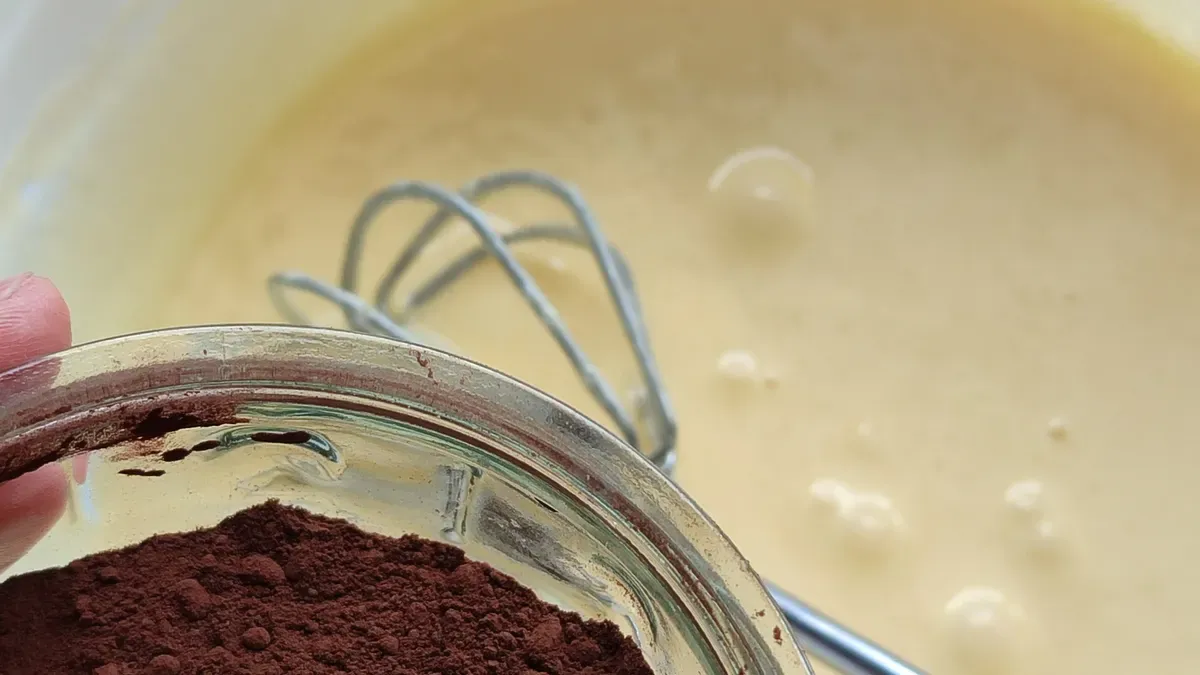
When you bake with cocoa powder, it changes your cake’s texture and how high it rises. The kind of cocoa powder matters a lot. Natural cocoa powder is acidic. This acid reacts with baking soda. It helps your cakes rise higher and makes them lighter. Dutch-processed cocoa powder is neutral. It does not react with baking soda. You need baking powder to make cakes rise with Dutch-process cocoa.
Choosing cocoa powder instead of melted chocolate also changes things. Cocoa powder has less fat than chocolate. Cakes and brownies turn out lighter and drier. If you want fudgy brownies, use less flour. More flour makes brownies more like cake.
Natural cocoa powder gives a sharper taste and helps cakes rise.
Dutch-processed cocoa powder makes a smoother flavor but needs baking powder for lift.
Cocoa powder makes a lighter, drier crumb than melted chocolate.
Less flour makes brownies dense and fudgy.
Tip: Always use the right leavening agent with your cocoa powder for the best texture and rise.
Effect on Color and Taste
The cocoa powder you pick changes the color and taste of your baked treats. Natural cocoa powder has a strong chocolate flavor because it is acidic. It gives cakes and cookies a lighter brown color. Dutch-processed cocoa powder tastes milder and smoother. It makes desserts look darker and more dramatic.
Natural cocoa powder brings a strong chocolate taste and lighter color.
Dutch-processed cocoa powder gives a milder flavor and a deep, dark color.
The pH level of cocoa powder affects the final color, especially in recipes like red velvet cake.
Black cocoa powder creates a very dark color and a muted, bitter chocolate flavor.
You can use these differences to get the look and taste you want in your baking. Try both types to see which one you like best.
Other Cocoa Types
Raw Cocoa Powder
You might find raw cocoa powder at health food stores. This powder is made from cacao beans that are cold-pressed. The beans are not roasted. This helps keep more nutrients and antioxidants in the powder. Raw cocoa powder tastes more bitter and earthy than regular cocoa. Sometimes, it has a little fruity taste.
Raw cocoa powder is best for recipes that do not need baking. You can put it in smoothies or energy bites. You can also sprinkle it on yogurt. If you bake with it, the taste can be stronger and more bitter. Do not swap raw cocoa powder for natural or Dutch-process cocoa in cakes or cookies unless you test first. The acidity and fat can change your recipe.
Note: Raw cocoa powder is not always safe for everyone. The beans are not roasted, so bacteria might still be in the powder. Always buy from brands you trust.
Feature | Raw Cocoa Powder |
|---|---|
Processing | Cold-pressed, unroasted |
Flavor | Bitter, earthy, fruity |
Best Uses | Smoothies, raw treats |
Black Cocoa Powder
Black cocoa powder is special because it is very dark and bold. This cocoa powder goes through extra alkalization. That step takes away almost all the acidity. The powder looks almost black and tastes rich.
You often use black cocoa powder when you want a strong look or flavor. Here are some ways to use it:
Homemade sandwich cookies like Oreos
Chocolate cake layers that look dramatic
Halloween treats
Dark chocolate ice cream
Cookies with bold colors
You can also add black cocoa powder to brownies or chocolate chip cookies. Try using a little black cocoa with regular cocoa for a deeper color.
Tip: Black cocoa powder can make baked goods dry if you use too much. Mix it with regular cocoa powder for better texture and taste.
Feature | Black Cocoa Powder |
|---|---|
Processing | Extra-alkalized (Dutch) |
Flavor | Rich, intense, less acidic |
Color | Very dark, almost black |
Best Uses | Cookies, cakes, ice cream |
You have learned the main ways natural and Dutch process cocoa powder are different. Natural cocoa powder has acid and works well with baking soda. Dutch process cocoa powder is not acidic and goes best with baking powder. Many chefs say to use unsweetened cocoa powder so you can control the flavor. Always look at your recipe to pick the right cocoa powder. Try both types in recipes to find your favorite. Knowing about cocoa powder helps you bake better and enjoy tasty treats every time.
FAQ
Can you use natural and Dutch process cocoa powder interchangeably?
You should not switch them unless you change the leavening agent. Natural cocoa powder works with baking soda. Dutch process cocoa powder works with baking powder. If you swap without changing, your baked goods might not rise or taste right.
Why does my chocolate cake look lighter or darker than expected?
The cocoa powder type changes the color of your cake. Natural cocoa powder makes a lighter brown cake. Dutch process cocoa powder makes a darker cake. Always check your recipe to see which cocoa powder it needs for the color you want.
Is Dutch process cocoa powder less healthy than natural cocoa powder?
Dutch process cocoa powder loses some antioxidants when it is made. Natural cocoa powder keeps more nutrients. Both types are healthy, but natural cocoa powder has more antioxidants.
What happens if I use hot chocolate mix instead of cocoa powder?
Hot chocolate mix has sugar and milk powder in it. If you use it, your recipe will be too sweet and may not bake well. Always use unsweetened cocoa powder for baking.
How should you store cocoa powder to keep it fresh?
Store cocoa powder in a container that closes tightly. Keep it in a cool, dry place away from sunlight. This stops clumping and keeps the flavor strong