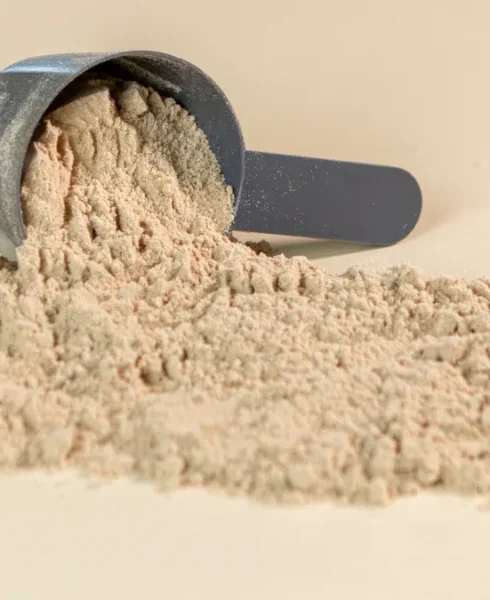
You find natural cocoa powder in lots of foods and recipes. This powder is made from roasted cocoa beans. It gives a strong chocolate taste. Natural cocoa powder gives you important nutrients. The powder has antioxidants and things that help your mood. Many people pick natural cocoa powder because it has less fat and fewer calories than cacao powder. Both chefs and people at home use it to make yummy and healthy foods.
Natural Cocoa Powder | Cacao Powder | |
|---|---|---|
Rich in Antioxidants | Keeps some antioxidant content | Has lots of flavonoids |
High in Magnesium | Is a moderate source | Is one of the best plant sources |
Mood-Enhancing Compounds | Has theobromine and phenylethylamine | Has serotonin and dopamine |
Lower Caloric Content | Has less fat than cacao powder | Has more fat |
You can see that natural cocoa powder is good for nutrition and taste.
Key Takeaways
Natural cocoa powder has lots of antioxidants. It has fewer calories than cacao powder. This makes it a healthier choice for recipes.
It is important to know the difference between natural and Dutch-processed cocoa powder. This helps you get the taste and texture you want in baked goods.
Pick cocoa powder by its fat content. Use high-fat for rich desserts. Use low-fat for lighter snacks and drinks.
Keep cocoa powder in a cool, dry place. This keeps it fresh and stops it from going bad.
When picking a cocoa powder supplier, look for quality certifications. Ask for samples to make sure you get the best product.
Natural Cocoa Powder Overview
Key Characteristics
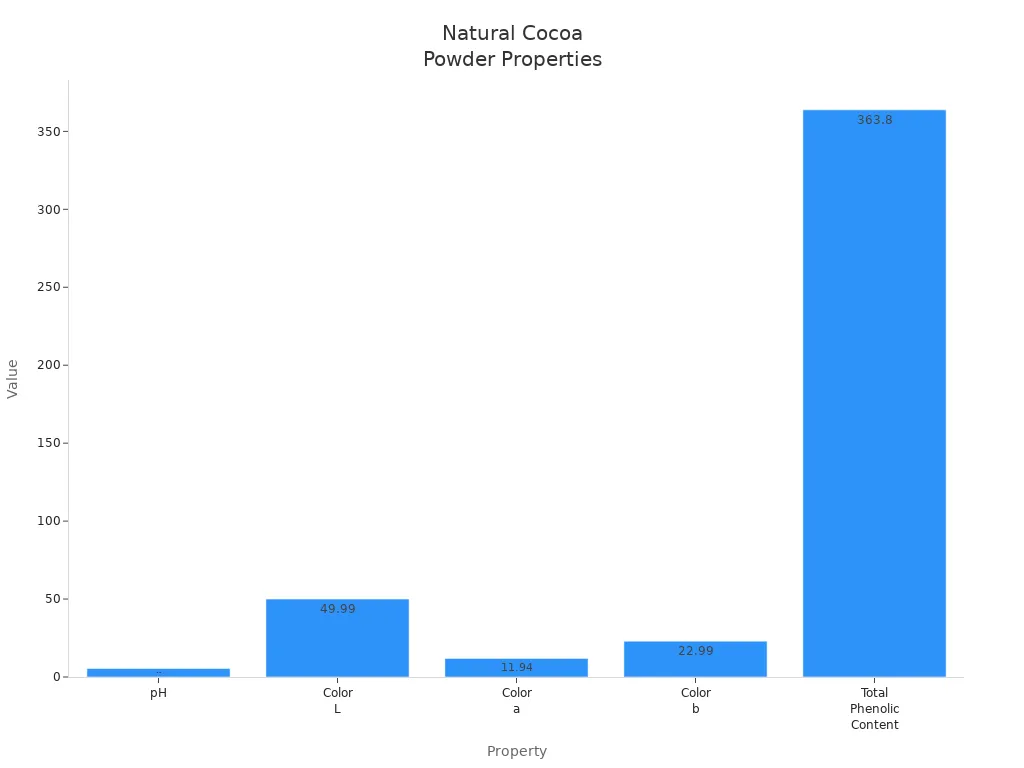
Natural cocoa powder has a strong chocolate taste and deep color. It is made from roasted cocoa beans. There is no extra processing after roasting. The powder is a bit acidic, with a pH around 5.5. Its color is lighter than some other cocoa powders. The powder is very fine, with small particles under 250 micrometers. It has lots of phenolic compounds, so it gives you more antioxidants. Here is a table that lists the main features:
Property | Value |
|---|---|
pH | 5.48 ± 0.01 |
Color L | 49.99 ± 0.01 |
Color a | 11.94 ± 0.01 |
Color b | 22.99 ± 0.03 |
Total Phenolic Content | 363.8 ± 45.3 mg GAE/100 g |
Particle Size (D90) | < 250 μm |
Natural vs. Dutch-Processed
People often compare natural cocoa powder and dutch process cocoa powder. The biggest difference is the pH level. Natural cocoa powder has a pH between 5 and 6. This makes it taste more sour and bitter. Dutch process cocoa powder has a pH close to 7, so it is neutral. Dutch process cocoa powder looks darker and tastes smoother. Here is a table that shows the pH levels:
Cocoa Type | pH Level |
|---|---|
Natural Cocoa Powder | 5 – 6 |
Dutch-Processed Cocoa | ~7 |
The taste is different too. Natural cocoa powder tastes fruity, bold, and very chocolatey. Dutch process cocoa powder is smoother and has a richer chocolate flavor. You can notice these differences in recipes and baked treats.
Importance of Distinction
It is important to know the difference between natural cocoa powder and dutch process cocoa powder. Using the wrong kind can mess up your recipe. Natural cocoa powder reacts with baking soda because it is acidic. Dutch process cocoa powder does not react the same way. You should use the right cocoa powder for your recipe. This helps you get the taste and texture you want. Knowing this helps you make better food and drinks.
Types of Natural Cocoa Powder
By Origin and Variety
Cocoa powder comes from beans grown in different places. These places are Africa, South America, and Asia. Each place gives cocoa its own taste and smell. West African cocoa tastes strong and earthy. South American cocoa can taste fruity or like flowers. Cocoa powder also has grades based on bean type. Some types are Forastero, Criollo, and Trinitario. These choices help you pick the best cocoa for your food.
Fat Content Differences
Cocoa powder can have different amounts of fat. High-fat cocoa powder has 22% or more cocoa fat. This kind makes cakes and treats taste rich and creamy. It also makes frosting feel smooth in your mouth. Low-fat cocoa powder has less than 10% cocoa fat. It is good for snacks, cereal, and drinks. These foods need fewer calories and a lighter feel.
High-fat cocoa powder works well in fancy desserts and bakery foods.
Low-fat cocoa powder is good for dry mixes and low-calorie recipes.
You can choose the fat amount that fits your baking best.
Color and Particle Size
Cocoa powder can look different in color and size. Light brown cocoa gives a soft chocolate color to cream in bakeries. Dark brown cocoa is used in cookies and chocolate foods. It gives a deep color. Reddish cocoa is nice for red velvet cakes and special baked treats. Black cocoa powder makes desserts look very dark and fancy. The size of the powder pieces matters too. Fine powder mixes in easily. Bigger pieces give your food more texture.
Specialty and Organic Types
Some cocoa powders have special features. Organic cocoa powder comes from beans grown without fake chemicals. You can check for labels to make sure it is good and made right.
Organic |
Fair Trade USA |
Fair For Life |
Kosher |
RSPO |
Palm Done Right |
USP |
Non-GMO Project Verified |
COSMOS |
EcoVadis Bronze |
Special cocoa powders include single-origin, alkalized, and fair trade kinds. These let you pick cocoa that matches what you care about and what your recipe needs.
Processing of Natural Cocoa Powder

Fermentation and Drying
You start the journey of cocoa powder with careful fermentation and drying. These steps help you develop the flavor and aroma that make cocoa unique. Here is how the process works:
Harvesting: Workers cut fresh cacao pods from trees.
Pod Breaking: You open the pods to get the beans and pulp.
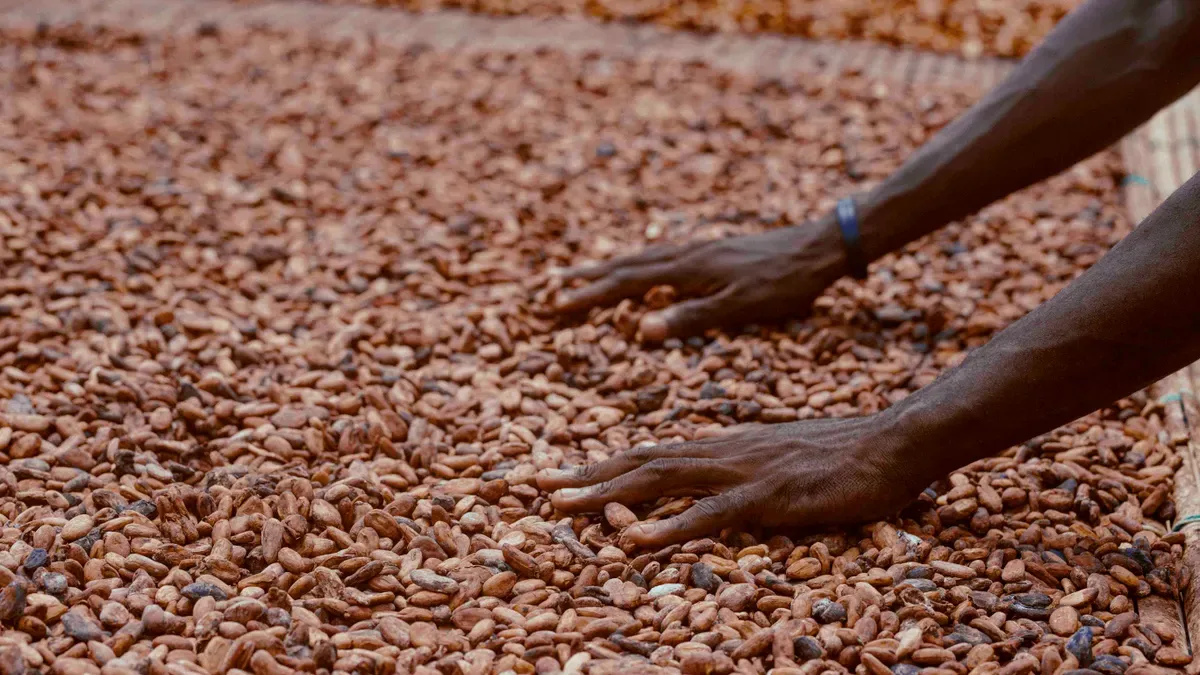
Fermentation: The beans ferment naturally for 5 to 7 days. This step changes the beans and brings out chocolate flavors.
Drying: You dry the beans in the sun or use low heat. Drying keeps the beans safe for storage and later processing.
These steps are important for the final taste and quality of cocoa powder.
Roasting and Grinding
Roasting gives cocoa its deep flavor. You need to control the temperature and time to get the best results. If you roast at high temperatures for too long, you lose important esters that give cocoa its rich aroma. The best flavor comes from roasting at 160–170°C for 5–15 minutes. This keeps more esters and makes the cocoa taste better.
After roasting, you grind the beans. Stone grinding is a traditional method. Large granite wheels or rollers crush the cocoa nibs into fine particles. This method uses friction and pressure. The granite stones help manage heat and protect the cocoa’s flavor. You can control the grinding to get the right particle size for your production needs.
Pressing and Powdering
Next, you press the ground cocoa to remove cocoa butter. This step leaves you with a solid cake. You then break this cake into smaller pieces and grind it again to make fine cocoa powder. The amount of fat left in the powder depends on how much cocoa butter you remove. This step is key for making different types of cocoa for baking, drinks, and other uses.
Quality Control Steps
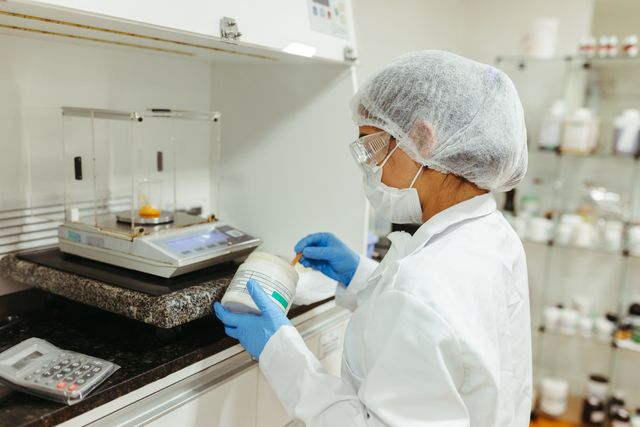
You must check every stage of cocoa processing to keep high quality. Quality control includes testing for moisture, checking particle size, and making sure there are no unwanted flavors. You also look for any signs of contamination. Good quality control helps you produce safe and tasty cocoa powder for all kinds of production.
Tip: Always store cocoa powder in a cool, dry place to keep its quality and flavor fresh.
Applications of Natural Cocoa Powder
Baking Uses
Natural cocoa powder is used in lots of baking. It gives a strong chocolate taste and makes food look lighter. You can find it in brownies, cakes, and cookies. When you add cocoa powder, your treats taste fruity and feel soft. Good cocoa powder is important for flavor.
Brownies taste bold and chocolatey with natural cocoa powder.
Chocolate cakes are moist and full of flavor with good cocoa powder.
You should pick the right cocoa powder for your recipe. High-fat cocoa powder is best for fancy cakes and desserts. Low-fat cocoa powder works for snacks that are lighter. This helps your baking turn out well.
Tip: Sift cocoa powder before you mix it. This keeps lumps away and makes your batter smooth.
Beverage Applications
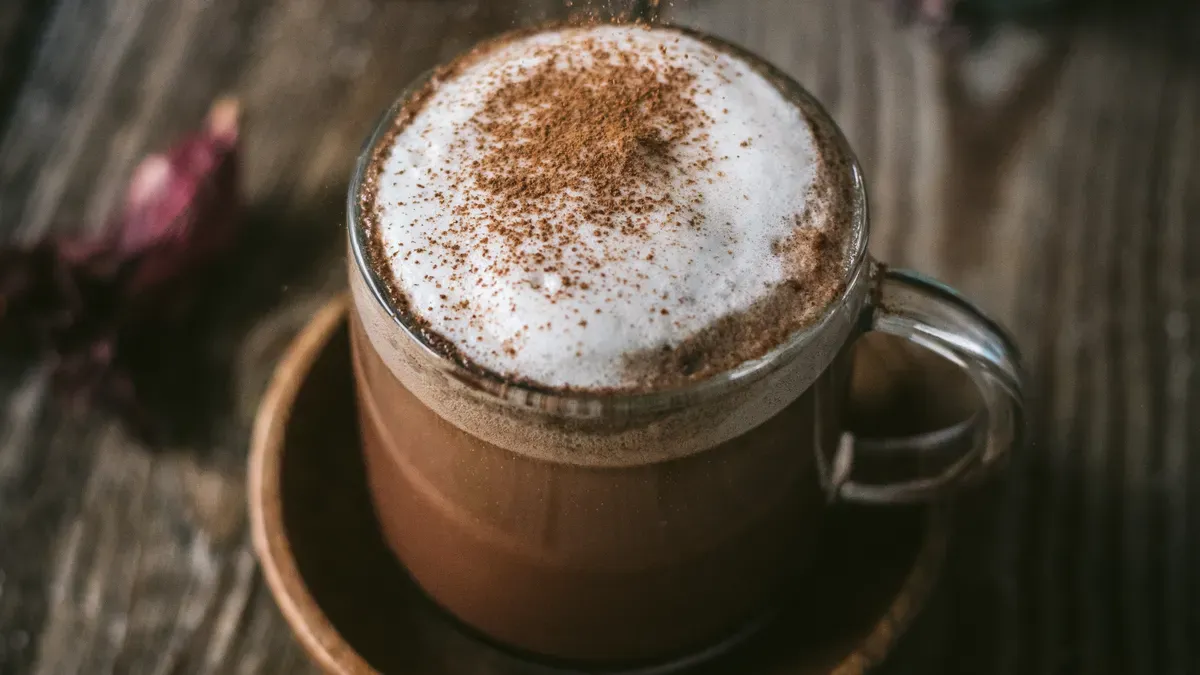
You can use natural cocoa powder to make drinks at home or in cafes. Hot chocolate is a popular drink. You mix cocoa powder with milk or water for a warm treat. Cocoa powder is also used in smoothies and shakes. It adds taste and nutrients to your drinks.
Hot chocolate uses cocoa powder for a deep chocolate taste.
Chocolate milk gets its color and taste from cocoa powder.
Smoothies and shakes use cocoa powder for more nutrition.
Pick the right cocoa powder for your drink. Fine cocoa powder mixes well and makes drinks smooth. If you want a strong chocolate taste, use high-quality cocoa powder.
Confectionery and Supplements
Natural cocoa powder is found in many sweets and health products. Chocolates, truffles, and other treats use cocoa powder for taste and color. You also see cocoa powder in nougat, marshmallow, compound coating, and granola bars. Some supplements have cocoa powder for antioxidants and nutrients.
Product Type | Applications |
|---|---|
Confectionery | nougat, marshmallow, compound coating, granola bars |
Chocolates and truffles use cocoa powder for a rich taste.
Other sweets get their color and taste from cocoa powder.
Supplements use cocoa powder for health benefits.
Choose the right cocoa powder for each product. Fine cocoa powder is good for smooth coatings. High-fat cocoa powder makes chocolates creamy. Organic cocoa powder is best for health supplements.
Industrial and Foodservice
Natural cocoa powder is used in many foods made in factories and restaurants. It is added to bakery foods for better taste and color. Dairy foods like chocolate milk and ready-to-drink drinks use cocoa powder. Frozen desserts, like ice cream, also have cocoa powder.
Cocoa powder makes bakery foods taste and look better.
Dairy foods use cocoa powder for taste and color.
Frozen desserts get a rich chocolate taste from cocoa powder.
Cocoa powder is in almost every food group. It helps with color and taste in many foods. You need to pick the right cocoa powder for each use. Fine cocoa powder is best for drinks and sauces. High-fat cocoa powder is great for fancy desserts and bakery foods.
Note: Always check the fat amount and size of cocoa powder before using it in big food jobs. This helps you get the right texture and taste in your foods.
Choosing a Cocoa Powder Supplier
Picking the right cocoa powder supplier is important. It helps you get good quality and service every time. You need to think about a few things before you decide. This part will show you the main steps to find a supplier you can trust.
Supplier Evaluation Criteria
You should check each supplier with clear rules. These rules help you compare and pick the best one for you.
Criteria | Description |
|---|---|
Food Safety Systems | See if the supplier uses HACCP, lab tests, and tracks their products. |
Technical Documentation | Look for reports like Certificate of Analysis and Technical Data Sheets. |
Alkalization Control | Ask how the supplier controls pH and keeps powders stable. |
Roasting Expertise | Find out how the supplier roasts beans for flavor and color. |
Supply Stability | Make sure the supplier can always send you what you need. |
Packaging Standards | Check if the packaging is safe for food and shipped well. |
Communication Support | Pick suppliers who help you and give advice. |
Consistency | See if the supplier keeps their product the same every time. |
Technical Specifications | Check things like pH, fat, color, size, and moisture. |
Tip: Always ask for samples and reports before you buy a lot. This lets you check if the cocoa powder is right for you.
Quality Standards and Certifications
Quality standards and certifications show that suppliers follow strict rules. You should look for these when you pick a supplier:
ISO
HACCP
FSSC 22000
Rainforest Alliance
FSSAI licensing
These certifications mean the supplier cares about safety and quality. You can trust them to give you good cocoa powder.
Sourcing and Transparency
Knowing where your cocoa powder comes from is important. Good suppliers follow food safety rules and give you clear papers. You should ask for certificates and reports that show where the cocoa comes from.
Compliance Measure | Description |
|---|---|
Suppliers follow strong food safety rules to keep products safe. | |
Certifications | Standards like GFSI, SQF, and BRC show good and fair practices. |
Traceable Sourcing | Suppliers give papers like Certificates of Analysis to prove where cocoa comes from. |
Ethical Certifications | Fairtrade and Rainforest Alliance show the supplier is honest about sourcing. |
Note: Always ask your supplier for papers that show where the cocoa comes from. This helps you know the cocoa is good and safe.
Buyer’s Supplier Checklist
You can use a checklist to compare cocoa powder suppliers. This makes it easier to choose and helps you not miss anything.
Check food safety rules and certifications.
Look at reports and product details.
Ask about roasting and how they process cocoa.
Make sure they can always send you cocoa on time.
Check if the packaging is safe and shipped well.
See if they help you and answer your questions.
Ask for papers that show where the cocoa comes from.
Compare if the product is the same every time.
Test samples to see if the cocoa is good.
Callout: Use this checklist every time you look at a new supplier. It helps you make smart choices and get the best cocoa powder.
There are many cocoa powder suppliers out there. If you follow these steps and use the checklist, you will find a supplier that fits your needs for quality, safety, and where the cocoa comes from.
Storage and Handling Tips
Shelf Life Best Practices
You can keep natural cocoa powder fresh with good storage. Cocoa powder lasts a long time if you keep out air, water, and light. The best place is cool, between 60–70°F (15–21°C). If it gets hotter than 77°F (25°C), the fat inside can go bad faster. Do not put cocoa powder near ovens, stoves, or sunny spots.
Humidity is important too. Cocoa powder soaks up water if the air is too wet, above 65–70%. This makes it clump and spoil. You can put silica gel packs or other drying packs in your container to keep it dry.
Here is a table that shows the best ways to store cocoa powder:
Storage Scenario | Recommended Container | Additional Tips |
|---|---|---|
Daily opened use | Sealed glass jar or food-grade HDPE | Mark opening date and best-by date |
Short-term bulk storage (1–2 years) | Sealed multi-layer bags + desiccant | Vacuum sealing helps but does not stop oxidation |
Long-term bulk storage (2–5+ years) | Mylar bags + oxygen absorbers | Blocks light and moisture, nearly stops oxidation |
Tip: Do not put cocoa powder in the fridge. Cold air can make water drops inside the container when you take it out. If you must use the fridge, seal the container twice and let it warm up before you open it.
Preventing Contamination
You need to keep cocoa powder safe from germs and mold. Water is the biggest problem. It can make cocoa powder clump and help germs grow. Germs like Bacillus and mold like Aspergillus glaucus can live in cocoa powder. These germs can survive making, but cocoa powder does not spoil if you store it right.
Keep cocoa powder dry so it does not clump or get moldy.
Use clean, closed containers to keep out germs and mold.
Look for bad smells or lumps as signs of spoilage.
Note: Always wash your hands and tools before you touch cocoa powder. Clean storage keeps cocoa powder safe and tasty.
You now know that natural cocoa powder comes in different types and is made in special ways. Picking the right kind helps your food taste better and keeps it good. Here are some things to remember: * Make sure the cocoa’s acidity matches with baking soda or baking powder. * Use high-fat cocoa if you want your treats to be moist. * Choose low-fat cocoa for dry mixes like cake or pancake mix. * Natural cocoa powder gives a strong taste in dry foods, while alkalized cocoa powder is better for smooth drinks. * If you switch cocoa types, change your recipe a little bit. Use the checklist for picking suppliers and follow the tips for storing cocoa powder. Keep learning about cocoa powder to get even better at baking and cooking.
FAQ
What is the difference between natural and Dutch-processed cocoa powder?
Natural cocoa powder comes from roasted cocoa beans. Dutch-processed cocoa powder is made with an alkalizing step. This step changes how it tastes and looks. You should always check your recipe to use the right kind.
How should you store natural cocoa powder?
Keep cocoa powder in a cool, dry spot. Use a sealed container to keep out water and light. Do not put cocoa powder near heat or in the fridge.
Can you use natural cocoa powder in all recipes?
You can use natural cocoa powder in lots of recipes. Some recipes need Dutch-processed cocoa powder to work right. Always read your recipe before you bake.
What certifications should you look for when buying cocoa powder?
Look for certifications like organic, Fairtrade, and ISO. These show the supplier cares about safety and quality. Certifications help you know the cocoa powder is good.
How does the global cocoa powder market affect your choices?
The global cocoa powder market gives you more choices and changes prices. You can find new suppliers and different cocoa powders from other countries.