
When you drink tea or red wine, your mouth can feel dry and tight. Tannic acid is a big reason for this astringency. This happens because tannic acid sticks to proteins in your spit. Many things can change how strong astringency feels. Your spit, the drink’s temperature, and how thick it is all matter. Sometimes, other things in the drink, like polysaccharides, can make this feeling weaker.
Key Takeaways
Tannic acid makes your mouth feel dry and tight when you drink things like tea or red wine.
Astringency is how your mouth feels, not how something tastes. It can make your mouth pucker or feel dry. Saliva and drink temperature can change this feeling.
Acidity in drinks makes astringency stronger. More acid keeps proteins mixed in the drink. This helps tannic acid stick better.
People in different places like astringency in different ways. Some people like the dry feeling. Others do not like it.
You can lower astringency by adding milk or sugar. You can also pick drinks with less tannic acid.
Astringency Explained
Sensory Effects of Astringency
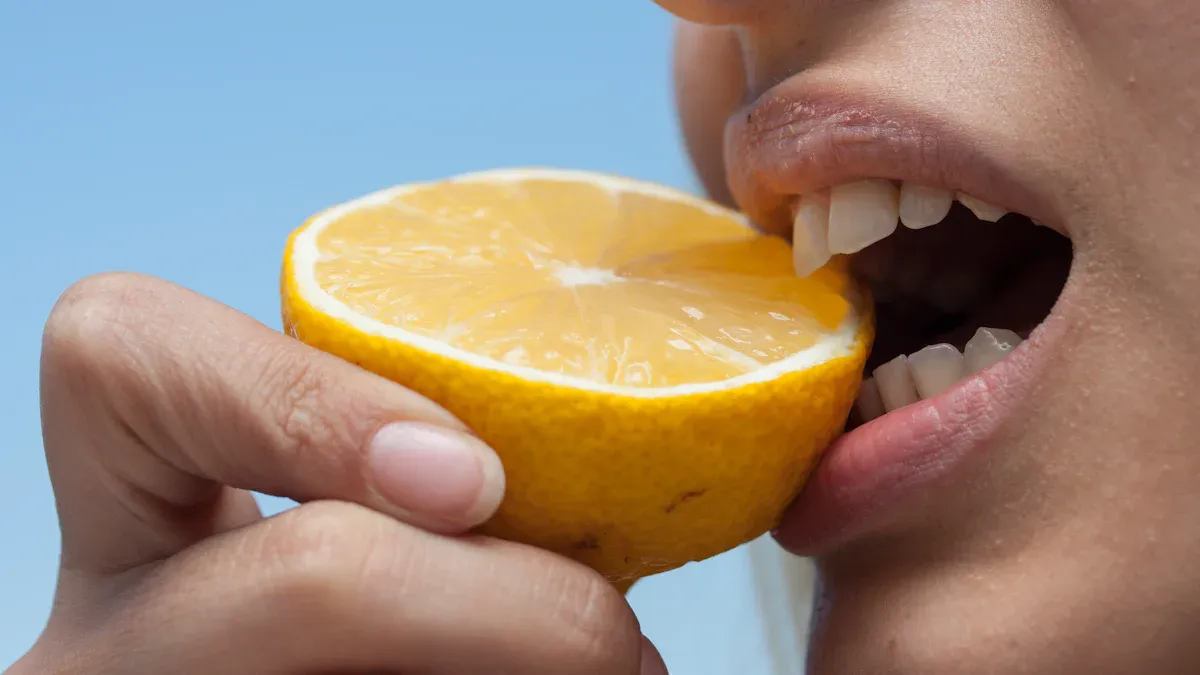
When you drink strong black tea or red wine, your mouth can feel dry or rough. This feeling is called astringency. You do not taste astringency; you feel it in your mouth. Tannic Acid and other polyphenols cause this effect. They mix with your saliva and mouth tissues. When astringents break the salivary film, your mouth feels less smooth and more rough. You notice more dryness and friction.
Most tasting groups say astringency is a mouthfeel, not a taste. You might feel your mouth pucker or get a soft dry feeling on your tongue. The skins of pomegranates or grapes can also make your mouth feel this way. People can sense astringency at different levels. Young adults often notice it at 0.2 g/L. Older adults may need 0.41 g/L to feel it.
Here are the main ways astringency works:
Astringents mix with mouth tissues and salivary proteins.
The salivary film breaks and shows cell surfaces and receptors.
Friction and surface hydrophobicity go up.
Protein precipitation and less salivary lubrication happen.
Mechano and chemoreceptors turn on, so you feel dryness.
Difference Between Astringency and Bitterness
You might think astringency and bitterness are the same, but they are not. Bitterness is a taste, but astringency is a feeling. Bitterness comes from things like polyphenols and changes flavor. Astringency changes how your mouth feels. Both can feel different depending on what you like and your culture.
Characteristic | Astringency | Bitterness |
|---|---|---|
Sensation | Puckering or soft dry feeling on the tongue | Comes from polyphenols, changes flavor |
Source | Linked to polyphenols in drinks | Mostly from polyphenols |
Preference Variation | Changes with each person and culture | Changes with each person and culture |
Many people think tea has tannic acid, but this is not true. Tea has tannins, not tannic acid. Tannins are not always bad for you. They can make drinks taste better and feel nicer when you drink them in small amounts.
Tannic Acid Chemistry
How Tannic Acid Binds Saliva Proteins
When you drink something with tannic acid, something happens in your mouth. Tannic acid looks for proteins in your spit. These proteins help your mouth feel smooth and slippery. Tannic acid grabs these proteins and sticks to them. They start to form little clumps together. This is called protein binding.
As the clumps get bigger, they pull water away from your mouth. This makes your mouth feel dry and puckered. That is the astringency you notice in drinks like red wine or strong tea. If there is more tannic acid, the dry feeling gets stronger.
You can find out how much tannic acid is in a drink with special tools. Scientists use a method called LC–MS/MS. This method gives very exact results. Here is a table that shows how this method works:
Feature | Description |
|---|---|
Method | Targeted LC–MS/MS Quantification |
Measurement Range | Typical LOQ in the low-ng/mL range, 3–4 orders of linearity (R² ≥ 0.99) |
Precision | CV usually < 10% for confident comparisons across batches, varieties, and treatments |
Application | Designed for real matrices like wine, tea, juices, cocoa, forages/feeds, and botanical extracts |
Outcome | Links chemistry to sensory, nutritional, and functional outcomes |
Tannic acid does more than just make your mouth dry. It also mixes with other flavors in your drink. Here are some ways it changes what you taste:
Tannic acid adds both astringent and bitter tastes, especially in wine.
It mixes with other flavors and changes how the drink feels.
In older wines, tannic acid can make flavors more interesting, like vanilla, fruit, or spice.
Role of Acidity in Astringency
Acidity, or low pH, is important for astringency. When a drink is more acidic, proteins in your spit stay dissolved longer. This lets tannic acid keep grabbing these proteins, so the dry feeling lasts. If the pH is higher, proteins can stick together and fall out of the drink. This can make the drink look cloudy and change how it feels in your mouth.
If you drink something with lots of tannic acid and high acidity, you feel more astringency. The acidity helps tannic acid work by keeping proteins ready to bind. This is why some wines and teas taste more astringent than others. You can think of acidity as a helper that makes tannic acid stronger.
Tip: If you want a smoother drink, pick drinks with less acidity or less tannic acid. This can make your mouth feel softer and less dry.
Tannic Acid in Beverages

Common Drinks with Tannic Acid
Tannic acid is in many drinks you know. Red wine is a good example. The tannic acid comes from grape skins and oak barrels. It gives red wine a strong taste and helps it last longer. Tea has tannic acid too. Green tea has almost twice as much tannin as black tea. White tea has less, but you can still feel it. Coffee and juices from unripe fruits, like apple or pomegranate juice, also have tannic acid.
Here is a table that shows how much tannin is in some drinks:
Beverage Type | Tannin Content (mg) |
|---|---|
Green Tea | ~50 (average) |
Black Tea | ~25-40 (average) |
White Tea | ~20-30 (average) |
Red Wine | High (varies) |
White Wine | Lower than red wine |
You can find tannic acid in foods like walnuts, plums, and berries too. People who make drinks control tannic acid by picking certain grapes and using special ways to age them. These choices change the taste and how the drink feels in your mouth.
Taste Changes and Mouthfeel
When you drink something with tannic acid, your mouth feels different. You might feel your mouth get dry or tight. This happens because tannic acid mixes with proteins in your spit. The drink feels different, and your tongue feels more rough.
Here are some words people use to talk about how the drink feels:
Descriptor Type | Examples |
|---|---|
Texture / Mouthfeel | chewy, silky, furry, supple, chalky, spritzy, viscous, luscious |
Tannin Effects | soft, velvety, smooth, gripping, drying, harsh, firm, dusty, astringent |
Tannic acid makes flavors more interesting. You taste both bitterness and astringency. The drink can feel smooth or rough, depending on how much tannic acid is there. People who make drinks use different ways to balance these things. They might age wine in oak barrels or mix teas to make them taste softer.
Note: If you want a drink that feels softer, pick drinks with less tannic acid or try blends made to be smooth.
Enjoyment and Preferences
Why Some Like or Dislike Astringency
Some people like the dry feeling in drinks. Others do not enjoy it. Everyone reacts to astringency in their own way. Some think it is fun and fresh. Others feel it is too strong or not nice. Your taste buds, how much spit you have, and your age can change this feeling.
Different drinks make astringency in different ways. The table below shows what changes astringency in popular drinks:
Beverage Type | |
|---|---|
Tea | Polyphenol composition, pH, ethanol levels |
Wine | Proanthocyanidin size, sweetness, food pairings |
Soymilk | Viscosity, salivary flow rates |
Dark Chocolate | Increases astringency in red wine more than milk chocolate |
You might feel more astringency in some drinks. For example, eating dark chocolate with red wine makes the wine feel drier. If you like sweet drinks, you may want less astringency. If you like strong flavors, you might enjoy the dry, puckery feeling.
Drink makers use tannic acid to change taste and mouthfeel. Many companies add it to teas, wines, juices, and healthy drinks. People who want natural drinks often pick ones with astringency and antioxidants.
Cultural and Personal Factors
Where you live and your background can change how you feel about astringency. In some places, people learn to like this feeling when they are young. Here are some ways culture shapes what you like:
Places with lots of tea, wine, cocoa, or fruit drinks teach people to enjoy astringency.
In East Asia, like Japan, China, and Korea, people like astringency in tea. They think it means the tea is fresh and good.
In Europe, wine fans like astringency. They believe tannins make wine taste better and help it last longer.
You may see more drinks with tannic acid in stores now. Many brands say it is natural and healthy. As more people want healthy drinks, companies use tannic acid to keep drinks fresh. They also say it makes flavors deeper and more fun.
Tip: Try drinks from other countries to see how astringency can change your tasting experience. You might find new drinks you like by trying teas, wines, or juices from around the world.
Tannic acid changes how your drinks taste and feel. It makes your mouth feel dry or tight. This happens when tannic acid sticks to proteins in your mouth. The dry feeling is called astringency. Drinks like tea and wine can feel more fun because of this. If tannins mix well with other flavors, you might like the drink more. When you drink tea or wine, notice how astringency feels. You may find new things you like or do not like about some drinks.
Tip: Taste different teas or wines at the same time. See how astringency makes each one feel different!
FAQ
What is tannic acid?
Tannic acid is a type of polyphenol found in plants. You find it in drinks like tea, wine, and some juices. It gives drinks a dry, puckery feeling called astringency.
How can you reduce astringency in your drink?
You can add milk, sugar, or blend your drink with less astringent varieties. Lowering the temperature or choosing aged wines and teas also helps soften the dry feeling.
Is astringency harmful to your health?
Astringency does not harm you. It is a normal mouthfeel. Many people enjoy it. Tannic acid also has antioxidants that may support your health.
Why do some people enjoy astringent drinks?
People enjoy astringent drinks for their unique taste and texture. You might like the refreshing, clean feeling. Culture and personal taste also shape your preference.