
You may ask which prebiotic fiber is right for you. The choice depends on your health goals and how your digestion works. Your personal preferences matter too. It’s important to understand the difference between inulin and FOS, as they are not the same. Their structures differ significantly; inulin consists of long chains with 20-100 fructose units, while FOS has shorter chains with about 10-20 units. Because of this structural difference, your gut treats them in different ways. FOS breaks down faster in your gut, which can lead to varying effects in your digestive system.
Key Takeaways
Inulin and FOS are both prebiotic fibers. They help your gut stay healthy. They work in different ways because their chains are not the same length. Inulin breaks down slowly in your body. This makes it easier for people with sensitive stomachs. FOS ferments fast and can cause gas or bloating. Pick inulin if you want better calcium absorption or help with IBS. Choose FOS if you want faster prebiotic effects. Start with a small amount of inulin or FOS. Slowly take more so your body can get used to it. This helps lower any discomfort. Eat foods with lots of fiber like garlic and chicory root. These foods help you get more inulin and FOS naturally.
What Are Inulin and FOS?

Definitions
You might ask what inulin and FOS are. Both are prebiotics. These fibers help good bacteria in your gut grow. Experts, like ISAPP, say both are prebiotics. The table below shows how groups define them:
Term | Definition |
|---|---|
Inulin | A substrate used by host microorganisms that gives health benefits, called a prebiotic by ISAPP. |
FOS (Fructooligosaccharides) | A kind of inulin-type fructan, also called a prebiotic by ISAPP. |
In Europe, inulin is called a dietary fiber. In the U.S., the FDA says inulin is safe to eat.
You can see inulin and FOS are not the same. FOS has shorter chains than inulin. Both help your gut stay healthy.
Food Sources
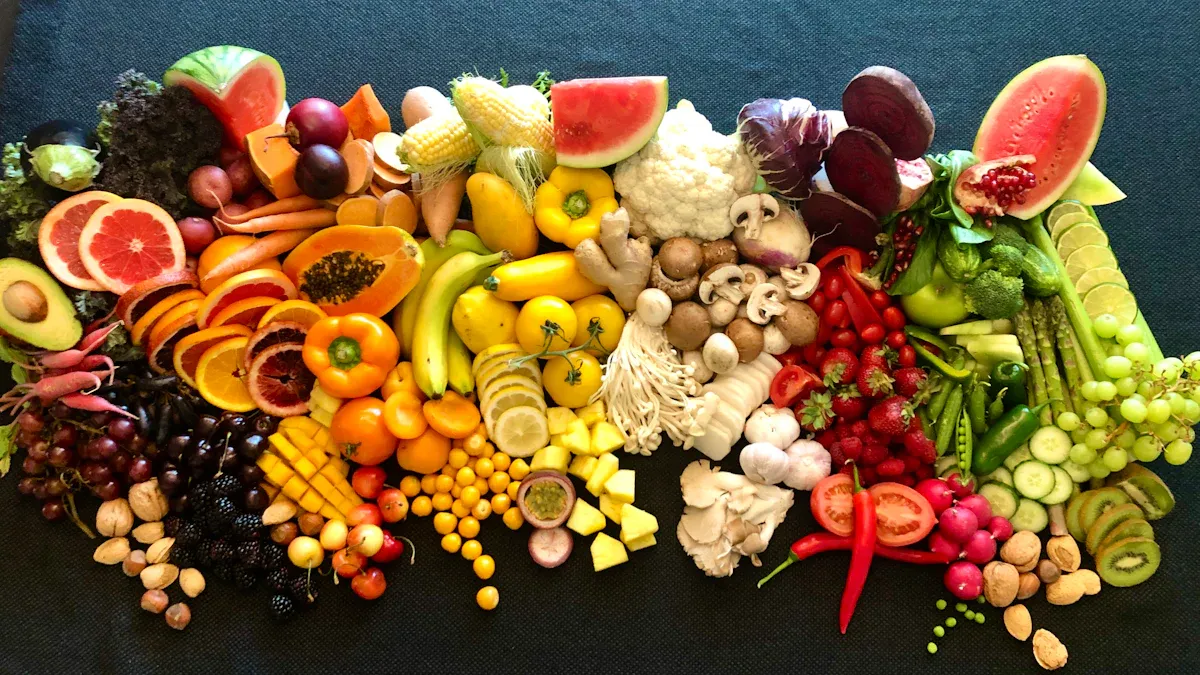
Inulin and FOS are found in many foods. Some foods have more than others. Here are the main sources:
Chicory Root – 41.6 grams per 100 grams
Jerusalem Artichokes – 18 grams
Dandelion Greens – 13.5 grams
Garlic – 12.5 grams
Leeks – 6.5 grams
Asparagus – 2.5 grams
Wheat Bran – 2.5 grams
Bananas – 0.5 grams
You can eat these foods to get more prebiotic fiber.
Supplement Forms
If you want extra inulin or FOS, you can buy supplements. They come as powders, capsules, or gummies. Some products mix these fibers with probiotics for more gut support. Companies sell these supplements for better immunity, digestion, and mood.
More people want to help their gut health. You will see inulin and FOS in many foods and drinks at stores.
Difference Between Inulin and FOS
Structure and Chain Length
You might ask why inulin and FOS work differently in your body. The reason is their structure. Inulin has longer chains than FOS. These long chains make inulin heavier. Your gut bacteria have a harder time breaking it down. FOS has shorter chains and a straight shape. These short chains let FOS break down faster.
Inulin has more links in its structure.
FOS is a kind of inulin but acts differently because of its short chain.
The way these fibers are built changes how your body digests them and how they help your gut.
Digestion and Fermentation
Inulin and FOS are digested in different ways. Inulin breaks down slowly in the lower part of your gut. This slow process gives steady help to your gut bacteria. FOS breaks down much faster in the upper part of your gut. This quick process can change your gut quickly.
If your stomach is sensitive, you might get more gas or bloating from FOS. This is because FOS ferments fast. Inulin’s slow breakdown is often easier on your stomach. Knowing how each fiber digests can help you pick the best one for you.
Fiber Type | Fermentation Speed | Location in Gut |
|---|---|---|
Inulin | Slow | Lower colon |
FOS | Fast | Upper colon |
Effects on Gut Bacteria
Both inulin and FOS help good bacteria grow in your gut. But they do not feed all bacteria the same way. Inulin and FOS both help Bifidobacterium grow. These bacteria use a special enzyme called fructofuranosidase to break down these fibers.
Bifidobacterium grows more with inulin and FOS.
Some bacteria like Clostridiales and Oxalobacteraceae may go down.
FOS can sometimes help bad bacteria if you take too much or your gut is not balanced.
Picking the right fiber helps you feed the good bacteria and not the bad ones.
The difference between inulin and FOS is important for your gut health. You can use this information to choose the fiber that fits your needs.
Health Benefits
Gut Health
Adding inulin or FOS to your meals helps your gut. These fibers help good bacteria grow in your stomach. Eating inulin can make it easier to go to the bathroom. This is helpful if you have constipation. Studies show inulin taken three times a day helps you go more often. Both inulin and FOS help Bifidobacterium grow. This is a good bacteria. They also lower bad bacteria in your gut. Oligofructose, which is a kind of FOS, keeps your gut lining strong. It also helps your immune system.
Inulin helps you go to the bathroom.
Both fibers help good bacteria grow.
Oligofructose keeps your gut lining strong and helps immunity.
Weight and Appetite
Inulin and FOS can help you manage your weight. They also help you feel less hungry. Research shows these fibers help you lose fat. They also help you control your appetite. You can see the results in the table below:
Study Description | Dosage | Outcome |
|---|---|---|
Pre-diabetes group took inulin | 30g daily for 18 weeks | Lost more fat |
Appetite trial | 35g+ inulin per day | Felt less hungry |
Weight loss trial | 21g inulin per day | Lost more weight |
FOS cookies trial | 9g FOS daily | Felt fuller |
FOS weight trial | 16g FOS per day | Results varied |
Blood Sugar
Inulin and FOS help control your blood sugar. These fibers slow down how your body takes in sugar and fat. This means your blood sugar does not go up fast after eating. People with diabetes and people without diabetes can both get this benefit. You get better blood sugar control and support your health.
Other Benefits
Eating inulin or FOS gives you other health benefits. These fibers help your body take in more calcium and magnesium. These minerals are important for strong bones. They also help your immune system in your gut. This can help you stay healthy.
More calcium for strong bones
Support for immunity in your gut and body
Inulin and FOS work in different ways in your body. Both give you many health benefits.
How to Choose
Health Goals
You should match your fiber choice to your health goals. Inulin and FOS both support gut health, weight management, and immune function. Inulin offers extra benefits for calcium absorption and may help with IBS symptoms. FOS works well for most prebiotic effects but does not help with calcium absorption or IBS. The table below can help you decide:
Health Benefit | Inulin | FOS |
|---|---|---|
Prebiotic Effects | ✅ | ✅ |
Improved Calcium Absorption | ✅ | ❌ |
Cardiovascular Health | ✅ | ✅ |
Weight Management | ✅ | ✅ |
Immune Function Support | ✅ | ✅ |
Reduction of Diarrhea Duration | ✅ | ✅ |
Alleviation of IBS Symptoms | ✅ | ❌ |
If you want stronger bones or need help with IBS, inulin may be the better choice.
Digestive Sensitivities
You need to think about how your stomach reacts to fiber. Some people feel bloated or gassy with certain fibers. Here are some points to consider:
Inulin supports gut bacteria and helps your microbiome grow.
FOS ferments quickly and may cause more gas or bloating.
If you have a sensitive stomach, start with a small amount.
If you want to manage constipation, you might also consider other fibers like psyllium.
Listen to your body and adjust your intake if you feel discomfort.
Dietary Preferences
You can find inulin and FOS in many foods. If you eat a lot of vegetables like chicory root, garlic, or bananas, you may already get enough. Supplements are also an option if you want more control over your intake. Choose a form that fits your lifestyle, such as powder, capsule, or gummy.
Tips for Trying
You can follow these steps to start with inulin or FOS and see how your body reacts:
Begin with a low dose, such as 1–2 grams per day.
Increase the amount slowly every one to two weeks.
Drink water often to help your body adjust.
Take breaks if you feel discomfort, then try again with a smaller amount.
Move gently, like walking or stretching, to help reduce gas.
Start slow and pay attention to how you feel. This helps you find the right amount for your body.
Side Effects and Precautions
Common Side Effects
You may notice some changes in your stomach when you start taking inulin or FOS. These fibers can cause your gut to react, especially if you take a large amount at once. The most common side effects include:
Gas (flatulence)
Bloating
Stomach discomfort
Loose stools
Diarrhea
The most common side effects are: flatulence (gas), bloating, abdominal discomfort, loose stools and diarrhea.
These effects usually happen because your gut bacteria start to ferment the new fiber. Your body may need time to adjust. Most people find that these symptoms get better after a few days or weeks.
Who Should Avoid
Not everyone should use inulin or FOS supplements. Some people have a higher risk of side effects. You should be careful if you:
Have a sensitive stomach or digestive problems
Take high doses of fiber
Have lactose intolerance, as you may feel more discomfort
If you have a health condition that affects your gut, talk to your doctor before starting a new fiber supplement. Children and pregnant women should also ask a healthcare provider before using these products.
Reducing Discomfort
You can take steps to make your experience with inulin or FOS easier. Try these tips to help your body adjust:
Start with a small dose, such as 2–3 grams each day. Increase the amount slowly so your gut can get used to it.
Drink plenty of water. Staying hydrated helps your body handle extra fiber and reduces bloating.
Take inulin or FOS with meals. Eating fiber with food can make it gentler on your stomach.
If you feel discomfort, lower your dose or take a break. Most people find that their symptoms improve over time.
By following these steps, you can enjoy the benefits of prebiotic fibers while keeping your gut comfortable.
You now know that inulin and FOS both help your gut, but they work in different ways. Inulin ferments slowly, while FOS breaks down faster. If you feel unsure about which to choose, remember both support good bacteria. Your health goals and how your stomach reacts matter most.
Talk to a healthcare provider before starting any new supplement.
Make sure your choice fits your health needs.
Prebiotic fibers can boost your gut health and help you feel your best. 😊
FAQ
Can I take inulin and FOS together?
You can take both fibers together. Many supplements combine them. This mix supports different gut bacteria. Start with a small dose to see how your body reacts.
How long does it take to notice benefits?
You may notice changes in your digestion within a few days. Gut health improvements can take a few weeks. Keep a food diary to track your progress.
Are inulin and FOS safe for kids?
Most children can eat foods with inulin and FOS. Ask your doctor before giving supplements to kids. Start with small amounts from natural foods.
Do inulin and FOS help with constipation?
Inulin helps you go to the bathroom more often. FOS also supports regular bowel movements. Try adding fiber-rich foods to your meals for best results.
Can I get enough inulin or FOS from food?
You can get these fibers from foods like garlic, bananas, and chicory root. Check the table in the blog for sources. Supplements help if you need more.