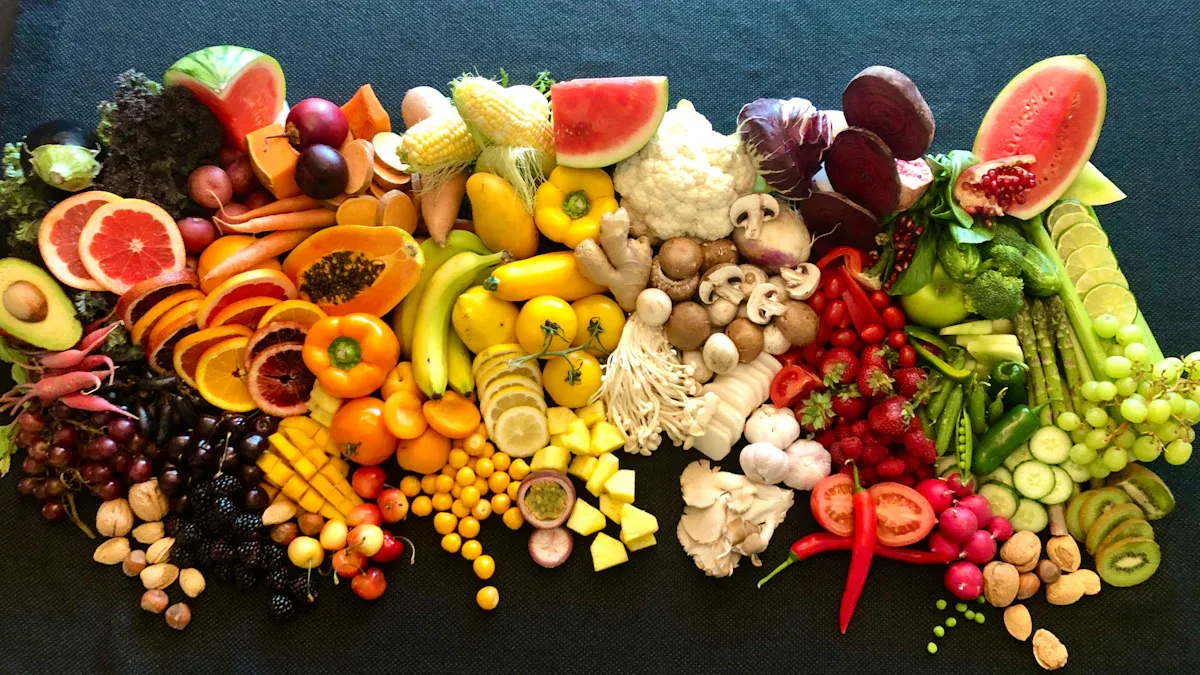
Prebiotic Dietary Fiber helps feed good bacteria in your gut. Eating these fibers supports your digestive health. Your body gets more benefits than just gut bacteria changes. These fibers also make helpful compounds. Many people around the world pick foods with prebiotics to get healthier. You can see how prebiotics work in your body:
They help good bacteria grow and stop bad ones.
They make short-chain fatty acids that lower inflammation.
Benefit | How It Helps You |
|---|---|
Turns on immune cells | |
Nutrient Absorption | Makes your gut lining stronger |
You can add prebiotic-rich foods to your meals. This helps your health every day.
Key Takeaways
Prebiotic dietary fiber helps good gut bacteria grow. This supports your digestion and keeps you healthy. – Eat many foods with prebiotics like garlic, onions, and bananas. These foods give your body many health benefits. – Knowing the difference between prebiotics and probiotics is important. It helps you make better choices for your gut. – Women should try to eat 25 grams of fiber each day. Men should try to eat 38 grams of fiber each day. This helps keep your gut healthy. – Begin with small amounts of prebiotic fiber at first. This can help you avoid stomach problems. Slowly eat more over time.
What Is Prebiotic Dietary Fiber?
Definition and Key Features
You might wonder why prebiotic dietary fiber is important. Scientists have looked at this for a long time. Their ideas changed as they learned more. The table below shows how the meaning changed over time:
Year | Definition | Key Features |
|---|---|---|
1995 | Nondigestible food ingredients that beneficially affect the host by selectively stimulating the growth and/or activity of one or a limited number of bacterial species in the colon. | Focus on selective stimulation of gut bacteria. |
2017 | A substrate that is selectively utilized by host microorganisms conferring a health benefit. | Emphasis on health benefits from microbial utilization. |
2024 | A compound or ingredient that is utilized by the microbiota producing a health or performance benefit. | Highlights microbiota utilization for health benefits. |
Prebiotic dietary fiber has many kinds of compounds. You can find them in fruits, vegetables, and grains. Some examples are:
Non-starch polysaccharides like pectin, inulin, and arabinoxylans
Resistant starch types 1-4
Oligosaccharides such as fructooligosaccharides (FOS) and galactooligosaccharides (GOS)
These fibers have special shapes. Some dissolve in water, others do not. Some are big, and some are small. Your gut bacteria break down these fibers in different ways. This can change how they help your health. Not all dietary fibers work the same in your body.
Tip: Eating different prebiotic fibers helps many good bacteria in your gut.
Prebiotics vs. Probiotics
People often talk about prebiotics and probiotics together, but they are not the same. Prebiotics are food for the good bacteria in your gut. They help these bacteria grow and stay strong. Probiotics are live bacteria you can eat or drink. These bacteria may help your body by working with your immune system or changing your gut. Prebiotics feed your gut bacteria, while probiotics add new bacteria.
Knowing the difference helps you choose what is best for your digestive health. If you eat both prebiotic dietary fiber and probiotics, your gut gets what it needs to work well.
Types of Prebiotic Dietary Fiber
There are many kinds of prebiotic dietary fiber in foods. Each kind has its own features and health effects. The table below shows what these fibers do in your body:
Type of Fiber | Characteristics | Health Effects |
|---|---|---|
Soluble Fibers | Make a thick gel in your gut | Help you feel full longer |
Insoluble Fibers | Do not form gels, add bulk to stool | Help food move faster through your gut |
Fermentable Fiber | Can be soluble or insoluble, add bulk by fermenting | Help your gut muscles move and grow more good bacteria |
Inulin and FOS
Inulin and fructooligosaccharides (FOS) are found in many plants. Foods like chicory root, Jerusalem artichoke, garlic, asparagus, onion, wheat, and barley have a lot of them. These fibers help your gut in many ways:
They help you go to the bathroom regularly and make your stool softer.
They keep your colon healthy as a prebiotic.
They can lower cholesterol and blood sugar.
They help your body take in more minerals, like calcium.
They help your immune system work better.
Inulin and FOS feed the good bacteria in your gut. They help you feel full and keep you healthy.
GOS
Galactooligosaccharides (GOS) are another kind of prebiotic dietary fiber. GOS can:
Help with gas, bloating, and stomach pain.
Make the gut lining stronger, which helps as you get older.
Help babies have more good gut bacteria.
Help your skin by working through your gut.
Support your brain and immune system.
GOS helps your gut make short-chain fatty acids. These acids are good for your health. One study showed that eating FOS and GOS makes more good bacteria like Bifidobacterium. But these fibers might also change how your body uses sugar.
Resistant Starch
Resistant starch is a prebiotic dietary fiber your body cannot digest. It goes to your colon, where bacteria break it down. This lowers bad things like ammonia and phenols in your gut. Resistant starch helps keep your gut healthy and balanced.
Other Prebiotic Fibers
Other prebiotic fibers, like NUTRIOSE®, give even more health benefits. These fibers can:
Health Benefit | Description |
|---|---|
Low caloric value | Helps you manage your weight |
Blood glucose management | Helps keep your blood sugar healthy |
Gut health | Grows more good bacteria in your gut |
Satiety and weight management | Makes you feel full |
Sustained energy release | Gives you steady energy |
Immune health | May help your immune system |
Mental well-being | May help you sleep and feel less anxious |
Eating different types of prebiotic dietary fiber is good for you. Each type helps your body in its own way.
Health Benefits
Gut Health and Microbiota
Eating more Prebiotic Dietary Fiber is good for your gut. This fiber is food for the good bacteria in your gut. When you eat foods with these fibers, your gut bacteria grow and stay different. Studies show your diet can change the kinds and amounts of bacteria in your gut. Some fibers help your body make short-chain fatty acids. These acids keep your gut lining strong and lower swelling.
Study/Trial | Findings | Notes |
|---|---|---|
Chinese adult cohort study | Eating more whole grains and vegetables changed gut bacteria diversity | Shows diet can change your gut microbiome |
Intervention trial by Zhao et al. | High fiber diet helped make more SCFA bacteria and improved blood sugar | Shows fiber can give special health benefits |
Pilot study by Mitchell et al. | Inulin made more bifidobacteria but did not change metabolism | Shows fiber’s effects on health are complex |
Study in Swedish volunteers | Vegetarian diet did not change gut bacteria diversity much | Shows diet effects can be different for everyone |
Previous study on diabetes patients | More fiber lowered some gut bacteria diversity | Shows some diets may lower diversity for a short time |
Prebiotic Dietary Fiber helps your gut in many ways. The effects can change based on what you eat and your health.
Immune Support
Your immune system gets stronger when you eat Prebiotic Dietary Fiber. This fiber helps your body make short-chain fatty acids. These acids help your immune cells work better. Some fibers, like oligofructose, can help babies get sick less often. Other fibers, like beta-glucans, turn on your immune cells and help fight germs.
Short-chain fatty acids help immune cells work.
Oligofructose lowers fever and infections in babies.
Beta-glucans help wake up immune cells.
Tip: Eating many kinds of fiber from different foods helps your immune system stay strong.
Mineral Absorption and Nutrient Uptake
Prebiotic Dietary Fiber helps your body take in more minerals. This fiber makes your gut less acidic, which helps your body get more calcium and magnesium. When your gut bacteria break down these fibers, they make acids that help your gut take in nutrients. Over time, this helps you build strong bones and stay healthy.
Bowel Regularity and Satiety
Prebiotic Dietary Fiber helps you go to the bathroom and feel full. It adds bulk to your stool and helps food move through your gut. This makes it easier to poop. Fiber also helps control your hunger and keeps your blood sugar steady.
Fiber helps your body use sugar better, so you feel full and your blood sugar stays balanced.
If you eat enough fiber every day, you can avoid constipation and feel full after eating.
Cardiovascular and Metabolic Effects
Eating more Prebiotic Dietary Fiber helps your heart and metabolism. Cereal fibers are good for your heart. They help your body make more short-chain fatty acids. These acids can lower cholesterol and help your body use fats. Some studies show soluble fibers can lower LDL cholesterol and C-reactive protein, which are signs of heart disease. Inulin and FOS may also help lower cholesterol, but results are not always strong.
Dietary fiber helps protect your heart.
Soluble and thick fibers can lower bad cholesterol and swelling.
Inulin and FOS may help lower cholesterol.
You also get other good things, like more good bacteria, better calcium absorption, and a stronger gut wall. Eating fiber can lower your chance of allergies and help your immune system protect you. Over time, eating enough fiber can help you keep a healthy weight, feel happier, and lower your risk of gut problems.
Note: Eating Prebiotic Dietary Fiber often helps your gut, heart, and whole body stay healthy.
Food Sources and Applications
Natural Food Sources
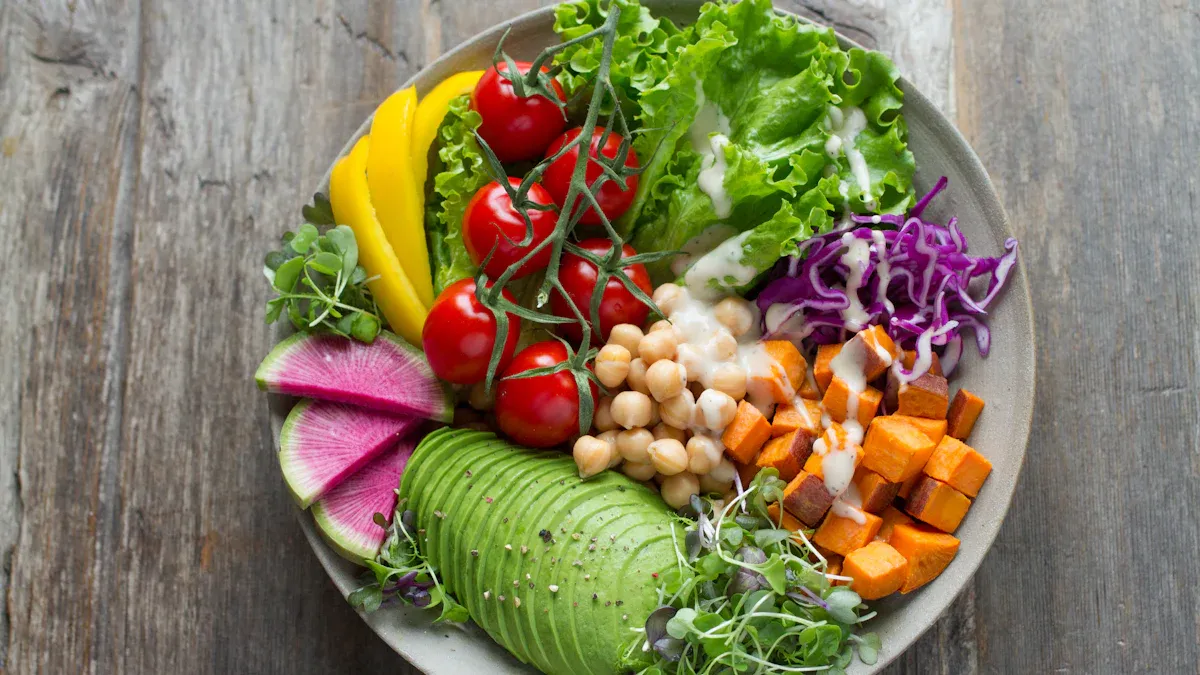
You can find prebiotic fibers in many everyday foods. Here are some of the best natural sources:
Chicory root
Dandelion greens
Jerusalem artichoke
Garlic
Onions
Leeks
Asparagus
Bananas
Barley
Oats
Apples
Konjac root
Burdock root
Flaxseeds
Yacon root
Jicama root
Seaweed
Eating a variety of these foods helps you get different types of fiber. You can add them to salads, soups, or snacks.
Food Applications and Product Use
You see prebiotic fibers in many foods at the store. Food makers add them to bakery items, cereals, snacks, and even drinks. These fibers help improve gut health and may lower blood sugar. Many brands now create high-fiber foods because people want better digestive health. Some products, like Fibersol® and NUTRAFLORA®, support your gut and taste good. Companies use both soluble and insoluble fibers to make foods healthier. New blends and personalized nutrition are becoming popular as more people learn about gut health.
Note: Choosing foods with added prebiotic fibers can help you reach your daily fiber goals.
Tips for Daily Intake
You can boost your fiber intake with simple changes. Chia seeds and flaxseed are great sources. Chia seeds may help lower inflammation, and flaxseed can support your health in other ways. Try these ideas:
Start your day with a smoothie made from a frozen banana, Greek yogurt, peanut butter, chia seeds, cacao powder, a date, and almond milk.
Add chia seeds or flaxseed to yogurt, oatmeal, or smoothies.
Swap meat for beans, chickpeas, or lentils a few times each week.
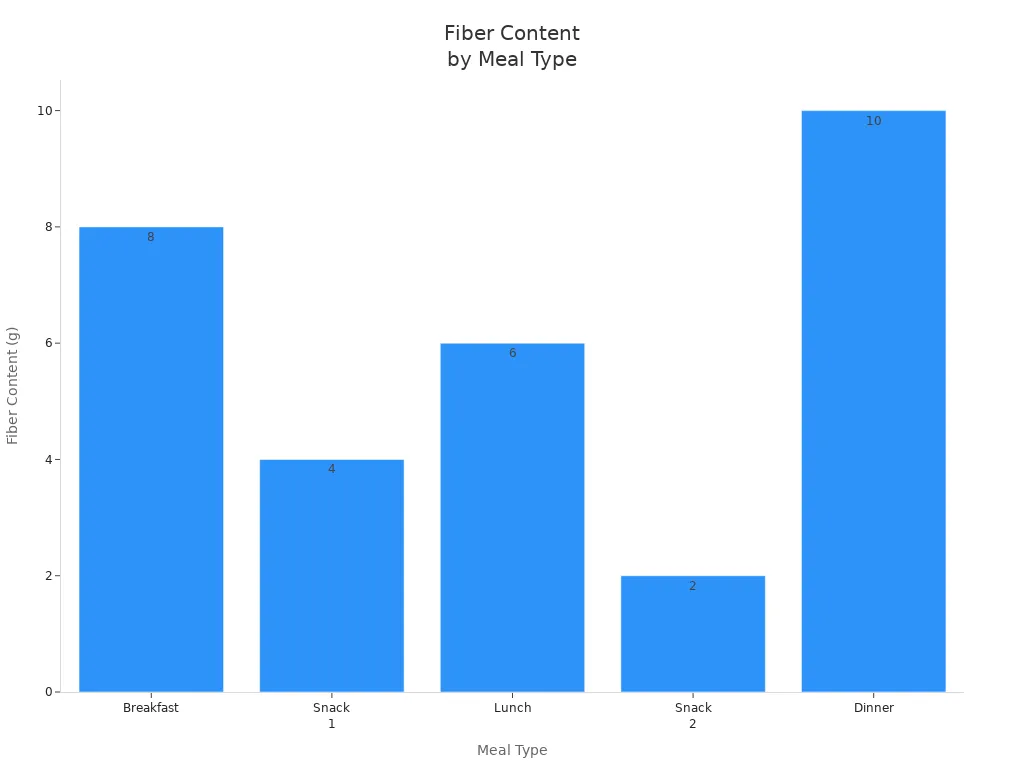
Here is a table to help you plan your meals:
Meal Type | Food Description | Fiber Content |
|---|---|---|
Breakfast | Banana smoothie with 1/3 cup of oats | 8g |
Snack | An apple | 4g |
Lunch | Whole grain bread sandwich with lettuce and chicken | 6g |
Snack | 1/4 cup of nuts | 2g |
Dinner | Spaghetti made with whole wheat pasta, lentils, and veggies | 10g |
Dessert | Yogurt topped with berries | 3-4g |
You can see how much fiber you get from different meals in this chart:
Try to include Prebiotic Dietary Fiber in your meals every day for better gut health.
Recommended Intake
Guidelines and Effective Doses
You need to eat enough prebiotic dietary fiber every day. This helps your gut and keeps you healthy. Health experts say how much fiber you should eat. Most people in the U.S. do not eat enough fiber. Here are the amounts you should try to eat:
Women should get 25 grams of fiber each day.
Men should get 38 grams of fiber each day.
You can find fiber in fruits, vegetables, whole grains, and beans. Try to eat many different foods to reach your goal. Many foods have both soluble and insoluble fibers. Some foods also have prebiotic fibers. But new FDA rules change how these fibers are shown on food labels.
Note: The FDA does not let prebiotics like inulin be called dietary fiber on food labels. The new rules do not count some prebiotics as dietary fiber.
Fiber Definition | Details |
|---|---|
Dietary Fiber Definition | Non-digestible soluble and insoluble carbohydrates (with 3 or more monomeric units), and lignin that are intrinsic and intact in plants; isolated or synthetic non-digestible carbohydrates (with 3 or more monomeric units) determined by FDA to have physiological effects that are beneficial to human health. |
Excluded Prebiotics | Inulin and other prebiotics are not classified as dietary fiber under the new FDA regulations. |
You should look at food labels closely. Some foods may have prebiotics, but they might not count as fiber.
Side Effects and Considerations
You might feel changes in your body when you eat more prebiotic dietary fiber. Some people get bloating, gas, or stomach pain. Here are some common side effects:
Prebiotics can make Irritable Bowel Syndrome (IBS) worse.
Fast fermentation can cause gas, bloating, diarrhea, or constipation.
People with Small Intestinal Bacterial Overgrowth (SIBO) or FODMAPs intolerance should stay away from some prebiotics.
Start with a small amount and add more slowly. Drink lots of water to help your body get used to it. If you have gut problems, talk to your doctor before you change your diet.
Tip: Pay attention to your body. If you feel bad, eat less fiber or try a different kind.
You can help your gut and health by eating Prebiotic Dietary Fiber. The table shows how each type helps you:
Prebiotic Type | Health Benefits |
|---|---|
Soluble Fiber | Slows how your body takes in nutrients, lowers cholesterol |
Insoluble Fiber | Helps you poop regularly |
Whole Grain Wheat | Makes your gut bacteria more varied |
Bean Hull Rolls | Lowers your chance of getting diabetes |
Try these easy ways to eat more fiber:
Put beans in salads or use legumes instead of meat in soups.
Eat five servings of fruits and vegetables every day.
Pick whole fruits instead of juice and add fruit to cereal or baked goods.
If you have stomach problems or take medicine, ask your doctor before changing your diet.
FAQ
What is the difference between prebiotic and probiotic?
Prebiotics are food for your good gut bacteria. Probiotics are live bacteria you can eat. Both are good for your digestion, but they work in different ways. Prebiotics feed the bacteria you already have. Probiotics add new bacteria to your gut.
Can you get enough prebiotic fiber from food?
You can get enough prebiotic fiber if you eat many fruits, vegetables, and whole grains. Try to eat foods like bananas, onions, and oats every day.
Are there any side effects from eating prebiotic fiber?
Some people get gas, bloating, or stomach pain when they eat more prebiotic fiber. Start with a little bit at first. Drink lots of water so your body gets used to it.
How do I know if a food contains prebiotic fiber?
Food Type | Prebiotic Fiber Example |
|---|---|
Vegetables | Asparagus, garlic |
Fruits | Bananas, apples |
Grains | Barley, oats |
Look at food labels or find these foods at the store.