You want your drinks to taste good and stay safe. The best preservatives for drinks are potassium sorbate, sodium benzoate, and natural choices like citric acid. Potassium sorbate stops yeast and mold. Sodium benzoate works well in sour drinks. Natural preservatives help keep flavors strong. Both chemical and natural choices are important. In 2023, sorbates and benzoates made up more than 75% of the market. Picking the right preservative helps you keep flavor and safety in every drink.
Key Takeaways
Potassium sorbate stops yeast and mold in drinks. It keeps drinks safe and does not change the taste.
Sodium benzoate works well in sour drinks. It protects from bacteria and fungi. It keeps the flavor the same.
Natural preservatives like citric acid and lemon juice are good for clean labels. They are safe ingredients.
Pick the right preservative based on the drink type. Think about how long you want the drink to last. Check pH levels to see if it works well.
Always use preservatives safely. Follow rules to keep people healthy and follow the law.
Best Preservatives: Chemical & Natural Options
You want your drinks to stay fresh and safe. The best preservatives help you do this. Potassium sorbate, sodium benzoate, and natural preservatives like citric acid, lemon juice, and rosemary extract are great choices. Each one helps with flavor and safety in its own way.
Potassium Sorbate
Potassium sorbate keeps drinks safe from yeast and mold. You can use it in juices and flavored waters. It works best when the pH is between 3.0 and 6.5. If you use the right amount, it will not change the taste. Potassium sorbate keeps the flavor strong and does not add bad flavors. Many people know its name and trust it.
Potassium sorbate stops germs from growing and keeps the taste the same. You can count on it for a plain flavor if you use the right amount.
You see potassium sorbate in drinks that need to last longer. It is approved by many food safety groups. The FDA and European Food Safety Authority say it is safe to use.
Sodium Benzoate
Sodium benzoate works best in sour drinks. You find it in fruit juices, sodas, and sauces. This preservative stops bacteria and fungi from growing. It keeps drinks safe and does not change the taste. Sodium benzoate works in drinks with a pH below 4.5. You can use it in sour drinks where other preservatives might not work.
Sodium benzoate fights many germs and does not change the taste much. You can find it in foods like cinnamon and cranberries.
Sodium benzoate is safe to use. Many countries allow it in foods and drinks. The FDA and European Food Safety Authority set safe limits for it. You can trust sodium benzoate to keep drinks safe and tasty.
Natural Preservatives
Natural preservatives are another way to keep drinks safe. Citric acid, lemon juice, and rosemary extract help keep drinks fresh. You can use these if you want natural ingredients. Citric acid makes drinks more sour and stops germs from growing. Lemon juice adds taste and helps keep drinks fresh. Rosemary extract stops flavors from going bad.
You find natural preservatives in juices, teas, and health drinks. They work well for drinks that do not last long and are good for people who want natural choices. You can use natural preservatives with other ways to keep drinks safe and tasty.
Preservative | Key Benefits | pH Range Effectiveness | Sensory Impact |
|---|---|---|---|
Potassium Sorbate | Stops germs from growing, keeps taste the same, trusted name | 3.0 – 6.5 | Plain flavor if used right |
Sodium Benzoate | Fights many germs, works in sour drinks | Below 4.5 | Taste does not change much |
Potassium sorbate and sodium benzoate are approved by many food safety groups.
You can use them safely if you follow the rules.
Big agencies have checked that they are safe.
You can pick the best preservative for your drink and what people want. Potassium sorbate, sodium benzoate, and natural preservatives help keep drinks tasty and safe.
Potassium Sorbate in Beverages
How It Works
Potassium sorbate keeps drinks safe by stopping yeast and mold. You add it after drinks like wine finish fermenting. This preservative messes up the cell walls and enzymes of germs. In sour drinks, potassium sorbate turns into sorbic acid. Sorbic acid goes into bacteria and fungi cells. It stops them from growing more. This works best in drinks with low pH. Potassium sorbate helps stop spoilage and stops unwanted fermentation.
Tip: Potassium sorbate works best when pH is 3.0 to 6.5. Acidic drinks get the most protection.
You usually use potassium sorbate from 250 ppm to 1000 ppm. In food and drinks, you add 0.025% to 0.1%. This means 25–100 mg for every 100 g serving. The amount depends on the drink and how much safety you want.
Taste & Safety
You want your drinks to taste fresh. Potassium sorbate helps keep the real flavor. You use it in fruit juices, soft drinks, and wine to stop yeast. This stops unwanted fermentation and keeps the taste the same. In wine, you add potassium sorbate after fermentation. This stops new yeast from growing. You keep the taste and keep your drink safe.
Potassium sorbate is safe if you use the right amount. Food safety groups like the FDA and EFSA say it is safe. You can trust potassium sorbate as a top preservative for drinks.
Best Uses
You find potassium sorbate in many drinks:
Fruit juices
Soft drinks
Wines
You use it to make drinks last longer and taste good. Potassium sorbate works well in drinks that need to stay fresh. You pick it when you worry about yeast and mold. You get good results and a clean taste.
Beverage Type | Why Use Potassium Sorbate? |
|---|---|
Fruit Juices | Stops yeast and mold, keeps flavor |
Soft Drinks | Prevents spoilage, maintains taste |
Wines | Controls fermentation, preserves aroma |
Potassium sorbate helps make drinks safer and tastier.
Sodium Benzoate in Beverages
How It Works
Sodium benzoate helps keep drinks safe from going bad. It works best in drinks that are sour with a pH under 4.5. When you add it, sodium benzoate turns into benzoic acid. Benzoic acid can pass through the walls of tiny germs. It messes up how these germs make energy. This stops yeast and bacteria from growing. Your drinks stay safe from bad germs and last longer.
Tip: Sodium benzoate works best in sour drinks like sodas and fruit juices. It gives strong protection in drinks that are acidic.
Taste & Safety
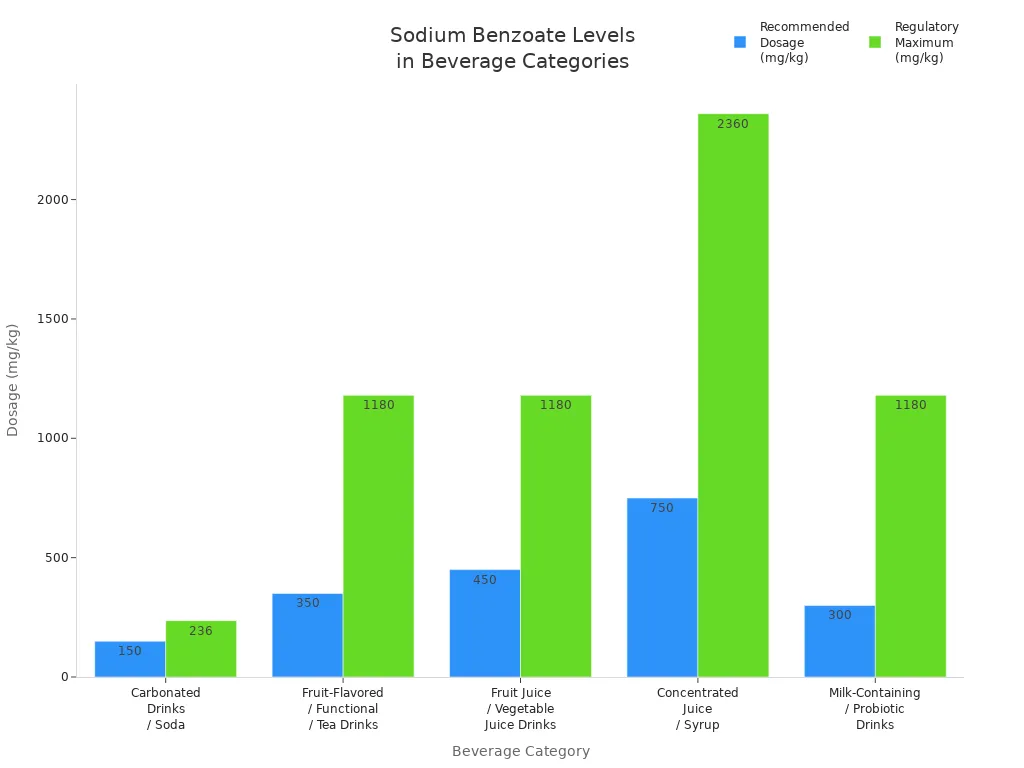
You want your drinks to taste good and be safe. Sodium benzoate does not change the taste much if you use the right amount. It is on many lists of the Best Preservatives because it keeps drinks safe and does not change the flavor. You need to follow the rules for how much to use. Here is a table that shows the best amounts:
Beverage Category | Recommended Dosage (mg/kg) | Approximate Percentage | Regulatory Maximum (mg/kg) |
|---|---|---|---|
Carbonated Drinks / Soda | 100 ~ 200 | 0.01% ~ 0.02% | 236 |
Fruit-Flavored / Functional / Tea | 200 ~ 500 | 0.02% ~ 0.05% | 1180 |
Fruit Juice/Vegetable Juice | 300 ~ 600 | 0.03% ~ 0.06% | 1180 |
Concentrated Juice/ Syrup | 500 ~ 1000 | 0.05% ~ 0.10% | 2360 |
Milk-Containing / Probiotic | 200 ~ 400 | 0.02% ~ 0.04% | 1180 |
You should know about the risks. Sodium benzoate can make benzene, which is bad for you, if it mixes with ascorbic acid in sour drinks. Using too much sodium benzoate can hurt your liver and kidneys. It can also cause heart and stomach problems. Some people get headaches or feel moody. Studies show that kids who drink drinks with sodium benzoate and fake colors may get more hyper. The EU and UK say drinks with these must have warning labels.
Best Uses
You use sodium benzoate in drinks that need strong germ protection. It works well in:
Carbonated drinks
Fruit juices
Flavored waters
You pick sodium benzoate for sour drinks with a pH under 4.5. It stops bad germs and keeps your drinks safe. Your drinks last longer and taste fresh. Sodium benzoate is one of the Best Preservatives for drinks that need strong protection and a clean taste.
Natural Preservatives for Drinks
Common Types
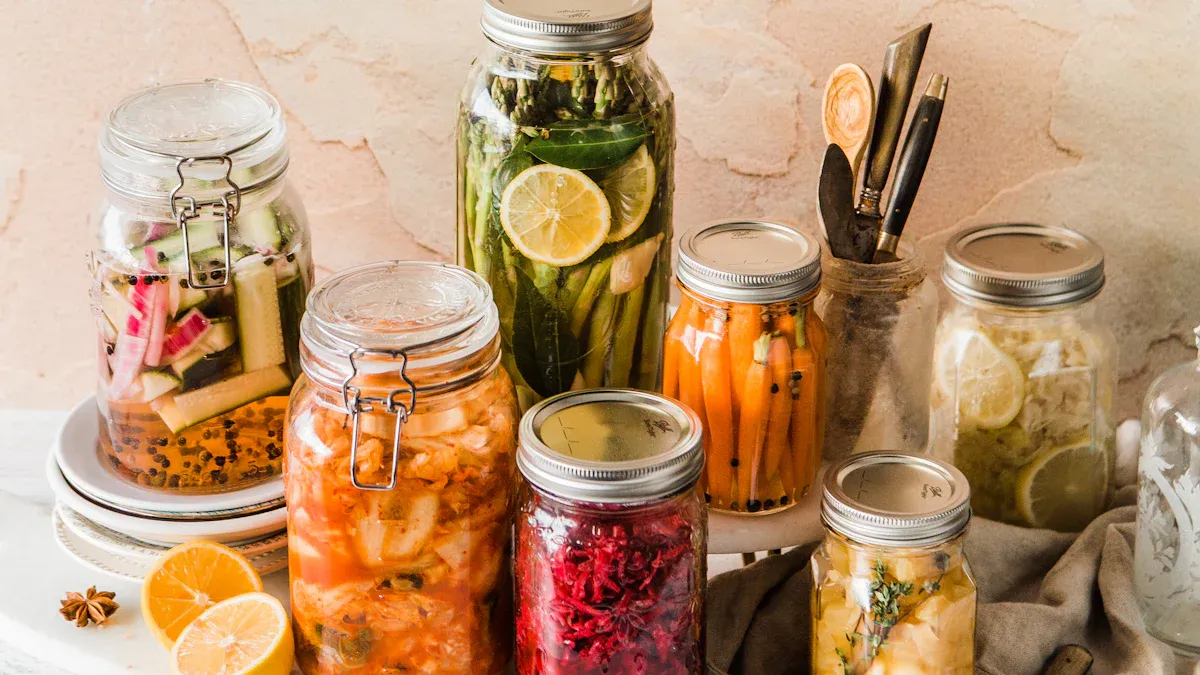
There are many natural preservatives for drinks. These come from plants, fruits, or things in your kitchen. Here are some you might use:
Citric acid (from citrus fruits)
Sugar
Salt
Fermentation
Refrigeration
Citric acid and lemon juice make drinks sour. They also help stop germs. Rosemary extract comes from herbs and keeps flavors safe. Sugar and salt make it hard for germs to grow. Fermentation uses good bacteria to keep drinks safe. It also gives drinks special flavors.
Effectiveness & Safety
Natural preservatives work well in lots of drinks. Rosemary extract is good because it fights germs and stops oxidation. This helps drinks last longer and taste better. You can use rosemary extract if you want a natural way to keep drinks safe.
Lemon juice and vinegar have been used for a long time. People use them to keep drinks safe and tasty. These ingredients help drinks stay safe for longer. Many people trust natural preservatives because they know what is in them. More brands now use plants and microbes to keep drinks safe. New rules in the U.S. limit fake additives, so companies pick natural ones.
Note: Using natural preservatives helps you give people safe drinks with clean labels.
Best Uses
You can pick the right natural preservative for each drink. The table shows which ones work best:
Natural Preservative | Benefits |
|---|---|
Citric Acid | Stops germs and makes drinks taste better |
Rosemary Extract | Protects drinks and helps them last longer |
Buffered Vinegar | Stops spoilage in drinks that are not very sour |
Salt and Sugar | Stop germs by lowering water in drinks |
Fermentation | Keeps drinks safe and adds special flavors |
You can use natural preservatives in juices, teas, kombucha, and health drinks. These choices help keep drinks safe and tasty. They do not change the flavor much. Many people think natural preservatives are the Best Preservatives for drinks with clean labels.
Preservative Comparison
Key Features
You might wonder what makes each preservative different. Potassium sorbate is good because it stops mold, yeast, and some bacteria. It does this by breaking the walls of germs and blocking their enzymes. You can use potassium sorbate in many drinks. It works best when the pH is between 3.0 and 6.5. If you use the right amount, it keeps drinks safe and does not change the taste.
Sodium benzoate is best for sour drinks. In these drinks, it turns into benzoic acid. This acid goes inside germs and stops them from growing. You often find sodium benzoate in sodas and fruit juices. It helps drinks last longer and keeps them safe.
Natural preservatives like citric acid and rosemary extract come from plants or fruits. People use these if they want natural ingredients and a clean label. Many people like natural preservatives because they feel safer and better for the planet. More brands now use plant extracts and fermentation to keep drinks fresh.
Note: Pick a preservative based on how long you want your drink to last, what kind of drink you have, and what your customers want.
Pros & Cons
Here is a simple look at the good and bad things about each preservative:
Preservative | Advantages | Disadvantages |
|---|---|---|
Potassium Sorbate | Stops mold and bacteria, safe, keeps taste plain | Rare allergic reactions, can cause skin irritation in some products |
Sodium Benzoate | Makes drinks last longer, low cost, keeps drinks safe and tasty | Can form benzene with vitamin C, may cause allergies in sensitive people |
Natural Preservatives | More eco-friendly, popular with consumers, fits clean label trend | May not work as well as chemicals, often costs more, gives shorter shelf life |
Many shoppers want drinks with simple ingredients.
Scientists are looking for new plant-based ways to keep drinks safe.
You can use this table and list to help you choose the best preservative for your drinks.
Choosing Preservatives
By Beverage Type
You need to pick the right preservative for your drink. Every drink type needs something special. For fizzy drinks, check the pH and how sour it is. Preservatives work better when the pH is low. You should also think about sugar, water, and how you make the drink. If you make juice or plant drinks, you have more choices. Potassium sorbate can stop drinks from fermenting. Ascorbic acid keeps juice fresh and gives vitamin C. Citric acid makes drinks taste better and keeps them safe. Sodium benzoate is good for sour drinks. Plant extracts like rosemary and green tea help protect drinks in a natural way.
Here is a table to help you choose:
Beverage Type | Good Preservative Choices | Why Use Them? |
|---|---|---|
Carbonated Drinks | Benzoates | Work well in acidic drinks |
Juices | Citric acid, lemon juice, potassium sorbate | Natural, keep flavor and freshness |
Plant-Based Drinks | Plant extracts, physical methods | Focus on stability and clean labels |
Balancing Taste & Shelf Life
You want your drink to taste good and last long. Pick a preservative that does both jobs. Benzoates keep fizzy drinks safe and do not change the taste. In juice, citric acid and lemon juice help keep the flavor bright. For plant drinks, use natural preservatives and careful processing. Always think about what your customers want. Many people like drinks with simple, natural ingredients. You can use the Best Preservatives to keep drinks safe and tasty.
Tip: Try different preservatives in your drink. This helps you find the best mix of taste and shelf life.
Regulatory Tips
You must follow the rules for using preservatives. The United States and Europe have different rules. Europe uses strict rules and labels. The U.S. checks for safety but allows more choices. Both let you use potassium sorbate and sodium benzoate, but Europe has lower limits. Some preservatives, like BHA and BHT, have more rules in Europe. Always check the laws in your country before you pick a preservative.
Note: Read labels and check for new rules. This helps keep your drinks safe and legal.
You now know that potassium sorbate, sodium benzoate, and natural choices like citric acid are great for keeping drinks tasty and safe. You need to pick the right preservative for your drink and what people like. The table below explains why this is important:
Key Insights | Description |
|---|---|
Consumer Demand | More people want natural and eco-friendly preservatives for health and safety. |
Regulatory Compliance | Tougher rules make companies use fewer synthetic preservatives. |
Industry Trends | More organic drinks means more natural preservatives are used. |
Natural preservatives help you avoid health problems and support clean-label trends. You can use both natural and chemical preservatives to get the best taste and safety.
FAQ
What is the safest preservative for homemade drinks?
You can use citric acid or lemon juice. These natural preservatives help keep drinks safe and fresh. They do not make your drink taste weird. Most people already have them in their kitchen.
Can I mix different preservatives in one drink?
Yes, you can mix them together. Many companies use both chemical and natural preservatives. This makes drinks safer and last longer. Always check your country’s rules before you mix them.
Do preservatives change the taste of my beverage?
Most preservatives do not change the taste if you use the right amount. Potassium sorbate and sodium benzoate keep the flavor plain. Lemon juice and other natural choices might make drinks a little sour.
Are there any side effects from using preservatives?
Some people can get allergies or headaches from chemical preservatives. You should always use safe amounts. Natural preservatives usually cause fewer problems.