You see vinegar powder as a clean label preservative. Food makers pick it because it fights germs well. It also has a good reputation for labels. You get two benefits from it. It makes food taste better and keeps food safe.
More people want healthy, clean-label products. This makes vinegar powder more popular.
Vinegar powder works in many recipes and food processes. This helps it become a favorite.
More people eat vegetarian diets now. New technology makes vinegar powder last longer and keeps food fresh.
You might wonder how vinegar powder stacks up against other preservatives in foods you like.
Key Takeaways
Vinegar powder is a clean label preservative. It makes food taste better and helps keep it safe. Many people like it because they want healthy and natural foods. They do not want fake chemicals. Vinegar powder works well to stop germs. It helps food last longer. When you use vinegar powder in recipes, it gives a light flavor. It does not have a strong vinegar smell. Picking foods with vinegar powder follows clean label trends. It also helps people eat healthier.
What Is Vinegar Powder?
Definition & Composition
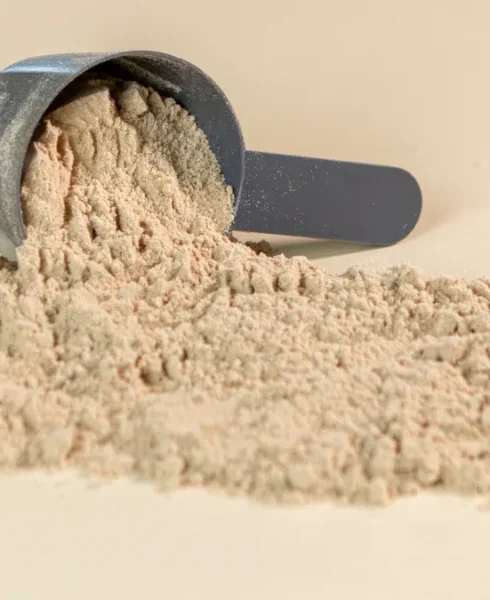
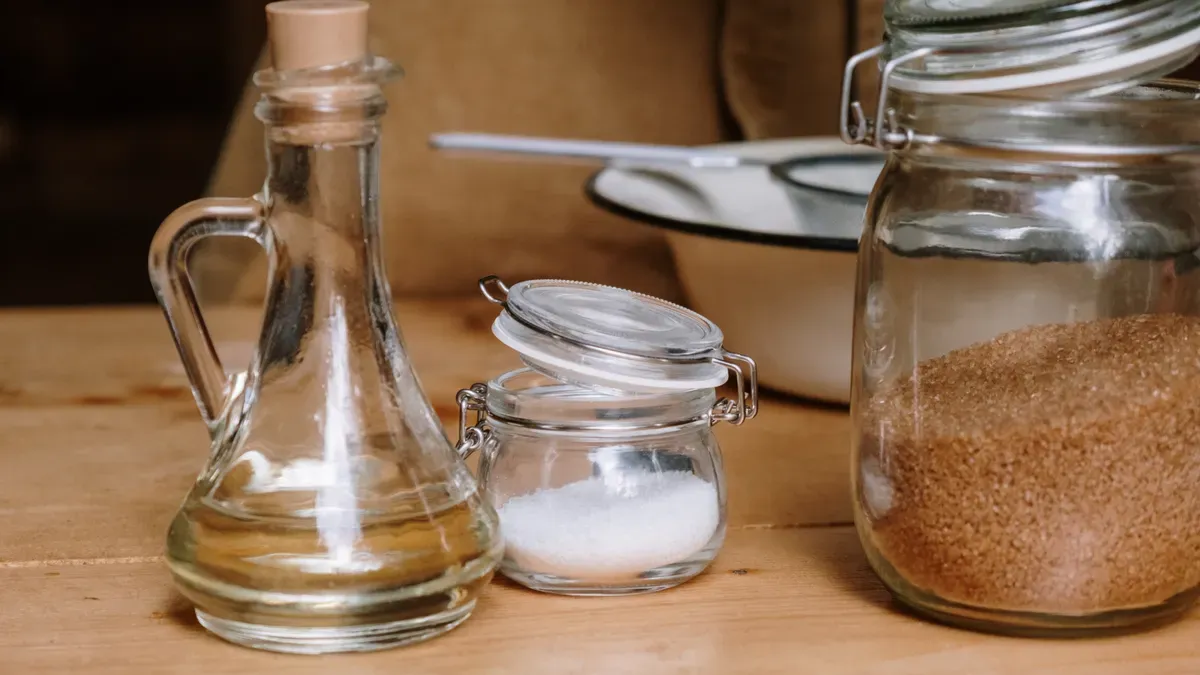
Vinegar powder is not just dried vinegar. It is made in a special way. Most vinegar powders use apple cider vinegar powder. Makers spray-dry fermented apple cider vinegar onto something called maltodextrin. This keeps the acids and polyphenols from the vinegar. These parts help with taste and keep food safe.
Apple cider vinegar powder has:
Organic acids, mostly acetic acid
Small amounts of polyphenols from fermentation
A carrier like maltodextrin
You can find vinegar powder in capsules, gummies, drink mixes, and dry seasonings. Makers control the acidity, usually at 5% or 10% acetic acid.
How It Differs from Liquid Vinegar
Vinegar powder and liquid vinegar are not the same. They have different chemical parts. You can see the main differences in this table:
Component | Liquid Vinegar | Vinegar Powder |
|---|---|---|
Free Acids | High acetic acid | Over 3.5 wt.% free acid |
Neutralized Acids | Lower amounts | 40-92 wt.% neutralized acids |
Other Acids | Lactic, malic, citric, tartaric | Smaller amounts |
Water Content | High (aqueous solution) | Low (dried form) |
Liquid apple cider vinegar has a pH from 2.0 to 3.0. This means it is very acidic. When you add water to vinegar powder, the pH is a little higher. This is because the powder has less water and sometimes other things. The change in acidity affects how you use each one in recipes.
Preservative Properties
Vinegar powder is used as a Clean Label Preservative. It helps stop germs and keeps food safe. Studies show that buffered vinegar powder, even in small amounts, can slow spoilage in foods like minced beef. The acetic acid in both liquid and powdered vinegar stays stable when stored. This means you can trust vinegar powder to help food last longer. You also get a Clean Label Preservative that matches today’s food trends.
Tip: Vinegar powder is good for foods where you want flavor and a longer shelf life, but do not want to use fake chemicals.
Clean Label Preservative Explained
What Clean Label Means
You see “clean label” a lot in stores. It means food has simple, natural things inside. You will not find fake chemicals or hard-to-say words. Food makers want you to know what is in your food. They use clear labels and easy words.
Food industry experts say:
“Clean label” for preservatives means using fewer fake ingredients. It means using natural things and short lists of ingredients. It also means showing where things come from and how they are made.
Vinegar powder matches this idea. It is a Clean Label Preservative from natural sources. You can trust it because the label is clear.
Label-Friendly Benefits
You want food to stay fresh without weird chemicals. Vinegar powder helps with that. It is a Clean Label Preservative that works well and keeps food safe. It also gives these label-friendly benefits:
You only need a little, so taste stays the same
Drying takes away strong smells, so flavor is mild
Powder is lighter, so shipping costs less
It mixes easily into spice blends and toppings
You can use vinegar powder in many foods. You do not have to worry about a strong vinegar taste or high shipping costs.
No-Chemical Trace & Declaration
Vinegar powder is called “flavoring” or “buffered vinegar” on labels. You do not see chemical names or numbers. This helps you feel safe and sure. You know what you are eating. It is a Clean Label Preservative with no chemical trace. You see simple words and clear labels. Food makers pick vinegar powder because it fits clean label trends. You get food that matches your values and helps you stay healthy.
How Vinegar Powder Preserves Food
Microbial Control Mechanism
You want your food to stay safe and fresh. Vinegar powder helps you do that. The main reason is acetic acid. This acid comes from vinegar and has strong antibacterial power. When you add vinegar powder to food, it stops harmful germs from growing. These germs can cause food to spoil or make you sick.
Acetic acid mixes well with water. This means it spreads through your food and protects every part. You see this effect in pickled foods. The same thing happens when you use vinegar powder in dry foods or snacks. You get a shield against common foodborne pathogens. This keeps your food safe for longer.
Tip: You can use vinegar powder on meats, cheeses, fruits, and vegetables. It helps keep these foods fresh and safe to eat.
pH Control & Shelf Life
Vinegar powder does more than fight germs. It also lowers the pH of your food. A lower pH means your food is more acidic. Most bacteria and molds do not like acid. They grow slower or stop growing when the pH drops. This is why vinegar powder helps your food last longer.
You can see the benefits in many foods:
Vinegar powder keeps perishable foods fresh.
It helps maintain quality and taste over time.
You can use it on meats, cheeses, fruits, and vegetables.
It works as well as other natural preservatives.
You get easy storage and use because it comes as a powder.
When you use vinegar powder, you do not need to worry about strong vinegar smells. The powder form is mild and easy to mix. You also get a Clean Label Preservative that fits with what you want—safe, simple, and natural food.
Note: Vinegar powder is a smart choice if you want to keep food fresh without using fake chemicals.
Vinegar Powder vs. Other Preservatives
Synthetic vs. Natural Options
You see many kinds of food preservatives. Some are synthetic, and some are natural. Synthetic preservatives like sodium benzoate work well. Potassium sorbate is another synthetic option. Many people worry about these preservatives. You may see their names on ingredient lists. They sound strange and make you wonder about your food.
Natural preservatives are safer for most people. Vinegar powder is a natural choice. It uses organic acids to stop bacteria and molds. You find vinegar powder in sauces, pickles, and snacks. It works well but can change the flavor. Rosemary extract is another natural preservative. It has antioxidants that stop oxidation. Rosemary extract does not fight bacteria as well as vinegar powder. Cultured dextrose is also a natural option. It targets oxidation but is not strong against bacteria.
You can compare these preservatives in this table:
Preservative | Main Action | Antimicrobial Spectrum | Flavor Impact | Typical Use |
|---|---|---|---|---|
Vinegar Powder | Organic acids inhibit bacteria and molds | Broad (especially in meats, sauces, pickles) | May alter flavor | Sauces, meats, snacks |
Rosemary Extract | Antioxidants prevent oxidation | Narrow (needs combination) | Herbal taste | Oils, snacks, dressings |
Cultured Dextrose | Targets oxidation | Narrow (needs combination) | Mild | Dairy, baked goods |
Synthetic Preservatives | Chemical inhibition of microbes | Broad | Minimal | Processed foods |
Vinegar powder is strong against germs in meat and poultry. Rosemary extract and cultured dextrose are not as strong. They often need help from other preservatives. This helps fight germs like Listeria monocytogenes. Buffered vinegar can stop foodborne germs and spoilage. The amount you use can change the taste of your food.
Tip: If you want a Clean Label Preservative that works well and comes from natural sources, vinegar powder gives you a strong option.
Labeling & Consumer Appeal
You care about what is on your food label. Synthetic preservatives use chemical names and numbers. These names can make you feel worried. Natural preservatives like vinegar powder use simple words. You see “vinegar” or “buffered vinegar” on the label. This helps you trust the food.
People like products with natural ingredients. You think they are safer and healthier. Familiar ingredients like vinegar make you feel good. They help you trust the product. Clean labels are popular now. You see fewer fake additives and more simple labels.
Natural preservatives keep your food safe and tasty. You get food that matches your values. Clean-label preservatives are familiar and come from nature. Vinegar powder fits this trend. It gives you safety, quality, and a label you can read.
Note: When you choose foods with vinegar powder, you support clean label trends and get a product that feels safe and honest.
Food Uses & Acceptance
Common Food Applications
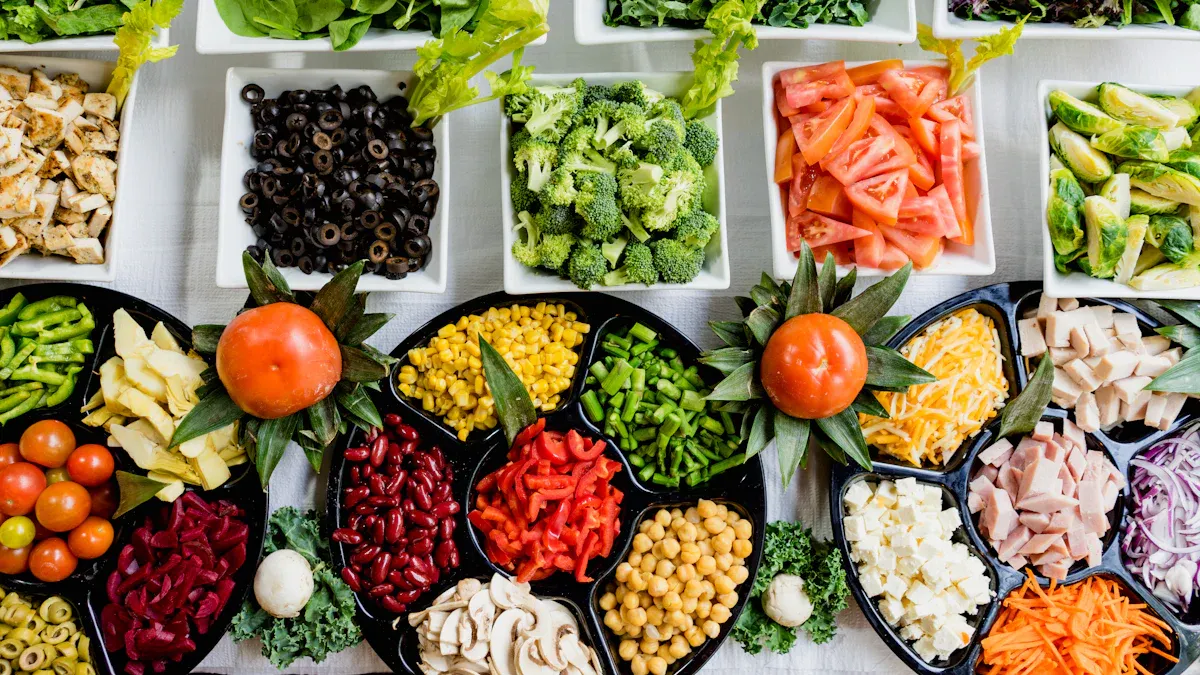
Vinegar powder is in lots of foods you eat. Food makers use it to keep food fresh and safe. You can find it in:
Deli meats and sausages
Chips, crackers, and popcorn
Sauces, dressings, and marinades
Bread, tortillas, and other baked goods
Cheese and other dairy foods
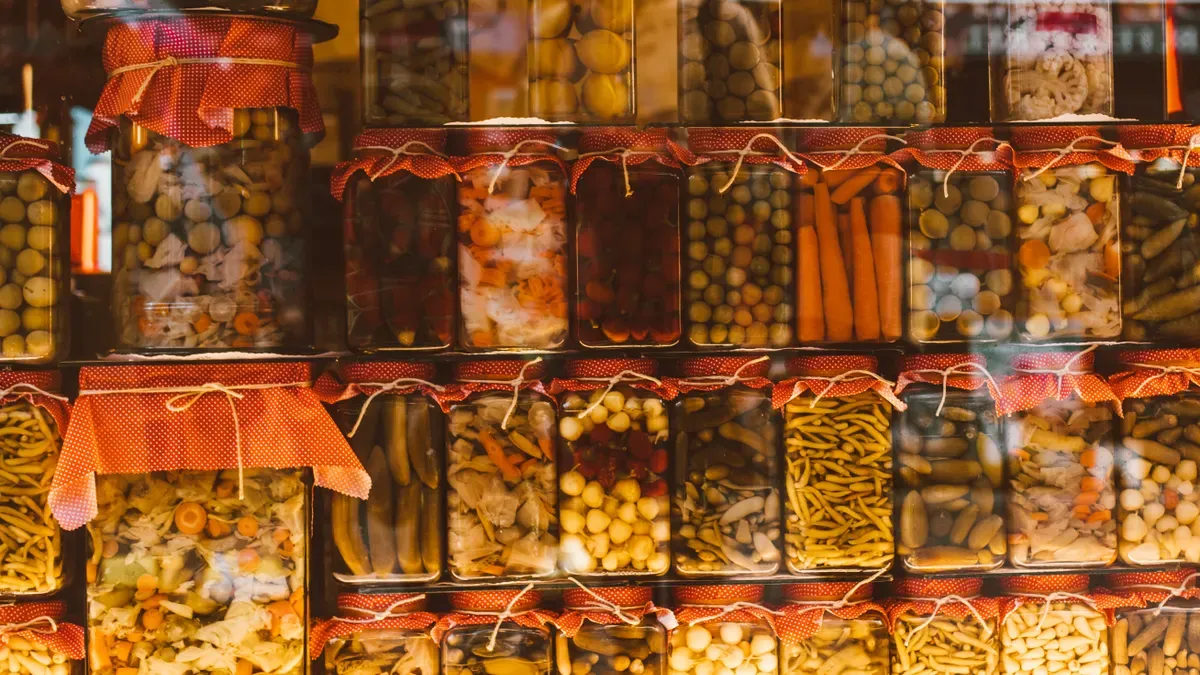
Pickled veggies and canned foods
Vinegar powder works in both snacks and savory foods. It helps stop mold and bacteria from growing. You get a mild flavor but not a strong vinegar smell.
Regulatory Status & Safety
Food safety groups say vinegar powder is okay in many places. It is called a Clean Label Preservative. There are some safety things to know:
Germs from acetic acid bacteria or spoilage bugs can make bad tastes and shorten shelf life.
Mycotoxins like ochratoxin A and patulin can form during fermentation and may be harmful.
If fermentation is not controlled, bad bacteria might survive.
Germs can get in during making or packing the powder.
Chemicals like heavy metals or pesticides might stay in the powder.
Some vinegar powder could be mixed with fake acetic acid, which is not good.
Organic and natural vinegars may not use extra preservatives, so they can spoil faster.
Most vinegar powder is safe if makers follow the rules. Always read labels and pick brands you trust.
Consumer Perception
You want food that is safe and easy to understand. Many people trust vinegar powder because it is simple and natural. More people want clean-label foods now. You look for foods without weird chemicals. Vinegar powder helps stop mold and yeast, so you feel better about eating it. You see it as a smart and healthy choice for you and your family.
You know vinegar powder is a Clean Label Preservative. It helps keep food safe and fresh. It works in many foods you eat. It uses simple and natural ingredients. You trust it because it fights germs. It also matches clean-label rules.
More people want clean-label preservatives now. This means the market is growing fast. You see more foods with vinegar powder. Food makers use it because you want natural choices.
Food companies are using less synthetic preservatives. They use vinegar powder in bread, dairy, and ready meals.
There are some problems like higher costs. Not everyone knows about vinegar powder yet. Still, more people are learning about its good points.
Vinegar powder will be used in more new foods. When you pick foods with clean labels, you help change the future. You support natural preservatives like vinegar powder.
FAQ
What foods can you use vinegar powder in?
You can use vinegar powder in meats, snacks, sauces, baked goods, and dairy. It works well in both savory and snack foods. You get a mild flavor and longer shelf life.
Does vinegar powder change the taste of your food?
Vinegar powder gives a mild tangy taste. You will not notice a strong vinegar smell. Most foods keep their original flavor. You get both freshness and taste.
Is vinegar powder safe for you to eat?
Yes, vinegar powder is safe when made by trusted brands. Food safety groups approve it. You should always check the label and pick products from companies you trust.
How do you see vinegar powder on food labels?
You might see “vinegar,” “buffered vinegar,” or “natural flavor” on the label. You will not see chemical names or numbers. This helps you trust what you eat.