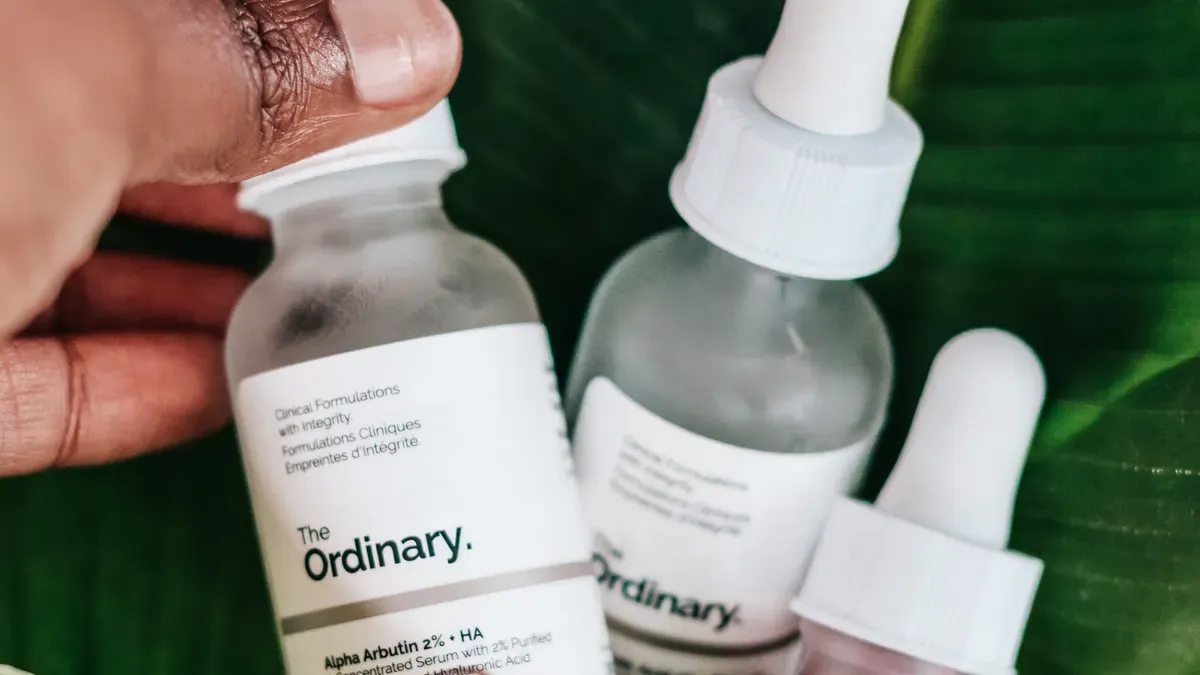
You can use Sodium Dehydroacetate safely if you stay under the 0.6% limit. This ingredient helps keep bacteria and mold from growing in your products. Many companies use it in different countries. In 2023, people used more than 3,000 tons. Almost 45% was used in the Asia Pacific region. Some animal studies show it might cause health problems. So, always follow safety rules. Add Sodium Dehydroacetate when your product is cooling down. Make sure your formula fits its pH range.
Key Takeaways
Keep Sodium Dehydroacetate under 0.6% to stop germs and mold. Use it safely. Add it when the mix is cooler than 45°C. This gives the best results. Check the pH level. Store it in a cool and dry place. Test your product to make sure it is safe before selling.
Sodium Dehydroacetate Overview
What Is Sodium Dehydroacetate?
Sodium Dehydroacetate is in lots of cosmetics. It is the sodium salt of dehydroacetic acid. This powder is white or almost white and has crystals. It dissolves well in water, glycerol, and propylene glycol. It does not break down when heated to 120°C. Companies use it because it can handle heat and light. In food, it is called E266. You also find it in many personal care and cosmetic products.
Preservative Benefits
Sodium Dehydroacetate helps stop bacteria and fungi. It keeps creams, lotions, and shampoos from going bad. This preservative gets inside cells and stops them from breathing. That helps keep your products safe. You can use it if your formula’s pH is between 2 and 6.5. Many people pick it instead of parabens or formaldehyde-releasing preservatives. It can work with other preservatives to make them stronger.
Tip: You can add Sodium Dehydroacetate to water-based or oil-based products.
Regulatory Limit and Safety
You need to follow safety rules when using Sodium Dehydroacetate. Experts checked its safety in 1985, 2003, and 2023. They said it is safe in cosmetics up to 0.6%. Some people might get allergic contact dermatitis. You should test your product before selling it. If you use it right, this preservative keeps your products safe and stable.
Using Sodium Dehydroacetate
Recommended Usage Rate
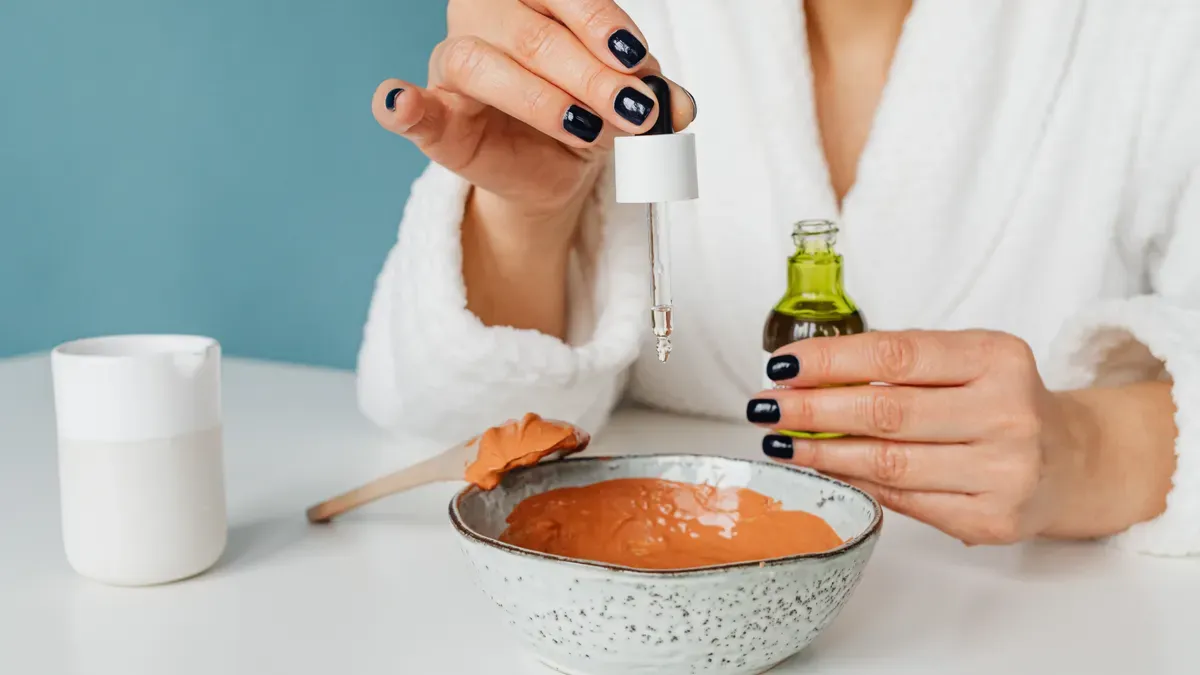
You must use the right amount of Sodium Dehydroacetate. The amount you use depends on where you sell your products. Look at this table to see the limits in different places:
Region | Rinse-off Max | Leave-on Max |
|---|---|---|
Europe | 0.6% | 0.6% |
Japan | 0.5% | 0.5% |
General | 0.1%–0.6%/0.68% | N/A |
If you use too much, it can be harmful. High amounts may cause health problems or skin issues. Some people might get allergic reactions. Always measure carefully and stay in the safe range.
Tip: Never use more than the recommended amount. Too much Sodium Dehydroacetate can hurt people and the environment.
Addition Phase and Temperature
Add Sodium Dehydroacetate at the right time and temperature. Most people add it when the mixture is cooling down, below 45°C. This helps the preservative stay strong and stable. You can add it at higher temperatures, up to 80°C, if you need to. But cooler temperatures work better for most products.
Phase | Temperature |
|---|---|
Cool down | Below 45°C |
Any point | Up to 80°C |
Compatibility and pH Range
Sodium Dehydroacetate works in many formulas, but you must check the pH. It works best when the pH is between 4.5 and 5. You can use it in products with a pH from 5 to 6.5, but lower pH is better. Do not use it with strong oxidizing agents or bases. Some ingredients do not mix well with this preservative.
Works best at pH 4.5–5
Do not use with strong oxidizers or bases
Note: If your product has a high pH, Sodium Dehydroacetate will not work well.
Step-by-Step Incorporation
Here are the steps to add Sodium Dehydroacetate to your formula:
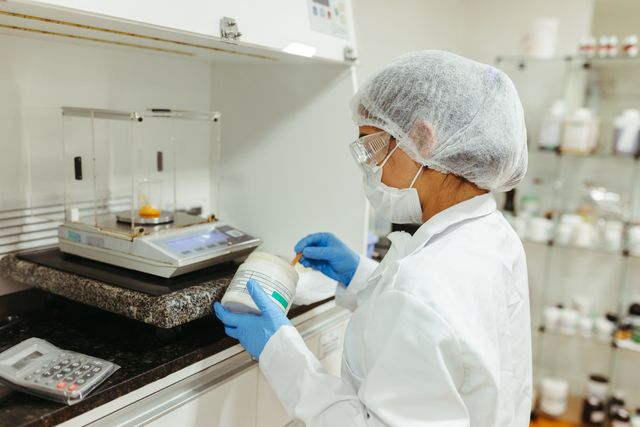
Weigh the right amount for your batch and usage rate.
Dissolve it in water, glycerol, or propylene glycol so it mixes well.
Add it during the cool down phase, when the mixture is below 45°C.
Stir well so it spreads everywhere in the product.
Check the pH and change it if needed to stay between 4.5 and 6.5.
Do not add strong oxidizers or bases at this step.
Pour your product into clean, dry containers. Keep the lids closed to stop germs from getting in.
Tip: Do not put wet fingers in jars. Store your products in cool, dry places to keep them fresh.
Maximizing Efficacy
You can make Sodium Dehydroacetate work better by following these tips:
Set your formula’s pH to 4.5–5 for the best results.
Use it with other preservatives, like benzyl alcohol, potassium sorbate, or sodium benzoate. These help protect against more germs and mold.
Add chelating agents, like disodium EDTA, to stop metal ions from causing color changes.
Do not use it in sprays or aerosols, because it is not safe to breathe in.
Follow the “period after opening” to keep your product working well.
Type | Interaction Description |
|---|---|
Synergies | Benzyl Alcohol: Works with many types of germs (like Geogard 221). |
Potassium Sorbate or Sodium Benzoate: Extra protection against bacteria. | |
Gluconolactone: Keeps pH low for better results. | |
Disodium EDTA: Stops color changes from metal ions. | |
Conflicts | Alkaline Formulations: Does not work if pH is above 6.5. |
Aerosols: Not safe for spray products. |
Remember: Always test your finished product to make sure it is safe and stable before you sell it.
Safety, Storage, and Alternatives
Safety Guidelines
You must follow safety rules when using preservatives. Wear gloves to keep your hands safe. Put on goggles to protect your eyes. Work in a clean place so germs do not get in. Always measure your ingredients carefully. If you spill powder, clean it up right away. Do not breathe in the dust. Wash your hands after you finish making products. If your skin gets red or itchy, stop using the product and see a doctor.
Tip: Test your finished product on a small spot of skin before using it on your face or body.
Storage and Shelf Life
You can keep your preservative fresh if you store it right. Here are some tips for storing Sodium Dehydroacetate:
Store it in a dark area in a tightly closed container.
Do not put it near things that can burn or react with it.
If you store it well, your preservative will last a long time. Always check the expiration date before using it.
Alternative Preservatives
You have other choices if you do not want to use Sodium Dehydroacetate. For example, epsilon-Polylysine is a natural preservative. It fights many germs and breaks down into lysine, which is safe for your body. Some people pick it because it causes fewer side effects. Sodium Dehydroacetate sometimes has more limits in food and cosmetics because of safety rules. You can also try potassium sorbate, sodium benzoate, or phenoxyethanol. If your product does not stay fresh, check the pH and try mixing different preservatives.
Note: Always test your product with any new preservative to make sure it works well and keeps your product safe.
You can keep your cosmetics safe with Sodium Dehydroacetate if you follow safety rules. Always measure the amount you use and check the pH level. When you follow the rules, more people will trust your products. This helps your cosmetics last longer and stay safe. Make sure you know the latest rules so your formulas work well and people trust them.
FAQ
Can you use Sodium Dehydroacetate in natural cosmetics?
Yes, you can use this in natural cosmetics. Many brands pick it because it does not have parabens or formaldehyde.
What happens if you use too much Sodium Dehydroacetate?
Your skin might get irritated.
The environment could get hurt.
Always use the right amount and do not go over the limit.
Does Sodium Dehydroacetate change the color or smell of your product?
Effect | Description |
|---|---|
Color | The color usually stays the same. |
Smell | It does not give a strong smell. |