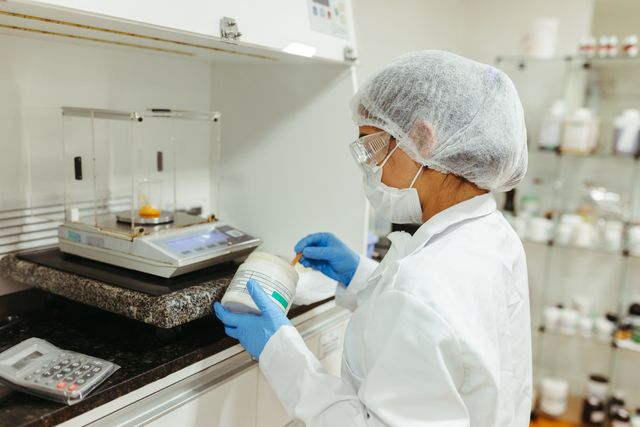

You use sodium dehydroacetate to keep things fresh. It stops germs and mold in food, cosmetics, and medicine. It fights bacteria, mold, and yeast. It is a newer choice instead of old preservatives. People use it more now. The table below shows how the market is growing:
Year | Market Size (USD) |
|---|---|
2025 | |
2034 | 200 million |
Key Takeaways
Sodium dehydroacetate is a strong preservative. It keeps food, cosmetics, and animal feed fresh. It does this by stopping germs, mold, and yeast from growing.
Using sodium dehydroacetate in food helps cut down waste. It also makes food last longer. This makes it safer than old preservatives.
In cosmetics, sodium dehydroacetate stops tiny germs from growing. This keeps lotions, shampoos, and makeup safe and useful.
This preservative is safe to eat in small amounts. The FDA says it is okay to use in food.
Sodium dehydroacetate can be used in many ways. It is used in different industries like medicine and personal care. It helps keep products stable.
Sodium Dehydroacetate Uses

Food Preservation
Sodium dehydroacetate helps food last longer. It stops bacteria, mold, and yeast from growing. You find it in bread and pastries. It also helps keep cut squash and some meats fresh. This preservative protects food from germs. It makes food safe to eat for a longer time.
Bread
Pastries
Cut or peeled squash
Certain meat products
It works well in these foods. It keeps them safe and helps reduce waste.
Tip: If you want to keep food fresh without old preservatives, sodium dehydroacetate is a good choice.
Cosmetics and Personal Care
Sodium dehydroacetate is in many personal care products. It stops germs from growing in creams, lotions, shampoos, and makeup. You see it in organic cosmetics as a safer choice than parabens. It helps keep your skin and hair products safe and stable.
Product Type | Description |
|---|---|
Emulsions | Used in creams and lotions for preservation. |
Shampoos | Acts as a preservative to inhibit microbial growth. |
Skin Care | Found in organic cosmetics as a paraben alternative. |
Hair Care | Commonly used in hair products for eco-friendly preservation. |
Makeup | Included in certified natural products for safety and efficacy. |
Sodium dehydroacetate keeps your products fresh and working well.
Pharmaceuticals and Animal Feed
You find sodium dehydroacetate in medicines and animal feed. It helps keep medicine stable and safe. It also keeps feed fresh for animals like cows and chickens. This preservative stops germs and spoilage.
Application | Effectiveness |
|---|---|
Pharmaceuticals | Used to preserve various pharmaceutical formulations. |
Animal Feed | Used to preserve feed for livestock and poultry. |
A preservative blend with sodium dehydroacetate stopped 99.72% of spoilage germs.
Studies show it stays in the liver and kidneys of animals for a long time. This helps it work well and keeps feed safe.
Other Industrial Applications
Sodium dehydroacetate is used in other industries too. It helps keep paints, adhesives, and coatings from going bad. It stops mold and bacteria from ruining these products. This preservative keeps materials stable and useful for longer.
Note: Sodium dehydroacetate is a good way to protect many products from spoilage and germs.
Properties
Chemical Structure
Sodium Dehydroacetate has a special chemical makeup. Its molecular formula is C8H7O4.Na. The molecular mass is 190.13. It looks like a white powder with crystals. It mixes well with water but not much with ethanol. Its structure helps it stop germs. This means it can fight bacteria, yeast, and mold in many things.
Molecular formula: C8H7O4.Na
Molecular mass: 190.13
Appearance: White crystalline powder
Solubility: Mixes well with water, not much with ethanol
Antimicrobial activity: Stops bacteria, yeasts, and molds
Its chemical structure helps keep food and cosmetics safe from going bad.
Physical Characteristics
Sodium Dehydroacetate looks like white crystals. It melts at 109 °C, which is 228 °F or 382 K. This melting point means it stays solid at room temperature. The table below shows its main physical features:
Property | Value |
|---|---|
Appearance | White crystals |
Melting point |
It is stable, so you can use it in many products.
Solubility and pH
You can mix Sodium Dehydroacetate with water. It dissolves up to 33% in water. You can make a solution with 10% by weight. The pH of this solution is between 8.8 and 9.3. This means it is a little alkaline. You can use it in things that need neutral or slightly acidic pH, like medicine.
Standard solution: 10% by weight
pH range: 8.8–9.3
Stays stable in neutral and slightly acidic places
Tip: It works well in medicine because it stays stable at these pH levels.
How Sodium Dehydroacetate Works
Antimicrobial Mechanism
Sodium dehydroacetate helps stop germs from growing. When you put it in food or cosmetics, it lets out free acetate ions. These ions go through the cell walls of bacteria, mold, and yeast. Inside, they mess up special enzymes called dehydrogenases. This keeps the microbes from growing or making more of themselves. The acetate ions also mess with other enzymes, so normal cell work stops. Because of this, the germs die and cannot live.
Many studies show how well it works.
Sodium dehydroacetate keeps food safe by stopping molds, yeasts, and bacteria. It does this by messing up how these germs make energy.
It blocks dehydrogenase and sticks to special parts of enzymes. This makes the cell wall weak and stops important enzyme jobs.
Scientists saw that it works well against food spoilage germs like Aspergillus flavus and Penicillium digitatum. It stops them from growing and lowers the toxins they make.
You only need a little to control yeasts and bacteria. This makes it a good way to keep products safe.
If you use it with other preservatives like sorbates, it works even better against mold.
Tip: Try using sodium dehydroacetate with other preservatives to make it stronger against tough molds.
Product Stability
You want your products to last and stay safe. Sodium dehydroacetate helps by stopping spoilage. The table below shows how it keeps things stable:
Mechanism | Effect |
|---|---|
Inhibition of molds, yeasts, and bacteria | Extends product shelf life |
Disruption of microbial metabolic processes | Maintains product integrity |
Targeting cell membrane integrity | Provides broad-spectrum antimicrobial effects |
Synergistic effects with other preservatives | Enhances antifungal activity |
Sodium dehydroacetate does more than just stop germs. It keeps food, cosmetics, and medicine fresh and working well. Your products last longer and stay good quality.
Safety & Regulation
Safety Assessment
You might wonder if Sodium Dehydroacetate is safe. Most research says it is not very toxic if you eat a little. If you eat a lot, you could feel tired or get a stomach ache. If you touch it, your skin is usually fine. It does not bother your skin or eyes at normal amounts. Scientists did long tests and found no cancer or gene problems. Here are some important facts:
It is not very toxic if you swallow it. The LD50 for rats is about 500–580 mg/kg.
Eating a lot can make you tired, walk funny, or have a stomach ache.
It does not hurt your skin or eyes if you use up to 1%.
Tests show no cancer or gene changes.
Some people with leg sores might get a skin allergy, but this is rare.
It is safe for most people in cosmetics up to 0.6%.
People can take up to 750 mg each day for a month with no trouble.
The pure powder can bother your skin or eyes if you touch or breathe it in.
Workers should wear gloves and masks when using a lot.
Note: Always follow safety rules when you use preservatives.
Approved Usage Levels
You have to follow the rules for how much you can use. Each country has its own limits for Sodium Dehydroacetate in food and cosmetics. The table below shows the highest amounts allowed:
Category | Maximum Approved Usage Level |
|---|---|
Food (US FDA) | 65 ppm in peeled pumpkins |
Food (Japan) | Lower levels under Food Sanitation Law |
Food (EU) | Not approved by EFSA and CAC |
Food (NFSRC) | Allowed in pickled vegetables, mushrooms, fermented soy products, and compound seasonings |
Cosmetics can use up to 0.6%. Medicine and animal feed must follow local laws.
Regulatory Guidelines
You need to check the rules in your country. In the United States, Sodium Dehydroacetate is safe for food and cosmetics if you use the right amount. The European Union says it is safe for most things but not for stuff near your mouth or lips. China lets you use it in food if you use at least 0.05%. The table below shows what each place says:
Market | Classification of Sodium Dehydroacetate |
|---|---|
European Union | ‘Toxic’ or ‘harmful’ for things near the mouth/lips; ‘safe’ for other food or cosmetics |
United States | ‘Safe’ for most uses in food or cosmetics |
China | Only allowed in food at 0.05% or more |
Tip: Always check your country’s rules before you add preservatives to products.
You use Sodium Dehydroacetate to help keep food, cosmetics, and animal feed safe. It stops germs from growing and helps things last longer. It works well against many germs and stays strong in different pH levels. The FDA says it is safe to use in food. This shows it is not harmful when used right. More products use it now because people want safer and cleaner ingredients.
Key Points | Details |
|---|---|
Uses in Food | Keeps bread and pastries fresh, stops germs, and helps food last longer. |
Uses in Cosmetics | Stops germs from growing in lotions, skin care, and makeup. |
Uses in Feed | Helps keep animal feed fresh for cows and chickens. |
Safety | The FDA says it is safe for food, so it has a good safety record. |
You can count on Sodium Dehydroacetate to keep many products safe and fresh.
FAQ
What is sodium dehydroacetate used for?
Sodium dehydroacetate helps keep food, cosmetics, and animal feed fresh. It stops germs, mold, and yeast from growing. You can find it in bread, lotions, and animal feed.
Is sodium dehydroacetate safe to eat?
You can eat small amounts of sodium dehydroacetate in food. The FDA says it is safe if you follow the rules. Most people do not get side effects.
Can you use sodium dehydroacetate in natural products?
Yes, sodium dehydroacetate can go in natural and organic products. Many brands pick it because it is safer than parabens or old preservatives.
How do you store sodium dehydroacetate?
Keep sodium dehydroacetate in a cool, dry spot. Make sure the container is closed tight. This keeps it fresh and stops clumps from forming.
Does sodium dehydroacetate change the taste of food?
You usually cannot taste sodium dehydroacetate in food. It works at low amounts, so it does not change how food tastes or smells.