You can get more from plants by using cellulase enzyme. This enzyme breaks tough cell walls. It makes important compounds easier to collect. With cellulase, you get more yield. You also get better quality and less waste. For example, cellulase-assisted extraction gives a total phenolic content of 1924 mg GAE/100 g. It also gives the highest antioxidant activity, as shown below:
Extraction Method | Total Phenolic Content (mg GAE/100 g) | Antioxidant Activity (DPPH Assay) |
|---|---|---|
Cellulase-assisted extract | 1924 ± 16 | Highest |
Hemicellulase-assisted extract | N/A | Best in ABTS assay |
Control samples | N/A | N/A |
You can see real benefits in many industries:
Cellulase increases alcohol and liquor yield by turning cellulose into glucose for yeast.
In beer, it makes malt grains dissolve better and helps filtration.
Using cellulase in soy sauce raises productivity and quality by 3%.
Juice yield goes up by about 10% and looks clearer.
In soybeans, it helps separate proteins and oils for better extracts.
Key Takeaways
Cellulase enzyme breaks plant cell walls. This makes it easier to get important compounds.
Using cellulase gives more yield and better quality. It helps products like wine, juice, and oils.
Cellulase helps lower waste. It also supports eco-friendly ways to make things.
Mixing cellulase with other enzymes can make extraction better.
Choosing the right enzyme and controlling the process are important. This helps get the most benefits.
Cellulase Enzyme Mechanism
Breaking Down Plant Cell Walls
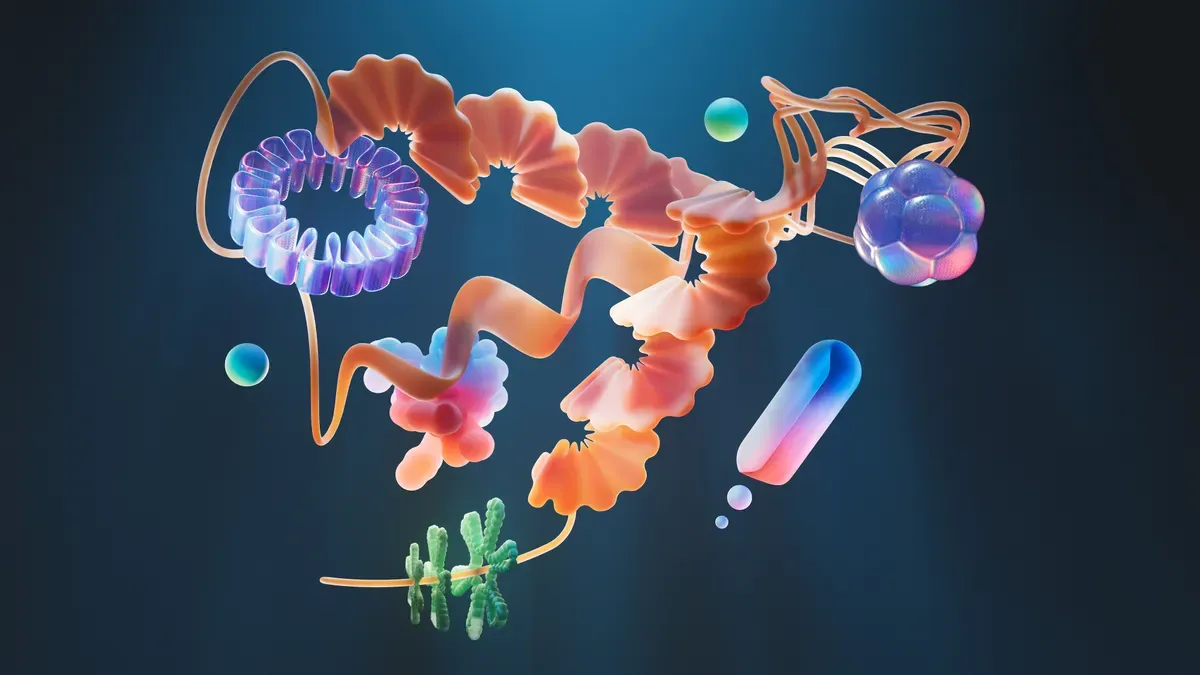
Cellulase helps you get more from plants. This enzyme attacks the strong parts of plant cell walls. It breaks certain bonds in cellulose. First, endoglucanase cuts inside the cellulose and makes small fibers. Then, exoglucanase works on these fibers and creates cellobiose. Beta-glucosidase changes cellobiose into glucose. The plant cell wall breaks down step by step. These enzymes work together to open up the cell walls. This lets you reach important compounds inside the plant.
Endocellulases break weak links in cellulose’s soft areas.
Exocellulases cut chain ends to make smaller sugars.
Beta-glucosidases turn bigger sugars into glucose.
Carboxymethyl cellulase (endoglucanase) makes small fibers with special ends.
Exoglucanase works on these ends to make cellobiose.
Beta-glucosidase changes cellobiose into glucose.
Cellulase enzyme helps you extract things more easily. Breaking cell walls lets out more bioactive compounds. This helps bioconversion and boosts food production.
Enhanced Compound Release
Using cellulase gives you more than just extra yield. You get better extracts. Cellulase helps release more antioxidants, phenolics, and oils from plants. Regular extraction leaves good stuff stuck inside cell walls. Enzyme-assisted extraction fixes this problem. You see more compounds in your final product.
Tip: You can use cellulase with other enzymes to target different parts of plant cell walls. This makes extraction work better and improves your extracts.
Juice looks clearer and oil yield goes up. For example, juice extraction rate rises by about 10% with cellulase. Oil yield gets higher and there is less spoilage. Antioxidant content also improves in your extracts. These benefits help you make better products and waste less.
Yield and Quality Gains
You can compare cellulase-assisted extraction to old methods. Traditional extraction uses heat or chemicals. These ways can hurt sensitive compounds and lower quality. Cellulase enzyme lets you get more without harsh steps. You see higher yield and better quality.
Extraction Method | Oil Yield (%) | Juice Extraction Rate (%) | Antioxidant Content |
|---|---|---|---|
Conventional | 65 | 80 | Moderate |
Cellulase-assisted | 75 | 90 | High |
You get more product from the same amount of plants. Cellulase helps you extract in a sustainable way and waste less. You see less spoilage and better antioxidant activity. These gains help you reach your goals and make high-quality products.
Cellulase enzyme works in many industries. It makes extraction easier and helps bioconversion. You see improvements in food production, food processing, and other uses. More people are using cellulase as they learn about its benefits.
Industry Applications and Benefits
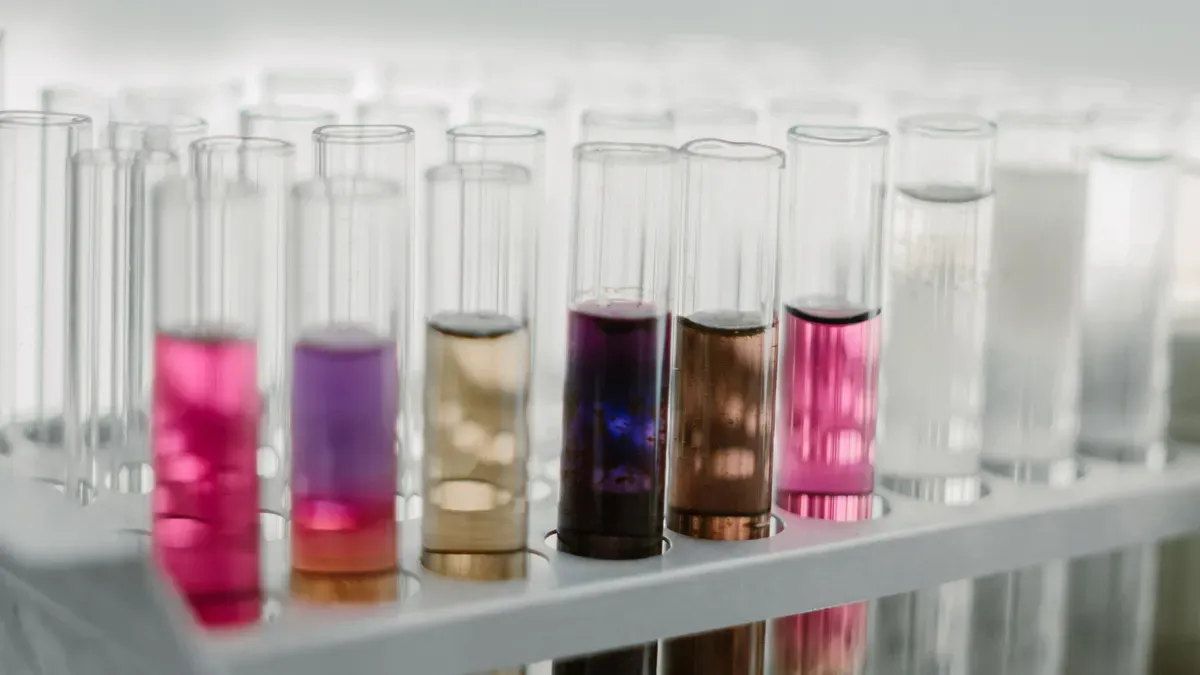
Wine and Beverage Processing
Cellulase helps make wine and drinks better. It breaks down cellulose in grape skins and other parts. This gives your wine more color and flavor. You also get more wine and better quality. Cellulase makes must clearer and more stable. Wort gets thinner, so it is easier to process.
Application | Benefits |
|---|---|
Wine Production | More wine and better quality from improved maceration and color. |
Must Clarification | Wine is clearer and more stable. |
Wort Viscosity | Wort is less thick, so processing is easier. |
You can use cellulase with other enzymes to get more from plants. This works well for compounds that do not like heat. You get more without hurting taste or smell.
Juice and Oil Extraction
Cellulase helps you get more juice and oil from fruits and seeds. When you use it, you see more juice come out. Juice is less thick and looks brighter. The flavor stays the same, and the color lasts longer.
Property | Enzyme-Treated Juice | Control Juice |
|---|---|---|
Juice Yield | 88.2 ± 0.15% | 75.4 ± 0.09% |
Total Soluble Solids (TSS) | 9.86 ± 0.07 | 9.34 ± 0.08 |
Viscosity | Less thick | More thick |
You can get up to 20% more juice, depending on the fruit.
Juice is clearer and tastes better.
Oil extraction from olives and seeds is better with cellulase.
You can use enzyme-assisted extraction with pressurized liquid extraction for even better results. This method does not use harsh chemicals, so it is safer for people and nature.
Enzyme-assisted extraction uses less energy and fewer dangerous chemicals. This helps protect the planet and supports green chemistry.
Agriculture and Fiber Recycling
Cellulase is important in farming and recycling plant fibers. You can use it to help seeds grow and roots get stronger. It also helps control diseases in crops and makes soil better. These changes give you more crops and healthier plants.
Application | Description |
|---|---|
Disease Control | Cellulase helps control diseases in crops. |
Seed Germination Enhancement | It helps seeds grow better, so you get more crops. |
Root System Improvement | The enzyme makes roots stronger, so plants are healthier. |
Soil Quality Improvement | It makes soil better, so you may need less fertilizer. |
You see less waste when you recycle plant fibers with cellulase. The enzyme breaks down cellulose, so materials are easier to reuse in paper, textiles, and animal feeds. This saves money and supports a circular economy.
Cellulase is used in textiles, animal feeds, paper, wine, laundry, and food production.
You can cut biomass processing costs by forty percent.
Cellulase production helps bioconversion and food processing.
Using Cellulase Effectively
Choosing the Right Cellulase
You must pick the right cellulase for your plant. Think about what you want to make and what plant you use. Some enzymes work better with certain plant cell wall parts. You can mix enzymes to get better results. For example, a 3:7 mix of cellulase and papain can raise yield to 21.39%. The best enzyme mix helps break cell walls and makes extraction work better. Always check the pH of your process. Yields stay high if pH is between 4.0 and 5.5. This acid level helps break down plant cell walls and supports cellulose breakdown.
Match the enzyme to your plant.
Mix enzymes for more yield.
Keep pH in the best range for good results.
Application Timing and Dosage
You need to watch when and how much cellulase you use. The right timing helps you get more and better extracts. For many plants, the best time for hydrolysis is about 120 minutes. This is when yield can reach 23.39%. For protoplasts, put cells in sorbitol at pH 5.8-7.2. Add 30-40 mg enzyme for each gram of cells. Keep them at 37°C for one hour. These steps help you get the most from your process and improve what you make.
Tip: Try small test batches first to find the best time and amount for your process.
Sensory and Consistency Considerations
Cellulase helps make plant extracts smoother and more stable. The enzyme breaks cellulose into simple sugars. This gives your extracts a better feel and keeps them steady. Cellulase works well at many pH levels and temperatures. You can trust it to keep your product the same each time. This matters a lot in food and farming, where quality is important.
Troubleshooting Common Issues
If you get low yield or poor extraction, check enzyme activity and pH. Make sure you use enough cellulase and keep the right temperature. If your extracts are too thin or thick, change the enzyme amount or mix. Watch for changes in color or taste. You can fix most problems by changing the enzyme mix or how long you process. Good control of cellulase use leads to better bioconversion and higher quality in plant extraction.
You can get more yield and better quality with cellulase. This enzyme breaks down cellulose in plants. It helps you reach more useful compounds. Enzymes are important in many industries. They help in farming and making biofuel. The table below shows enzyme systems can give up to 90% glucose yield. This makes production easier and faster.
Enzyme System | Maximum Glucose Yield (%) | Enzyme Dosage (mg/g) BCA |
|---|---|---|
A | 90% | 12-54 |
B | 90% | 12-54 |
C | 90% | 12-54 |
D | 90% | 12-54 |
You should look at your current process. See how enzymes can make extraction better. Think about which enzyme works best. Check the conditions for enzyme activity. Try mixing different enzymes for the best results. For more information, read about enzyme technology and sustainable production.
FAQ
What is cellulase enzyme?
Cellulase is a protein that helps break down cellulose in plant cell walls. You can use it to release more useful compounds from plants.
How does cellulase improve extraction yield?
You get more extract because cellulase opens up plant cells. This lets more juice, oil, or nutrients come out. You waste less and keep more good stuff.
Is cellulase safe for food and drink?
Yes, you can use food-grade cellulase in many foods and drinks. It meets safety standards. Always check with your supplier for certifications.
Can I use cellulase with other enzymes?
Yes! You can mix cellulase with enzymes like pectinase or hemicellulase. This helps you target different parts of the plant cell wall for better results.
What should I do if my yield is still low?
Check your enzyme amount.
Make sure the pH is right.
Try changing the temperature or mixing time.
Test a small batch first.